
Oil for the Lamps of China 1935

Directed by
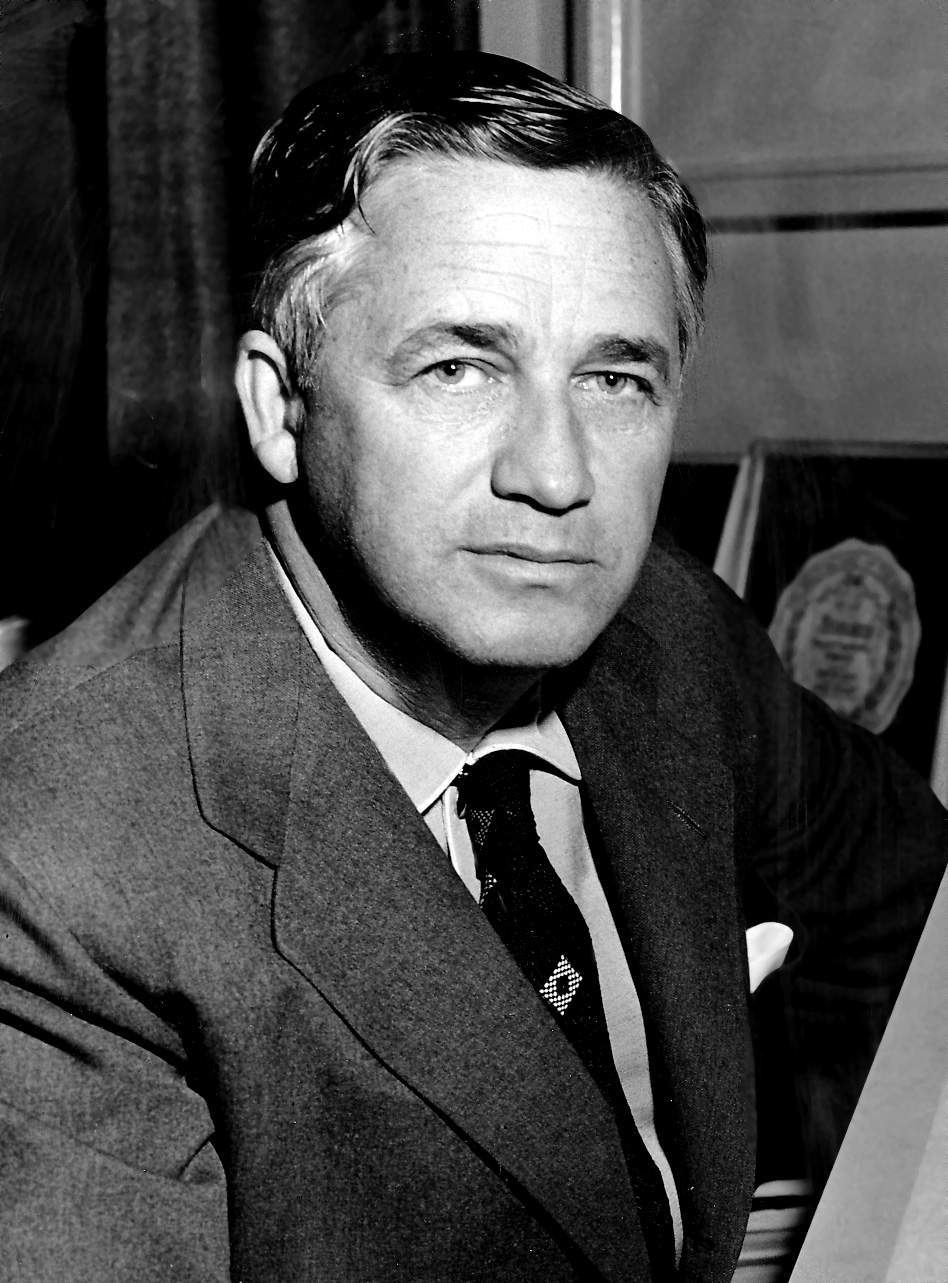
Mervyn LeRoy
Made by

The Vitaphone Corporation
Oil for the Lamps of China Plot Summary
Read the complete plot summary and ending explained for Oil for the Lamps of China (1935). From turning points to emotional moments, uncover what really happened and why it matters.
Stephen Chase is an ambitious, idealistic executive who joins the Atlantis Oil Company and is sent to a distant outpost in rural China, overseen by the enigmatic No. 1 Boss. The assignment seems like a chance to prove himself and push a grand dream of modernizing the region, even as the outpost operates in a rough, isolated world. After some time, Stephen grows confident enough to summon his fiancée and heads to Yokohama to marry her, hoping to blend his professional mission with a personal one.
There, he meets Hester Adams, who had come to China with her father, a professor of Oriental studies, and tragically lost him on the voyage. As their acquaintance deepens, Stephen hatches a plan to save face and secure their future: he proposes a partnership, arguing that their union could help bridge his corporate ambitions with a more humane approach to the country he wants to transform. Hester, moved by his dream of progress and his resolve, accepts, and the two soon find themselves falling in love despite the complexities of his job.
Stephen’s faith in Atlantis remains unshaken even as tragedy strikes. When his old mentor, the No. 1 Boss, is transferred to a humbler post and commits suicide rather than endure the insult, Stephen faces a harsher reality. A new boss, McCarger, orders Stephen to take an even more remote posting near Siberia. He hesitates because Hester is pregnant, but duty compels him to go. While there, he must choose between staying with his wife during a difficult birth and confronting a dangerous oil fire; his return reveals that the child did not survive, straining their relationship even as his career keeps advancing.
Back in a southern city, the Chases befriend another couple, Don and Alice Wellman. Don, skeptical of the Chinese, curses the relationship between loyalty and profits when two major clients threaten to leave unless he is dismissed. Stephen wrestles with this tension but ultimately lets Don go. The Wellmans’ replacement is McCarger, and the company’s operations continue through droughts and a cholera outbreak, during which Stephen relentlessly pursues every debt to protect Atlantis’ bottom line, earning the best record of any branch in China.
Soon after, a communist takeover turns the city upside down. An officer arrives at the offices, demanding the gold stored in Atlantis’ safe. Stephen negotiates a temporary evacuation for everyone except himself and McCarger, promising to surrender the gold later. He summons Ho, a well-connected Chinese client and friend, hoping Ho can influence events. Ho arrives to offer support but is shot down by soldiers, shocking Stephen into action. In a bold move, Stephen and McCarger grab the gold and flee, with McCarger killed and Stephen wounded, only to be rescued by a passing boat.
While recovering in a hospital, Stephen meets the changes sweeping the company’s leadership across the Orient. He is offered a coveted role as the assistant to the new head of the region, yet his vision of a modernized, efficient operation conflicts with the new plan. When the boss outlines a sweeping shift in strategy, Stephen argues that the “new” China remains governed by old ways beneath the surface, a belief that unsettles him as his pension and status appear to be at stake. Hester, ever practical and protective of her husband, confronts the company’s leadership with the truth behind the lamp patent she holds—a key piece of their enterprise’s success—and threatens a confrontation that could undo Atlantis’ plans. The tension culminates in a pivotal moment prompted by a call from the company’s president, who is unsettled by the news that Stephen has been passed over for the top role. In the end, Stephen’s faith in the company is rekindled, not by personal advancement alone, but by a recognition that his broader ideals—and his husbandly partnership with Hester—have earned him a renewed sense of purpose within Atlantis’ evolving story.
Oil for the Lamps of China Timeline
Follow the complete movie timeline of Oil for the Lamps of China (1935) with every major event in chronological order. Great for understanding complex plots and story progression.
Assignment to the remote outpost
Stephen Chase joins the Atlantis Oil Company and is posted to a remote outpost in rural China run by 'No. 1 Boss.' He arrives full of ambition to prove that modern methods can transform the region. The outpost's isolation and the looming power struggles set the stage for the drama to come.
Yokohama trip and the first telegram
Stephen travels to Yokohama to marry his fiancée, only to find a telegram stating she is unwilling to live in such a backward country. The rejection forces him to rethink his plans and look for a new path. The moment marks a clash between his personal desires and the realities of the world he is trying to change.
Meeting Hester Adams in Yokohama
In Yokohama, Stephen strikes up a conversation with Hester Adams, who has come to see China with her father. Her father dies during the voyage, complicating her prospects. Their growing connection hints at a new alliance that could shape Stephen's future.
Engagement and proposal to Hester
Stephen proposes to Hester, explaining that their marriage would be a partnership to modernize China, and she is impressed by his vision. She accepts the proposal and they quickly develop a deep bond. The engagement marks a turning point as they begin to fall in love.
Suicide of No. 1 Boss and leadership change
When the old boss is transferred to a lesser position, he commits suicide rather than face the insult. A new boss, J. T. McCarger, takes over and assigns Stephen to an even more isolated post near Siberia. Stephen reluctantly agrees, since Hester is pregnant and the stakes are personal.
The Siberian post and the fire
Stephen heads to the Siberian post and makes the painful decision to tackle a dangerous oil fire rather than stay to help deliver their baby. Upon his return, he learns that their child has died, creating a painful rift with Hester. The tragedy tests both their marriage and his faith in the company.
Promotion to the south and new friendship
Stephen is promoted to a large city in the south and forms a close circle with Don and Alice Wellman. Don, who despises Chinese, threatens to ruin key contracts if he is not fired. Stephen ultimately lets Don go, and Don's replacement is McCarger.
Drought, cholera, and ruthless collection
During a drought and a cholera outbreak, Stephen ruthlessly collects payments from customers, earning the best record of any Atlantis branch. His efficiency earns praise but strains relationships with clients and colleagues. This period marks the apex of his relentless professionalism.
Communist takeover and the gold crisis
As communists seize the city, an officer demands the gold in the safe. Stephen bargains to evacuate the staff to a ship, promising to surrender the gold later, while hoping Ho, a well-connected Chinese client, can influence the outcome. The moment tests his resolve under danger.
Ho's death and the escape with the gold
Ho arrives to help but is shot dead by soldiers. Stephen and McCarger seize the gold and escape through the back door. McCarger is killed, Stephen is wounded, and a passing boat rescues him and the gold.
Hospital politics and modernization clash
In the hospital, the new head of the Orient for the company offers Stephen a post as his assistant, but Stephen resists a plan to force modern business practices on a traditional China. He argues that, despite appearances, the 'new' China remains governed by old habits. He recovers from his injuries only to learn his job has been given to another man and that he is confined to menial tasks.
Hester reveals the lamp patent
Hester confronts Stephen's boss and reveals that Stephen holds the patent for a lamp used by the company's products. The disclosure demonstrates his value and strengthens his position within the company. The revelation underscores that his future hinges on keeping Atlantis engaged.
Presidential intervention restores hope
A call from the Atlantis president interrupts the attempts to push Stephen out and renews his faith in the organization. The intervention signals continued support for Stephen and his long-term role. This turn reshapes his outlook for the future.
Epilogue: renewed resolve
With the president's intervention, Stephen's faith in the company is reaffirmed as he considers his role in modernizing a China still governed by older traditions. He must weigh the costs for his family and the company as they move forward. The story closes with a renewed sense of purpose and cautious optimism.
Oil for the Lamps of China Characters
Explore all characters from Oil for the Lamps of China (1935). Get detailed profiles with their roles, arcs, and key relationships explained.
Stephen Chase (Pat O'Brien)
Stephen Chase is an ambitious executive driven by a vision to modernize China through Atlantis Oil. He projects confidence and loyalty to the company, often prioritizing business results over personal cost. His romantic connection with Hester gives him a personal stake in the country's transformation, yet his decisions reveal a pragmatic, sometimes ruthless streak. He endures setbacks, including a forced demotion and a life-threatening crisis, yet seeks a pathway that reconciles duty with his ideals.
Hester Adams (Josephine Hutchinson)
Hester Adams is a cultured, independent woman who travels with her father to China and is drawn into Stephen's dream of modernization. She sees potential in Stephen's vision but also values personal happiness and partnership. Her relationship with Stephen evolves from courtship to deep love, yet she challenges his choices and ultimately supports him in a moment of corporate rejection. Her presence anchors the emotional core of the story, highlighting the tension between romance and enterprise.
No. 1 Boss (Arthur Byron)
No. 1 Boss is the harsh, taciturn founder who runs the rural outpost and brokers survival through fear. His suicide after being replaced by a harsher manager underscores the ruthlessness of corporate hierarchy. He embodies the old guard mindset that clashes with new management methods. He serves as a catalyst for Stephen's early career and shows the pressures of command in a colonial-like enterprise.
J. T. McCarger (Donald Crisp)
J. T. McCarger is the strict, cynical replacement boss who pushes Stephen to take extreme measures to collect debts and endure hardship. He embodies the old-school, hard-nosed corporate attitude that collides with Stephen's idealism. His relationship with Stephen is strained; He becomes a casualty in the final escape.
Don (John Eldredge)
Don is a competent but prejudiced colleague who undermines Chinese workers and strains professional relationships with his contempt for locals. His actions contribute to client resignations and moral conflict within the business circle. His dismissal marks a turning point in how the company treats its Chinese partners and employees.
Alice Wellman (Jean Muir)
Alice Wellman is a sympathetic friend who navigates the social pressures of a cosmopolitan business circle. She forms a supportive alliance with Hester and defends Stephen when corporate maneuvering threatens his career. Her role embodies a pragmatic, morally grounded voice within the interwoven personal and professional dramas.
Ho (Tetsu Komai)
Ho is a well-connected Chinese client whose influence embodies local networks that can influence corporate decisions. His courage to intervene in high-stakes moments showcases Chinese agency within the business world. Ho’s subsequent fate underscores the perilous environment in which business and politics intersect.
Oil for the Lamps of China Settings
Learn where and when Oil for the Lamps of China (1935) takes place. Explore the film’s settings, era, and how they shape the narrative.
Time period
Early 20th century (roughly 1920s–1930s)
The narrative sits in a period of rapid modernization and political change in China, mixing industrial ambition with traditional authority. It moves from remote field posts to urban centers, reflecting the era’s cross-border corporate reach. The emergence of political upheaval, including communist influence, frames the stakes for business and personal lives alike.
Location
China, Yokohama, Siberia
The story unfolds across a remote oil outpost in rural China overseen by a harsh local administrator, and expands to the port city of Yokohama where personal plans are made. It also tracks the company’s operations across a southern Chinese city during a period of upheaval, with travel by ship bridging these locales. The settings emphasize the clash between frontier labor camps and cosmopolitan business hubs within a historically shifting landscape.
Oil for the Lamps of China Themes
Discover the main themes in Oil for the Lamps of China (1935). Analyze the deeper meanings, emotional layers, and social commentary behind the film.
🏭
Modernization
The film centers on a dream to modernize China through industrial enterprise and Western-style management. Stephen Chase champions efficiency, new systems, and a global business vision that often clashes with local tradition. The tension between progress and cultural continuity drives both plot and character choices. The outpost scenes juxtapose stark industrial aims against a changing social landscape.
💼
Power & Ambition
Corporate power and personal ambition propel the narrative, revealing how hierarchy and profit motives shape decisions. No. 1 Boss and later McCarger symbolize the ruthlessness and pragmatic ruth that can prioritize balance sheets over human costs. The pursuit of debt collection, contracts, and control over resources exposes the darker side of modernization. Ambition tests loyalties and exposes the fragility of trust within a multinational operation.
💔
Love vs Duty
Stephen and Hester’s romance unfolds amidst professional upheaval and moral compromises. The relationship anchors the human stakes of modernization, forcing choices between family, personal happiness, and career loyalty. Hester’s perspective challenges Stephen’s plans and highlights the personal cost of empire-building. The eventual resolution reframes duty as something that can be reconciled with love, albeit through conflict and humility.

Coming soon on iOS and Android
The Plot Explained Mobile App
From blockbusters to hidden gems — dive into movie stories anytime, anywhere. Save your favorites, discover plots faster, and never miss a twist again.
Sign up to be the first to know when we launch. Your email stays private — always.
Explore the mobile appOil for the Lamps of China Spoiler-Free Summary
Discover the spoiler-free summary of Oil for the Lamps of China (1935). Get a concise overview without any spoilers.
In a rugged corner of early‑20th‑century China, an American oil company pushes its reach into a landscape as unforgiving as the black gold it seeks. The remote outpost feels like a frontier town caught between ancient river valleys and the promise of modern industry, a place where ambition glints against dust‑filled horizons and every decision can echo across continents. The atmosphere hums with a mix of distant optimism and the uneasy weight of colonial enterprise.
Stephen Chase arrives as a bright‑eyed representative of the Atlantis Oil Company, eager to prove himself against the backdrop of this untamed market. He carries a textbook vision of progress—a belief that his work can usher in efficiency and prosperity for both the corporation and the region. Yet his confidence is matched by the isolation of his posting, where the line between personal conviction and corporate expectation blurs amid towering pipelines and endless plains.
Hester Adams joins the story having come to China with her scholar father, only to lose him to the uncertainties of the journey. Her resilience and quiet intelligence make her a compelling counterpart to Stephen’s idealism. Their budding connection hints at a partnership that could tether his relentless drive to something more humane, suggesting that love might become both a sanctuary and a source of tension when the demands of the job threaten to pull them apart.
Around them, the company’s hierarchy swirls with seasoned veterans and new managers, each navigating a delicate balance between profit and the shifting political currents of a nation on the cusp of change. The tone remains one of measured drama, where personal sacrifice, cultural friction, and the relentless pursuit of corporate goals create an undercurrent of suspense. In this world of oil‑lit lamps and far‑reaching ambitions, the central question lingers: how far will one man go to keep both his marriage and his career alight?
Movies with Similar Twists and Themes
Uncover films that echo the narrative beats, emotional arcs, or dramatic twists of the one you're exploring. These recommendations are handpicked based on story depth, thematic resonance, and spoiler-worthy moments — perfect for fans who crave more of the same intrigue.







Featured on this page

What's After the Movie?
Not sure whether to stay after the credits? Find out!
Check out our other apps:

SAT Sphere
Build confidence for the Digital SAT.

Mori Atlas
Discover wild places worth protecting.

Luntero
Search smarter for a home in Amsterdam.

Plot Explained
Unravel movie endings and hidden clues.

Pokechamp
Dive into Pokémon data and battle logic.

Driving Theory
Get ready for your European theory test.

Movie Dust
Plan your next cinema trip with ease.

Musemap
Find art and culture as you travel.

Selkobase
Compare credentials before committing.

Local Manual
Turn an unfamiliar country into practical next steps.

Lernavi
Compare school systems before your next move.

GymRoam
Find a workout stop wherever your plans take you.
Explore Our Movie Platform
New Movie Releases (2026)
Famous Movie Actors
Top Film Production Studios
Movie Plot Summaries & Endings
Major Movie Awards & Winners
Best Concert Films & Music Documentaries
Movie Collections and Curated Lists
© 2026 What's After the Movie. All rights reserved.
Privacy Policy