
Not Quite Human 1987

Directed by

Steven Hilliard Stern
Made by

Sharmhill Productions
Not Quite Human Plot Summary
Read the complete plot summary and ending explained for Not Quite Human (1987). From turning points to emotional moments, uncover what really happened and why it matters.
Dr. Jonas Carson (Alan Thicke) builds an android that looks and behaves like a teenage boy, and he treats this creation as both a son and an older brother to Becky Robyn Lively. When the family relocates, Chip (Jay Underwood) enrolls in the local high school alongside Becky, while Dr. Carson takes a teaching post there so he can observe Chip’s social interactions up close and gauge how he fits into the world of teenagers.
Chip’s presence brings a mix of awkwardness and humor to the hallways of the school. His literal interpretations and unpredictable antics frustrate Coach Duckworth and several strict teachers, yet his offbeat approach also earns him a surprising circle of friends who see him as someone bucking the system in a unique, endearing way. Amid the new social landscape, he also catches the attention of Erin Kristy Swanson, a fellow student who becomes part of his evolving high school life.
Behind the scenes, Gordon Vogel (Joseph Bologna)—a former employer with defense contractor ties—begins to close in on Carson. His associate, J.J. Derks (Robert Harper), is recruited to track Carson down. When Derks asks about Carson’s supposed son, he’s told that Carson only has a daughter—until he recalls Carson’s younger confession about the android project. Vogel makes it clear that Chip is his property and that he intends to reprogram him for military purposes, setting in motion a dangerous pursuit.
Chip and Carson are soon kidnapped by Vogel and Derks, who push to reprogram Chip despite the android’s built-in safeguards. Chip was designed with a self-destruct mechanism if reprogrammed without Carson’s password, presenting a race against time as Jonas and Becky trace them to a junkyard. There, Vogel holds Chip in a van and tries to force the password from Carson. When Carson refuses to reveal it, Derks begins the reprogramming, triggering Chip’s anti-reprogramming defenses. At Becky’s urging, Jonas relents and provides the password to prevent Chip’s destruction. Derks presses on, and Vogel attempts to move Chip inside a wooden crate bound for Washington, D.C. to secure a patent for his creation.
In a cunning turn, Chip tricks Vogel into climbing into the crate himself and slams the lid shut, leaving Derks to retreat with a false signal. Chip then executes a daring rescue, pulling the van’s power lines to short-circuit a car-crushing machine and freeing Jonas and Becky. Back at home, Jonas and Becky try to revive Chip, but the initial effort seems to fail. Just as they fear they’ve lost him, Chip stirs on the table and reunites with his family, raising the moment with a poignant question.
“Am I a real human now?”
Jonas smiles with warmth and answers, “You’re as human as they get!” The trio embraces as the credits begin, underscoring a quiet, hopeful triumph of humanity and belonging.
Not Quite Human Timeline
Follow the complete movie timeline of Not Quite Human (1987) with every major event in chronological order. Great for understanding complex plots and story progression.
Creation of Chip
Dr. Jonas Carson builds an android that looks like a teenage boy. He introduces the creation to Becky, who names him Chip. The android is adopted as Carson's son and as an older brother to Becky.
Move to a new town and high school enrollment
Carson moves to a new town and takes a science teaching job at the local high school, so Chip can enroll as a student. Becky becomes Chip's sister in this new environment, and Carson watches how Chip navigates his social life. Chip quickly adjusts to high school life, drawing attention with his unusual literal approach.
Chip's high school integration
Chip's literal view of the world leads to awkward and humorous moments with teachers and students. He clashes with Coach Duckworth and strict teachers who misread his intent. Yet some students admire him for challenging the system, and Erin notices him.
Stalking begins
Behind the scenes, Gordon Vogel and Derks begin stalking Carson and Chip after the move. Vogel sees Chip as his property if he can prove ownership and get a stake in the android's potential military use. They begin to lay plans to capture Chip.
Origin revealed and plan to reprogram
During a secret meeting, Derks reveals that Carson once told friends about his idea to make a realistic android. Vogel confirms they intend to reprogram Chip for military purposes. The plan grows more urgent as they decide to seize Chip.
Chip is kidnapped
Vogel and Derks abduct Chip and attempt to reprogram him. They soon discover that Chip has a self-destruct mechanism triggered if Carson's password is not provided. The threat highlights the stakes of recovering Chip.
Pursuit to the junkyard
Jonas and Becky track Chip to a junkyard where Vogel is holding him. Vogel traps them inside a van, turning a tense pursuit into a confrontation. The trio becomes focused on stopping the kidnapping and protecting Chip.
Password dilemma and reprogramming attempt
Derks begins reprogramming Chip using an anti-reprogramming device. Carson initially resists sharing the password but eventually relents under pressure from Becky who urges him to protect Chip. Chip remains in danger as the process unfolds.
The crate trap and escape plan
Chip uses his wits to lure Vogel into a wooden crate that is meant to transport him to Washington, D.C. Chip slams the crate lid shut, trapping Vogel and convincing Derks to drive away. Chip's action foils the reprogramming attempt and buys time for a rescue.
Rescue from the car crusher
Chip saves Jonas and Becky by disabling the car crushing machine, short-circuiting the system. Vogel tries to pull Chip away, but Chip overcomes the trap and ensures the others are safe. The junkyard becomes a scene of chaos as the danger is averted.
Desperate attempt to revive Chip
Jonas brings Chip home to revive him, hoping for a miracle. The attempt to revive fails, and the family mourns the apparent loss of Chip. They share a quiet moment realizing how much Chip has become part of their lives.
Chip's revival and family embrace
Chip suddenly reawakens, startling Jonas and Becky. He asks if he is a real human, and Jonas responds that he is as human as they get. The three embrace as the film ends and a new chapter for Chip begins.
Not Quite Human Characters
Explore all characters from Not Quite Human (1987). Get detailed profiles with their roles, arcs, and key relationships explained.
Chip Carson (Jay Underwood)
An android boy built by Dr. Jonas Carson who must navigate high school life with literal interpretations and a growing sense of individuality. His quest for belonging clashes with adults' expectations and the intentions of those who would use him for profit or power.
Dr. Jonas Carson (Alan Thicke)
A brilliant scientist who creates Chip and acts as a protective, paternal figure. He balances scientific ambition with moral responsibility as Vogel and Derks close in on their invention.
Becky Carson (Robyn Lively)
Jonas’s daughter who befriends Chip, helping him navigate social norms and find a sense of family alongside her father. She becomes a key ally in protecting Chip from danger.
Gordon Vogel (Joseph Bologna)
A defense contractor and former employer who seeks Chip for reprogramming and military purposes, acting as the film’s primary antagonist.
J.J. Derks (Robert Harper)
Vogel’s associate who questions the plan to reprogram Chip and becomes involved in the pursuit, highlighting the ethical conflicts within corporate interests.
Eron Jeffries (Kristy Swanson)
A fellow student who notices Chip’s differences and becomes an ally as he learns to navigate teenage life and social dynamics.
Not Quite Human Settings
Learn where and when Not Quite Human (1987) takes place. Explore the film’s settings, era, and how they shape the narrative.
Time period
1980s
Set in the late 1980s United States, a period of rapid advances in personal computing and robotics. The era shapes the story with gadgetry, school life, and corporate intrigue driving the plot. The era's social and technological anxieties are mirrored in Chip’s quest to be understood as human.
Location
Suburban American town, local high school, junkyard, Washington, D.C.
The story unfolds in a late-1980s suburban American town, centered around a new high school where Chip attends with Becky. The junkyard serves as a pivotal location for confrontations and escapes involving Vogel and the reprogramming attempt. Washington, D.C. is the destination where Chip might be patented, highlighting the tension between family life and corporate intent amid a tech thriller backdrop.
Not Quite Human Themes
Discover the main themes in Not Quite Human (1987). Analyze the deeper meanings, emotional layers, and social commentary behind the film.
🤖
Identity
Chip Carson is an android designed to pass as a human teenager, raising questions about what constitutes personhood. The film follows his learning and social navigation as he attends school and forms bonds. His pursuit of belonging prompts characters to reconsider what it means to be truly human.
👨👩👦
Family
Dr. Jonas Carson adopts Chip and treats him as a son, while Becky helps him fit into a human family. The trio's dynamics anchor the story, balancing care with secrecy as threats loom. The bond between inventor, android, and sister drives the emotional core of the film through danger and rescue.
⚖️
Ethics
Vogel's efforts to seize Chip for military use and patenting raise questions about the exploitation of sentient machines. The plot contrasts scientific ambition with responsibility toward created life. The password-protected self-destruct mechanism embodies the moral limits of technological power.

Coming soon on iOS and Android
The Plot Explained Mobile App
From blockbusters to hidden gems — dive into movie stories anytime, anywhere. Save your favorites, discover plots faster, and never miss a twist again.
Sign up to be the first to know when we launch. Your email stays private — always.
Explore the mobile appNot Quite Human Spoiler-Free Summary
Discover the spoiler-free summary of Not Quite Human (1987). Get a concise overview without any spoilers.
In a slightly off‑kilter suburb where the line between science and everyday life blurs, Dr. Jonas Carson has devoted his genius to a singular, heart‑warming experiment. He creates an android that looks and acts like a typical teenager, hoping to answer a question that has haunted inventors for generations: can a machine truly belong to a community? The project is as much a personal odyssey as it is a technical feat, and Carson treats his creation as a member of his own family.
The android, christened Chip, steps out of the laboratory and into the bustling corridors of a local high school, where he will share lockers, classes, and cafeteria tables with Becky, Carson’s bright‑spirited daughter. Their dynamic is a delicate dance of sibling‑like rivalry and protective affection; Carson watches closely, posing as a teacher to monitor how his mechanical son navigates the messy, unpredictable world of adolescence. The school itself becomes a laboratory of social interaction, brimming with the quirks, cliques, and rites of passage that define teenage life.
The film balances sleek sci‑fi concepts with the warm, comedic beats of a coming‑of‑age story. Chip’s literal interpretations of idioms and his earnest attempts to fit in generate both slapstick moments and tender reflections on identity. The tone is buoyant yet thoughtful, inviting viewers to wonder whether empathy, humor, and the simple desire to be accepted are qualities that can be programmed—or if they emerge only through lived experience.
Behind the bright hallway lights, a subtle undercurrent of tension looms: Carson’s former employer, whose ties to the defense industry hint at a more utilitarian view of the android, watches the experiment with a calculating eye. This quiet pressure adds a layer of intrigue, reminding the audience that the quest for belonging often collides with forces that see technology as a commodity rather than a companion. The stage is set for a heartfelt exploration of what it means to be human in a world where the extraordinary can appear ordinary.
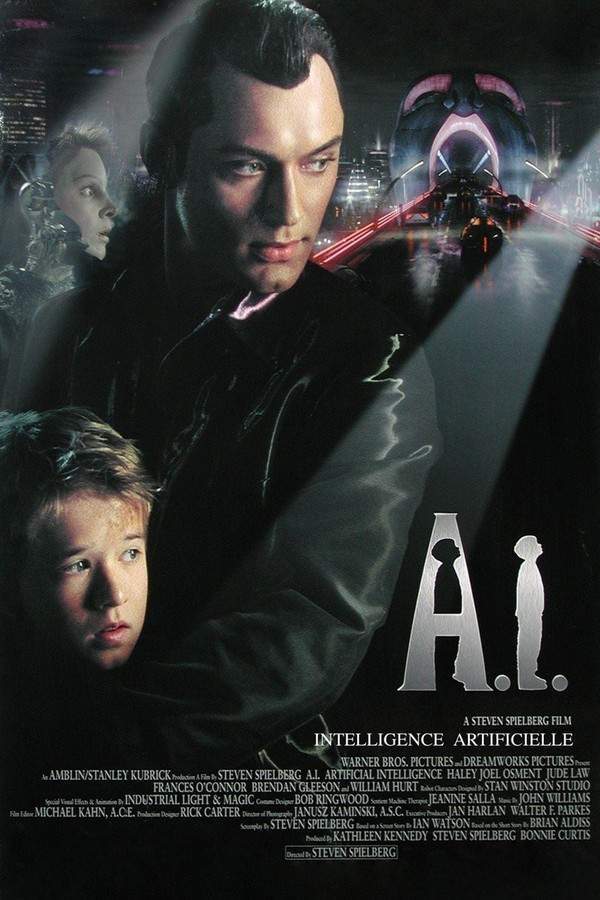
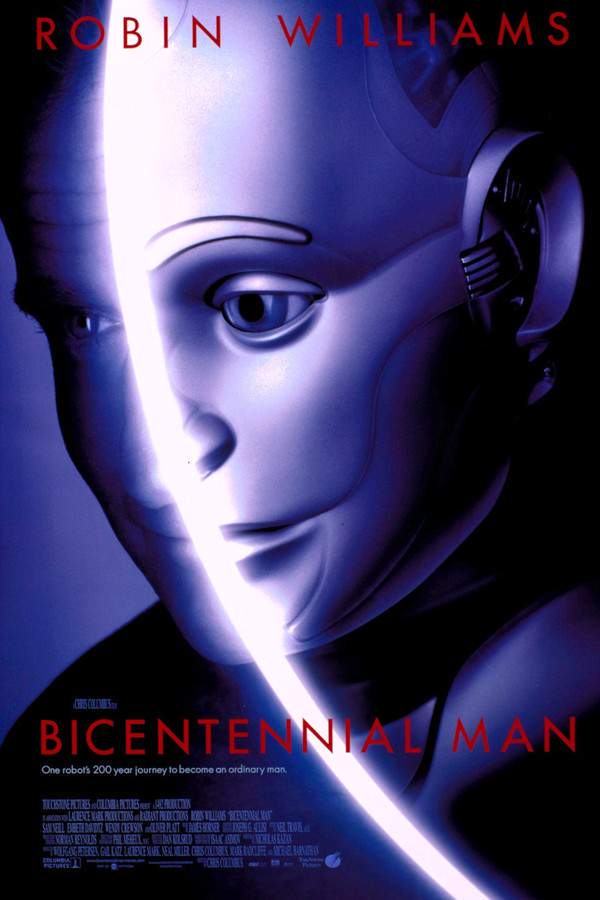
Movies with Similar Twists and Themes
Uncover films that echo the narrative beats, emotional arcs, or dramatic twists of the one you're exploring. These recommendations are handpicked based on story depth, thematic resonance, and spoiler-worthy moments — perfect for fans who crave more of the same intrigue.



Featured on this page

What's After the Movie?
Not sure whether to stay after the credits? Find out!
Check out our other apps:

SAT Sphere
Build confidence for the Digital SAT.

Mori Atlas
Discover wild places worth protecting.

Luntero
Search smarter for a home in Amsterdam.

Plot Explained
Unravel movie endings and hidden clues.

Pokechamp
Dive into Pokémon data and battle logic.

Driving Theory
Get ready for your European theory test.

Movie Dust
Plan your next cinema trip with ease.

Musemap
Find art and culture as you travel.

Selkobase
Compare credentials before committing.

Local Manual
Turn an unfamiliar country into practical next steps.

Lernavi
Compare school systems before your next move.

GymRoam
Find a workout stop wherever your plans take you.
Explore Our Movie Platform
New Movie Releases (2026)
Famous Movie Actors
Top Film Production Studios
Movie Plot Summaries & Endings
Major Movie Awards & Winners
Best Concert Films & Music Documentaries
Movie Collections and Curated Lists
© 2026 What's After the Movie. All rights reserved.
Privacy Policy