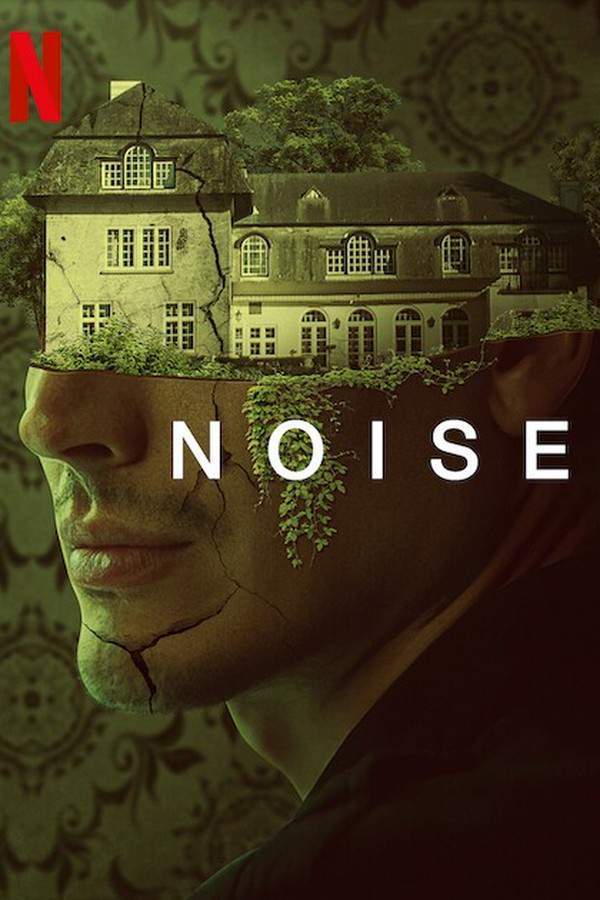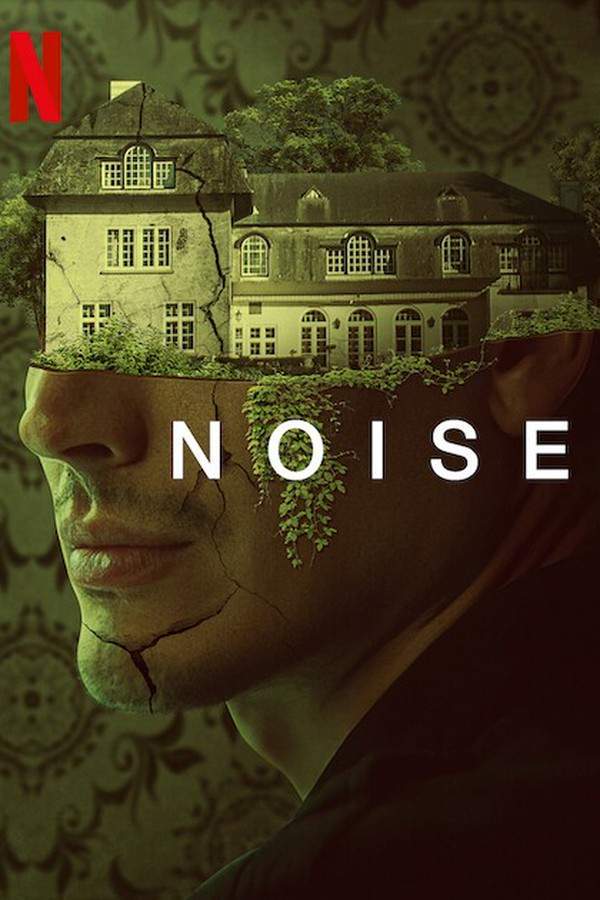
What Is Noise About?
The premise of Noise in 299 words, with nothing given away. The full story follows below.
In the relentless whirl of New York City, where car horns, sirens, and the perpetual hum of daily life merge into an inescapable soundtrack, a young lawyer finds the city’s clamor more than a backdrop—it becomes a personal siege. David Owen has built a career amid the city’s legal battles, yet the constant barrage of alarms and beepers gnaws at his patience, turning even the simplest moments with his family into a struggle for sanity. The metropolis itself feels like a character, its noisy arteries pulsing through every street, creating a world where quiet is a rare, almost mythical commodity.
Seeking a way to reclaim his own sense of peace, David adopts the moniker The Rectifier, a self‑styled alter ego that channels his frustration into a series of deliberately mischievous interventions. These actions, while playful in intention, ripple outward like a stone tossed into a crowded pond, disrupting the familiar rhythm of the city and challenging the accepted tolerance of its auditory chaos. The tone of his crusade balances a dry, almost ironic humor with an undercurrent of mounting tension, as the line between personal remedy and public spectacle begins to blur.
The ripple effects of The Rectifier’s quiet‑rebellion quickly draw the eyes of a city accustomed to its own noise, sparking conversation about the right to peace in a place that never stops talking. As media chatter grows and strangers begin to weigh in, the strain leaks into David’s home life, testing the patience of his marriage and the stability of his family ties. The film settles into a mood that is simultaneously claustrophobic and expansive, capturing the paradox of a metropolis that feels both intimate and overwhelming, and leaving the audience to wonder how far one man will go to hear his own thoughts above the din.
What Happens in Noise?
The complete story of Noise, from the first scene to the last, in 603 words (about 3 minutes). Spoilers throughout.
Spoilers ahead
David Owen, a New York lawyer, is relentlessly tormented by a chorus of city noises—car alarms, burglar alarms, and the harsh blare of backup beepers—that gnaws at his patience and way of life. He endures for years, even through the early years of his daughter, but a single reckless act tips the balance: he breaks into a car to shut off its alarm and ends up in handcuffs. The incident triggers a domino effect: his family retreats to the countryside for a weekend hoping for peace, only to discover that quietness there comes with its own disruptive echoes. His attempts to address the problem through the legal system prove futile, and his response grows more extreme as vandalism replaces restraint. With each new violation, penalties rise and the strain on his marriage deepens, until his wife finally asks him to leave.
Alone with the mounting fury, Owen’s campaign of destruction expands as he targets alarms and increasingly damages vehicles, turning his personal crusade into a broader obsession. Amid this turmoil, he encounters Ekaterina, a Russian student who becomes his confidant and catalyst. She recognizes the vigilante identity he has adopted—The Rectifier—and challenges him to channel his anger into something more than private vengeance. Ekaterina persuades him to embark on a ballot initiative designed to address the chaos of urban noise through lawful means, turning Owen’s frustration into political leverage.
The initiative begins slowly but soon acquires a contagious energy that captures public imagination and media attention. Yet the political landscape resists him. Mayor Schneer is openly wary, fearing that endorsing the measure could fan the flames of vigilantism and undermine the rule of law. Even when a loophole blocks the ballot from appearing, Owen refuses to concede. He outfits a car with an array of alarms and dramatically parks it in front of city hall, turning the city’s own security procedures back on its officials by blasting loud horns and insisting on accountability for the rules that sparked his initial revolt. The spectacle inflames a nearby tenant and draws the attention of the city’s power players, including Judge Kornreich, who becomes entangled in the confrontation and is mistakenly identified as The Rectifier.
In court, Kornreich sues Owen for pain and suffering, and the confrontation becomes a legal turning point. During the cross-examination, Owen hints that his actions could constitute assault and battery, a strategic move that reframes the case as a broader question about responsibility, protest, and the limits of reform. The judge’s side bears the weight of mercy, but the verdict nonetheless places Owen on the wrong side of the law. Yet the ruling carries a paradoxical sense of achievement for Owen: he has forced a high-stakes public debate and, in the process, begins to repair his personal ties, reunifying with his wife.
As the courthouse doors close on this chapter, an activist approaches with a provocative proposal: blow up a billboard TV that contributes to accidents and clutters the city’s skyline. The story presents a dual ending, offering two plausible fates. In one path, Owen chooses to flee with the activist, lured by a radical confrontation with the city’s visual pollution. In the other, he declines the offer and steps into a cab with his wife, heading home to rebuild their life together.
Ultimately, the film is a tense, character-driven meditation on obsession, the boundaries of lawful reform, and the delicate line between civic frustration and personal crusade. It explores how a man’s battle with noise can evolve into a public spectacle that tests his relationships, his sense of justice, and his vision of what a just city should look like.
Noise Timeline: Every Key Event in Order
12 key events in the order they happen, from “Break-in to silence a car alarm” to “The activist’s proposal and the two endings”. 12 events name a place, across 8 locations.
- 1
Break-in to silence a car alarm
David Owen, a New York lawyer, is tormented by a constant barrage of car alarms, burglar alarms, and back-up beepers. In a moment of desperation, he breaks into a parked car to shut off its alarm and is arrested by police. This reckless act marks the first escalation of his campaign against noise.
Where:New York City
- 2
Weekend retreat to the countryside
He and his family retreat to the countryside for a weekend, hoping the quieter environment will relieve the stress. The break from the city only swaps one set of disturbances for another, as new noises intrude on rural life. The attempt underscores the difficulty of finding lasting peace amidst constant noise.
When:Weekend Where:Countryside
- 3
Legal avenues prove ineffective
Back in the city, Owen pursues legal remedies, filing complaints and appeals to authorities. Yet the system offers little relief and his frustration deepens as the noise persists. The ongoing stalemate pushes him toward more drastic, unlawful responses.
Where:New York City
- 4
Ekaterina enters his life and learns his vigilante identity
During this upheaval, Owen meets Ekaterina, a Russian student, who becomes involved with him. She confronts him with the truth of his vigilante identity, calling him The Rectifier. She is drawn to his passion and encourages him to push further.
Where:New York City
- 5
Ballot initiative is proposed
Ekaterina persuades Owen to launch a ballot initiative aimed at curbing noise and restraining vigilante actions. At first progress is slow, but the measure slowly gains momentum as public support grows. Owen enters politics with a sense of possibility and danger.
Where:New York City
- 6
The mayor opposes the measure
Mayor Schneer dismisses the ballot measure, fearing that supporting it would legitimize vigilantism. He openly opposes the initiative and the movement loses an important ally. The political opposition stalls the reform that Owen hopes will bring change.
Where:City Hall
- 7
A loophole blocks the ballot measure
A loophole is exploited to keep the ballot measure off the ballot, effectively blocking the campaign. Owen's plans falter as the public can’t rally to a measure that never appears. The setback intensifies his belief that legal channels are ineffective.
Where:City Hall / Elections Office
- 8
The car of alarms in front of city hall
Owen outfits a car with alarms and loud horns, and parks it in front of city hall to dramatize the issue. He triggers the alarms to demonstrate the very frustrations that sparked his crusade. The spectacle provokes strong reactions from bystanders and authorities.
Where:City Hall
- 9
A tenant is enraged; Judge Kornreich is arrested by mistake
A nearby tenant becomes enraged by the intrusive noise, and Judge Kornreich is mistakenly arrested as The Rectifier. The incident reveals how Owen's crusade spirals into collateral harm. The judge later sues Owen for pain and suffering.
Where:Near City Hall
- 10
The courtroom confrontation and its consequences
Kornreich sues Owen for pain and suffering as a result of the display. During cross-examination, Owen provocatively suggests that his actions could be considered assault and battery, establishing a controversial legal precedent. Owen is found guilty, though the judge shows leniency toward him.
Where:Courtroom
- 11
A fragile reconciliation and a courthouse moment
Having won a legal victory, Owen reunites with his wife. They walk out of the courthouse together, a tense moment of reconciliation amid the chaos of his crusade. The victory is tempered by the consequences of his actions and the uncertain road ahead.
Where:Courthouse / Home
- 12
The activist’s proposal and the two endings
After the verdict, an activist approaches Owen about blowing up a billboard TV that harms the city. The film presents two possible endings: one in which he flees with the activist, and another where he declines and gets into a cab with his wife. The ending leaves his future open to interpretation and choice.
Where:City streets
Who Are the Main Characters in Noise?
4 characters, among them David Owen, Ekaterina and Mayor Schneer: who each one is and the part they play in the story.
- DO
David Owen
A New York lawyer tormented by relentless city alarms. He evolves into The Rectifier, a vigilante persona who vandalizes alarms and pushes his family to the breaking point. His obsession drives legal upheaval and culminates in a crucial courtroom confrontation that tests responsibility and personal loyalty.
- ⚖️ Lawyer
- 💥 Obsession
- 💔 Family
- E
Ekaterina
A Russian student who befriends Owen and challenges him about his vigilante alter ego. She becomes a catalyst for political action, convincing him to pursue a public ballot initiative. Her presence complicates Owen’s life as the two navigate manipulation, trust, and romance.
- 🌍 Outsider
- 🗳️ Activism
- 💞 Romance
- MS
Mayor Schneer
The city’s mayor who dismisses the Rectifier and blocks the ballot measure, viewing vigilantism as a threat to public order. He represents political power and calculated governance, often clashing with public sentiment and activist pressure.
- 🏛️ Politics
- 🗳️ Power
- JK
Judge Kornreich
A judge who becomes entangled in Owen’s campaign after a staged public confrontation leads to a courtroom dispute. He grapples with balancing punishment and leniency, while his cross-examination of Owen shapes legal precedent and public perception.
- ⚖️ Courtroom
- 💬 Judgment
Where and When Is Noise Set?
Noise is set in New York City, City Hall and Countryside. Here is why the place matters to the story.
When
The narrative unfolds in a contemporary, modern-day setting, rooted in a present urban milieu where personal and civic tensions collide.
Where
New York City, City Hall, Countryside
Set primarily in New York City's dense urban environment, the film follows the pervasive impact of intrusive alarms on daily life. It also includes scenes in the countryside where the family attempts a quieter weekend, highlighting the contrast between cluttered city noise and rural quiet. Public spaces like City Hall serve as backdrops for political battles around the proposed measure.
- 🏙️ Urban
- 🌳 Countryside
- 🔊 Noise
What Are the Themes of Noise?
3 ideas the story keeps returning to, among them Vigilantism, Noise Obsession and Ballot Power.
-
01
Vigilantism
The film probes the pull between taking personal justice into one’s own hands and trusting established legal mechanisms. Owen’s vigilante persona, The Rectifier, challenges the boundaries of lawful behavior and accountability. The narrative traces how desire for order can spiral into escalating risk and moral ambiguity.
-
02
Noise Obsession
Noise functions as more than a nuisance; it becomes a symbol of control, frustration, and spiraling grievance. The protagonist's fixation on silencing every alarm pushes him toward illegal acts and self-destructive choices. The pursuit of peace through disruption mirrors broader social tensions in modern cities.
-
03
Ballot Power
A grassroots ballot initiative grows from a personal complaint into a public political movement. The plot tracks how civic engagement can mobilize communities, even against entrenched city leadership. It also shows the fragility of democracy when political will is leveraged to quell dissent. The arc questions whether collective action can outpace power structures.
What Kind of Film Is Noise?
Dark in tone, with steady pacing and a moderate story, going by the plot summary.
- Tone
- Dark
- Pacing
- Steady
- Story
- Moderate
- Intensity
- Medium
- Ending
- Ambiguous
A steadily paced, character-driven film that immerses the viewer in the protagonist's growing anxiety and obsession with urban noise, creating a tense and cerebral journey through personal frustration and public protest.
- anxious
- obsessive
- frustrated
- claustrophobic
- cerebral
- unsettling
- vigilante justice
- urban alienation
- political activism
- marital strain
Quiz
How well do you remember Noise? Test yourself on the story.