
Nazarin 1959

Directed by
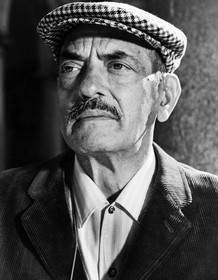
Luis Buñuel
Made by

Producciones Barbachano Ponce
Where to Watch Nazarin
See current US streaming, rental, and purchase options for Nazarin (1959) via JustWatch.

Streaming availability powered by 
Nazarin Plot Summary
Read the complete plot summary and ending explained for Nazarin (1959). From turning points to emotional moments, uncover what really happened and why it matters.
Padre Nazario, Francisco Rabal, is a quiet, temperate priest who lives in a modest hostel and distributes what little he has, even when his own safety is at stake. He moves through his days with a steady kindness, offering understanding to those who cross his path, including Beatriz, Marga López a woman tormented by psychotic episodes after being abandoned by her lover Pinto. Nazario treats her with patience and tries to ease the burden she carries, never rushing to judgment.
Andara, Rita Macedo, a prostitute, storms into Nazario’s room seeking shelter after a confrontation has left her wounded and having murdered another prostitute. He withholds judgment and helps her hide, while gently guiding her to face her own guilt. Andara’s fear and guilt intensify when she hallucinates a laughing portrait of Jesus Christ, a moment that unsettles Beatriz as well. The hostel’s proprietor soon learns of Andara’s stay and demands that she be kept out of sight, trying to erase any trace of her presence. Yet Andara’s stay is short-lived: after Nazario leaves, she sets the room on fire and escapes into the night.
With the priest drawn into trouble with both secular authorities and the church, Nazario faces investigation and potential loss of his priestly standing. Having nothing of his own—everything having been taken or given away—he abandons his priestly garb, takes on plain clothes, and wanders the country begging for food. He encounters a construction crew and offers to work in exchange for his meals, but the other laborers resent his presence, feeling he undercuts them and displaces them in their own work. They ultimately shun him, and Nazario leaves with nothing. Misunderstandings about his motives intensify tensions, culminating in a violent clash between workers and their foreman.
As if by a miracle, Nazario encounters Beatriz again in a different town. He reveals that his possessions were stolen, and she guides him to Andara, who lives with her, and to a sick girl whose mother pleads for a cure. Nazario suggests a physician rather than a miracle, yet he prays with them, and the fever subsides. Andara and Beatriz grow convinced that Nazario is a miracle-worker, even as he protests, and they follow him despite his attempts to steer them away. In one episode, he helps a party whose horse has a broken leg, and tensions arise when a Colonel berates a peasant for not saluting. Nazario’s quiet defense of the peasant earns him contempt from the Colonel, who tries to draw a gun, only to be restrained by Nazario’s restraint and the perception that the priest should be left alone.
Their pursuit continues to a plague-ridden village, where Nazario’s aid is rejected by a dying woman who clings to her husband’s ministrations rather than his. The experience leaves Nazario feeling like a failure, a weight that presses on his conscience and faith.
A midget professes love for Andara, while Pinto reappears and accuses her of being “the priest’s lover,” pressuring her to leave with him. Nazario reminds her that she struggles with Satan but should resist, and she asks how he knew something was wrong. He replies with quiet certainty: “It’s not guessing; it’s knowing.” Andara presses on, insisting they flee together, but Nazario warns that only thieves flee and that the divine will not abandon them. Beatriz proclaims her trust in him and even quotes a Bible line: “If I can carry your load on my back, I will.” Andara counters, accusing Nazario of favoring Beatriz, while he maintains that his love extends to both in a Christian sense.
Caught by a search party, Andara and Nazario are arrested. Beatriz pleads for his release, and Pinto informs Beatriz’s mother that she should depart with him. Beatriz sings Nazario’s praises, prompting her mother to respond that Beatriz loves Nazario “like a man,” a remark that pushes Beatriz into another psychotic episode. Nazario’s cellmates taunt and assault him, and he experiences a devastating crisis of faith, crying out a torrent of feelings about forgiveness and guilt. A fellow prisoner intervenes, and Nazario gives him some of his money.
The authorities declare Nazario insane and disobedient, and as he is led away, Pinto and Beatriz pass by without recognizing him. A final moment on the road finds Nazario face to face with the world again, receiving a pineapple from a passing fruit seller. He initially refuses, then accepts, murmuring, “May God repay you,” before he is led away, overwhelmed and distraught.
“For the first time in my life, I find it hard to forgive. But I forgive you. It is my Christian duty. But I also scorn you! And I feel guilty, not knowing how to separate scorn from forgiveness.”
In the end, Nazario’s journey is one of humility, doubt, and perseverance—a man of faith who continually confronts moral ambiguity, tries to do right by those in distress, and bears the weight of the world’s judgments while searching for a higher understanding of mercy.
Nazarin Timeline
Follow the complete movie timeline of Nazarin (1959) with every major event in chronological order. Great for understanding complex plots and story progression.
Nazario shelters Andara and faces a moral dilemma
Nazario takes Andara into his hostel room, refuses to condemn her, and helps conceal the aftermath of her crime. He speaks with quiet compassion and guides her toward awareness of sin rather than judgment. Andara hallucinates that a portrait of Jesus Christ is laughing at her, intensifying the tension in the room.
Andara starts a fire after Nazario leaves
Andara, in a panic, sets the room ablaze after Nazario leaves and escapes the hostel. Nazario learns of the fire and becomes entangled in the consequences of harboring a fugitive. The incident draws attention from authorities and the church.
Nazario becomes a wanderer with no possessions
With the law and church closing in, Nazario abandons his possessions and wanders the countryside begging for food. He sheds his robes and adopts plain clothes, wandering as a nameless traveler. His new anonymity does not stop people from misunderstanding his motives.
Nazario is rejected by a construction crew
Seeking shelter, he offers to work for food with a construction crew. The workers resent him for undercutting them and reject his help, leaving him to continue wandering with nothing. The tension among the crew culminates in a fight between the workers and the foreman.
Beatriz and Andara reappear with a sick girl
As if by a miracle, Nazario meets Beatriz again in another town. Beatriz leads him to Andara, who is living with her, and to a sick girl whose mother pleads for a cure. Nazario explains that his possessions were stolen, and Beatriz and Andara press him to help.
A fever subsides after Nazario prays
At the sick girl's home, the mother begs Nazario to cure her child with a miracle. Nazario suggests a doctor but offers to pray instead. The fever subsides, and Andara and Beatriz begin to follow him as if he were a miracle worker.
Nazario confronts the Colonel on the road
On the road, Nazario stops to help a party whose horse has a broken leg. The Colonel yells at a peasant who does not salute, and Nazario criticizes the Colonel's rudeness. The Colonel tries to draw his gun, but the priest is stopped by others and is excused as a strange preacher.
Nazario faces failure in a plague village
In a plague-ridden village, Nazario's help is rejected by a dying woman who prefers her husband's ministrations. He is overwhelmed by a sense of failure in his mission. The moment tests his faith and resolve.
Pinto visits and Andara's conflict grows
A midget professes love for Andara, adding to the tensions around her. Pinto visits and accuses Andara of being the priest's lover, urging that she leave with him. Nazario tells her she is grappling with temptation but should resist.
Nazario speaks of knowing rather than guessing
Beatriz asks how Nazario could sense something was wrong, and he answers that it is not guessing but knowing. Andara accuses Nazario of preferring Beatriz, but he maintains a Christian love for both.
Andara and Nazario are arrested
Discovered by a search party, Andara and Nazario are arrested. Beatriz begs for his release while Pinto tells Beatriz's mother that Beatriz should go with him. Beatriz sings Nazario's praises and speaks of his miracles, triggering her mother's concern and a psychotic episode.
Nazario endures a crisis of faith in prison
Nazario's cellmates insult and assault him. He experiences a crisis of faith, shouting that he forgives but also feels scorn and guilt. A fellow inmate intervenes, and Nazario gives him his money.
Nazario is led away with a final act of charity
Nazario is accused of insanity and disobedience as he is led away. Pinto and Beatriz pass by without recognition. A final moment shows a pineapple offered by a passing fruit seller; he hesitates, accepts the charity, and says may God repay you before being taken away.
Nazarin Characters
Explore all characters from Nazarin (1959). Get detailed profiles with their roles, arcs, and key relationships explained.
Father Nazario (Francisco Rabal)
A priest living in a hostel who is quiet and temperate, he distributes his money and shows compassion to the vulnerable. His tolerance for sin and suffering draws him into conflict with both secular authorities and church discipline. As his acts of mercy escalate, he wanders the countryside in plain clothes, misunderstood by many yet driven by a steadfast faith.
Beatriz (Marga López)
Beatriz is abandoned by her lover and suffers psychotic episodes and suicidal thoughts. She is drawn to Nazario's presence and becomes emotionally dependent, even as she wavers between hope and madness. Her interactions with Nazario and Andara reveal the fragility of love and the peril of seeking miracles in desperate times.
Andara (Rita Macedo)
A prostitute who seeks shelter in Nazario's room after a murder. She hallucinates a laughing portrait of Jesus and is ultimately drawn into Nazario's world, with the room set ablaze as she escapes. Her arc explores guilt, fear, and the blurred line between salvation and self-destruction.
Pinto (Noé Murayama)
Beatriz's former lover who returns to exert influence over her life. He accuses Beatriz of being Nazario's lover and pressures her to leave, representing the coercive force of past relationships and social reputation over the vulnerable.
Lucía (Pilar Pellicer)
An uncredited character who appears in the towns Nazario passes through. Her presence signals the spread of Nazario's influence through ordinary lives, even if the details remain peripheral to his central mission.
Nazarin Settings
Learn where and when Nazarin (1959) takes place. Explore the film’s settings, era, and how they shape the narrative.
Location
Mexico (rural towns, hostel, countryside)
The story unfolds across a network of small Mexican towns and a transient hostel, highlighting a landscape of modest houses and dusty streets. The setting emphasizes social margins, poverty, and communal life where charity and judgment collide. Roads, hostels, and village squares frame Nazario's wanderings as he tries to live his creed among wary communities.
Nazarin Themes
Discover the main themes in Nazarin (1959). Analyze the deeper meanings, emotional layers, and social commentary behind the film.
🕊️
Compassion
Nazario treats sinners with mercy rather than judgment, offering shelter and help even when it costs him. His unselfish compassion contrasts with the town's suspicion and the church's strictures. The film uses Nazario's gentle acts to question what true charity requires. Yet the consequences show that mercy can lead to conflict with authorities and society.
🙏
Faith vs Doubt
Nazario's faith guides his actions, but his beliefs are tested by accusations and the social order. The pursuit by authorities and the community's skepticism reveal the fragility of spiritual authority. Beatriz and Andara interpret Nazario's presence as miraculous, complicating his role. The film suggests that faith is both a solace and a magnet for controversy.
🕯️
Miracle vs Perception
Andara's visions and the sick girl's fever subsiding appear as miracles. Nazario cautions against superstition while others attribute magic to him. The portrayal critiques how communities use miracles to control and shape behavior. Nazario's insistence on humility and prayer highlights a tension between belief and empirical reality.
🧭
Morality and Integrity
Nazario renounces possessions and wealth, walking with the poor and suffering the consequences. Societal norms—ownership, status, and obedience to authority—challenge his ethics. The narrative places him among different social classes, from peasants to colonels, testing the universality of moral ideals. Ultimately, Nazario's struggle raises questions about forgiveness, judgment, and the cost of living one's creed.

Coming soon on iOS and Android
The Plot Explained Mobile App
From blockbusters to hidden gems — dive into movie stories anytime, anywhere. Save your favorites, discover plots faster, and never miss a twist again.
Sign up to be the first to know when we launch. Your email stays private — always.
Explore the mobile appNazarin Spoiler-Free Summary
Discover the spoiler-free summary of Nazarin (1959). Get a concise overview without any spoilers.
In the heat‑baked landscape of rural Mexico, a quiet Catholic priest abandons the cloistered walls of his modest hostel and sets out on a lone pilgrimage. The film opens with an atmosphere of stark beauty, where cracked earth and distant horizons echo the inner desolation of a man forced into self‑exile after a secret he cannot bear has placed him at odds with both the secular and ecclesiastical authorities. The journey is less about reaching a destination and more about walking through a world that tests the limits of faith, compassion, and personal humility.
Padre Nazario is a man of gentle temperament, whose daily routine has long been marked by quiet generosity—offering what little he has to strangers, listening without judgment, and bearing the burdens of those who cross his path. His decision to leave the priestly habit for plain clothes underscores a profound internal crisis, as he trades ritual for the raw, unpredictable demands of the road. The tone remains contemplative, framed by the sun‑lit dust of villages, the muted chatter of markets, and the distant toll of church bells that seem both comforting and accusatory.
Along the way he encounters Beatriz, a tormented woman whose fragile psyche hints at a painful past, and Andara, a desperate figure seeking shelter while wrestling with guilt. Their interactions are suffused with a delicate blend of hope and sorrow, each character embodying a different facet of the human condition that Padre Nazario strives to soothe. The relationships are rendered with a lyrical tenderness, suggesting that miracles may reside not in grand signs but in simple acts of listening and shared silence.
The film’s mood is one of restrained melancholy tinged with moments of unexpected grace. It invites the viewer to contemplate the weight of mercy in a world that offers no easy absolution, while the endless Mexican countryside becomes a silent witness to a pilgrimage that is as much an inward reckoning as it is a physical trek.
Movies with Similar Twists and Themes
Uncover films that echo the narrative beats, emotional arcs, or dramatic twists of the one you're exploring. These recommendations are handpicked based on story depth, thematic resonance, and spoiler-worthy moments — perfect for fans who crave more of the same intrigue.







Featured on this page

What's After the Movie?
Not sure whether to stay after the credits? Find out!
Check out our other apps:

SAT Sphere
Build confidence for the Digital SAT.

Mori Atlas
Discover wild places worth protecting.

Luntero
Search smarter for a home in Amsterdam.

Plot Explained
Unravel movie endings and hidden clues.

Pokechamp
Dive into Pokémon data and battle logic.

Driving Theory
Get ready for your European theory test.

Movie Dust
Plan your next cinema trip with ease.

Musemap
Find art and culture as you travel.

Selkobase
Compare credentials before committing.

Local Manual
Turn an unfamiliar country into practical next steps.

Lernavi
Compare school systems before your next move.

GymRoam
Find a workout stop wherever your plans take you.
Explore Our Movie Platform
New Movie Releases (2026)
Famous Movie Actors
Top Film Production Studios
Movie Plot Summaries & Endings
Major Movie Awards & Winners
Best Concert Films & Music Documentaries
Movie Collections and Curated Lists
© 2026 What's After the Movie. All rights reserved.
Privacy Policy