
Naughty Neighbors 1939

Made by
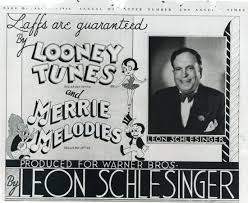
Leon Schlesinger Productions
Naughty Neighbors Plot Summary
Read the complete plot summary and ending explained for Naughty Neighbors (1939). From turning points to emotional moments, uncover what really happened and why it matters.
In this playful Romeo-and-Juliet-meets-the Hatfields-and-MeCoys short, the story unfolds in the supposed serenity of the “quiet hills of old Kaintucky” where, as the opening narration claims, the hill folk live in peace and harmony. This idyllic setup is quickly subverted by a rapid glimpse of chaos on a battlefield, signaling that harmony may be more illusion than reality. The very first scene montage juxtaposes a front page from the Ozark bazooka, which proclaims that the leaders of the rival clans have signed a non-aggression pact, with glimpses that contradict the serene Kentucky image—subtly hinting at a world where appearances mislead. The piece even flirts with anachronisms, showing newspaper clips that include references to the Brooklyn Dodgers defeating the New York Yankees and weather notes mentioning “warmer bros,” artifacts that vanished from some syndicated airings, adding a wink of meta-commentary to the film’s playful strangeness.
The two leads are introduced with a buoyant musical number that imagines a future free from feuds. The energy is infectious as they sing about ending the fighting and embracing a new friendship. The two leads, Porky Pig and Petunia Pig, appear to be the only members of their respective clans who share a genuine affinity, while the rest of their kin belong to a mix of species—chickens, ducks, and geese—emphasizing the cartoonish, multicolored chaos around them. The optimism in their bond is clear, yet the chorus of eyes from the other clan members tells a far different story.
As the song continues, a quiet skepticism threads through the scenes. A black duck from the McCoy side speaks in calm, almost clinical, terms to a white duck from the Martin clan, noting that after years of shooting at each other, finding true friendship is hard to believe. Their shared exasperation culminates in the blunt verdict: “It’ll never work.” The visual storytelling reinforces this tension: a pair of ducks from opposing clans glide into a graceful minuet, only to break their dance in a burst of conflict, underscoring the fragile truce that hangs over the two houses. Across the landscape, people who pretend to be friends are shown plotting and taking actions that edge closer to harm, painting a picture of a peace that is more performative than real.
The peace audience quickly dissolves into open conflict. The countryside is mobilized for war as old grudges flare back to life. In the midst of this escalating madness, Porky unveils a quirky and unforgettable countermeasure: a secret weapon he calls the “Feud Pacifier.” Resembling a hand grenade adorned with heart motifs pierced by arrows, the device is tossed into the battlefield with a twist of whimsy and whimsy’s consequence. The fury of battle abruptly softens as the pacifier’s magic takes hold: several combatants transform into maypole dancers, others drift into playful scenes of marbles and embraces, and the entire mood of the conflict shifts from hostility to ritualized celebration. The film threads a delicate comedy through this surreal reversal, turning what should be a violent standoff into a pastoral, almost dreamlike romantic vignette.
As the pacifier’s magic radiates outward, the line between friend and foe blurs, and the narrative leans into a fantastical reconciliation. The finale echoes a bucolic, tender romance, where the battlefield softens into a landscape of shared songs and gentle, communal joy. The transformation at the story’s core reveals a desire for harmony that supersedes the long years of feud, even if the path to lasting peace remains as precarious and paradoxical as the opening montage suggested.
Throughout, the film balances slapstick energy with a sly commentary on truces and popularity, using bold visuals and moments of exaggerated sentiment to keep the tone light and accessible. The cast’s vocal performances—anchored by the iconic voices of Porky Pig and Petunia Pig—provide a warm, satirical heartbeat to the piece, while the narrative winks at the tensions between performance and reality in peacemaking. If you lean into the whimsy, the story rewards with a message about how peace can begin with a single, absurd act of goodwill that catches fire in the hearts of the participants and transforms the world around them, even if that world remains a little chaotic, a little ridiculous, and absolutely charming.
Naughty Neighbors Timeline
Follow the complete movie timeline of Naughty Neighbors (1939) with every major event in chronological order. Great for understanding complex plots and story progression.
Opening montage: Pact and paradox
The film opens with the Ozark bazooka newspaper front page announcing a non-aggression pact between the rival clan leaders. This peaceful image is immediately undercut by a fleeting view of a chaotic battle and contradictions about Kentucky's geography. Some clips, including newspaper references to the Dodgers-Yankees game and weather notes, are later removed in certain syndicated airings.
Two leads are introduced and sing
The two leads are introduced atop a hill, singing an idealistic song about ending the fighting and starting a new friendship. Their genuine warmth suggests a potential thaw, even as others remain skeptical. Porky's line 'Now we're pally-wallies' caps the moment with naïve optimism.
Clans revealed as mixed species
The clans' members are depicted as a mix of animals—chickens, ducks, and geese—emphasizing a whimsical sense of unity. Porky and Petunia are revealed as the only pigs among them. This fusion of species sets the tone for a fragile peace that covers a volatile feud.
Skepticism voiced
A black duck from the McCoy clan tells a white Martin duck that after years of shooting, friendship seems impossible. They both declare it'll never work.
Minuet interrupted
Two ducks from rival clans dance a graceful minuet, a fragile display of harmony. The moment is interrupted by a sudden fight, underscoring how fragile peace remains.
Faux friendship and danger
A montage shows people pretending to be friends while secretly trying to kill one another. The tension hints at an unstable peace that could crumble at any moment.
Covert aggression escalates
Covert aggression gives way to open hostilities as the two clans prepare for war. The entire countryside mobilizes for battle, signaling a full-blown conflict.
Feud Pacifier unleashed
Porky unveils a secret weapon, the Feud Pacifier, a grenade-like device decorated with hearts pierced by arrows. He throws it into the battlefield, triggering a cascade of unexpected transformations.
Peaceful transformations erupt
The pacifier causes many combatants to lay down weapons and become maypole dancers. Others start playing marbles or embracing, indicating a sudden shift to peaceful games and affection. The battlefield itself softens into a pastoral backdrop for reconciliation.
Finale as pastoral romance
The final scenes settle into a pastoral romance, with feuding factions embracing in a serene countryside. Peace is celebrated as the landscape becomes a stage for harmony rather than war.
Optimism vs. enduring trust
The two leads remain hopeful that their friendship can outlast the feud, even as skepticism lingers among others. The film keeps insisting that lasting peace requires trust beyond the pair, not just a signed pact.
Opening montage edits and syndication note
The summary notes that several opening clips, including the newspaper montage and certain geographic references, were removed in some syndicated airings. This edit emphasizes how presentation shapes memory of the story's contradictions.
The odd alliance of Porky and Petunia
The film highlights Porky and Petunia as the unlikely linchpins of peace in the two clans. Their partnership anchors the message that peace can bloom in the most surprising places.
Naughty Neighbors Characters
Explore all characters from Naughty Neighbors (1939). Get detailed profiles with their roles, arcs, and key relationships explained.
Porky Pig (Mel Blanc)
Porky is the optimistic, peace-seeking lead who believes in ending the feud. He develops a 'Feud Pacifier' to interrupt hostilities, showing resourcefulness paired with naïve faith in friendship. His cheerful persistence drives the plot toward a hopeful, if fragile, resolution.
Petunia Pig (Bernice Hansen)
Petunia stands as the other lead, sharing Porky's hope for peace and offering warmth and support. She participates in the hopeful duet and helps navigate tensions between clans, underscoring that compassion can soften even long-standing enmity.
Naughty Neighbors Settings
Learn where and when Naughty Neighbors (1939) takes place. Explore the film’s settings, era, and how they shape the narrative.
Location
Kentucky, Ozarks
The story unfolds in a rural, hilly landscape inspired by Kentucky and the Ozarks, blending pastoral charm with a volatile feud. The setting emphasizes small-town dynamics where neighbors are divided by clan loyalties yet share common community spaces. The visuals juxtapose idyllic countryside with sudden outbursts of conflict, driving the cartoon's humor and satire.
Naughty Neighbors Themes
Discover the main themes in Naughty Neighbors (1939). Analyze the deeper meanings, emotional layers, and social commentary behind the film.
🕊️
Feud and Peace
A comic tragedy centers on ending the long-running feud between rival clans. The two leaders are earnest in their peace efforts, but distrust lingers among the broader group. The Feud Pacifier becomes a literal and metaphorical spark for peaceful, playful behavior, although harmony remains fragile. The ending leans into a pastoral romance, suggesting peace is possible but not guaranteed.
💘
Solidarity and Love
Porky and Petunia embody a hopeful bond that softens hostility and inspires cooperation. Their duet about ending the fighting contrasts with the clans' entrenched rivalries, highlighting how affection can bridge divides. The romance element threads through the narrative, turning conflict into a shared aspiration. Love becomes an unlikely catalyst for unity.
🎭
Humor as Change
Humor drives the film's critique of violence, using cartoon absurdity to transform combatants into peaceful, playful figures. The Feud Pacifier's magic converts would-be fighters into maypole dancers and dancers into lovers, illustrating how whimsy can disrupt entrenched hostility. The film suggests transformation comes from laughter and imagination as much as instruction.

Coming soon on iOS and Android
The Plot Explained Mobile App
From blockbusters to hidden gems — dive into movie stories anytime, anywhere. Save your favorites, discover plots faster, and never miss a twist again.
Sign up to be the first to know when we launch. Your email stays private — always.
Explore the mobile appNaughty Neighbors Spoiler-Free Summary
Discover the spoiler-free summary of Naughty Neighbors (1939). Get a concise overview without any spoilers.
In a brightly colored slice of the “quiet hills of old Kaintucky,” two sprawling clans— the Martins and the McCoys—have turned every ridge and valley into a stage for an age‑old rivalry. The world is rendered in a lively, cartoon‑ish palette where chickens, ducks, geese and other critters mingle with the more familiar faces, giving the setting a playful, almost surreal quality. The atmosphere hums with a jaunty musical sensibility that undercuts the ever‑present tension, making the clash feel as much a comedy of errors as a long‑standing feud.
At the heart of this comedic tug‑of‑war are Petunia Pig and Porky Pig, the only members of their respective families who seem to share a genuine spark of goodwill. Their personalities shine through catchy verses and buoyant choreography, offering a glimpse of hope that the endless back‑and‑forth might finally give way to something softer. While their kinfolk watch with wary eyes, the duo’s optimism is both infectious and precarious, casting a bright, if tentative, light on a landscape accustomed to conflict.
The film balances its slap‑stick energy with a sly, self‑aware commentary on the nature of truces. As the two lovers attempt to broker a cease‑fire, the audience senses that the peace may be more performance than permanence, hinting at the fragile line between harmony and chaos. The tone stays light‑hearted and whimsical, inviting viewers to wonder whether a single shared song can truly bridge the deep‑rooted animosities of an entire community.
Movies with Similar Twists and Themes
Uncover films that echo the narrative beats, emotional arcs, or dramatic twists of the one you're exploring. These recommendations are handpicked based on story depth, thematic resonance, and spoiler-worthy moments — perfect for fans who crave more of the same intrigue.


Featured on this page

What's After the Movie?
Not sure whether to stay after the credits? Find out!
Check out our other apps:

SAT Sphere
Build confidence for the Digital SAT.

Mori Atlas
Discover wild places worth protecting.

Luntero
Search smarter for a home in Amsterdam.

Plot Explained
Unravel movie endings and hidden clues.

Pokechamp
Dive into Pokémon data and battle logic.

Driving Theory
Get ready for your European theory test.

Movie Dust
Plan your next cinema trip with ease.

Musemap
Find art and culture as you travel.

Selkobase
Compare credentials before committing.

Local Manual
Turn an unfamiliar country into practical next steps.

Lernavi
Compare school systems before your next move.

GymRoam
Find a workout stop wherever your plans take you.
Explore Our Movie Platform
New Movie Releases (2026)
Famous Movie Actors
Top Film Production Studios
Movie Plot Summaries & Endings
Major Movie Awards & Winners
Best Concert Films & Music Documentaries
Movie Collections and Curated Lists
© 2026 What's After the Movie. All rights reserved.
Privacy Policy