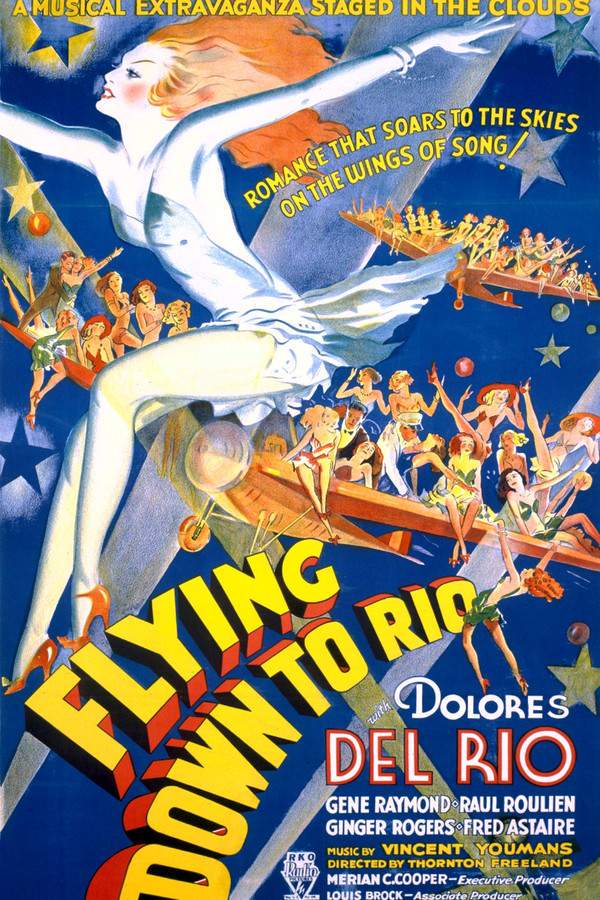
What Is Nancy Goes to Rio About?
The premise of Nancy Goes to Rio in 273 words, with nothing given away. The full story follows below.
In a sun‑splashed Easter celebration that bursts with Technicolor sparkle, the film drifts between the glittering lights of Broadway and the rhythmic pulse of Rio de Janeiro. The musical’s world is alive with lavish sets, breezy samba numbers, and a playful sense that every song could be a confession or a challenge. Against this vibrant backdrop, the story centers on a single, coveted singing role that promises to launch a career into stardom.
Frances Elliott is a seasoned actress whose name still commands respect in the theater world, and she carries the poise of decades on stage. Her seventeen‑year‑old daughter, Nancy Barklay, is an eager youngster who has inherited her mother’s talent but longs to step out of the shadow and claim her own spotlight. Both women find themselves drawn to the same coveted part, setting the stage for a tender yet spirited rivalry that blends admiration with a dash of competitive fire.
Enter Ricardo Domingos, a charismatic Brazilian playwright whose vision for the new production promises fresh energy and international flair. His magnetic presence catches the eye of both mother and daughter, adding a romantic undercurrent to their professional contest. Alongside them, Paul Berten, a suave businessman with a protective streak, and Marina Rodrigues, a vivacious confidante, pepper the narrative with humor and wise counsel, enriching the ensemble’s dynamic.
The tone is buoyant and witty, weaving together bright musical numbers with the everyday intricacies of a mother‑daughter relationship. As the auditions loom, the film teases the audience with the promise of dazzling performances, playful misunderstandings, and a heartfelt exploration of ambition, love, and the bonds that both bind and set us free.
What Happens in Nancy Goes to Rio?
The complete story of Nancy Goes to Rio, from the first scene to the last, in 995 words (about 4 minutes). Spoilers throughout. Names in the text link to 6 cast member pages.
Spoilers ahead
On the closing night of a Broadway play, the leading actress Frances Elliott Ann Sothern hosts a glamorous party that buzzes with chatter and glossy theater chatter. The guest list glitters with a mix of perfume and nerves: her eccentric father Gregory Elliott Louis Calhern, a veteran actor with a wary eye on every new role, and her seventeen-year-old daughter Nancy Barklay Jane Powell, an aspiring actress eager to prove herself. Brazilian playwright Ricardo Domingos Fortunio Bonanova arrives with a calm confidence, already weighing Frances as a potential star for his next project. The gathering also hints at business and romance, as a practical businessman, Paul Berten Barry Sullivan, moves through the room with a quiet smile, while Marina Rodrigues Carmen Miranda lends a lighthearted warmth to the affair. The mood is a delicate blend of dreams, doubts, and the sheer pressure of Hollywood and Broadway colliding at a single, luminous moment.
From the moment the party begins, the looming question of the next production casts a subtle shadow over every conversation. Ricardo, though publicly gracious, privately tells Frances’ producer that while Frances is a strong possibility, he has a younger, perhaps more suitable actress in mind for the role. He chooses his words carefully, leaving the door open to a change in plans that could upset the mother-daughter balance that already feels precarious. Then, when Ricardo meets Nancy, his eyes light up with the certainty that he has found the exact girl to carry his next work—an impression that instantly unsettles Frances, who has counted on the part to anchor her own stage career and reputation.
The next day, the group’s journey veers toward the tropics as Frances sails for Rio de Janeiro, determined to devote herself to study and the sea-air that might sharpen her performance. Gregory accompanies her, a protective presence that oscillates between fatherly pride and old-world vanity. Nancy, meanwhile, heads to Connecticut to participate in a small stock company production, her own hopes stoked by the sight of a path that could diverge from her mother’s shadow. Yet the drama aboard the ship is not far behind: Paul overhears Nancy rehearsing her lines and misreads the scene as a desperate, pregnant wife in a desertion scenario. He feels a stirring sense of obligation and moves to help, enlisting his business partner Marina to guide the young actress through the choppy waters of acting, romance, and misperceived motives.
Nancy, unaware of Paul’s protective concern, misreads his attentions as a marriage proposal, a misunderstanding that sets the course for a comic, ironic tangle. She gently declines, and when the ship reaches Rio, their paths diverge more than they converge. A brief reunion with Frances confirms the tension: Nancy discovers that her mother and the older generation have been quietly pursuing the same part, both drawn to Ricardo’s project, and this shared ambition knocks her off balance. In a moment of teenage honesty and motherly pride, Nancy decides to bow out of the play she had thought would be her breakout, choosing to avoid confessing that she was originally set to star in Ricardo’s production. Instead, she claims a different project, insisting that her plans have shifted in a new direction.
Yet the story deepens in the shadows of misunderstandings. Nancy’s attempt to reconnect with Paul leads to a muddled exchange in which he remains puzzled by her behavior and the way she projects a future filled with expectations she cannot yet name. He believes she is pregnant and seeks to guide her through a difficult, emotionally charged moment by sending her home to speak frankly with her mother. Nancy misreads his intent once again, assuming he wants her to discuss an impending marriage, a misread that only fuels the tension between two generations navigating love, ambition, and the burden of parental expectations.
Marina, ever the social foil and practical confidante, becomes the voice of clarity in private, revealing that Nancy’s crisis—though real to her—has little to do with pregnancy and much more with the confusion of growing up under the shadow of a famous parent. This revelation reaches Frances, who, through a combination of misinterpretation and later insight, begins to grasp the difference between a mother’s hopes and a daughter’s needs. When the truth finally unravels, Paul discloses that he had merely met Nancy on the boat and felt a paternal concern for her well-being, not a betrothal or a marriage plan. Gregory, with his seasoned wisdom, pieces together the mosaic of events and explains the misunderstanding to Frances, clearing the air with a calm, paternal gravity.
What follows is a quiet, buoyant reconciliation that finds its own rhythm. Frances, shaken but moved by Paul’s genuine warmth and empty-handed honesty, reconsiders her initial judgments and accepts a new sense of romance and possibility. The two embark on a tentative but hopeful romance, founded on mutual respect and a better understanding of each other’s ambitions. Frances chooses to withdraw from Ricardo’s play, not out of spite, but to clear space for Nancy to step into the role that could define her daughter’s career. In a gesture that resolves the central conflict with grace, Frances recommends Nancy as her replacement, recognizing that the younger actress may bring a fresh energy to the production that could equally honor the author’s vision.
As the curtain rises in New York, the dynamic shifts into a satisfying, celebratory finale. Nancy takes the lead on stage, stepping into the spotlight with a blend of youthful verve and the discipline she has learned from watching her mother and Ricardo’s process. The collaboration among the characters—Frances’s evolved understanding of love and career, Nancy’s emergence as a capable star, Paul’s steady, if mistaken, concern, and Marina’s steady, practical guidance—converges into a warm, uplifting end that signals a bright future for all involved. The film closes on a note of backstage harmony meeting front-stage triumph, with the ensemble’s hopes aligned and a new generation ready to claim the stage with confidence and grace.
Nancy Goes to Rio Timeline: Every Key Event in Order
13 key events in the order they happen, from “Closing night party at the Broadway theater” to “Opening night: Nancy leads the show”. 13 events name a place, across 10 locations.
- 1
Closing night party at the Broadway theater
Frances Elliott hosts a party after the closing night of a Broadway play. The guest list includes her eccentric father Gregory, her seventeen-year-old daughter Nancy, and Ricardo Domingos, who is considering Frances for his next play. The atmosphere blends celebration with hints of professional tension about the upcoming casting.
When:Closing night Where:Broadway, New York
- 2
Ricardo privately questions Frances; sees potential in Nancy
Frances pursues the part in Ricardo's play, hoping to star. Ricardo privately tells Frances' producer that she may not be right for the role and that he had a younger actress in mind. Later, when he meets Nancy, he instantly knows she could be the perfect choice.
When:Following the party Where:Private meeting with producer; later encounter with Nancy
- 3
Next day, Frances sails to Rio; Ricardo offers the role to Nancy
The next day Frances departs for Rio de Janeiro to study and prepare. Gregory accompanies her, while Nancy heads to Connecticut for a small stock company engagement. Ricardo observes Nancy's acting and offers her the role he promised Frances.
When:The following day Where:Rio de Janeiro voyage; on the way to Rio
- 4
Nancy accepts the role, unaware Frances already promised it to her
Nancy accepts Ricardo's offer, excited for her opportunity. She does not know that Ricardo has already promised the part to Frances. The news sets the stage for a tense cross-generational casting conflict.
When:Soon after the offer Where:Rio de Janeiro
- 5
Nancy follows Frances to Rio to study quietly
Seeking the quiet to study her lines, Nancy follows her mother and her grandfather to Rio. The two women prepare for the same coveted role, heightening the looming competition between them. The arrangement foreshadows the personal and professional clashes to come.
When:Upon arrival Where:Rio de Janeiro
- 6
On board ship, Paul overhears Nancy
On board the ship to Rio, businessman Paul Berten overhears Nancy rehearsing and misreads the scene as a deserted wife and an expectant mother. He enlists his partner Marina Rodrigues to counsel the young actress, setting up a romantic misunderstanding to follow.
When:En route to Rio Where:On the ship
- 7
Nancy rejects Paul's assumed proposal
Nancy mistakes Paul's paternal concern for a marriage proposal and rejects it, bidding him farewell when the ship reaches Rio. The misinterpretation sows confusion about her personal life while she focuses on the acting opportunity. Paul remains perplexed by her reaction.
When:Arrival in Rio Where:Rio de Janeiro
- 8
Mother and daughter realize they're after the same role
Back with Frances in Rio, Nancy overhears Frances rehearsing and realizes they are studying for the same part. Devastated, Nancy bows out of the role and tells Frances she will join a different production, without revealing she was set to star.
When:Shortly after arrival Where:Rio de Janeiro
- 9
Nancy confronts Paul; misunderstandings deepen
Nancy visits Paul at his office and tries to accept the marriage proposal she thinks he offered. Paul is perplexed by her behavior and sends her home to talk with her mother, but Nancy misreads him and believes they should discuss an impending marriage with Frances.
When:After arrival Where:Paul's office; home
- 10
Marina fuels the pregnancy rumor
Marina follows Nancy to Frances's house and privately relays the supposed pregnancy. Frances, hearing the tale, misinterprets the situation and believes Nancy is pregnant by Paul, deepening the mother-daughter rift.
When:Soon after Where:Frances's house
Show the other 3 events of Nancy Goes to Rio Hide the last 3 events
- 11
Confrontation reveals feelings; Gregory explains the truth
Frances demands a private meeting with Paul, and he reveals his romantic interest. Frances initially leaves in disgust, but Paul then informs Gregory that he had only just met Nancy on the boat. Gregory recognizes the ridiculous predicament and explains the truth to Frances.
When:Before engagement Where:Frances's home; Gregory's perspective
- 12
Frances reforms her view and the romance begins
Upon learning the truth about Paul, Frances changes her opinion and they begin a romance. She announces her engagement to Paul and withdraws from Ricardo's play, suggesting Nancy as her replacement.
When:Pre-opening Where:Rio de Janeiro / New York
- 13
Opening night: Nancy leads the show
The plan culminates in the Broadway opening in New York, with Nancy starring in the lead role Frances had vacated. The film closes on a happy note as the family unit supports Nancy's triumph and the couple's romance.
When:Opening night Where:New York, Broadway
Who Are the Main Characters in Nancy Goes to Rio?
6 characters, among them Frances Elliott (Ann Sothern), Nancy Barklay (Jane Powell) and Gregory Elliott (Louis Calhern): who each one is and the part they play in the story. Every profile links to the actor’s page.
- FE
Frances Elliott (Ann Sothern)
Played by Ann Sothern
A leading Broadway actress and mother who pursues the next big part while navigating her relationship with her daughter and a newfound romance. Her confidence gradually shifts as her professional ambitions collide with personal feelings, revealing a protective, pragmatic side beneath the glamour.
- 🎭 Drama
- 💕 Romance
- 👩🎤 Showbiz
- NB
Nancy Barklay (Jane Powell)
Played by Jane Powell
A seventeen-year-old aspiring actress who follows her own career path while being swept up in family dynamics and mistaken assumptions. She is talented and eager, yet inexperienced, leading to growth as she learns to assert her own voice in the shadow of her mother’s ambitions.
- 🎭 Drama
- 💃 Youth
- 🎶 Music
-
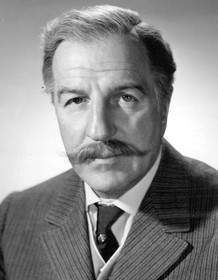
Gregory Elliott (Louis Calhern)
Played by Louis Calhern
Frances's eccentric father and actor, who acts as a foil and ally in equal measure. His theatrics hide a loving, protective nature, and his presence underscores the generational contrast within the family’s showbiz dreams.
- 🎭 Drama
- 👨👦 Family
- 🕴️ Stage
-
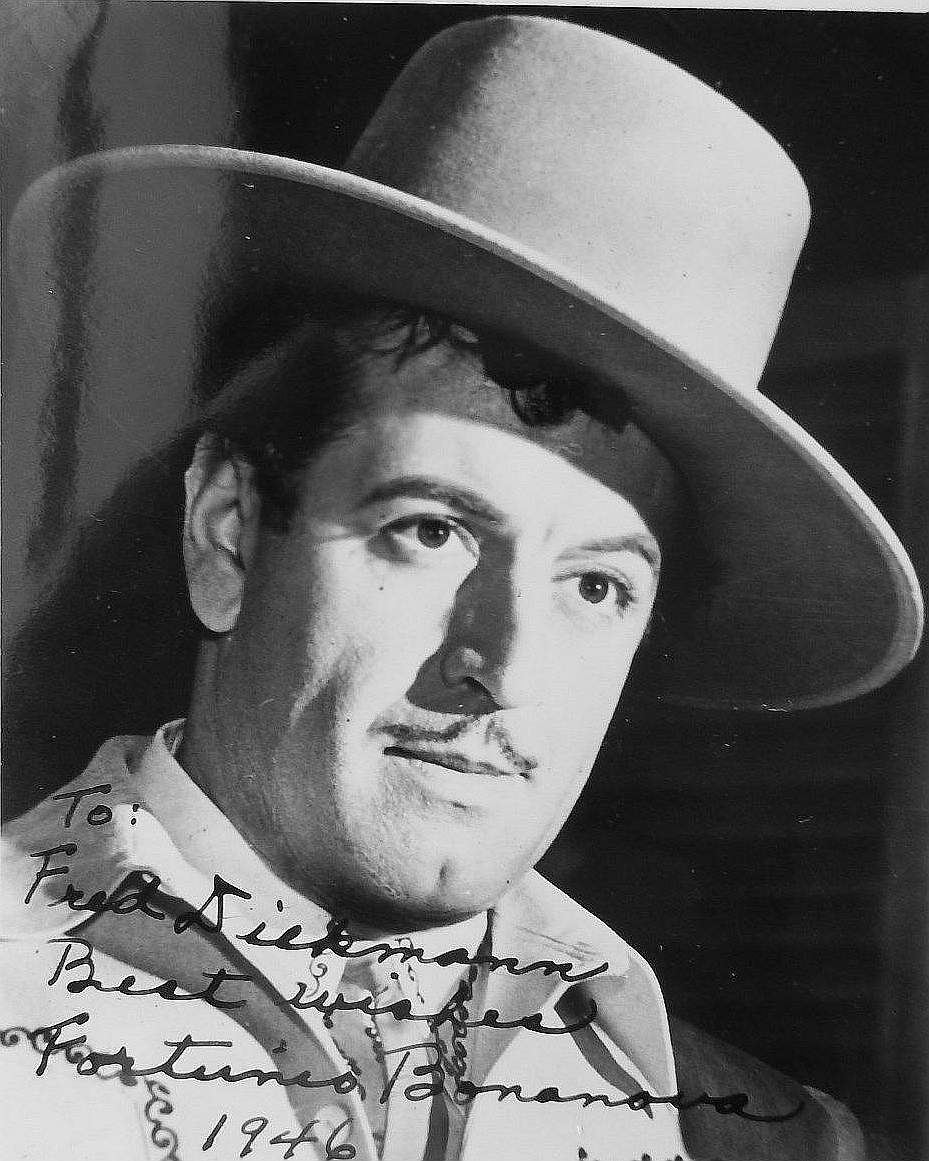
Ricardo Domingos (Fortunio Bonanova)
Played by Fortunio Bonanova
A Brazilian playwright who becomes a pivotal figure in who gets the next big role. His decisions set the stage for the family’s career path and the main conflict, highlighting the power dynamics in auditioning for a lead.
- 🎭 Drama
- ✍️ Writer
- 🌎 International
-

Paul Berten (Barry Sullivan)
Played by Barry Sullivan
A well-meaning businessman who helps Nancy, misreads her intentions, and becomes romantically involved with Frances after a series of misunderstandings. His actions trigger a shift in the women’s professional trajectories and personal relationships.
- 🎭 Drama
- 💼 Business
- 💘 Romance
- MR
Marina Rodrigues (Carmen Miranda)
Played by Carmen Miranda
A colorful confidante in Rio who coaches Nancy and serves as a practical intermediary in the romantic and career entanglements. Her lively charm reflects the film's tropical setting and theatrical humor.
- 🎭 Drama
- 🌺 Tropics
- 🗺️ Guide
Where and When Is Nancy Goes to Rio Set?
Nancy Goes to Rio is set in New York, Rio de Janeiro and Connecticut (1950s). Here is why the time and place matter to the story.
When
1950s
Set in the postwar era of American musical cinema, the plot unfolds in the early 1950s. It juxtaposes backstage Broadway life with glamorous international travel to Rio de Janeiro. The lighthearted tone reflects the era's studio filmmaking, romance, and musical performance.
Where
New York, Rio de Janeiro, Connecticut
The story begins during a Broadway party in New York, showcasing the glitter of a backstage world. The action then moves to Rio de Janeiro, where the actress and her daughter pursue a new role and navigate cultural settings. Between a ship journey and seaside locales, the film briefly touches Connecticut where Nancy pursues a stock company performance. The settings culminate with a New York opening, returning to the metropolis where the story started.
- 🎬 Broadway
- 🎭 Theater Life
- 🌍 Travel
What Are the Themes of Nancy Goes to Rio?
3 ideas the story keeps returning to, among them Romance, Showbiz and Miscommunication.
-
01
Romance
Romantic entanglements drive the plot, from Frances' pursuit of a relationship with Paul to the evolving mother–daughter dynamics over a shared professional goal. Misunderstandings fuel comic tension as love develops despite initial misreadings. The resolution hinges on honest communication and choosing love with professional aspirations.
-
02
Showbiz
The world of theater and film production frames the characters' ambitions. Auditions, stage roles, and the politics of casting create stakes that propel the plot. The story examines fame, artistic integrity, and the pressures of public performance.
-
03
Miscommunication
A cascade of misinterpretations about pregnancy, proposals, and intentions drives much of the comedy. Characters misread each other’s signals, leading to humorous conflicts between generations. Clarity finally arrives when truth and timing align, allowing relationships and casting to resolve.
What Kind of Film Is Nancy Goes to Rio?
Light in tone, with steady pacing and a moderate story, going by the plot summary.
- Tone
- Light
- Pacing
- Steady
- Story
- Moderate
- Intensity
- Low
- Ending
- Happy
A bright and cheerful Technicolor musical that delivers a lighthearted tale of mother-daughter rivalry and romantic mix-ups with a glamorous backstage setting and an ultimately warm, uplifting finale.
- glamorous
- bright
- comedic
- lively
- warm
- celebratory
- generational conflict
- mother-daughter relationship
- romantic misunderstanding
- backstage drama
Quiz
How well do you remember Nancy Goes to Rio? Test yourself on the story.
Where to Watch Nancy Goes to Rio
. US availability and prices from JustWatch.
Streaming availability in the US, powered by