
Going Hollywood 1933

Directed by
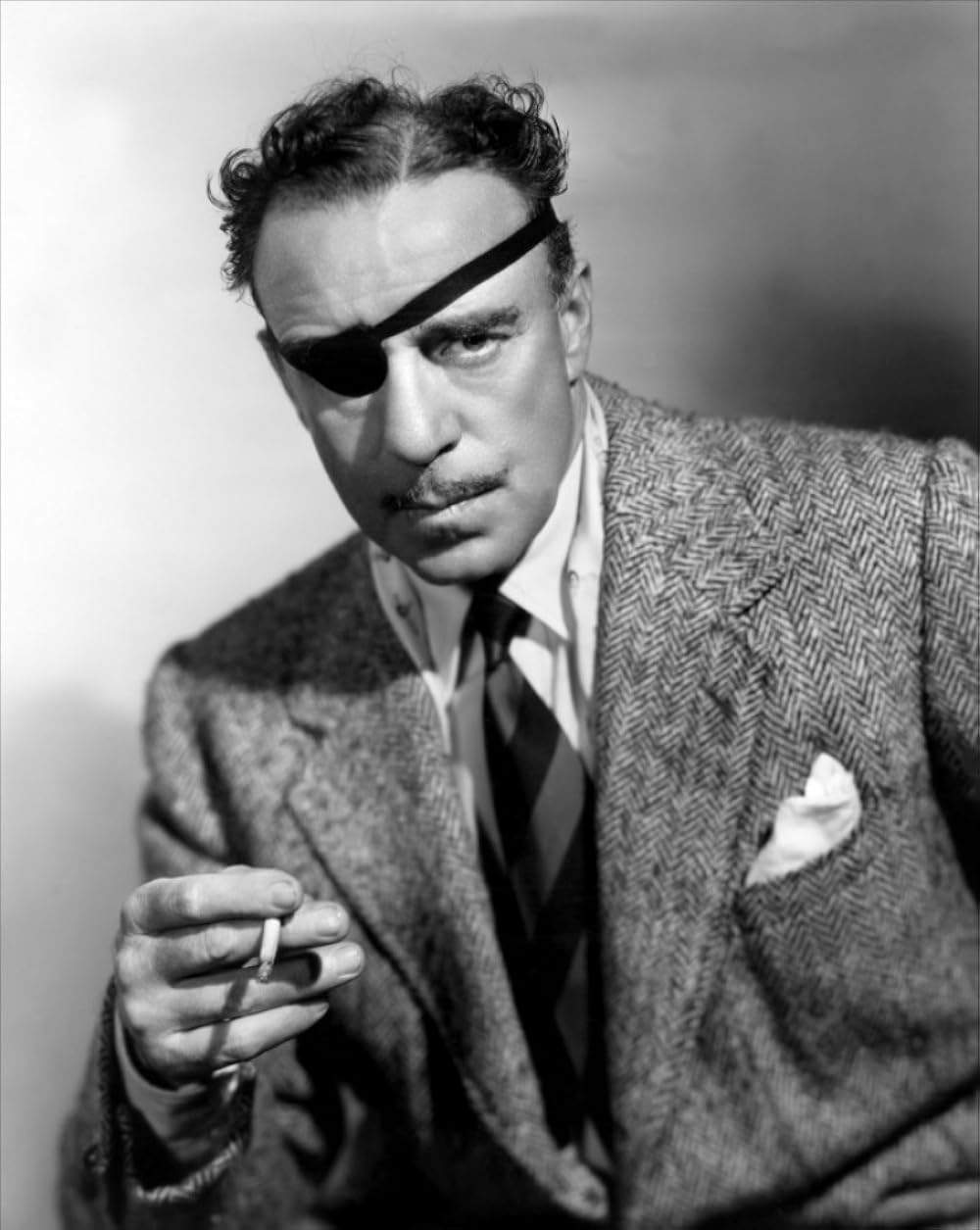
Raoul Walsh
Made by
Metro-Goldwyn-Mayer
Going Hollywood Plot Summary
Read the complete plot summary and ending explained for Going Hollywood (1933). From turning points to emotional moments, uncover what really happened and why it matters.
Sylvia Bruce, Marion Davies, an infatuated schoolteacher, follows Bill Williams, Bing Crosby, a popular crooner, to Hollywood where he is to make a picture. On board the train she secures a job as maid to Bill’s French fiancée and leading lady, Lili Yvonne, Fifi D’Orsay, and meets the film’s director, Conroy, Ned Sparks, and promoter, Baker, Stuart Erwin. On arrival in Hollywood she is befriended by Jill, Patsy Kelly, and the two share rooms in the busy studio town.
At the Independent Art Studio, where the film is being made, Lili’s temperament and lack of talent cause Conroy considerable concern. After a moment that turns sour when Sylvia, disguised as a fan, pretends to ask for another star’s autograph and a blackfaced insult is tossed, Lili refuses to continue unless Sylvia is removed. She is persuaded to stay, and production continues with her performing “Cinderella’s Fella,” but Conroy remains dissatisfied and an angry Lili walks out. Sylvia then impersonates Lili’s rendition of the song and ends with a parody of Lili’s tantrums. When Lili returns, there is a brawl in which Lili suffers a black eye. Baker, who has heard about Sylvia, intervenes by firing Lili and offering Sylvia the part.
Baker asks Sylvia to accompany him to a party but withdraws when Bill shows his own interest in her. Bill takes Sylvia to dinner and to the party, but a quarrel erupts and she accuses him of insincerity. Bill deserts the film and goes with Lili to Tijuana, where he drinks heavily and receives a telephone call from the studio with the ultimatum that if he does not return they will hire a replacement. Lili advises him to let them do so and suggests that they fly together to New York and on to Paris. Sylvia finds him and pleads for him to return to the studio but she returns without him.
In Hollywood there is difficulty with the replacement, and eventually Bill reappears at the studio to rejoin Sylvia in the film’s closing sequence to sing Our Big Love Scene.
The film is rich with musical numbers and behind-the-scenes moments. The opening moment features Crosby singing Beautiful Girl before his departure for Hollywood, as technicians work to record it. A grand production number on the train follows, with him and a chorus singing Going Hollywood, and he even offers a snippet of Just an Echo in the Valley. Crosby’s voice is heard again performing Our Big Love Scene on the radio when Jill is showing Sylvia her apartment. A dream-sequence production number, We’ll Make Hay While the Sun Shines, appears with Crosby, Davies, a chorus, and dancers, enhanced by thunderstorm effects. An impersonation act by The Radio Rogues is filmed at the studio and includes imitations of Kate Smith (When The Moon Comes Over The Mountain). The sequence also features impressions of Russ Columbo with You Call It Madness But I Call It Love, Morton Downey with Remember Me?, and Rudy Vallee with My Dime Is Your Dime. Crosby closes the party with After Sundown.
Throughout the film, archive footage appears from other era icons, including Robert Montgomery and Wallace Beery, as well as Norma Shearer and Marie Dressler, weaving a nostalgic thread of Hollywood’s golden age into the main story of Sylvia, Bill, and their tangled romance and ambitions.
Going Hollywood Timeline
Follow the complete movie timeline of Going Hollywood (1933) with every major event in chronological order. Great for understanding complex plots and story progression.
Opening song and departure preparation
The film opens with Crosby performing 'Beautiful Girl,' signaling his departure for Hollywood. Technicians arrive to record the song, establishing the film's musical mood and the meta-film vibe. This sets the stage for the star-studded journey that follows.
Sylvia follows Bill to Hollywood and takes a maid job
Sylvia, infatuated with Bill Williams, follows him to Hollywood where he is to make a picture. On the train she lands a job as a maid to Bill's fiancée Lili Yvonne and meets the film's director Conroy and promoter Baker. She also befriends Jill upon arrival.
Hollywood arrival and studio life begins
In Hollywood, Sylvia is befriended by Jill and shares rooms. The production moves to the Independent Art Studio, where Lili's mood and talents loom as potential problems. The studio atmosphere hints at the tensions to come.
Lili's temper and the fan-impersonation incident
Lili's temper and lack of talent cause concern for director Conroy. During a fan interaction, Sylvia, in blackface, pretends to be a fan asking for another star's autograph, triggering tension. Lili refuses to continue unless Sylvia is removed, but she is ultimately persuaded to stay.
The brawl and firing
A brawl erupts as Sylvia imitates Lili's tantrums, and Lili ends up with a black eye. Baker fires Lili and hires Sylvia to take the part, reshaping the film's central casting.
Party invitation and withdrawal
Baker invites Sylvia to accompany him to a party, but withdraws when Bill shows interest in her. The tension between professional ambition and romance colors the next steps of the story.
Dinner, party, and desertion to Tijuana
Bill takes Sylvia to dinner and a party; a quarrel reveals insincerity. Bill deserts the film and goes with Lili to Tijuana, starting a dramatic shift in the production's future.
Tijuana ultimatum and NY/Paris plan
In Tijuana, Bill drinks heavily and receives a studio ultimatum to return or be replaced. Lili advises him to consider letting them replace him and suggests flying together to New York and on to Paris.
Sylvia pleads and returns without him
Sylvia finds Bill and pleads for him to come back to the studio, but she ends up returning without him, leaving the production in a precarious position.
Replacement troubles and Bill's return to the studio
Back in Hollywood there is difficulty with replacing Bill. Eventually, Bill appears at the studio to rejoin Sylvia in the film, restoring the planned casting and momentum.
Closing sequence with Our Big Love Scene
Bill returns to rejoin Sylvia for the film's closing sequence, singing 'Our Big Love Scene' as the romance is solidified on screen. The musical romance provides the film's emotional payoff.
Grand Central Terminal departure and Going Hollywood
On the departure day, Bill boards the train at Grand Central Terminal for the big production number 'Going Hollywood,' performed with Crosby and the chorus. This moment cements the film's showcase of star power and musical spectacle.
Radio and apartment scenes with songs
Crosby's songs echo through the narrative: 'Our Big Love Scene' is heard on the radio as Jill shows Sylvia her apartment, and 'Just an Echo in the Valley' is heard in a related moment. These musical interludes weave the film's songs into the plot.
Dream sequence and Radio Rogues
The dream sequence 'We'll Make Hay While the Sun Shines' appears in the studio with thunderstorm effects, joined by Crosby, Davies, chorus and dancers. The Radio Rogues film an impersonation act in the studio, featuring imitations of Kate Smith, Russ Columbo, Morton Downey, and Rudy Vallee.
After Sundown at the party
Crosby performs 'After Sundown' at the Hollywood party, adding one final musical number to the film's showcase. The evening underscores the film's blend of celebrity culture and musical performance as it winds toward conclusion.
Going Hollywood Characters
Explore all characters from Going Hollywood (1933). Get detailed profiles with their roles, arcs, and key relationships explained.
Sylvia Bruce (Marion Davies)
An infatuated schoolteacher who follows a popular crooner to Hollywood, Sylvia is driven by longing and naive optimism. She quickly proves to be resourceful and quick-witted, using clever schemes to secure a part in the film. Her loyalty and resolve are tested as romance and professional ambition collide.
Bill 'Billy' Williams (Bing Crosby)
A beloved film crooner whose charm brings him into Sylvia's orbit. He wrestles with career pressures and romantic entanglements, ultimately deserting the film to join Lili before reconsidering his choices. His wavering choices drive the drama between love and professional duty.
Lili Yvonne (Fifi D'Orsay)
The leading lady whose temperament and perceived lack of talent threaten the production. She clashes with Sylvia and ultimately faces replacement, only to return as the creative tensions peak. Her vanity and volatility catalyze the film's central conflict.
Conroy (Ned Sparks)
The director whose concerns about talent and alignment with the star drive much of the studio's decision-making. He navigates the balance between artistic vision and the producers' demands, often reacting to the crisis with sharp wit. His involvement anchors the production's pressure and pace.
Ernest Pratt Baker (Stuart Erwin)
A pragmatic promoter and producer who helps steer the film's course. He fires Lili to hire Sylvia, managing the studio's casting instincts and commercial sensibilities. His actions reflect the cut-throat nature of showbiz decision-making.
Jill (Patsy Kelly)
Sylvia's friend and roommate who offers support in the backstage world of Hollywood. She embodies the social ally who anchors Sylvia amid chaos and reveals the camaraderie that underpins the film community. Her presence adds warmth to the studio's competitive atmosphere.
Three Radio Rogues (The Radio Rogues)
A notable impersonation act featured in the studio sequence, adding a meta-commentary on performance and media culture. Their bits echo the film's broader theme of showmanship and mimicry within entertainment. Their presence underscores how radio and stage acts intersect with cinema.
Going Hollywood Settings
Learn where and when Going Hollywood (1933) takes place. Explore the film’s settings, era, and how they shape the narrative.
Time period
1930s
The film is set during the early era of sound cinema, when Hollywood's studio system defined careers and spectacle. Musical numbers, production pressures, and public romance reflect the era's entertainment culture. The plot weaves between on-set happenings and the social whirl surrounding a film's creation, characteristic of classic studio-era comedies.
Location
Hollywood, Grand Central Terminal, New York, Tijuana, Paris
The story centers in Hollywood's studio system, with the Independent Art Studio as the key production hub. It also features the bustling atmosphere of a train departure from Grand Central Terminal in New York, marking the journey into the film capital. Scenes shift to foreign locales like Tijuana and Paris as the plot advances and romance and ambition collide.
Going Hollywood Themes
Discover the main themes in Going Hollywood (1933). Analyze the deeper meanings, emotional layers, and social commentary behind the film.
✨
Dreams
Dreams of fame and romance propel Sylvia and others toward Hollywood's glittering yet demanding world. The narrative tracks how ambition can blur lines between personal affection and professional opportunity. It also shows how success is often built through perseverance, reinvention, and a willingness to take risks in a competitive industry.
🎭
Identity
Impersonation and masked personas drive much of the comedy and conflict. Sylvia performs as Lili and mimics her rival, highlighting how performance and public image shape perceptions. The story uses these swaps to comment on celebrity culture and the performative nature of stardom.
🎬
Showbiz Chaos
Behind-the-scenes politics, casting decisions, and studio power struggles shape the plot. Directors, producers, and promoters navigate egos and deadlines, revealing a system where art is often balanced against commercial demands. The musical numbers and production spectacle amplify the chaos and charm of early Hollywood.

Coming soon on iOS and Android
The Plot Explained Mobile App
From blockbusters to hidden gems — dive into movie stories anytime, anywhere. Save your favorites, discover plots faster, and never miss a twist again.
Sign up to be the first to know when we launch. Your email stays private — always.
Explore the mobile appGoing Hollywood Spoiler-Free Summary
Discover the spoiler-free summary of Going Hollywood (1933). Get a concise overview without any spoilers.
In a sun‑kissed, studio‑filled version of 1930s Hollywood, the city hums with the crackle of radio broadcasts and the promise of silver‑screen glamour. The streets are alive with singers rehearsing on train cars, choreographers arranging flash‑filled numbers on backlots, and a perpetual buzz of hopeful talent chasing fame. Within this whirlwind of music and movie‑making, the atmosphere blends light‑hearted comedy with a warm, nostalgic reverence for the golden age of entertainment.
Sylvia Bruce, a devoted French teacher at an all‑girls school, finds her orderly world upended by the sultry voice of a popular crooner that drifts through her classroom radio. Enamored and yearning for a personal thank‑you, she decides to abandon the familiar corridors of her school and board a train bound for the heart of the film industry. Her journey is as much an escape from routine as it is a quest for the romance she imagines waiting in the stars.
Bill Williams, the charismatic singer whose voice has captured Sylvia’s imagination, is preparing for a new picture that will showcase his smooth baritone and magnetic charm. Beside him stands Lili Yvonne, a glamorous French actress engaged to the crooner and slated to share the screen. Their polished public personas mask a backstage world where tempers flare, ambitions collide, and friendships are tested. Sylvia quickly encounters a colorful cast of studio insiders—including a witty roommate named Jill, a temperamental director Conroy, and a savvy promoter Baker—each adding their own flavor to the bustling Hollywood tapestry.
As Sylvia navigates rehearsals, glamorous parties, and the competitive energy of the set, the promise of love and success hangs in the air like a lingering melody. The film’s tone remains breezy and musical, inviting the audience to wonder whether the teacher’s brave leap into stardom will harmonize with the dreams of the crooner and the unexpected obstacles that arise when personal desires intersect with the dazzling, yet demanding, world of Hollywood.
Movies with Similar Twists and Themes
Uncover films that echo the narrative beats, emotional arcs, or dramatic twists of the one you're exploring. These recommendations are handpicked based on story depth, thematic resonance, and spoiler-worthy moments — perfect for fans who crave more of the same intrigue.


Featured on this page

What's After the Movie?
Not sure whether to stay after the credits? Find out!
Check out our other apps:

SAT Sphere
Build confidence for the Digital SAT.

Mori Atlas
Discover wild places worth protecting.

Luntero
Search smarter for a home in Amsterdam.

Plot Explained
Unravel movie endings and hidden clues.

Pokechamp
Dive into Pokémon data and battle logic.

Driving Theory
Get ready for your European theory test.

Movie Dust
Plan your next cinema trip with ease.

Musemap
Find art and culture as you travel.

Selkobase
Compare credentials before committing.

Local Manual
Turn an unfamiliar country into practical next steps.

Lernavi
Compare school systems before your next move.

GymRoam
Find a workout stop wherever your plans take you.
Explore Our Movie Platform
New Movie Releases (2026)
Famous Movie Actors
Top Film Production Studios
Movie Plot Summaries & Endings
Major Movie Awards & Winners
Best Concert Films & Music Documentaries
Movie Collections and Curated Lists
© 2026 What's After the Movie. All rights reserved.
Privacy Policy