What Is My Brother Jonathan About?
The premise of My Brother Jonathan in 312 words, with nothing given away. The full story follows below.
In the soot‑streaked heart of England’s Black Country, a modest general practice becomes the crucible for a generation forced to balance ambition with duty. The town’s narrow streets echo with the clang of industry, while the modest clinic offers a quiet counterpoint where health and hope are measured in daily triage. Against this backdrop, the film moves with a measured, almost lyrical pace, inviting the audience to feel the weight of fated expectations that press upon every resident.
_ Jonathan Dakers_ arrives with the fierce determination of a young man intent on mastering the scalpel and securing a future alongside the bright‑spirited Edie Martyn. Their budding romance is framed by the gentle optimism of early‑twentieth‑century courtship, yet the loss of Jonathan’s father abruptly rewrites the script of his life. The inheritance that would have funded his surgical training disappears, pulling him into a partnership at the struggling practice and anchoring him to a community whose needs are as relentless as the factories that loom overhead.
The delicate equilibrium is further unsettled by Harold Dakers, Jonathan’s brother, whose own affection for Edie adds a layer of familial tension. Harold’s departure to serve his country brings the distant rumblings of war into the intimate world of the clinic, casting a shadow over the promise of both love and professional aspiration. The choices made in this fraught period shape the course of the relationships, compelling Jonathan to confront obligations that stretch beyond personal desire.
Amidst the quiet heroism of daily medical work and the undercurrent of societal pressure, Jonathan begins to sense that his heart may belong elsewhere. A subtle, unspoken attraction emerges, hinting at an inner conflict between duty, love, and the pursuit of genuine fulfillment. The film’s tone remains contemplative, weaving together themes of responsibility, longing, and the quiet courage required to navigate the crossroads of life in a town where every heartbeat counts.
What Happens in My Brother Jonathan?
The complete story of My Brother Jonathan, from the first scene to the last, in 639 words (about 3 minutes). Spoilers throughout. Names in the text link to 6 cast member pages.
Spoilers ahead
Jonathan Dakers is a small-town doctor whose dream of becoming a surgeon is shattered when his father, Eugene Dakers, dies in a car accident and leaves behind financial turmoil— Jonathan’s inheritance was tied up in trust, and without it he cannot continue his training. A brief flashback to 1900 takes us to a new private school where Jonathan and his brother join a game of cricket, and a bright young girl named Edith, known as Edie, keeps the score, hinting at the ties that will shape the years ahead.
Upon returning to the present, the story reveals how the father’s death upends the family’s fortunes and tests Jonathan’s resolve. He pledges to his brother Harold that he will still complete his Cambridge degree. With this burden, he purchases a share in Dr. Hammond’s general practice in Wednesford, a northern, poverty-stricken foundry town. His sympathy extends to the town’s sick and injured, and he keeps a correspondence with Edie, who winds up wintering in Monte Carlo on the French Riviera. The local cottage hospital refuses to admit his patients, and as he is not a Fellow of the Royal College of Surgeons, he is denied permission to operate.
Meanwhile, Harold Dakers confesses his love for Edie and vows to marry her. The two celebrate on New Year’s Eve of 1913/14, but Jonathan’s heart shifts from Edie to Rachel Hammond, his capable assistant. Harold heads off to war at the outbreak of the First World War and is killed, leaving Edie pregnant but unmarried. In a bid to preserve respectability, Jonathan returns to Edie and marries her, reinforcing the fragile social codes of the time.
As the town’s doctors and officials bicker over public health, Dakers uncovers a pattern of neglect in the industrial operations that endanger workers at the foundry. He clashes with the owner, Sir Joseph Higgins, and Higgins’s son-in-law, Dr. Craig, who runs a competing medical practice. Dakers drafts a report criticizing the conditions at the foundry and in the workers’ housing, but Craig, who also serves as the local Health Officer, knowingly misplaces it, blocking the town from hearing the truth.
A pivotal moment arrives when Dakers performs a life-saving tracheotomy on a child with diphtheria and transports the patient to the cottage hospital, only to face charges of misconduct because the hospital charter bars infectious cases. He stands before a medical tribunal and defends his actions, arguing that saving the child’s life left him no choice. He publicly accuses the medical authorities of suppressing health issues and failing to serve the town, and he calls for public support to fund medical care for the poor. Public sentiment swings behind him, and the hospital’s governance begins to change as the corrupt officials resign.
In a dramatic turn, a fire breaks out at a foundry as the reform movement gains momentum. Dr. Craig is injured in the blaze, and Jonathan operates to save his life, a moment that underscores the fragile balance between reform and revenge in a town ruled by money and influence. Concurrently, Dr. Hammond attends the birth of Edie’s son, a quiet counterpoint to the town’s upheaval. Yet tragedy shadows the story: Edie dies soon after, in a final request that Jonathan find happiness with Rachel.
The narrative leaps forward to 1939, showing an older Jonathan Dakers and a now-married Rachel Hammond prepared for the next chapter of their lives. Edie’s son has grown into a man who stands in military uniform, a living reminder of the choices made and the costs paid in a town where medicine, industry, and integrity collide.
This tale weaves a rich tapestry of duty, love, sacrifice, and social change, anchored by the steadfast physicians who choose to put the health of the town before personal gain, even as their own lives are shaped by the consequences of those choices.
My Brother Jonathan Timeline: Every Key Event in Order
13 key events in the order they happen, from “1900: Private school and cricket” to “1939: A new era begins”. 13 events name a place, across 10 locations.
- 1
1900: Private school and cricket
In 1900, Jonathan and his brother join a new private school in their town and settle into school life. They immediately join a local cricket match where Edith (Edie) keeps the score, a detail that foreshadows the personal ties that will shape his future. This early moment grounds his life in community and sport.
When:1900 Where:Hometown private school
- 2
Father's death and inheritance
Jonathan's father dies in a car accident, leaving the family finances in ruin. It is revealed that Jonathan's inheritance had been misspent, threatening his ability to continue medical training. Despite the setback, Jonathan vows to finish his degree at Cambridge.
When:early 1900s Where:Home town
- 3
Entry into Dr Hammond's practice in Wednesford
With precarious funds, Jonathan buys a share in Dr Hammond's general practice in Wednesford, a poor foundry town in the north. He begins to build his medical career amid limited resources and institutional obstacles. The move anchors his early professional life before the war interrupts plans.
When:early 1900s Where:Wednesford
- 4
Edie in Monte Carlo; long-distance correspondence
Edie winters in Monte Carlo on the French Riviera, and Jonathan maintains a long-distance connection through letters. Their correspondence keeps the memory of Edie alive as he navigates professional duties in a tough industrial town. The distance underscores the choices looming ahead.
When:early 1900s Where:Monte Carlo
- 5
Harold's confession and New Year's Eve 1913/14
Harold tells Jonathan that he loves Edie and intends to marry her, creating a complicated triangle of loyalties. They celebrate together on New Year's Eve 1913/14, a moment that signals shifting relationships in the town. The news indicates personal and social tensions that will echo into the war years.
When:New Year's Eve 1913/14 Where:Wednesford
- 6
Jonathan moves from Edie to Rachel
After the NYE celebration, Jonathan shifts his affections from Edie to Rachel, his assistant. The change strains past loyalties while he remains bound by social expectations. This new balance sets the stage for future personal upheavals in the war era.
When:early 1914 Where:Wednesford
- 7
Harold enlists and dies during World War I
Harold joins the First World War and is killed in service, leaving Edie pregnant but unmarried. The tragedy shocks the town and pressures Jonathan to respond to the family needs. The loss accelerates the unraveling and reconfiguration of relationships around Edie.
When:1914-1915 Where:World War I front
- 8
Jonathan marries Edie to preserve respectability
In the wake of Harold's death, Jonathan returns to Edie and marries her to preserve respectability and provide stability for Edie and the unborn child. The marriage ties him to a path he did not anticipate but that aligns with social expectations. It anchors him to Edie's future and the town's moral codes.
When:1914-1915 Where:Wednesford
- 9
Foundry concerns and the mislaid report
Dakers raises concerns about industrial injuries at the foundry, clashing with owner Sir Joseph Higgins and Dr. Craig, who runs a competing medical practice. He writes a critical report on working conditions and housing, but Dr. Craig secretly misfiles it. The disappearance of the report underscores entrenched town corruption.
When:early to mid 1910s Where:Wednesford foundry area
- 10
A life-saving act and the medical tribunal
Dakers performs a life-saving tracheotomy on a child with diphtheria and brings the patient to the cottage hospital. He is charged with misconduct for acting without hospital permission and for not reporting the case, triggering a medical tribunal. Jonathan defends his actions as necessary to save a life and to meet urgent community needs.
When:mid 1910s Where:Local cottage hospital
Show the other 3 events of My Brother Jonathan Hide the last 3 events
- 11
Hospital reform and a dramatic fire
Public support helps push through reforms, and corrupt officials resign from their posts. As reform takes hold, a siren sounds and a large fire erupts at a foundry. Craig is injured, and Jonathan operates to save his life, demonstrating the vital role of decisive medical intervention during crisis.
When:mid 1910s Where:Wednesford town and foundry
- 12
Edie's son is born; Edie dies; final wishes
Hammond attends the birth of Edie's son, but she dies soon after, offering Jonathan one last wish that he find happiness with Rachel. Her death closes a chapter in the town's story and redefines Jonathan's personal life. The community carries forward with Edie's memory guiding future choices.
When:late 1910s Where:Edie's home/hospital
- 13
1939: A new era begins
The story jumps ahead to 1939. Jonathan is married to Rachel, and Edie's son stands in army uniform, a visible reminder of the past's long shadow. The town has weathered war and change, leaving a new generation to carry on the legacy of those earlier events.
When:1939 Where:1939; unspecified town
Who Are the Main Characters in My Brother Jonathan?
7 characters, among them Jonathan Dakers (Michael Denison), Edie Martyn (Beatrice Campbell) and Rachel Hammond (Dulcie Gray): who each one is and the part they play in the story. Every profile links to the actor’s page.
- JD
Jonathan Dakers (Michael Denison)
Played by Michael Denison
A principled small-town doctor who trains to be a surgeon but is hampered by financial hardship and institutional obstacles. He champions hospital reform, fights for decent care for the poor, and endures personal losses while balancing family and public duties.
- 👨⚕️ Doctor
- ⚖️ Principle
- 🕊️ Duty
- EM
Edie Martyn (Beatrice Campbell)
Played by Beatrice Campbell
A central figure in Jonathan’s life who becomes his wife after a period of complexity and tragedy. Her later death prompts Jonathan to pursue reform and to navigate the demands of respectability and family after her passing.
- ❤️ Love
- 💔 Loss
- 💍 Marriage
- RH
Rachel Hammond (Dulcie Gray)
Played by Dulcie Gray
Jonathan’s former assistant who becomes a steady, professional influence in his life. She ultimately becomes the person Jonathan turns to after Edie’s death, embodying loyalty and competence in the medical field.
- 👩⚕️ Associate
- 💼 Professional
- 🤝 Companionship
- HD
Harold Dakers (Ronald Howard)
Played by Ronald Howard
Jonathan’s brother who enlists in the war and is killed, leaving Edie pregnant. His death triggers crucial emotional shifts and Jonathan’s decision to marry Edie to preserve family dignity.
- 🎖️ War
- 💔 Loss
- 👨👦 Family
-
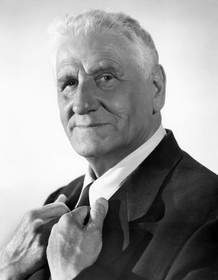
Dr. Hammond (Finlay Currie)
Played by Finlay Currie
The physician who runs the general practice in Wednesford that Jonathan joins. He provides mentorship and becomes part of the town’s medical landscape as reforms unfold.
- 🏥 Mentor
- 🧭 Guidance
- 🧪 Medicine
- SJ
Sir Joseph Higgins (Arthur Young)
Played by Arthur Young
The powerful owner of the local foundry who becomes a focal point of corruption and resistance to public health improvements.
- 🏭 Industry
- 💼 Power
- ⚖️ Corruption
- DC
Dr. Craig (Stephen Murray)
Played by Stephen Murray
The owner’s son-in-law and rival physician who conspires to suppress information critical to public health and stands in opposition to Dakers’ reforms.
- ⚖️ Ethics
- 🧪 Rivalry
- 🏥 Medicine
Where and When Is My Brother Jonathan Set?
My Brother Jonathan is set in Wednesford, Monte Carlo and Cambridge University (Early 20th century, spanning 1900–1939). Here is why the time and place matter to the story.
When
Early 20th century, spanning 1900–1939
The narrative begins in 1900 with Jonathan's schooling and his father's death, travels through the pre-war years of 1913–1914, extends into World War I, and then leaps to the late 1930s as Edie dies and Jonathan returns to public life. It reflects the social mores, family duties, and professional constraints of the era. Industrial growth, medical advances, and wartime upheaval shape the doctor's choices and the town’s politics, anchoring the story in a period of rapid change.
Where
Wednesford, Monte Carlo, Cambridge University
The story centers on a northern industrial town built around a large foundry, where Jonathan Dakers builds his career amid poverty and public health concerns. Wednesford provides the social backdrop for medical reform and class tensions, while Edie spends winters in Monte Carlo on the French Riviera. Cambridge University represents Jonathan's early dream of becoming a surgeon, a dream repeatedly delayed by financial and social obstacles. The film moves between gritty town life, prestigious institutions, and leisure locales to highlight class divides and opportunities.
- 🏭 Foundry town
- 🏖️ French Riviera
- 🏛️ University town
What Are the Themes of My Brother Jonathan?
3 ideas the story keeps returning to, among them Public Health, Duty & Family and Industrial Class.
-
01
Public Health
Jonathan challenges the town's medical authorities, exposes unsafe industrial conditions, and advocates for public funding to treat the poor. The plot centers on hospital reform, ethical dilemmas, and the friction between private practice and community health. It underscores how health care becomes a battleground for social justice in a working-class community.
-
02
Duty & Family
The protagonist's life is governed by competing duties—family loyalty, romantic entanglements, and the obligation to maintain respectability. Relationships shift under wartime stress and social expectations, forcing choices about marriage and partnership. The theme explores how family and duty shape professional responsibility and personal happiness.
-
03
Industrial Class
The foundry town backdrop reveals a gulf between industrial owners and workers, with corruption and mismanagement endangering lives. Dakers confronts Higgins and Dr. Craig, challenging a system that protects the powerful. The story ties workplace safety and reform to broader issues of equity and power.
What Kind of Film Is My Brother Jonathan?
Bittersweet in tone, with variable pacing and a moderate story, going by the plot summary.
- Tone
- Bittersweet
- Pacing
- Variable
- Story
- Moderate
- Intensity
- Medium
- Ending
- Bittersweet
A sweeping, melancholic drama following a doctor's life of personal sacrifice against a backdrop of social injustice, where moments of tenderness and triumph are consistently shadowed by war, loss, and the heavy weight of duty.
- melancholic
- dutiful
- reflective
- romantic
- tragic
- steadfast
- duty and sacrifice
- social injustice
- medical ethics
- family obligations
Content notes: death of sibling, death of spouse, war, workplace negligence.
Quiz
How well do you remember My Brother Jonathan? Test yourself on the story.
Where to Watch My Brother Jonathan
. US availability and prices from JustWatch.
Streaming availability in the US, powered by