What Is Brother John About?
The premise of Brother John in 313 words, with nothing given away. The full story follows below.
In the quiet reaches of a small Alabama town, an enigmatic stranger steps off the train as his sister fights a terminal illness. His sudden return upsets the delicate balance that has kept long‑standing grudges and whispered resentments at bay, and the community watches with a mix of curiosity and unease. The town’s rhythm—its modest streets, the aging factory, the close‑knit families—feels both familiar and fragile, as if any ripple could set the whole place trembling.
John Kane carries more than a suitcase; the few clues left in his modest room—a passport crowded with stamps from places most Americans never see, newspapers in languages he reads with ease—suggest a life lived far beyond Hackley’s borders. The local authorities, led by the wary Sheriff and the meticulous District Attorney, see his worldly knowledge as a possible catalyst for the growing labor unrest at the factory, where workers are quietly pushing for a union. Their suspicion hangs over the town like a low‑frequency hum, hinting that the newcomer may be something far more complex than a simple traveler.
When Louisa MacGill, the earnest elementary‑school teacher, encounters him, a quiet connection forms. Their conversations are gentle yet charged, offering both a respite from the surrounding tension and a new source of intrigue. Doc Thomas, the family physician who has cared for generations, recognizes a different truth in John—one that lies beyond the suspicions of law and rumor. Their guarded exchanges hint at histories and experiences that are hard to put into words, underscoring the film’s slow‑burn atmosphere.
The story unfolds against a backdrop of simmering labor disputes, whispered religious undertones, and an ever‑present sense that something larger may be looming. The tone remains contemplative, brooding, and deliberately unhurried, inviting the audience to linger on the mysteries of identity, duty, and the fragile peace that holds a community together while it teeters on the edge of change.
What Happens in Brother John?
The complete story of Brother John, from the first scene to the last, in 402 words (about 2 minutes). Spoilers throughout. Names in the text link to 3 cast member pages.
Spoilers ahead
John Kane’s arrival in town coincides with rising unrest at a factory where workers push to unionize. Local authorities wrongly suspect him of being an outside organizer for the union cause. The suspicions of the local Sheriff and the District Attorney grow after they search his room and uncover a passport densely stamped with visas from countries around the world, including places few Americans are allowed to travel to, along with newspapers in a variety of languages. They speculate that he could be a journalist or a government agent, but one person sees a different truth: Doc Thomas, the Kane family’s longtime physician, understands that John is none of those things.
After the funeral of his sister, he confides to Louisa MacGill, a teacher at the local elementary school, that his “work” is finished and that he has only a few days to “do nothing” before he must leave. She responds with warmth, beginning a relationship in the hope that he will stay, which in turn stirs trouble with a local man who has had his eye on her since high school days.
In a conversation with Louisa, he says he won’t be returning to Hackley, and he reveals that one of his school friends, now a union organizer, will die soon. When that death happens, word of his prediction filters to the Sheriff, who uses it as an excuse to arrest John.
During questioning, John speaks of his travels but never discloses exactly what his “work” is. Doc Thomas visits him in jail, and they share a revealing, though still guarded, exchange that includes John recounting some of the horrors he has witnessed. John then walks out of jail and leaves town, while the Sheriff and his men remain preoccupied with the ongoing labor unrest.
Throughout the film, there are allusions to John’s true nature in a tense confrontation with the Sheriff, his hesitant relationship with Louisa, his uncanny ability to travel widely, his facility with multiple languages, and his cool, aloof demeanor that hints at something beyond the ordinary.
Towards the end, a conversation with Doc Thomas seems to imply that the End of Days (as referenced in the Book of Revelation) may be near. This notion is reinforced when Doc asks whether it will come by fire, and it is underscored by the moment when John, seemingly more than human, opens a seemingly locked jail cell door without difficulty.
Brother John Timeline: Every Key Event in Order
12 key events in the order they happen, from “Arrival amid unrest” to “Final implication and mystery”. 12 events name a place, across 5 locations.
- 1
Arrival amid unrest
John Kane arrives in Hackley as factory workers press for a union. The town's authorities watch him skeptically, sensing he might be an outside organizer. From the first moment, a tension between labor and power sets the tone for what's to come.
When:start of the unrest Where:Hackley
- 2
Room search and suspicious clues
Local officials search John's room and uncover a passport stamped with visas from many countries and a cache of newspaper clippings in several languages. The discoveries fuel speculation that he could be a journalist or a government operative, not a typical traveler. Doc Thomas, the Kane family's physician, quietly doubts the official explanations.
When:shortly after arrival Where:Hackley
- 3
Doc Thomas senses something deeper
Only Doc Thomas suspects that John is none of those things—neither journalist nor government agent—sensing a deeper, unexplained past. He keeps his suspicions private, choosing to observe rather than confront the town. This private doubt foreshadows a hidden truth about John's nature.
When:soon after the room search Where:Doc Thomas's clinic, Hackley
- 4
Funeral and confession
After the funeral of John's sister, he confesses to Louisa MacGill that his 'work' is finished and that he has only a few days to do nothing before he must leave. Louisa, a local elementary school teacher, hopes he will stay and begins a cautious relationship with him. The confession adds emotional weight and suggests a larger mission still looming over him.
When:after the sister's funeral Where:Hackley
- 5
Love and rivalries
Louisa's interest in John grows into a relationship, but his reluctance and a local man’s long-standing interest in Louisa create friction. The romance strains John's resolve to stay in Hackley and complicates his already fragile ties to the town. Tension rises as personal and political loyalties collide.
When:shortly after confession Where:Hackley
- 6
Vindication through warning
In a quiet exchange with Louisa, John says he will not return to Hackley and warns that one of his school friends, now a union organizer, will die soon. Word of this ominous prediction reaches the Sheriff, who uses it as a pretext to arrest John. The line between prophecy and punishment blurs as fear ramps up the town's anxiety.
When:during conversation with Louisa Where:Hackley
- 7
Arrest and evasive questioning
John is arrested and taken in for questioning. He answers with glimpses of his travels but refuses to reveal what his mysterious 'work' actually is. The interrogation leaves the Sheriff and District Attorney frustrated and more convinced that there is more to him than meets the eye.
When:immediately after the prediction incident Where:Sheriff's office, Hackley
- 8
Visiting the jail, secrets spill
Doc Thomas visits John in jail and the two engage in a revealing, if guarded, conversation. John speaks of horrors he has witnessed in distant places, hinting at a past that transcends ordinary occupation. The exchange deepens the sense that John is not what he seems.
When:during incarceration Where:Hackley jail
- 9
Escape and departure
After the exchange with Doc Thomas, John demonstrates abilities beyond normal means and walks out of the jail, leaving the Sheriff and his men preoccupied with the town's labor strife. He does not linger, slipping away from Hackley with his impending departure looming. The town is left to ponder his true nature and future actions.
When:just after jail visit Where:Hackley
- 10
Hints of a greater truth
Throughout the film there are subtle hints about John's true nature: his effortless travel across borders, his fluency in multiple languages, and his aloof detachment. These clues keep the townspeople—and the audience—unclear about who he truly is. The tension between truth and mystery remains a running thread.
When:throughout the film Where:Hackley and distant locations
- 11
End-of-Days conversation
Towards the end of the film, John's conversation with Doc Thomas seems to imply that the End of Days, as referenced in Revelation, may be near. The dialogue threads together Biblical portent with John's enigmatic presence, deepening the sense of impending crisis. The moment underlines the otherworldly quality surrounding John.
When:towards the end Where:Hackley
- 12
Final implication and mystery
The film closes with a striking image of power and uncertainty: a locked jail door opens with impossible ease, reinforcing the sense that John may be more than human. His departure from Hackley leaves the town to grapple with what they have witnessed and what remains unknown. The End-of-Days motif lingers as the credits roll.
When:end of film Where:Hackley
Who Are the Main Characters in Brother John?
7 characters, among them John Kane - Sidney Poitier, Louisa MacGill - Beverly Todd and Doc Thomas - Will Geer: who each one is and the part they play in the story. Every profile links to the actor’s page.
-
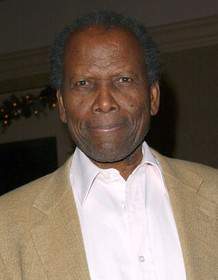
John Kane - Sidney Poitier
Played by Sidney Poitier
A calm, enigmatic stranger who arrives amid labor unrest and quickly becomes the focal point of suspicion. He refuses to reveal his 'work' and carries a passport filled with exotic stamps, suggesting a history beyond the town's confines. His interactions reveal a principled, compassionate core and a willingness to help others even as his own future remains unsettled.
- 🧭 Mysterious traveler
- 🗣️ Multilingual
- 🕊️ Enigmatic outsider
- LM
Louisa MacGill - Beverly Todd
Played by Beverly Todd
A schoolteacher who forms a tentative, hopeful bond with John, hoping he will stay. Her familiarity with the town and its tensions gives her a grounded perspective, even as she risks personal heartbreak. She embodies compassion and a desire for connection amid social pressures.
- 👩🏫 Teacher
- 💞 Compassionate
- 💔 Romantic tension
- DT
Doc Thomas - Will Geer
Played by Will Geer
The town's physician and a steadfast ally who knows John’s true character. He visits John in jail and speaks in veiled terms about the horrors John has witnessed, hinting at a broader backstory. His faith in John's innocence contrasts with official suspicion.
- ⚕️ Healer
- 🤝 Loyal ally
- 🧭 Insightful
-
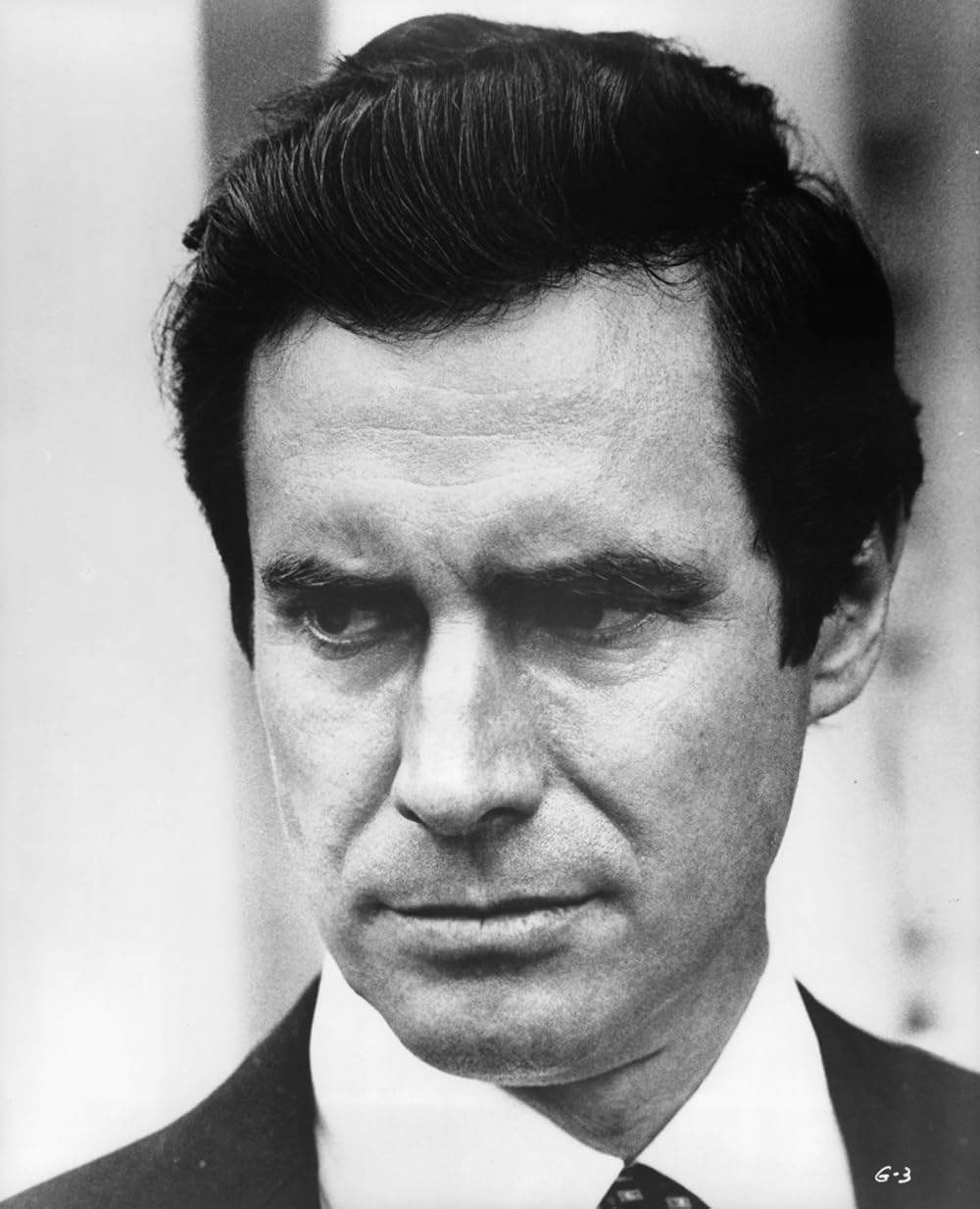
Lloyd Thomas - Bradford Dillman
Played by Bradford Dillman
District Attorney and son of Doc Thomas, a pragmatic figure who channels fear into action. He uses John’s supposed connections to the union movement as a reason to question and prosecute him. His authority reflects the town’s fear of upheaval at the factory, and he embodies the pressure to maintain order.
- ⚖️ Authority
- 🕵️ Investigator
- RM
Rev. MacGill - P. Jay Sidney
Played by P. Jay Sidney
A religious figure in the town who embodies the moral conscience around the labor conflict. His interactions with Louisa and the community anchor the film's spiritual undertones. He offers guidance as tensions rise and the concept of a larger fate looms.
- 🙏 Faith leader
- 🕊️ Spiritual guidance
- CG
Charley Gray - Lincoln Kilpatrick
Played by Lincoln Kilpatrick
A local man with his eye on Louisa since high school, embodying the social pressures and romantic rivalries within Hackley. His presence heightens the film's sense of personal stakes amid public unrest. He acts as a counterpoint to John's enigmatic nature.
- 💘 Rival admirer
- 🏛️ Local rival
- MN
Miss Nettie - Zara Cully
Played by Zara Cully
A town elder whose observations hint at the community’s memory and weight of events. She contributes to the town's atmosphere, offering a traditional perspective on the unfolding drama. Her stance underscores how ordinary citizens navigate extraordinary circumstances.
- 🧓 Town elder
- 🗣️ Community voice
Where and When Is Brother John Set?
Brother John is set in Hackley. Here is why the place matters to the story.
Where
Hackley
Hackley is a small industrial town built around a factory where workers push for a union. The atmosphere is tense as authorities and local officials suspect outsiders of meddling. The community's close-knit nature makes rumors spread quickly; a stranger's passport and multilingual clippings stir fear of espionage in this close-knit community.
- 🏭 Industrial town
- ⚖️ Labor unrest
What Are the Themes of Brother John?
3 ideas the story keeps returning to, among them Outsiders, Hidden Identity and Prophecy.
-
01
Outsiders
John Kane arrives as an outsider in a town embroiled in factory protests, triggering suspicions that he is an organizer or spy. The community's paranoia is fed by rumors and official investigations. Doc Thomas believes in his innocence, while Sheriff and DA push toward arrest. The presence of outsiders catalyzes change and tests the town's loyalties.
-
02
Hidden Identity
John's travels, languages, and vague remarks about his 'work' hint at a secret beyond ordinary life. The film threads clues through conversations with Doc Thomas, revealing glimpses of a past that resists simple labels. His jail-like moment when a familiar door opens suggests there may be more to him than a conventional traveler. The tension between revelation and restraint runs through the story.
-
03
Prophecy
Religious imagery and apocalyptic overtones punctuate the narrative, with references to End of Days shaping characters' fears and decisions. Doc Thomas's questions and John's aloof demeanor invite interpretations about fate, faith, and the limits of human understanding. The eventual implication that the end is near adds a mythic dimension to a story otherwise grounded in labor struggle. The film uses prophecy to frame personal choices and communal risk.
What Kind of Film Is Brother John?
Tense in tone, with slow pacing and a moderate story, going by the plot summary.
- Tone
- Tense
- Pacing
- Slow
- Story
- Moderate
- Intensity
- Medium
- Ending
- Ambiguous
A slow-burning, tense drama that builds an atmosphere of uneasy mystery around an enigmatic visitor in a racially divided Southern town, blending melancholic personal loss with unsettling supernatural overtones.
- enigmatic
- tense
- melancholic
- oppressive
- uncanny
- somber
- racial tension
- small town secrets
- christ allegory
- labor strike
Content notes: terminal illness, racial prejudice, police harassment.
Quiz
How well do you remember Brother John? Test yourself on the story.