What Is Mr. SOUL! About?
The premise of Mr. SOUL! in 359 words, with nothing given away. The full story follows below.
In the restless summer of the late 1960s, a bold experiment flickers onto the public‑television screen, daring to make the nation’s living rooms a stage for Black art and ideas. The series, titled SOUL!, arrives at a moment when cultural lines are being redrawn, offering a rare, unapologetic celebration of music, poetry, and political thought that had previously been relegated to the margins. Its atmosphere crackles with the energy of a generation demanding both creative freedom and social justice, inviting viewers into a world where rhythm and rhetoric walk hand‑in‑hand.
At the heart of this venture stands Ellis Haizlip, a visionary producer‑turned‑host whose quiet charisma and openly gay identity infuse the show with a subtle defiance. Haizlip curates each episode like a poet arranging verses, insisting that every performance—whether a fiery spoken‑word piece or a soul‑stirring hymn—reflects the full spectrum of African‑American experience. His presence is both guide and confidant, inviting guests to reveal hidden layers of themselves while subtly steering the conversation toward the larger questions of identity, community, and change.
The program quickly becomes a magnetic hub for emerging and established talent. The magnetic allure of SOUL! draws icons such as Patti LaBelle with her soaring vocals, Arsenio Hall whose quick wit promises future stardom, and a youthful Stevie Wonder whose prodigious gifts hint at greatness. Legends like James Baldwin sit down for thoughtful dialogue, while the infectious grooves of Earth, Wind & Fire pulse through the studio, anchoring the show’s musical heartbeat. Later reflections from Questlove, Harry Belafonte, and poet Nikki Giovanni echo the lasting reverberations of those early broadcasts, underscoring how the series reshaped perceptions on both sides of the screen.
The documentary itself mirrors the original’s stylistic daring, weaving archival footage with fresh interviews, all underscored by a modern, jazzy score from Robert Glasper. Its tone is reverent yet inquisitive, inviting audiences to feel the vibrancy of a time when a simple television set became a portal to a richer, more inclusive cultural dialogue. The film honors the restless spirit of a show that dared to imagine a different future, leaving viewers eager to explore the legacy that still pulses through today’s artistic landscape.
What Happens in Mr. SOUL!?
The complete story of Mr. SOUL!, from the first scene to the last, in 364 words (about 2 minutes). Spoilers throughout. Names in the text link to 5 cast member pages.
Spoilers ahead
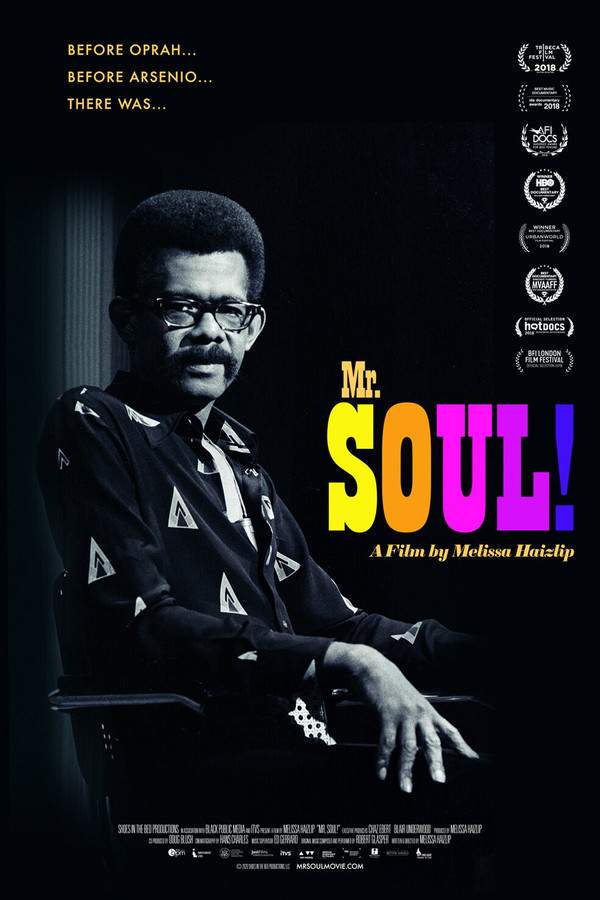
Premiereing in 1968, SOUL! marked a groundbreaking milestone as the first nationally broadcast all-Black variety show on public television. This unique program combined artists from the periphery with the post-Civil Rights Black radical thought, creating a platform that was both artistic and politically engaged. Ellis Haizlip, the visionary producer-turned-host, known for his openly gay identity and commitment to exploring uncharted aesthetic realms, brought avant-garde artistry into the mainstream by prioritizing poetry and politics.
The show introduced iconic talents like Patti LaBelle, Arsenio Hall, and Stevie Wonder, alongside early legends such as James Baldwin and earth, wind & fire, significantly influencing the cultural landscape and prompting political action from Nixon himself.
The documentary tracks the journey of SOUL! from a local entity to a national phenomenon, effectively chronicling the life and legacy of Ellis Haizlip, whose broad curatorial vision was pivotal to the show’s identity. A remarkable talent scout, Haizlip played an essential role in introducing numerous soon-to-be iconic African American artists to a wider audience. More importantly, he insisted that the series encapsulate the full spectrum of the African American experience, including gospel singers, poets, jazz artists, and even Black Panthers.
Set against a transformative cultural backdrop, SOUL! redefined the concept of being Black for an entire generation of African American viewers while simultaneously reshaping the white audience’s perception of Black culture. Notable figures like Questlove, Harry Belafonte, and poets such as Nikki Giovanni reflect on this remarkable chapter of pop culture history, sharing insights and memories from their time on the show.
With original music by Robert Glasper, the documentary offers a deep dive into these vital yet overlooked archives, providing powerful insights into Ellis Haizlip, a complex individual and often unsung hero behind the SOUL! phenomenon. “Mr. SOUL!” stands not only as a tribute to Haizlip’s dedication to championing Black culture but also serves as a crucial reminder of the ongoing need to tell the African-American experience in today’s world.
Mr. Soul! won the Peabody Award for Best Documentary in 2022 and received a nomination for the 2022 News & Documentary Emmy Awards for Outstanding Achievement in Craft in News and Documentary Programming. The film is currently available for streaming on Max.
Mr. SOUL! Timeline: Every Key Event in Order
12 key events in the order they happen, from “Premiere of SOUL!” to “Availability for Streaming”.
- 1
Premiere of SOUL!
In 1968, *SOUL!* made its debut as the first nationally broadcast all-Black variety show on public television. This groundbreaking milestone marked a new era in celebrating Black culture and artistry on a global stage.
When:1968
- 2
Visionary Leadership
Ellis Haizlip, the producer and host of *SOUL!*, was known for his openly gay identity and his commitment to avant-garde artistry. His vision encompassed a blend of poetry and politics, creating a show that was deeply engaged with the cultural and social issues of the time.
- 3
Introduction of Iconic Talents
The show featured a variety of legendary artists including Patti LaBelle, Arsenio Hall, and Stevie Wonder. By showcasing such talents, *SOUL!* significantly influenced the cultural landscape and inspired future generations of African American artists.
- 4
Political Impact
The impact of *SOUL!* was so profound that it prompted political responses, including from President Nixon. The show not only entertained but also engaged audiences in pressing social conversations, underlining the power of art as a form of activism.
- 5
Cultural Transition
The documentary chronicles the journey of *SOUL!* from a local entity to a national phenomenon, marking a pivotal shift in the representation of Black culture. It reflects on how the show redefined the concept of being Black for a generation of viewers.
- 6
Ellis Haizlip's Curatorial Vision
Ellis Haizlip played a crucial role as a talent scout, introducing various iconic African American artists to broader audiences. He emphasized the importance of showcasing the complete spectrum of the African American experience through art and performance.
- 7
Diverse Representation
The program included gospel singers, poets, jazz artists, and even representatives from the Black Panthers. By ensuring these diverse voices were heard, *SOUL!* offered a nuanced view of the richness of Black culture.
- 8
Reflection from Notable Figures
The impact of *SOUL!* is echoed in the reflections of notable figures like Questlove and Harry Belafonte. They share insights and memories that highlight the show's significance in pop culture and its role in shaping perceptions of Black identity.
- 9
Original Music Contribution
The documentary features original music by Robert Glasper, underscoring the artistic contributions that accompanied *SOUL!*. This musical element adds depth and vitality to the exploration of the show's legacy.
- 10
Tribute to Ellis Haizlip
The film *Mr. SOUL!* stands as a tribute to Ellis Haizlip's dedication in championing Black culture. It reinforces the importance of capturing and sharing the African American experience in contemporary narratives.
- 11
Critical Acclaim
*Mr. Soul!* received the Peabody Award for Best Documentary in 2022, highlighting the film's critical acclaim. It also garnered a nomination for the News & Documentary Emmy Awards, solidifying its place in the documentary film landscape.
When:2022
- 12
Availability for Streaming
*Mr. Soul!* is now available for streaming on Max, allowing a wider audience access to this important cultural documentary. This ensures that the legacy of *SOUL!* and its impact on American culture is preserved and recognized.
Who Are the Main Characters in Mr. SOUL!?
2 characters, among them Ellis Haizlip and Questlove: who each one is and the part they play in the story. 1 of them link to the actor’s page.
- EH
Ellis Haizlip
Ellis Haizlip, the show's visionary producer and host, played a central role in shaping *SOUL!* into a groundbreaking platform for Black artists. Known for his openly gay identity and avant-garde vision, Haizlip prioritized the representation of diverse African American experiences. His commitment to cultural expressions within the context of a national audience was pivotal in redefining Black culture on television.
- 👨🎤 Producer
- 🌈 LGBTQ
- 🎨 Art Advocate
- Q
Questlove
Played by Questlove
Questlove is featured in the documentary as a reflective icon of the Black cultural landscape influenced by *SOUL!*. As a musician and co-founder of The Roots, he represents the ongoing legacy of the show's impact on contemporary artists. His insights underscore the continuity of the artistic dialogue initiated by Haizlip and the *SOUL!* platform.
- 🎶 Musician
- 🎸 Innovator
- 🎤 Performer
Where and When Is Mr. SOUL! Set?
Mr. SOUL! is set in National television and United States (1968). Here is why the time and place matter to the story.
When
1968
The movie is set in the pivotal year of 1968, a time characterized by significant social change and civil rights movements across the United States. This period saw a surge in Black radical thought and artistic expression, as artists sought to break barriers and redefine their identity in a predominantly white culture. The events of this time were crucial in shaping the narrative of African American experiences in the arts and media.
Where
National television, United States
Mr. SOUL! primarily takes place on national television in the United States, showcasing a unique blend of culture, art, and politics. The well-known setting of the show, imbued with the struggles and accomplishments of African Americans, served as a platform for voices and talent from the Black community. This environment was pivotal in influencing the racial discourse in America during the late 1960s.
- 📺 Television
- 🇺🇸 United States
What Are the Themes of Mr. SOUL!?
3 ideas the story keeps returning to, among them Cultural Identity, Political Engagement and Artistic Expression.
-
01
Cultural Identity
Mr. SOUL! explores the theme of cultural identity by showcasing the diverse expressions of Black artistry. Through the lens of *SOUL!*, the film highlights how African American artists redefined their identity amid societal challenges. This theme resonates strongly as it emphasizes the significance of representation and the ongoing dialogue about Black culture.
-
02
Political Engagement
The film delves into the political engagement of the Black community during a transformative era. It captures how *SOUL!* served as a platform not just for entertainment, but also for advocacy and political discourse. Artists voiced their experiences and challenges, pushing for social change and community empowerment through their performances.
-
03
Artistic Expression
Artistic expression is a core theme of Mr. SOUL!, evident in the various performances featured on *SOUL!* The documentary showcases how art became a means of resistance and empowerment for Black artists. The emphasis on poetry, music, and dance underscores the innovative and avant-garde approaches these artists took to convey their messages.
What Kind of Film Is Mr. SOUL!?
Hopeful in tone, with steady pacing and a straightforward story, going by the plot summary.
- Tone
- Hopeful
- Pacing
- Steady
- Story
- Straightforward
- Intensity
- Medium
- Ending
- Happy
An uplifting and celebratory documentary that reflects on a groundbreaking cultural institution, inspiring viewers with its portrayal of Black excellence and the quiet heroism of its creator.
- uplifting
- nostalgic
- celebratory
- reflective
- inspiring
- educational
- black culture
- television history
- artistic expression
- civil rights
Quiz
How well do you remember Mr. SOUL!? Test yourself on the story.