
Mickey One 1965

Directed by
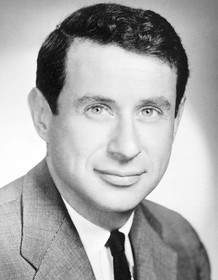
Arthur Penn
Made by

Florin Productions
Mickey One Plot Summary
Read the complete plot summary and ending explained for Mickey One (1965). From turning points to emotional moments, uncover what really happened and why it matters.
After drawing the wrath of the Mafia, a stand-up comic named Mickey flees Detroit for Chicago. He steals a Social Security card from Miklos Wunejeva, a homeless man, and uses it to land a job hauling garbage for a seedy diner. With the small wages he earns, he toils away enough to rent a room at a local flop house and buy himself some fresh clothes, gradually reappearing on the comedy stage. Yet he is never quite at ease with success—he fears that attention could put him back in danger and pull the mob’s strings from the shadows.
When a booking lands him at the upscale club Xanadu, his first rehearsal feels more like a private audition for an unseen, frightening voice, a voice that makes him tremble with dread. Paranoid that the mob has tracked him down, Mickey bolts, determined to learn who “owns” him and what debt he supposedly owes. He sets out to track down a mobster who might talk to him, but the pursuit ends in a brutal beating by nightclub doormen. Faced with the grim realization that escape might be impossible, he still chooses to take the stage, delivering his act with a stubborn resolve.
As he drifts through the city, he repeatedly encounters a mute, mime-like figure known only as The Artist. This enigmatic presence gradually becomes part of the story’s strange current, culminating in a surreal moment where The Artist unveils a Rube Goldberg–style machine, a deliberately self-destructive contraption called “Yes,” an homage to the kinetic work of Jean Tinguely. The image of this odd creation complements Mickey’s own fragile grip on reality, underscoring the film’s themes of performance, risk, and the uncontrollable forces that orbit those who step into the light.
Throughout the narrative, the tension between a performer’s need to be seen and the dangerous secrecy surrounding him threads its way from club to sidewalk, from fear to resolve. The city becomes both a stage and a labyrinth, where the line between showmanship and survival blurs, and every new encounter—whether with the harsh world offstage or the bizarre, almost dreamlike visions of The Artist and his machine—pushes Mickey toward a choice: keep running, or own his act no matter the cost.
Mickey One Timeline
Follow the complete movie timeline of Mickey One (1965) with every major event in chronological order. Great for understanding complex plots and story progression.
Mob wrath forces Mickey to flee Detroit
Following the Mafia's wrath, Mickey flees Detroit for Chicago to escape being silenced. The move marks the end of his old life and the fragile start of a new, precarious existence. He leaves behind familiarity in a desperate bid for safety.
Steals a Social Security card
In a moment of desperation, he steals a Social Security card from Miklos Wunejeva, a homeless man. The card becomes his passport to a new life as he lands a job using the name Mickey One.
Gets a low-paying job hauling garbage
Under the stolen identity, he lands a low-paying job hauling garbage for a seedy diner. The grind of the work forces him to stretch every dime and save what he can. The routine lays the groundwork for his fragile reinvention.
Rents a flop house room and buys new clothes
With the meager wages, he rents a room in a rundown flop house and buys a few new clothes to look the part of a performer. The modest comforts offer a short-lived shield against the fear that follows him. He clings to this fragile makeover as a sign that a normal life might still be possible.
Returns to the stand-up stage
He makes a tentative return to the microphone, stepping back on stage as a stand-up comic. He remains wary of sudden success, fearing the attention it could draw. The act is haunted by the undercurrent that the mob is listening.
Xanadu booking becomes an eerie audition
When he earns a booking at the upscale Xanadu club, the rehearsal feels more like an audition for an unseen, gruff-voiced man. The tense atmosphere, bright lights, and watching eyes heighten his anxiety. He senses a hidden threat looming over his performance.
Paranoia drives him to flee the club
Paranoid that the mob has found him, he bolts from the club and runs through the streets. He searches for signs of enforcement or debt, but finds only fear and a trace of isolation. The pursuit underscores how safe he can never truly be.
Decides to confront the mystery debt
Determined to understand what he owes, he resolves to find the mobster who 'owns' him and demand answers. He searches for someone who will talk, yet confrontations with gangsters prove hostile and evasive. The failed conversations harden his resolve to face whatever comes.
Beaten by nightclub doormen
In the rough pursuit, Mickey is beaten by nightclub doormen who treat him as trouble rather than a victim. The beating reinforces the sense that escape is nearly impossible. Yet the incident steels him to persevere with his act.
Realizes escape is impossible and performs anyway
The realization that escaping the mob is futile finally dawns on him, and he chooses to perform anyway. He uses the act to reclaim his voice and dignity, even as fear hovers nearby. The show becomes a defiant stand against control and danger.
The Artist appears in the city
While wandering the city, Mickey continually notices a mute mime-like figure known as The Artist. The sightings grow more surreal, hinting at a larger, mythic undertone to his plight. The presence of The Artist unsettles him and deepens the film's dreamlike atmosphere.
The Yes machine is unleashed
The Artist finally unleashes a self-destructive machine named Yes, a Rube Goldberg-like creation that erupts in chaos. The device feels like an homage to Jean Tinguely and signals a chaotic turn in Mickey's odyssey. The moment blurs the line between performance, fear, and real danger.
Mickey One Characters
Explore all characters from Mickey One (1965). Get detailed profiles with their roles, arcs, and key relationships explained.
Mickey (Warren Beatty)
A down-on-his-luck stand-up comic who flees Detroit after angering the Mafia. He steals a Social Security card to get work and survives on low wages in a Chicago flop house. He longs to return to the stage but remains wary of attracting attention or being owned by unseen forces. Ultimately he chooses to perform despite his paranoia, turning fear into his act.
The Artist (Kamatari Fujiwara)
A mute mime-like observer who haunts Mickey through the city. The Artist embodies the film's artistic gaze and delivers a strange, self-destructive machine called 'Yes' as a symbolic gesture. His presence intensifies the sense that life mirrors art and art can both reveal and wield power. He remains enigmatic, a constant reminder of unseen forces behind Mickey's fate.
Xanadu M.C. (Dink Freeman)
The master of ceremonies at Xanadu, the club where Mickey's audition becomes a tense, surreal moment. He embodies the nightclub's glamour and pressure, highlighting show business' lure and danger. His role anchors the contrast between spectacle and fear that pervades Mickey's journey.
Mickey One Settings
Learn where and when Mickey One (1965) takes place. Explore the film’s settings, era, and how they shape the narrative.
Time period
1960s
Set in the 1960s, the film places a struggling comic amid the era's dense urban nightlife and organized-crime atmosphere. The period's social tension and glamorous nightlife amplify Mickey's precarious balance between ambition and safety. The city becomes a living stage where performance and peril constantly intersect.
Location
Detroit, Chicago, Xanadu Club
The story unfolds across two gritty Midwestern cities, Detroit where Mickey flees, and Chicago where he hides among flop houses and seedy diners. The Xanadu Club stands out as the city's upscale nightlife hub, a backdrop for ambition and danger alike. The urban landscape—rundown neighborhoods and glittering nightspots—frames Mickey's precarious life and mounting paranoia.
Mickey One Themes
Discover the main themes in Mickey One (1965). Analyze the deeper meanings, emotional layers, and social commentary behind the film.
🎭
Identity
Mickey crafts a public persona as a stand-up in order to survive, while his true self remains at risk of exposure. The film probes how performance can shape reality and vice versa. His fear of drawing mob attention clashes with his desire for artistic success, highlighting the fragility of personal identity under pressure.
🕵️
Paranoia
The Mob's shadow looms over Mickey, turning daily life into a chase for safety. He endures confrontations, theft, and a stolen identity as he tries to stay ahead of those who want something from him. The city itself feels watched, making every decision a potential misstep toward captivity.
🎨
Art & Reality
The Artist and his self-destructive machine 'Yes' inject art into Mickey's life as a mirror and weapon. The film uses meta-artistic elements to question who owns a life lived on display. It blurs the line between stage performance and real danger, suggesting that art can reveal truth or intensify control.

Coming soon on iOS and Android
The Plot Explained Mobile App
From blockbusters to hidden gems — dive into movie stories anytime, anywhere. Save your favorites, discover plots faster, and never miss a twist again.
Sign up to be the first to know when we launch. Your email stays private — always.
Explore the mobile appMickey One Spoiler-Free Summary
Discover the spoiler-free summary of Mickey One (1965). Get a concise overview without any spoilers.
In a world where the spotlight can be as perilous as the shadows, Mickey finds himself running not toward fame, but away from a past that threatens to consume him. After drawing the wrath of the Mafia in Detroit, this stand-up comic flees to Chicago, forced to trade the stage for a life of desperate anonymity. The premise sets up a high-stakes game of survival where the rules are unwritten and the only certainty is that being noticed could prove fatal. It is a narrative deeply rooted in the paranoia of the unknown, where a man’s identity becomes his most fragile possession.
Stripped of his name, Mickey scrapes by on the margins of society, using a stolen Social Security card to secure work hauling garbage and renting a room in a grim flophouse. Yet, the pull of the comedy stage remains an irresistible, dangerous force. As he gradually maneuvers his way back into the spotlight, the story builds a palpable tension: the performer’s innate need to be seen wars directly with the fugitive’s need to remain invisible. Every round of applause feels like a potential alarm bell, and every new gig threatens to expose the debt he supposedly owes to unseen forces.
The film elevates this psychological struggle with a distinctively surreal and avant-garde tone. As Mickey navigates the city’s underbelly, he encounters a mute, mime-like figure known only as The Artist, whose enigmatic presence underscores the story’s dreamlike and often disorienting atmosphere. This strange character, accompanied by visions of bizarre, self-destructive machines, mirrors Mickey’s own fragile grip on reality. The city becomes a labyrinth of existential dread and noir aesthetics, blurring the lines between performance and survival, and pushing Mickey toward a choice between living in the shadows or owning the stage regardless of the cost.
Movies with Similar Twists and Themes
Uncover films that echo the narrative beats, emotional arcs, or dramatic twists of the one you're exploring. These recommendations are handpicked based on story depth, thematic resonance, and spoiler-worthy moments — perfect for fans who crave more of the same intrigue.


Featured on this page

What's After the Movie?
Not sure whether to stay after the credits? Find out!
Check out our other apps:

SAT Sphere
Build confidence for the Digital SAT.

Mori Atlas
Discover wild places worth protecting.

Luntero
Search smarter for a home in Amsterdam.

Plot Explained
Unravel movie endings and hidden clues.

Pokechamp
Dive into Pokémon data and battle logic.

Driving Theory
Get ready for your European theory test.

Movie Dust
Plan your next cinema trip with ease.

Musemap
Find art and culture as you travel.

Selkobase
Compare credentials before committing.

Local Manual
Turn an unfamiliar country into practical next steps.

Lernavi
Compare school systems before your next move.

GymRoam
Find a workout stop wherever your plans take you.
Explore Our Movie Platform
New Movie Releases (2026)
Famous Movie Actors
Top Film Production Studios
Movie Plot Summaries & Endings
Major Movie Awards & Winners
Best Concert Films & Music Documentaries
Movie Collections and Curated Lists
© 2026 What's After the Movie. All rights reserved.
Privacy Policy