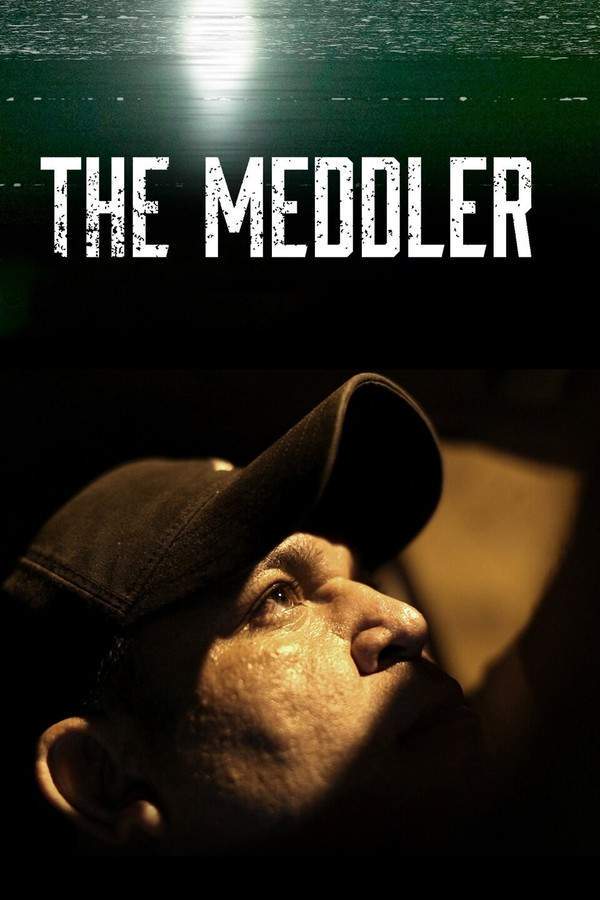
What Is Merrily We Go to Hell About?
The premise of Merrily We Go to Hell in 216 words, with nothing given away. The full story follows below.
In the glitter of a high‑society soirée, the world of Joan Prentice—a privileged heiress accustomed to polished expectations—collides with a different sort of drama. Jerry Corbett arrives as a newspaper reporter whose talent for storytelling is matched only by his battle with a relentless drinking habit. Their instant attraction sets the stage for a romance that promises to bridge the gap between wealth and ambition, while the city’s bustling backdrop hums with the restless energy of 1930s ambition and artistic longing.
The film unfolds as a character‑driven study, balancing the glossy veneer of affluent gatherings with the more shadowed corners of personal struggle. Joan brings both compassion and determination to the relationship, offering Jerry a lifeline that includes encouragement to pursue his dream of playwrighting. Their partnership becomes a tentative experiment in redemption, where love is measured not by grand gestures but by the willingness to confront inner demons and nurture fragile hope.
Through a tone that blends bittersweet humor with earnest drama, the story hints at the fragile equilibrium between aspiration and self‑destruction. As Jerry teeters between sobriety and relapse, the pair navigate a delicate dance of support, doubt, and longing, leaving the audience to wonder whether their combined resolve can sustain the dream they share—or whether the specter of addiction will ultimately eclipse it.
What Happens in Merrily We Go to Hell?
The complete story of Merrily We Go to Hell, from the first scene to the last, in 480 words (about 2 minutes). Spoilers throughout. Names in the text link to 4 cast member pages.
Spoilers ahead
Jerry Corbett, Fredric March, a Chicago reporter and self-styled playwright, meets heiress Joan Prentice, Sylvia Sidney, at a party and they begin dating. Jerry, despite his dim economic prospects and his struggle with alcohol, proposes to Joan, who accepts the marriage proposal against the objections of her father, George Irving. The engagement party soon arrives, but Jerry succumbs to heavy drinking right before it, nearly spoiling everything; nevertheless, Joan stands by him and chooses to believe in a future together.
As the couple pursues their dream of a life together, Jerry writes plays that are rejected, and he battles his addiction with varying degrees of success. He eventually sells one play, and the pair travel to New York to see the production bring their hopes to life. The production’s star turns out to be Jerry’s former girlfriend, Claire Hampstead, and on the premiere night he drinks again, becomes intoxicated, and mistakes Joan for Claire. Yet Joan remains steadfast in her support, refusing to abandon him when the night spirals out of control.
When Joan catches Jerry attempting to sneak out to Claire one night, she kicks him out of their home, and on the following day she reveals that they will pursue a “modern marriage”—one in which she intends to have affairs herself. The relationship fractures, and Jerry is last seen toasting with Claire in a moment that seems to celebrate a reckless freedom. > Merrily we go to hell
In contrast, Joan forges ahead with a sense of independence, and she moves forward with her life. Yet the bond between them lingers, and the couple’s dynamic shifts as time passes. Joan becomes pregnant and learns from her doctor that her health is fragile, complicating their already fragile arrangement. She tries to tell Jerry, but his attention remains fixated on Claire, and Joan decides to move on in search of stability and healing. Meanwhile, Jerry’s career falters as he struggles to write a successful follow-up play, and he comes to realize that his love for Joan is stronger than his pride.
Eventually, Jerry decides to change course. He vows to sobriety, returns to Chicago, and resumes work as a reporter, though Joan’s father keeps them apart for the time being. A twist of fate arrives when a gossip columnist reveals that Joan has given birth. Jerry rushes to the hospital to see her, only to be told by her father that the baby died two hours after birth and that Joan is gravely ill, wishing never to see him again. Yet, against all odds, Jerry finds a way into Joan’s room. As she endures pain and begs for him, he discovers that she has been pleading to see him all along. In a quiet, tender moment, a remorseful Jerry pledges his love and they share a kiss, seeking a chance at reconciliation and the life they once hoped to build together.
Merrily We Go to Hell Timeline: Every Key Event in Order
12 key events in the order they happen, from “Meeting and start of romance” to “Reconciliation and kiss”. 11 events name a place, across 3 locations.
- 1
Meeting and start of romance
Jerry Corbett, a Chicago reporter and aspiring playwright, meets heiress Joan Prentice at a party and they begin dating. They are drawn together despite their differences in status and Jerry's unstable finances. Their budding romance is tested by his addiction and their conflicting ambitions.
Where:Chicago
- 2
Proposal and engagement party
Jerry proposes to Joan and she accepts despite his dim prospects and alcoholism. The engagement party is ruined by his heavy drinking, yet Joan stands by him. Their commitment remains fragile but real as they plan a life together.
Where:Chicago
- 3
Struggles with addiction and rejections
Jerry writes plays that are rejected, and he struggles to break through commercially. He fights his alcohol addiction while trying to maintain his relationship with Joan. Joan remains supportive as he pursues his dream of success.
Where:Chicago
- 4
First breakthrough and trip to New York
Jerry finally sells a play and the couple travels to New York to see the production. The trip marks a high point as their relationship seems to be on track at last. However the glamour of success soon collides with his lingering personal turmoil.
Where:New York
- 5
Premiere night disaster
On the premiere night, the star of the play is Jerry's former girlfriend Claire Hampstead. Jerry drinks heavily, becomes inebriated, and mistakes Joan for Claire. Joan stands by him despite the chaos, but the strain is clear.
When:premiere night Where:New York
- 6
Confrontation and separation
Joan confronts Jerry about his infidelity and tries to intervene before he sneaks out to Claire. Joan kicks him out, signaling the end of their immediate life together. The rift between them grows as he clings to Claire while Joan contemplates a different life.
When:the night after premiere Where:New York
- 7
The modern marriage declaration
The next day Joan declares they will have a modern marriage and that she intends to have affairs herself. The couple redefines their relationship, blurring the lines of conventional marriage. Her decision signals a deepening emotional distance.
When:the day after Where:New York
- 8
Affair continues and conflicted toast
Jerry is seen making a toast with Claire about their reckless life. Joan and her date toast to the holy state of matrimony, single lives, twin beds and bromides in the morning. The two couples symbolize competing impulses and the fragility of their relationships.
When:soon after the previous events
- 9
Pregnancy and health crisis
Joan becomes pregnant and learns from her doctor that her health is poor. She tries to tell Jerry, but he is preoccupied with Claire and she decides to move on. The pregnancy raises the stakes and foreshadows tragedy.
When:after the toast Where:New York
- 10
Realization and sobriety
After he fails to write a successful follow up play, Jerry realizes he loves Joan. He commits to sobriety and returns to Chicago to work as a reporter. Joan's father keeps them apart, maintaining the rift despite his renewed resolve.
Where:Chicago
- 11
Hospital reveal
Jerry learns from a gossip columnist that Joan has given birth. He goes to the hospital to see her and discovers that the baby died two hours after birth and that Joan is very ill. Her father tells him she does not want to see him, but Jerry sneaks into her room anyway.
When:birth day Where:Hospital
- 12
Reconciliation and kiss
A repentant Jerry pledges his love to Joan and they kiss. Joan, in pain, seems receptive to reconciliation, though the fragility of their situation remains. The film closes on a note of renewed hope after years of turmoil.
Where:Hospital
Who Are the Main Characters in Merrily We Go to Hell?
4 characters, among them Joan Prentice (Sylvia Sidney), Jerry Corbett (Fredric March) and Claire Hampstead (Adrianne Allen): who each one is and the part they play in the story. Every profile links to the actor’s page.
-
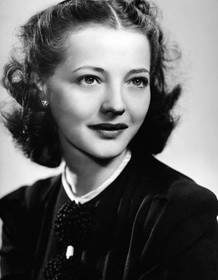
Joan Prentice (Sylvia Sidney)
Played by Sylvia Sidney
An heiress who defies her father’s objections and embraces Jerry's volatile romance. She demonstrates quiet resilience, loyalty, and a willingness to push boundaries for love. She envisions a modern marriage, even as she negotiates independence and personal risk, including the possibility of affairs. Ultimately, she endures illness and seeks connection with Jerry amid social pressures.
- 🎭 Drama
- 💖 Romance
- 🏛️ High Society
-
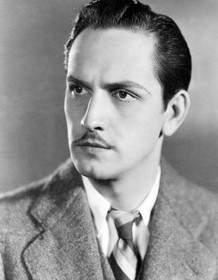
Jerry Corbett (Fredric March)
Played by Fredric March
A Chicago reporter and self-styled playwright whose charm hides deep insecurities and a struggle with alcohol. He faces rejection, relapse, and the difficulty of balancing ambition with responsibility. He seeks redemption through sobriety and returning to his career, hoping to repair his relationship with Joan. His journey is one of confession, longing, and imperfect progress.
- 🎭 Drama
- 💔 Romance
- 🥃 Addiction
- CH
Claire Hampstead (Adrianne Allen)
Played by Adrianne Allen
Jerry's former girlfriend and the star of the play who introduces temptation and complexity to the romantic triangle. She embodies allure and competition, contributing to Jerry's relapse and the strain on his marriage. Her presence challenges Joan's patience and highlights the fragility of fidelity in a glamorous urban world.
- 🎭 Drama
- 💔 Romance
- 🏆 Theatre
-
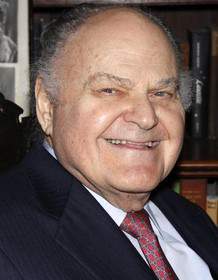
Mr. Prentice (George Irving)
Played by George Irving
Joan's father, a protective and status-conscious patriarch who objects to the marriage. He wields influence over the couple’s fate and maintains social proprieties, ultimately acting as a barrier to their happiness. His decisions reflect the era's tension between wealth, reputation, and personal choice.
- 👔 High Society
- 🎭 Drama
- 🏛️ Patriarchy
Where and When Is Merrily We Go to Hell Set?
Merrily We Go to Hell is set in Chicago and New York. Here is why the place matters to the story.
Where
Chicago, New York
The story moves between Chicago and New York, two iconic urban settings. It opens at a social party in Chicago and follows the couple into the theatre-driven milieu of New York. The locations emphasize contrasts between Midwestern roots and metropolitan ambition, social status, and romantic longing.
- 🏙️ City Life
- 🎭 High Society
- 🥂 Party Scene
What Are the Themes of Merrily We Go to Hell?
3 ideas the story keeps returning to, among them Love vs Addiction, Modern Marriage and Family and Consequence.
-
01
Love vs Addiction
The film centers on a relationship stretched by Jerry's alcohol dependence and his partner's loyalty. It shows how devotion can clash with self-destructive habits, testing trust and devotion over time. Relapses, recovery efforts, and the pursuit of redemption drive the emotional core of the story.
-
02
Modern Marriage
A social critique of traditional norms, the narrative probes what a 'modern marriage' should look like in an urban setting. Joan and Jerry navigate fidelity, independence, and mutual expectations within a shifting moral landscape. The film uses sharp dialogue and city life to question conventional roles.
-
03
Family and Consequence
Pregnancy introduces high stakes, health concerns, and societal scrutiny. The couple faces the consequences of their unstable relationship, including illness and loss, which tests their commitment. Redemption hinges on rekindled love and reconciliation rather than escape from responsibility.
What Kind of Film Is Merrily We Go to Hell?
Melancholic in tone, with steady pacing and a moderate story, going by the plot summary.
- Tone
- Melancholic
- Pacing
- Steady
- Story
- Moderate
- Intensity
- Medium
- Ending
- Bittersweet
A melancholic and steady-paced pre-Code drama that charts the turbulent and tragic romance between an heiress and a playwright, marked by hope, heartbreak, and a tenuous path toward reconciliation.
- melancholic
- somber
- tense
- hopeful
- tragic
- romantic
- alcoholism
- marital strife
- career ambition
- infidelity
Content notes: alcoholism, infant death.
Quiz
How well do you remember Merrily We Go to Hell? Test yourself on the story.