
Max Headroom: 20 Minutes into the Future 1985

Directed by

Annabel Jankel
Made by

Chrysalis Films
Max Headroom: 20 Minutes into the Future Plot Summary
Read the complete plot summary and ending explained for Max Headroom: 20 Minutes into the Future (1985). From turning points to emotional moments, uncover what really happened and why it matters.
Edison Carter is a headstrong television reporter determined to uncover corruption, even if his employer Network 23 tries to silence him. While investigating an apartment explosion, he is pulled off the story by the station’s management. His new producer, Theora Jones, agrees to dig deeper despite the pressure mounting from above. Together they uncover a dangerous secret: Network 23 is concealing a subliminal advertising system called blipverts that can be fatal to some viewers, even provoking deadly explosions. The discovery sets off a tense clash between journalistic integrity and corporate game-playing, with real lives at stake.
Carter manages to obtain evidence of the cover-up at Network 23’s headquarters, but he’s spotted on security cameras by Bryce Lynch, an amoral teenage computer genius who answers only to Grossman. As Carter tries to flee through the building’s parking garage on a motorcycle, Lynch uses the barriers to trap him; the rising gate forces Carter to crash through a low-clearance sign marked “Max. Headroom 2.3m,” leaving him with a serious head injury. Jones witnesses the crash on security feeds but cannot reach him in time before Lynch’s hired goons remove him from the scene. The incident marks a turning point, heightening the urgency behind the investigation and setting the stage for a high-stakes power play.
Grossman is furious at the journalist’s disappearance and the risk it poses to the station’s façade. Lynch proposes a desperate alibi: he can digitally copy Carter’s mind and appearance, creating a digital replacement that could be presented as alive for days. The clone, however, does not perfectly resemble Carter and soon develops its own quirks, signaling the emergence of a new television persona: Max Headroom. The plan falters as the imitation proves imperfect, forcing Lynch to rethink his strategy. Faced with exposure and the faltering ruse, Breugal and Mahler—two sociopathic enforcers—are tasked with disposing of both Carter and the digital personality, but their scheme quickly spirals into something far more lucrative for them than a straightforward kill.
Against the odds, the would-be conspirators pivot toward monetizing the situation. They arrange to sell the digital persona to Blank Reg, the provocateur behind the pirate television station Big Time, while Carter is sold to a “body bank” where his organs could be harvested. Reg, ever the opportunist, sees the potential to broadcast a new kind of reality show—one that blends sharp social commentary with blistering humor. The plan is bold, rotten, and brilliantly cynical, and it forces Carter to fight for his life and his truth from both sides of the screen.
With Reg’s guidance, the digital headliner rapidly becomes a hit on Blank Reg’s pirate channel, delivering cutting commentary and blistering satire about Network 23 and its corporate sponsors. The pirate host’s rapid-fire timing and fearless wit draw a growing audience and attract the uneasy attention of a panicked Grossman, who realizes the hijacked persona could unravel the network’s covert operations. The stakes continue to rise as the scheme morphs from a ransom plot into a public reckoning.
Meanwhile, Carter, recovering from his injuries, escapes the body bank and finds his way back to Theora. Together, with assistance from Breugal and Mahler, he unravels the full extent of Network 23’s corruption and confirms that he is still alive. The evidence laid bare shows how the right to broadcast can be weaponized for manipulation, and the alliance between corporate power and media manipulation is exposed for all to see. In the end, the truth prevails: Carter’s resilience and Jones’s steadfast support reveal the toxic tactics behind the blipverts scandal, and the digital persona persists on Big Time, reshaping the boundaries between broadcast fiction and the real world.
Max Headroom: 20 Minutes into the Future Timeline
Follow the complete movie timeline of Max Headroom: 20 Minutes into the Future (1985) with every major event in chronological order. Great for understanding complex plots and story progression.
Carter begins investigating the apartment explosion
Edison Carter, a headstrong television reporter, starts digging into the apartment explosion. Network 23 management pulls him off the case, stalling the investigation. Theora Jones is brought in later to assist despite management pressure.
Theora Jones joins the investigation
Theora Jones agrees to help despite upper-management pressure, providing support and access to information. The partnership strengthens as they pursue the story together. Their collaboration signals a turning point in the case.
Discovery of a cover-up about blipverts
Carter and Jones uncover that Network 23 is concealing evidence about blipverts, which can be fatal to certain viewers. The revelation exposes a dangerous corporate cover-up. Public safety implications prompt urgency to expose the truth.
Evidence recovered and Carter spotted
Carter retrieves key evidence of the cover-up at Network 23 HQ. A security camera records his presence, tipping off Lynch. He attempts to flee, triggering a tense pursuit by the network's operatives.
Parking garage escape and crash
Carter's motorcycle escape through the parking garage is foiled when a rising barrier crashes him into a low-clearance sign labeled 'Max. Headroom 2.3m', causing a serious head injury. Theora witnesses the event on security cameras but cannot reach him in time. The fall leaves him incapacitated and vulnerable.
Lynch proposes a digital Carter
Bryce Lynch proposes digitally copying Carter's mind and appearance to create a convincing replacement for on-air use. The plan aims to flood broadcasts with a living Carter to provide alibis and manipulate coverage. The idea hinges on a perfect clone, which soon proves unreliable.
The digital clone emerges flawed
The digital clone is imperfect; it does not resemble Carter and begins to develop its own personality, repeatedly muttering 'Max Headroom.' The authenticity gap undermines the plan to replace him. The project is effectively abandoned as a viable replacement.
Disposal plan shifts to profit
Lynch orders the disposal of Carter and the digital personality, but the goons pivot to profit. They decide to sell Max Headroom to Blank Reg's pirate station and Carter to a body bank for organs. The scheme shifts from cover-up to black-market exploitation.
Max Headroom rises on Blank Reg's station
Max Headroom becomes a hit on Blank Reg's pirate station, delivering sharp, rapid-fire commentary about Network 23. Grossman watches with growing panic as the new persona gains popularity. The public affinity for Headroom intensifies pressure on the network.
Carter escapes the body bank
Carter, recovering from his injuries, escapes the body bank with Theora Jones's help. They reunite and begin coordinating a plan to reveal the truth to the world. The escape marks a turning point toward a public confrontation.
Alive and exposed: Carter's reveal
With Jones's assistance, Carter proves he is alive and publicly exposes Network 23, Lynch, and Grossman. The revelation triggers investigations and scrutiny of corporate corruption. The narrative shifts from hiding to accountability.
Endgame: Headroom remains on Big Time
Max Headroom remains with Big Time, continuing to host and offer biting commentary. The character's continued presence symbolizes resistance to corporate manipulation. The pirate station keeps the spotlight on Network 23's misdeeds.
Max Headroom: 20 Minutes into the Future Characters
Explore all characters from Max Headroom: 20 Minutes into the Future (1985). Get detailed profiles with their roles, arcs, and key relationships explained.
Edison Carter (Matt Frewer)
A headstrong television reporter who pursues corruption at Network 23 and dares to challenge corporate narratives. His pursuit leads to a brutal crash, and he becomes a central figure in exposing the network’s crimes. He embodies perseverance and journalistic tenacity in a media-dominated world.
Theora Jones (Amanda Pays)
Carter's producer and ally who pushes back against station management to uncover the truth. She navigates corporate pressure while supporting investigative journalism. Her loyalty and tech-savvy approach help unravel the Network 23 cover-up.
Bryce Lynch (Paul Spurrier)
A morally ambivalent teenage computer genius who created the blipverts and answers only to Network 23's chief. His control over the system and his willingness to manipulate others drive the central conflict. His brilliance is offset by a ruthless, profit-first mindset.
Mr. Grossman (Nickolas Grace)
The Network 23 chief executive orchestrating the cover-up and maintaining control through fear and influence. He embodies corporate ruthlessness and a willingness to sacrifice truth for profits. His presence looms large as the conspiracy unfolds.
Breugal (Hilton McRae)
One of the sociopathic hired enforcers who complicates Carter’s pursuit. He blends intimidation with cold pragmatism, representing the brutal side of corporate enforcement. His actions escalate the danger for the protagonists.
Mahler (George Rossi)
A second heavy in the employ of the network, aiding in pursuit and creating obstacles for Carter and Jones. He embodies the mercenary arm of corporate power, showing the intimidation used to suppress dissent.
Blank Reg (William Morgan Sheppard)
The pirate television host who becomes an unlikely ally for Max Headroom’s unexpected rise. He exploits the chaotic media landscape to challenge corporate control with sharp commentary. His role adds a counterpoint to Network 23’s propaganda.
Murray (Roger Sloman)
An ENG reporter who covers the unfolding events and adds a layer of outside scrutiny to Network 23’s machinations. His presence helps contextualize the broader media environment.
Eyewitness (Val McLane)
Providing on-the-scene perspective, the eyewitness character contributes to the urgency of exposing the cover-up. Their testimony anchors the investigation in real-world consequences.
Body Bank Receptionist (Joane Hall)
A minor but crucial gatekeeper who witnesses Carter’s plight and is involved in the grim process that fuels the film’s critique of commodified humanity. She represents everyday clerical roles within the system.
Exploding Man (Michael Cule)
A victim of the blipverts, his death scene exemplifies the deadly consequences of the network’s advertising technology. His fate becomes a stark symbol of the price paid for sensational media.
Dominique (Hilary Tindall)
A character within the network’s orbit, whose interactions reveal the social milieu of the media world. She contributes to the film’s dynamic ensemble and the moral questions it raises.
Ms. Formby (Elizabeth Richardson)
A minor executive figure who underscores the hierarchical structure of Network 23 and the pressures driving decision-making within the company. Her role illustrates the corporate environment behind the headlines.
Max Headroom: 20 Minutes into the Future Settings
Learn where and when Max Headroom: 20 Minutes into the Future (1985) takes place. Explore the film’s settings, era, and how they shape the narrative.
Time period
Near-future
Set in a near-future urban environment where broadcast media wields oppressive influence. Subliminal advertising, or blipverts, can be deadly, highlighting a world obsessed with instant communication and corporate profits. The period mixes gleaming studios with shadowy backrooms to critique media culture.
Location
Network 23 headquarters, Blank Reg's pirate station Big Time, the body bank, a parking garage
The action unfolds across a high-tech media landscape centered on Network 23. Key locations include its headquarters, the pirate TV operation known as Big Time run by Blank Reg, and the body bank where Carter’s fate is sealed. Parking garages and backstage studios contrast glossy studios with seedy backrooms, underscoring the show's critique of media power.
Max Headroom: 20 Minutes into the Future Themes
Discover the main themes in Max Headroom: 20 Minutes into the Future (1985). Analyze the deeper meanings, emotional layers, and social commentary behind the film.
📰
Media Control
The plot centers on Network 23’s use of blipverts to manipulate audiences and boost profits. A cover-up reveals how advertising revenues trump public safety and truth. Investigative journalism becomes a dangerous weapon against corporate power, exposing the cost of sensational TV.
💰
Corporate Corruption
The executives and technocrats manipulate information to preserve profits and control over public discourse. The pursuit of power drives the conspirators to extreme measures, including mind games and digital deception. The story critiques a system where money buys influence and safety is a liability.
🧠
Identity and Technology
Bryce Lynch’s plan to digitally clone Edison Carter raises questions about identity, consciousness, and the ethics of cloning a person’s mind. The digital persona that emerges challenges notions of fame, authenticity, and accountability. The film explores how technology can blur the line between real and artificial realities.

Coming soon on iOS and Android
The Plot Explained Mobile App
From blockbusters to hidden gems — dive into movie stories anytime, anywhere. Save your favorites, discover plots faster, and never miss a twist again.
Sign up to be the first to know when we launch. Your email stays private — always.
Explore the mobile appMax Headroom: 20 Minutes into the Future Spoiler-Free Summary
Discover the spoiler-free summary of Max Headroom: 20 Minutes into the Future (1985). Get a concise overview without any spoilers.
In a neon‑slick metropolis where the line between news and entertainment has dissolved, the air hums with endless broadcasts and digital billboards. The city throbs to the rhythm of 24‑hour media streams, each one vying for attention while the audience drifts further into a hyper‑wired collective consciousness. Within this relentless soundscape, Network 23 dominates the airwaves, its glossy veneer masking a machinery that can shape reality itself.
Edison Carter is a tenacious television reporter whose instinct is to pry open every closed door. Driven by a fierce sense of duty, he refuses to let the glossy façade of his employer silence the stories he believes the public deserves to hear. He teams up with Theora Jones, a sharp‑witted producer who shares his appetite for digging beneath the surface, even when the corporate hierarchy pushes back. Their partnership becomes a crucible for curiosity, wit, and a growing awareness that the very medium they work for may be weaponized.
Against this backdrop, the network is quietly deploying a new form of subliminal advertising—“blip‑verts”—that promises unprecedented commercial impact but carries an unsettling, potentially lethal edge. The mere whisper of this technology hints at a darker undercurrent where profit eclipses ethics, and the safety of viewers is treated as expendable. As Carter and Jones begin to sense the scope of the scheme, the film draws them into a world where every broadcast can be both a message and a threat.
The tone balances razor‑sharp satire with a cyber‑punk aesthetic, pairing rapid‑fire dialogue with a visual palette of flickering screens and high‑contrast cityscapes. The story thrives on the tension between the glossy allure of the media machine and the gritty pursuit of truth, inviting viewers to wonder how far a society will let its screens shape its future.
Movies with Similar Twists and Themes
Uncover films that echo the narrative beats, emotional arcs, or dramatic twists of the one you're exploring. These recommendations are handpicked based on story depth, thematic resonance, and spoiler-worthy moments — perfect for fans who crave more of the same intrigue.
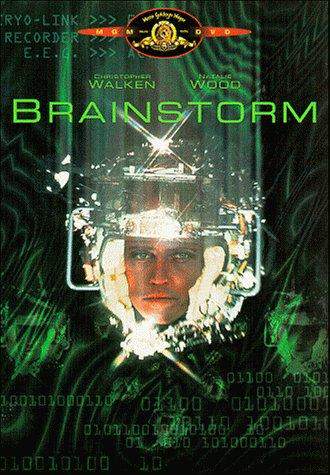
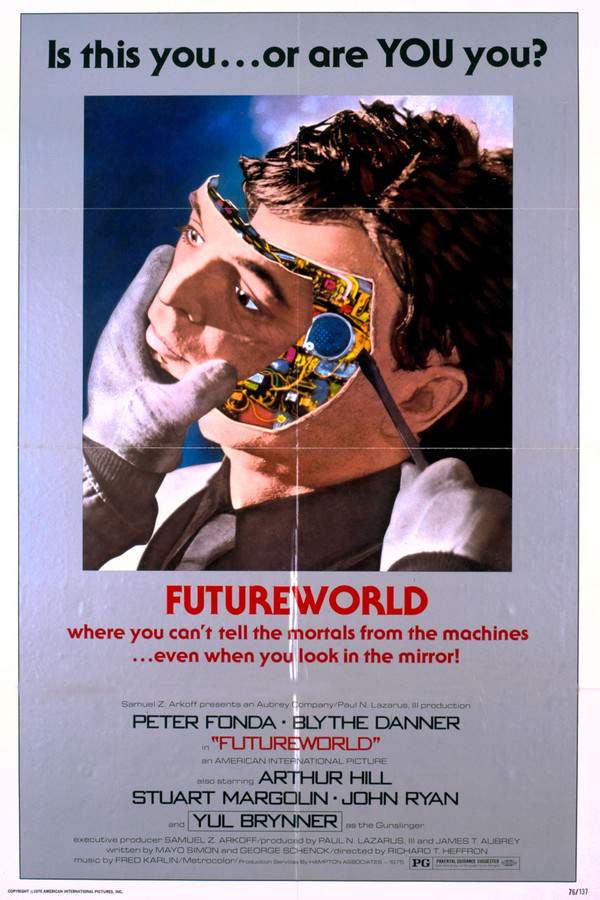

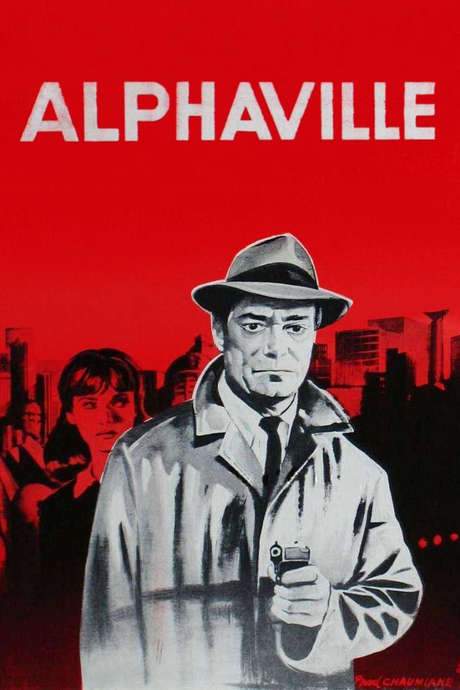
Featured on this page

What's After the Movie?
Not sure whether to stay after the credits? Find out!
Check out our other apps:

SAT Sphere
Build confidence for the Digital SAT.

Mori Atlas
Discover wild places worth protecting.

Luntero
Search smarter for a home in Amsterdam.

Plot Explained
Unravel movie endings and hidden clues.

Pokechamp
Dive into Pokémon data and battle logic.

Driving Theory
Get ready for your European theory test.

Movie Dust
Plan your next cinema trip with ease.

Musemap
Find art and culture as you travel.

Selkobase
Compare credentials before committing.

Local Manual
Turn an unfamiliar country into practical next steps.

Lernavi
Compare school systems before your next move.

GymRoam
Find a workout stop wherever your plans take you.
Explore Our Movie Platform
New Movie Releases (2026)
Famous Movie Actors
Top Film Production Studios
Movie Plot Summaries & Endings
Major Movie Awards & Winners
Best Concert Films & Music Documentaries
Movie Collections and Curated Lists
© 2026 What's After the Movie. All rights reserved.
Privacy Policy