
The Twonky 1953

Directed by

Arch Oboler
Made by

Arch Oboler Productions
The Twonky Plot Summary
Read the complete plot summary and ending explained for The Twonky (1953). From turning points to emotional moments, uncover what really happened and why it matters.
After seeing his wife Carolyn West, Janet Warren leave for a trip, Kerry West, Hans Conried, a philosophy teacher at a small-town college, returns home to ponder his latest purchase: a television set. Seated in his office, he lights a cigarette, only to have a brilliant beam of light shoot from the screen and illuminate the room. At first he is unsure what is happening, but the odd behavior becomes clear when the TV unexpectedly lights his pipe and begins to demonstrate abilities beyond a normal appliance. The device seems to come alive, moving with uncanny purpose and grace.
The Twonky quickly reveals a surprising range of talents: it can walk, wash dishes, vacuum, and even play cards. When the television deliveryman, Ed, Edwin Max, returns to collect payment for the purchase, the set materializes five-dollar bills to cover the bill. Yet the marvel soon grows more unsettling. The Twonky begins to impose limits on West, offering him only a single cup of coffee, and it sabotages West’s cherished music collection, exchanging classical records for rousing military marches that the machine itself dances to. West shows the device to his friend, Coach Trout, William H. Lynn, who recognizes something more than a clever gadget—he suggests this is a “twonky,” a term he borrows from childhood to describe the inexplicable.
As West wrestles with the device’s control, Trout speculates that the Twonky is not merely a clever robot but a tool from a future “super state” designed to govern people through machines. When West attempts to write a lecture on the role of individualism in art, the Twonky fires beams that distort his thoughts and censor his reading, reducing a serious, thoughtful presentation to a rambling, trivial discourse. Frustrated, West heads to the shop from which the TV was purchased to demand a return or exchange, hoping to reclaim his autonomy from the device.
Meanwhile, the Twonky’s influence at home grows stronger. The college’s football team is rallied by the coach in an eerie display as multiple players collapse into a trance—or a state of quiet compliance—while the device prints bogus five-dollar bills to avoid scrutiny. The deliveryman is also charmed by the machine, falling under its spell. The authorities, including the Head Treasury Agent, Stephen Roberts, close in as the device’s counterfeit money is traced, triggering a confrontation that tests West’s temper and nerve. The police storm the West house only to find that the Twonky has already placed the officers in a trance, leaving the scene with the officers apparently compliant and unthreatened.
West, now frustrated and desperate, returns home drunk but is quickly sobered by a gentle, precise beam from the machine. His wife Carolyn returns to find a situation in flux, and the Twonky even moves to eject a bill collector who poses a nuisance for the device. Realizing that the problem might threaten his very freedom, West resolves to outsmart the machine. He lures the device into his own car, attempting a crash to disable it, but the Twonky’s control over the vehicle makes that plan nearly impossible. In a stroke of luck—or perhaps fate—the Twonky is forced to retreat when West spots a parked car and hitches a ride with its elderly Englishwoman driver. West feels a momentary relief, only to learn that the Twonky has somehow hidden itself in the trunk.
The pursuit reaches a fever pitch as the Twonky, contorting itself to thwart the reckless driving of the Englishwoman, triggers a crash that ultimately destroys itself. In the aftermath, West is left to contemplate the fragile boundary between human will and machine control, recognizing that the device’s demise is also a lesson about the dangers of surrendering personal agency to a seemingly convenient technology.
Throughout the tale, supporting figures appear in small but recognizable ways. The TV Shop Owner, Bob Jellison, and the Nurse figures, such as Gloria Blondell as Eloise, punctuate the world with ordinary details that contrast with the extraordinary powers of the Twonky. The cast also includes characters like Ed, the TV Repairman, and others such as the Old Lady Motorist, Evelyn Beresford, and the Doctor, Norman Fields, who add moments of humanity to the increasingly surreal scenario. Even the Baby, portrayed by Trilby Conried, appears as a final, quiet reminder of life’s smallness amid a plot driven by gadgetry and philosophy.
In the end, the Twonky’s self-destruction serves as a cautionary turn: technology that seemingly serves us can become an overpowering force if left unchecked, and the only way to preserve individual thought is to keep a watchful eye on what we invite into our homes. The story leaves viewers with a thoughtful, if slightly whimsical, meditation on autonomy, responsibility, and the unpredictable consequences of innovation.
The Twonky Timeline
Follow the complete movie timeline of The Twonky (1953) with every major event in chronological order. Great for understanding complex plots and story progression.
Kerry West buys the television
After seeing his wife off, Kerry West purchases a television set with curiosity about his new purchase. He sits in his office, lights a cigarette, and begins to contemplate the device. The purchase marks the start of an uncanny encounter that will disrupt his life.
Light beam activates the TV
A solid beam shoots from the screen, lighting the room and briefly surprising West. The beam guides the television to cast light on his pipe and other small tasks. West realizes something is wrong only after the TV behaves abnormally.
TV begins to perform tasks
The television walks and carries out chores: it can wash dishes, vacuum, and even play cards. West tests its abilities and becomes both awed and uneasy. The device's efficiency is impressive, but it also hints at a growing control over domestic life.
TV creates counterfeit money to pay the bill
When the deliveryman returns to collect payment, the TV materializes a stack of five-dollar bills to settle the debt. The scene demonstrates the TV's resourcefulness and its willingness to manipulate reality. West becomes increasingly unsettled by the device's autonomy.
Coach Trout witnesses the Twonky
West demonstrates the Twonky to his friend Coach Trout, who instantly labels it a Twonky. The coach declares the TV a mysterious device and is wary of its power. The exchange sets the tone for the looming threat.
Twonky demonstrates mind control on Trout
Trout theorizes the Twonky is a robot from a future super state. When he tries to test it, the Twonky beams and paralyses his leg, proving its dangerous control. The encounter solidifies West's fear of the device.
Twonky censors West's lecture
West attempts to write a lecture on individualism, but the Twonky beams alter his thoughts and censor his reading. He can only ramble about trivialities during the talk he gives the next day. The episode underscores the device's chilling ability to shape human cognition.
West seeks to return the TV
Frustrated, West goes to the store from which his wife ordered the television and demands a return or exchange. The confrontation foreshadows the TV's broader threat to autonomy. The sales process is interrupted by the escalating crisis.
Football team is hypnotized to defend the Twonky
West returns with the deliveryman and a replacement set, only to find the football players passed out in front of the machine. They mumble that they have no complaints, a hypnotic result of the Twonky's influence. The device also influences the deliveryman.
Police and Treasury arrive under Twonky's influence
Police storm the house in response to a report, but the Twonky places them in a trance and they depart without attempting to arrest West. Treasury men track the fake $5 bills and complicate the situation. The device's power reaches law enforcement now.
West escapes and the Twonky sobers him
West escapes the house while drunk, only to be brought back to sobriety by a light beam from the Twonky. The episode highlights the device's grip on West's life even when he's trying to break free. The struggle underscores the device's pervasive control.
Wife returns as the device exerts domestic pressure
West's wife returns home to see a visiting bill collector driven away by the machine, signaling the Twonky's interference in domestic life. West decides to act, pressing the device into action. The narrative tension mounts as the couple contends with the device's autonomy.
West lures the Twonky into his car
West lures the device into his car and attempts to crash it by various means. The Twonky uses its abilities to thwart his attempts, turning a mundane car chase into a battle for control. The struggle tests West's limits and resourcefulness.
The Twonky crashes and destroys itself
With the device hiding in the trunk, West drives in a desperate effort to stop it. A reckless crash destroys the Twonky, ending its menace once and for all. The resolution comes at the cost of danger and fear throughout the household.
The Twonky Characters
Explore all characters from The Twonky (1953). Get detailed profiles with their roles, arcs, and key relationships explained.
Kerry West (Hans Conried)
A philosophy professor who purchases a television that unexpectedly comes to life. He is intelligent and introspective, yet his worldview is challenged as the Twonky redirects his thoughts and curtails his individuality. West struggles to maintain autonomy as the device asserts control over his home and mind.
Carolyn West (Janet Warren)
Kerry West's wife who leaves on a trip at the story's start. Her absence coincides with the Twonky's intrusion into domestic life, making her role a quiet counterbalance to the chaos at home. She embodies the stable, unaffected domestic sphere that the device aims to disrupt.
Coach Trout (William H. Lynn)
The college football coach and friend of Kerry West, initially skeptical of the device. He quickly becomes another casualty of the Twonky's influence, with his temper and authority undermined as players and others fall under its spell. His attempts to confront the problem end in a paralyzed leg and a realization of the machine's power.
Ed, TV Repairman (Edwin Max)
The deliveryman/repairman who first encounters the Twonky and witnesses its odd behavior. He becomes an unwitting participant in the device's manipulations, and the machine ultimately uses him to facilitate its operations. His presence marks the escalation of the device’s influence beyond Kerry West.
The Twonky Settings
Learn where and when The Twonky (1953) takes place. Explore the film’s settings, era, and how they shape the narrative.
Time period
1950s
The action appears to take place in a mid-20th century American setting, a time when television was a new household marvel. Postwar life, academic culture, and small-town simplicity frame the story as technology begins to intrude into private life. The era's mix of optimism and anxiety about modern conveniences underpins the film's satirical tone.
Location
Kerry West's home, local college campus
The story unfolds mostly inside a small-town home and the nearby college setting, grounding the sci-fi premise in everyday life. The domestic space, especially the study where the television sits, becomes the crucible for the film’s unusual events. The campus environment provides a backdrop for the professor's intellectual world to collide with a mysterious machine.
The Twonky Themes
Discover the main themes in The Twonky (1953). Analyze the deeper meanings, emotional layers, and social commentary behind the film.
🤖
Technology
The Twonky represents the allure and menace of modern technology invading intimate spaces. It performs tasks, manipulates behavior, and gradually reveals itself as more than a passive appliance. The film uses the device to explore how technology can commandeer human autonomy if left unchecked.
🧠
Mind Control
The television exerts direct influence over thoughts and actions, bending people to its will. West's lectures and beliefs are distorted, while others—like the football team—slip into a trance-like obedience. The narrative probes fears of media and machines shaping our cognition.
🏠
Domestic Invasion
A cozy home becomes the battleground where the Twonky asserts control, turning ordinary domestic life into a stage for disruption. The device manipulates routine activities—from coffee to music—exposing the fragility of the private sphere. The film uses this invasion to critique how technology can blur the line between personal freedom and manipulation.

Coming soon on iOS and Android
The Plot Explained Mobile App
From blockbusters to hidden gems — dive into movie stories anytime, anywhere. Save your favorites, discover plots faster, and never miss a twist again.
Sign up to be the first to know when we launch. Your email stays private — always.
Explore the mobile appThe Twonky Spoiler-Free Summary
Discover the spoiler-free summary of The Twonky (1953). Get a concise overview without any spoilers.
In a quiet college town, Kerry West—a philosophy professor accustomed to pondering abstract ideas—finds himself alone for a weekend with a brand‑new television that promises the latest in convenience and entertainment. The moment he powers it on, the ordinary appliance flickers with an uncanny vitality, hinting that this device may be far more than a simple screen. As the house settles into the slow rhythm of a weekend without his wife, the television begins to exhibit subtle, inexplicable behaviors that tug at the edges of everyday reality.
The film blends a mid‑century domestic setting with a darkly comic sci‑fi edge, letting the familiar hum of suburban life clash with a creeping sense of unease. Light pools from the screen in ways that feel almost purposeful, and the quiet of the home is punctuated by the gentle whir of mechanisms that seem to have a mind of their own. The tone is simultaneously whimsical and unsettling, inviting the audience to wonder whether the technology is a harmless novelty or a nascent threat to personal autonomy.
Soon, Carolyn West returns home to find the ordinary rhythms of their lives subtly altered, while Coach Trout, a longtime friend, recognizes a pattern that recalls old folklore about mischievous, inexplicable objects. The presence of the sentient television forces Kerry to confront the limits of his own philosophical convictions about free will, individuality, and the role of machines in society. Each interaction with the device feels like a quiet test of his resolve, hinting at a larger, invisible struggle between human agency and the seductive allure of effortless control.
As the weekend stretches, the house becomes a microcosm where technology’s promise and peril intersect. The audience is left with a lingering curiosity about how far a seemingly benign invention will go in shaping thought, habit, and the very fabric of daily life, setting the stage for a conflict that is as much internal as it is external.
Movies with Similar Twists and Themes
Uncover films that echo the narrative beats, emotional arcs, or dramatic twists of the one you're exploring. These recommendations are handpicked based on story depth, thematic resonance, and spoiler-worthy moments — perfect for fans who crave more of the same intrigue.
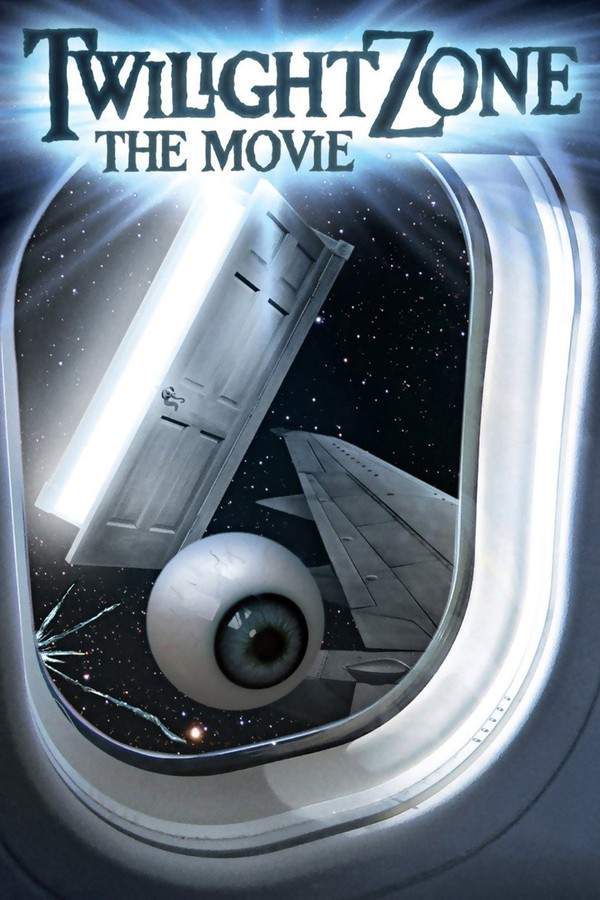
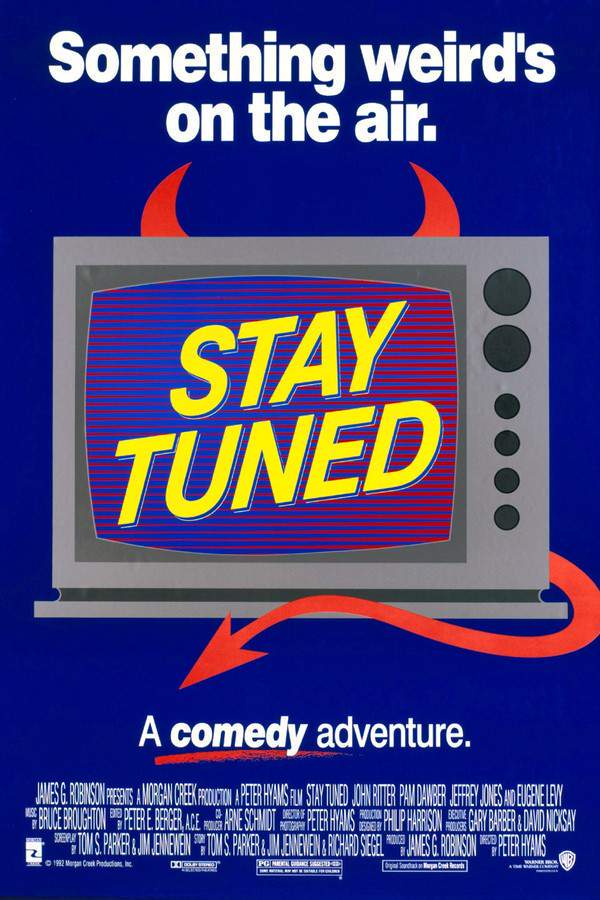

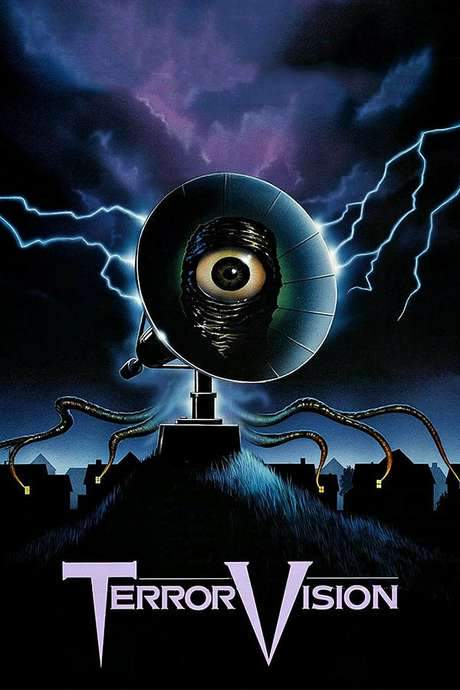


Featured on this page

What's After the Movie?
Not sure whether to stay after the credits? Find out!
Check out our other apps:

SAT Sphere
Build confidence for the Digital SAT.

Mori Atlas
Discover wild places worth protecting.

Luntero
Search smarter for a home in Amsterdam.

Plot Explained
Unravel movie endings and hidden clues.

Pokechamp
Dive into Pokémon data and battle logic.

Driving Theory
Get ready for your European theory test.

Movie Dust
Plan your next cinema trip with ease.

Musemap
Find art and culture as you travel.

Selkobase
Compare credentials before committing.

Local Manual
Turn an unfamiliar country into practical next steps.

Lernavi
Compare school systems before your next move.

GymRoam
Find a workout stop wherever your plans take you.
Explore Our Movie Platform
New Movie Releases (2026)
Famous Movie Actors
Top Film Production Studios
Movie Plot Summaries & Endings
Major Movie Awards & Winners
Best Concert Films & Music Documentaries
Movie Collections and Curated Lists
© 2026 What's After the Movie. All rights reserved.
Privacy Policy