

- Born
- December 7, 1907
- Birthplace
- Chicago, Illinois
- Citizenship
- American
- Occupations
- Playwright, screenwriter, novelist, producer, director
- Years active
- 1933-1987
- Spouses
- Eleanor Helfand
- Children
- 4
Arch Oboler's Career in Numbers
Arch Oboler's films in numbers — as a director, not counting appearances as themselves: when they were made, the genres Arch Oboler works in most and the milestones along the way. The filmography runs from Strange Holiday (1945) to The Bubble (1966), and the 1940s were the busiest decade.
Arch Oboler Movies by Decade
- 1940s 3
- 1950s 3
- 1960s 1
The 1940s were Arch Oboler's busiest decade, with 3 films.
Arch Oboler Movies by Genre
- Sci-Fi 2
- Drama 2
- Crime 1
- Fantasy 1
- Thriller 1
Sci-Fi is the genre Arch Oboler has worked in most, with 2 films, ahead of drama (2).
Arch Oboler Career Milestones
- First film
- Strange Holiday 1945
- Newest film
- The Bubble 1966
Arch Oboler Filmography: Every Movie
Every film Arch Oboler is credited on, newest first, with the role, the box office and the Movie Echo Score. Re-order the list to see the best-rated films or the biggest hits first.




Who Is Arch Oboler?
Arch Oboler was born in Chicago, Illinois in 1907. Credited on films since 1945, as a director. The background, training and the roles that shaped the career.
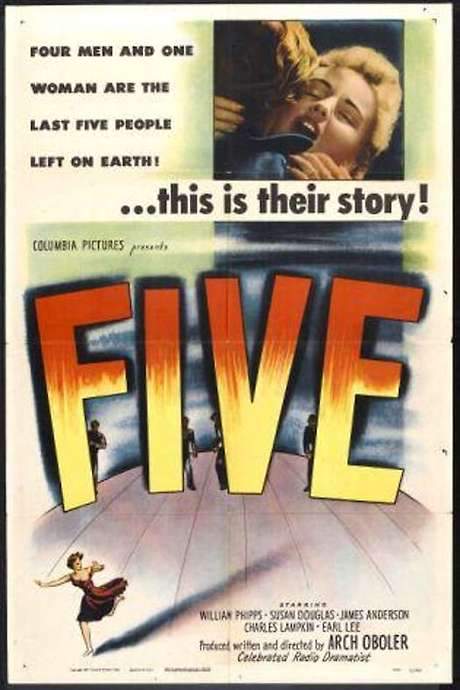
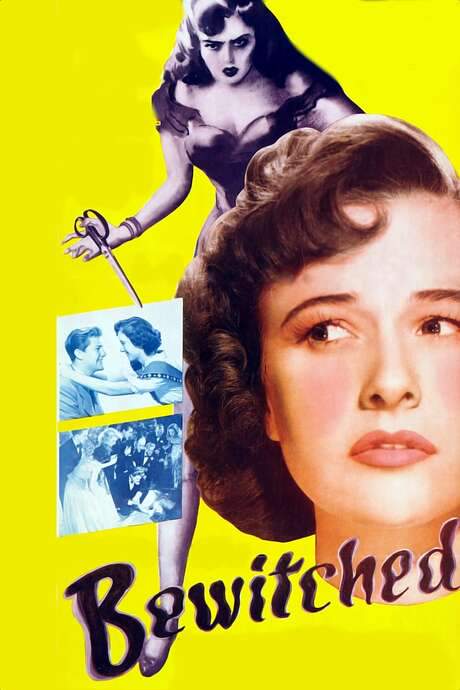
Arch Oboler (December 7, 1907 – March 19, 1987) was an American playwright, screenwriter, novelist, producer, and director who carved a unique niche in entertainment across radio, film, theater, and television. Born in Chicago, Illinois, to Leon and Clara Oboler—Jewish immigrants from Riga, Latvia—he grew up in a poor but culturally rich household, developing a voracious appetite for reading and music, idolizing violinist Fritz Kreisler and soprano Amelita Galli-Curci. Oboler entered the radio industry in 1933, believing the medium had untapped potential for substantive storytelling beyond soap operas. His speculative script Futuristics satirizing the present through the lens of the future caught NBC's attention and was broadcast from Radio City. He soon became a prolific writer for programs like Grand Hotel and The Chase and Sanborn Hour, but it was his takeover of the horror anthology series Lights Out in 1936 that cemented his reputation as a broadcasting innovator. Under Oboler's stewardship, Lights Out became famous for groundbreaking sound effects and terrifying narratives, including the iconic Chicken Heart—about a petri-dish heart growing exponentially to engulf the Earth—and The Dark, featuring a malevolent fog turning people inside out. Both stories inspired later homages by Bill Cosby and The Simpsons, respectively, and author Stephen King highlighted Chicken Heart in his book Danse Macabre. Oboler courted controversy repeatedly, embedding antifascist messages during NBC's era of strict neutrality toward Nazi Germany, and his December 1937 sketch on The Chase and Sanborn Hour with Mae West parodying Adam and Eve led to West being banned from NBC for fifteen years. He also pioneered the use of stream-of-consciousness techniques in radio drama and created striking propaganda series during World War II, including Plays for Americans and To the President, featuring stars like James Stewart and Bette Davis. Transitioning to film, Oboler directed Bewitched (1945), the post-apocalyptic Five (1951) filmed at his own Frank Lloyd Wright-designed home, and made film history with the 3-D effects in Bwana Devil (1952). He later returned with another 3-D feature, The Bubble (1966), and his Broadway play Night of the Auk (1956) about astronauts returning to a war-ravaged Earth was directed by Sidney Lumet. Despite a mental breakdown in 1953 and the tragic 1958 drowning of his six-year-old son Peter at their Malibu estate, Oboler continued creating until his death in Westlake Village, California, leaving a legacy that influenced luminaries like Rod Serling and François Truffaut. Oboler also authored the novel House on Fire (1969) and produced his LP recording Drop Dead! An Exercise in Horror (1962) for Capitol Records, showcasing his enduring fascination with the macabre and the power of dramatic storytelling.
Arch Oboler: Questions & Answers
How many movies Arch Oboler has made, the biggest hit, the best-rated film, the award record and more, answered from the filmography above.
How many movies has Arch Oboler been in?
Arch Oboler is credited on 7 films, from 1945 to 1966. All of them as a director. The filmography on this page lists every one of them, newest first, with the role and the Movie Echo Score.
What is Arch Oboler's newest movie?
The most recent film on Arch Oboler's filmography is The Bubble (1966), which Arch Oboler directed.
The Best Arch Oboler Movies, Ranked
Top rated, most awarded and biggest box office hits from 7 directing credits.
Coming soon to your phone
The Plot Explained Movie Summary App
From blockbusters to hidden gems: plot summaries, endings explained and timelines on your phone. Save your favorites and never miss a twist again.
Be the first to know when it launches. Your email stays private, always. Learn more about the app
