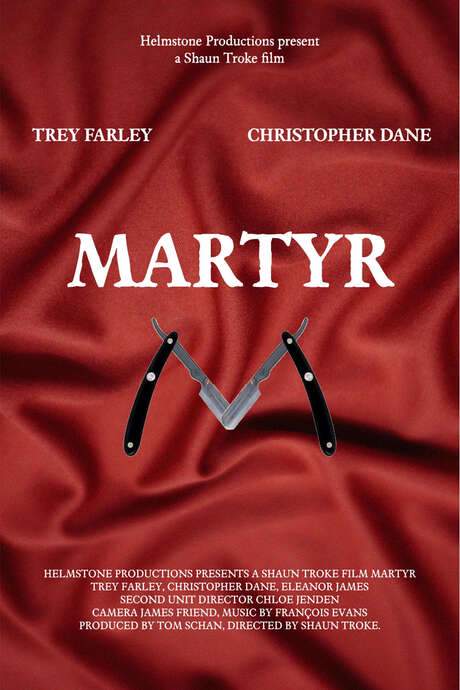



Martyr Plot Summary
Read the complete plot summary and ending explained for Martyr (2006). From turning points to emotional moments, uncover what really happened and why it matters.
Cyrus is a queer poet living in rural Indiana, quietly rebuilding his life after a difficult struggle with alcohol and drugs. He carries the weight of a family history that stretches back to Iran and beyond, including a father, Ali, who worked as a migrant laborer on a chicken farm and is now gone, and a mother, Roya, whom Cyrus believes died when Iran Air Flight 655 was shot down during the closing days of the Iran–Iraq War. The tragedy shapes Cyrus’s imagination as he becomes fascinated with the idea of martyrdom, even conceiving a personal “book of martyrs” and contemplating his own potential death as a form of sacrifice. In the margins of his thinking, he confronts questions about belonging, memory, and the ways a life can be refracted through myth and history.
To explore these questions, Cyrus sets out on a journey that takes him from the quiet of his homeland to the buzzing streets of New York City. He travels with his roommate Zee, a presence in his life whose feelings for Cyrus are real even as their relationship remains complicated and unstable. In the city, Cyrus seeks out Orkideh, an Iranian performance artist who is spending her final days in a Brooklyn Museum installation called Death-Speak, a stark endurance work that echoes the legendary performances of artists like Marina Abramović. The encounter is not merely a meeting of minds but a collision of worlds: Cyrius’s inward search for meaning, Orkideh’s outward, public act of art, and Zee’s desire to be seen and valued within this shifting dynamic.
The narrative unfolds through shifting times and viewpoints, broadening the lens beyond Cyrus’s present. It sketches a history of Cyrus’s mother, Roya, who was involved in a secret lesbian relationship in Iran, and it adds a memory of his uncle, who in the Iran–Iraq War was asked to perform a symbolic role—dressing as an angel on horseback to comfort dying soldiers—an image that lingers as a quiet emblem of protection and myth. These vignettes deepen the sense that individual lives are inseparable from the political and cultural pressures around them, and that memory can shelter its own kinds of truth as well as illusion.
When Orkideh dies, a jolt of new information rearranges Cyrus’s understanding of his family’s past. Years earlier, Roya had attempted to flee Iran with her lover Leila, swapping passports in the process. On Iran Air Flight 655, the passenger who disappeared from Roya’s life was actually Leila, not Roya. Roya herself survived this catastrophe, eventually immigrating to the United States and reinventing herself as the artist Orkideh. The revelation unsettles the foundations of Cyrus’s personal myth: the figure of his mother’s supposed sacrifice has been reframed, and the idea of martyrdom—once a guiding light—is compelled to answer to a more complicated history of survival, resilience, and reinvention.
Armed with this new truth, Cyrus reconsiders the stories he has been telling himself about family, memory, and identity. The late revelation does not simply overturn a single fact; it invites a broader reexamination of what it means to be connected to a place, a past, and a set of choices that echo across generations. The act of storytelling itself becomes a way to process the dissonance between the loved ones Cyrus thought he knew and the hidden lives that surface later, forcing him to confront how historical events and personal loyalties can converge in intimate, unexpected ways.
In the book’s final, dreamlike sequence, Cyrus appears to find a fragile reconciliation with Zee, a moment that crystallizes the tension between memory and possibility. The ending unfolds as a luminous, almost ceremonial passage: Cyrus steps forward, guided by an inner light, and walks into a pool of golden light that suggests at once purification, renewal, and the closing of a long, searching arc. The transformation is not merely a personal catharsis but a quiet confirmation that truth, art, and love can endure even when the narratives we rely on shift dramatically beneath us.
Throughout the work, themes of diaspora and belonging, the power of art to bear witness, and the delicate balance between private longing and public history run like threads through the fabric of the story. The prose treats memory with care, choosing to illuminate rather than simplify, to preserve complexity while still inviting readers to feel a sense of hopeful possibility. By weaving together intimate portraits, historical context, and the charged atmosphere of performance and art, the narrative presents a thoughtful meditation on how people seek meaning when the lines between myth, history, and personal truth blur.
Martyr Timeline
Follow the complete movie timeline of Martyr (2006) with every major event in chronological order. Great for understanding complex plots and story progression.
Cyrus's present life in Indiana and his book of martyrs
Cyrus lives in rural Indiana as a queer poet who is in recovery from alcohol and drug addiction. He begins drafting a 'book of martyrs,' a project that blends his personal history with broader ideas of sacrifice. The work anchors his creative life and sets the frame for the revelations to come.
Ali's death shapes family memory
Cyrus's father, Ali, was a migrant worker on a chicken farm in rural Indiana and has since died. His absence leaves a gap in family life that shapes Cyrus's sense of belonging and resilience. The memory of his father lingers in Cyrus's poetry and daily routines.
The belief Roya died on Iran Air Flight 655
Cyrus grows up believing his mother Roya died aboard Iran Air Flight 655 during the late stages of the Iran–Iraq War. The loss is woven into his sense of national tragedy and personal heartbreak. The incident casts Roya as a perpetual symbol in his imagination.
Roya and Leila: Roya's secret life in Iran
The narrative reveals Roya had a secret lesbian relationship with Leila in Iran, a life hidden from Cyrus. The backstory introduces themes of sexuality, risk, and survival under political repression. It adds a layer of complexity to the family history Cyrus unfolds later.
Escape plan and passport swap
Roya and Leila hatch an escape plan from Iran and swap passports as part of their bid for a safer future. The act of swapping identities becomes a crucial hinge in Cyrus's lineage. The plan foreshadows the later revelation that identity can outlive a single life.
Flight 655: Leila dies, Roya survives
On Iran Air Flight 655, the passenger using Roya's name is actually Leila, who dies when the plane is shot down. Roya survives the disaster, a truth kept hidden for years. The lie of Roya's death persists in Cyrus's early understanding.
Roya's emigration to the United States
Roya emigrates to the United States and reinvents herself as the artist Orkideh. She builds a new life in a different country, carrying fragments of her old identity into her new work. The transformation becomes central to Cyrus's later revelations.
Orkideh at Death-Speak in Brooklyn
In New York, Roya becomes Orkideh, a terminal cancer patient performing in the Death-Speak installation at the Brooklyn Museum. The performance blurs art, mortality, and endurance. The environment places Cyrus in the orbit of her final artistic gesture.
Cyrus travels to New York with Zee
Cyrus travels to New York to talk with Orkideh, bringing his roommate Zee. Zee accompanies them and nurtures complex feelings for Cyrus that complicate their journey. The trip marks a shift from a private art inquiry to a public encounter with Orkideh's life.
Zee's feelings and relationship tension
Zee's strong feelings for Cyrus create tension within their fraught relationship. The emotional currents run alongside Cyrus's dialogue with Orkideh's past and Roya's true identity. Zee's vulnerability adds emotional weight to the journey.
Orkideh's death and its aftermath
Orkideh dies, an event that forces Cyrus to confront the meaning of loss and memory. The death intensifies his awareness of the family myth and the truths lying beneath it. Cyrus begins to question the stories he has told himself.
The revelation: Roya survived and became Orkideh
Following Orkideh's death, Cyrus learns that Roya survived the Iran Air Flight 655 incident and lived on under the alias Orkideh. The revelation upends his long-held beliefs about his mother's fate. It reframes his entire family history and personal myth.
Reevaluating his mother's fate and symbolic death
Cyrus reevaluates his mother's fate and the symbolic role her supposed death played in his life and art. The book of martyrs shifts from personal grievance to a broader meditation on survival, memory, and identity. The revelation reframes his artistic purpose.
Final dreamlike ending: reconciliation and light
In the novel's final dreamlike register, Cyrus appears to reconcile with Zee before walking into a pool of golden light. The sequence signals transformation, forgiveness, and a new sense of self. It crystallizes the film's meditation on memory, family, and art.
Martyr Characters
Explore all characters from Martyr (2006). Get detailed profiles with their roles, arcs, and key relationships explained.
Cyrus
A queer poet living in Indiana who is recovering from addiction. He curates a “book of martyrs” and travels to New York to engage with Orkideh, his quest for meaning driving much of the narrative. His journey is marked by introspection, longing, and a search for truth about his family history.
Zee
Cyrus’s roommate who harbors strong feelings for him. Their relationship is complex and often fraught, but Zee accompanies Cyrus on his trip to New York, highlighting themes of unrequited love and loyalty.
Orkideh
An Iranian performance artist with terminal breast cancer, spending her last days in the Brooklyn Museum as part of a piece called Death-Speak. Her persona embodies a bridge between personal history and public art, and she becomes a focal point for Cyrus’s revelations.
Roya
Cyrus’s mother, who was believed to have died in Iran during the Iran Air Flight 655 disaster. The story later reveals that Roya survived by swapping passports with her lover Leila and reinvented herself in the United States as Orkideh, reshaping Cyrus’s sense of his mother’s history.
Leila
Roya’s lover and the person whose passport identity Roya swapped before the flight. Leila’s fate is tied to Roya’s survival and the broader question of what parts of a life remain hidden or changed by migration and memory.
Ali
Cyrus’s father, an Iranian migrant worker on a chicken farm in rural Indiana who has passed away. His memory frames Cyrus’s sense of family history and displacement.
Uncle
Cyrus’s uncle who served in the Iran–Iraq War and was instructed to dress as an angel on horseback to comfort dying soldiers, a detail that deepens the film’s meditation on duty, sacrifice, and memory.
Martyr Settings
Learn where and when Martyr (2006) takes place. Explore the film’s settings, era, and how they shape the narrative.
Time period
Late 1980s to present
The narrative spans the late stages of the Iran–Iraq War and extends into contemporary times. It shifts across different periods and perspectives, including flashbacks to Cyrus’s mother’s past and the ongoing present-day chapters in Indiana and New York. This temporal variety emphasizes how memory and history persist across decades.
Location
Indiana, United States, New York, United States, Iran
The story primarily unfolds in Indiana, with significant sequences in New York (Brooklyn) and a backdrop rooted in Iran. It moves between rural and urban spaces, highlighting how location shapes memory and identity. The diaspora experience links the rural Midwest to an international history spanning Iran and the United States.
Martyr Themes
Discover the main themes in Martyr (2006). Analyze the deeper meanings, emotional layers, and social commentary behind the film.
🕊️
Martyrdom
Cyrus explores martyrdom as a creative and existential idea, weighing his own life against the symbolic weight of sacrifice. The book of martyrs he writes becomes a lens to examine meaning, death, and what people choose to endure. The story treats martyrdom less as religious dogma and more as a personal act of making sense of suffering.
🧭
Memory
Memories of Cyrus’s mother and the family’s secret past drive the plot, revealing how stories are constructed and revised. The revelation about Roya’s survival and her reinvention as Orkideh reframes past beliefs and forces a reevaluation of loyalty, truth, and identity. The narrative uses memory as a site of revelation and transformation.
🎭
Performance
Orkideh’s Death-Speak performance in the Brooklyn Museum foregrounds art as a form of endurance and truth-telling. The film probes how performance can expose hidden histories and catalyze personal change. Through art and narrative, characters confront what it means to live and to be seen.

Coming soon on iOS and Android
The Plot Explained Mobile App
From blockbusters to hidden gems — dive into movie stories anytime, anywhere. Save your favorites, discover plots faster, and never miss a twist again.
Sign up to be the first to know when we launch. Your email stays private — always.
Explore the mobile appMartyr Spoiler-Free Summary
Discover the spoiler-free summary of Martyr (2006). Get a concise overview without any spoilers.
In the quiet landscapes of Indiana, Cyrus, a queer poet navigating the fragile path of recovery, finds himself haunted by a legacy of loss. His identity is inextricably linked to the tragedy of his mother, Roya, who he believes died aboard Iran Air Flight 655, and the recent passing of his father, Ali. Wrestling with these ghosts, Cyrus becomes consumed by the concept of martyrdom, viewing his own potential death as a transcendent act. He channels this fixation into a “book of martyrs,” a project that serves as both a creative endeavor and a spiritual lifeline.
His intellectual quest soon pulls him toward New York, driven by news of Orkideh, an Iranian performance artist spending her final days in a provocative installation at the Brooklyn Museum. Cyrus makes the journey alongside his roommate, Zee, a figure whose deep affection adds a layer of tender yet fraught tension to his life. As they navigate the city, the film constructs a world where past and present intermingle, shifting perspectives to reveal the hidden histories that have shaped Cyrus’s understanding of the world.
Drawing thematic inspiration from the biblical Book of Job, the story frames Cyrus as an innocent man tormented by forces beyond his control, questioning the nature of divine justice and the silence of God. The atmosphere is deliberately unsettling, utilizing a meditative pace to challenge the viewer’s own perceptions of faith and suffering. By exploring the intersection of queer identity, migrant history, and religious trial, the film offers a profound look at how the living bear the burdens of the dead, leaving the audience to ponder where martyrdom ends and survival begins.
Movies with Similar Twists and Themes
Uncover films that echo the narrative beats, emotional arcs, or dramatic twists of the one you're exploring. These recommendations are handpicked based on story depth, thematic resonance, and spoiler-worthy moments — perfect for fans who crave more of the same intrigue.
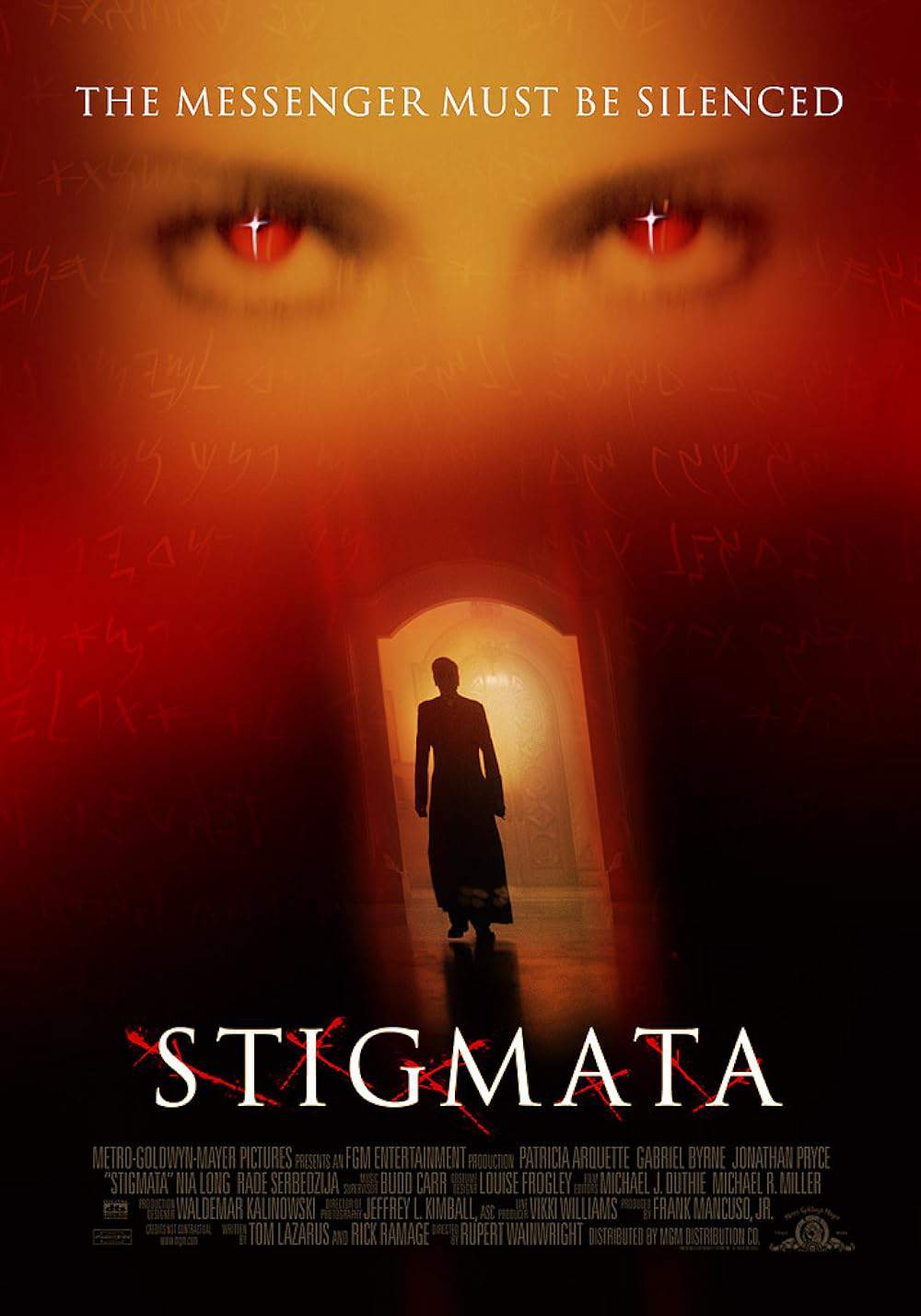
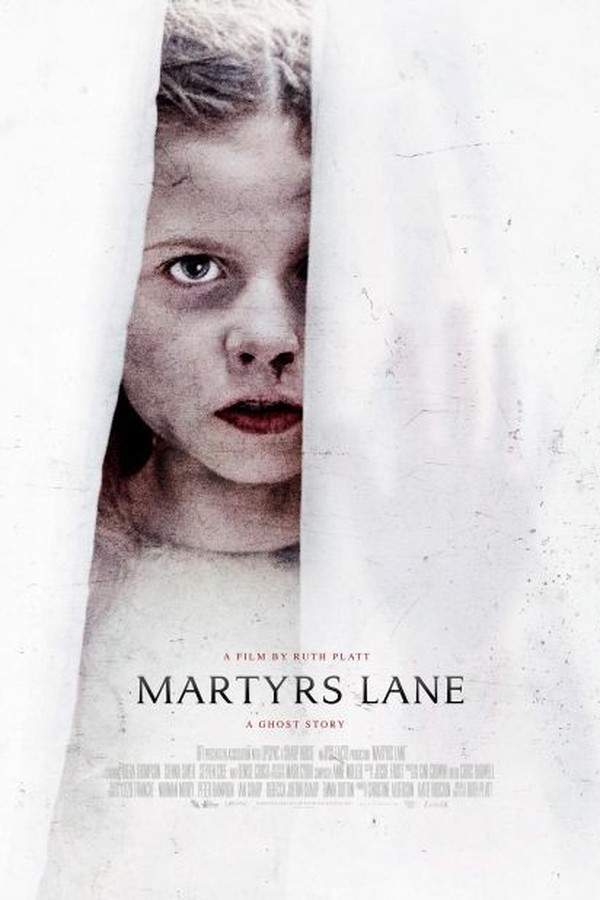
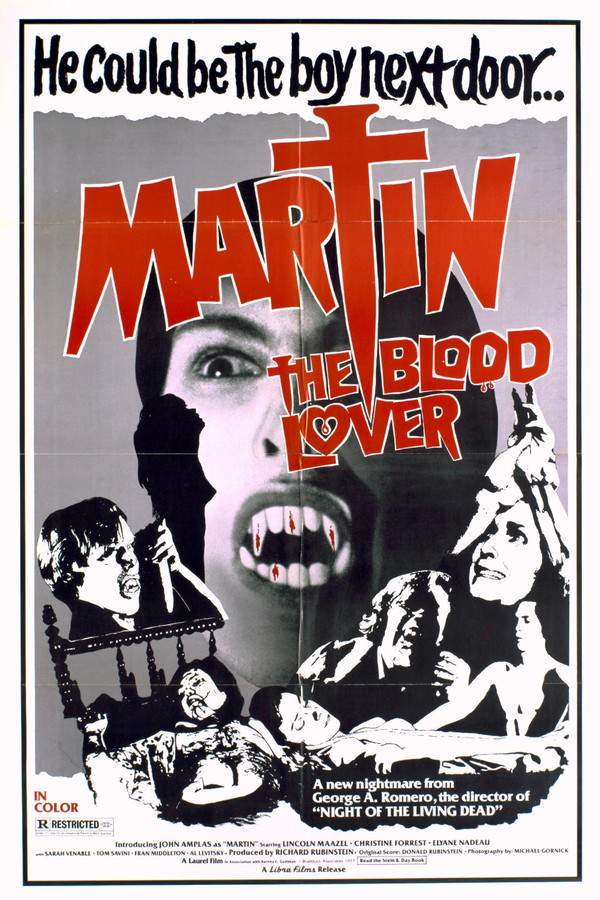
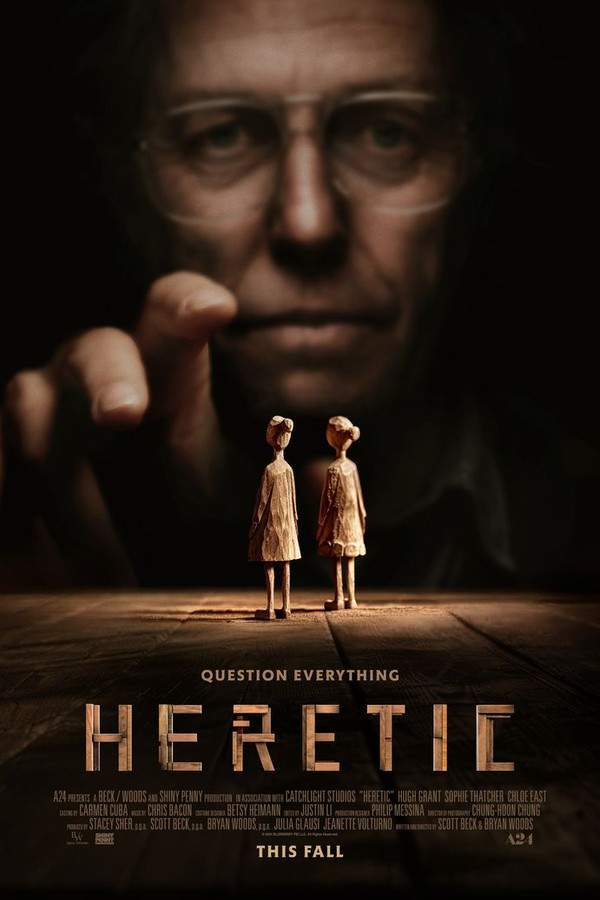

Featured on this page

What's After the Movie?
Not sure whether to stay after the credits? Find out!
Check out our other apps:

SAT Sphere
Build confidence for the Digital SAT.

Mori Atlas
Discover wild places worth protecting.

Luntero
Search smarter for a home in Amsterdam.

Plot Explained
Unravel movie endings and hidden clues.

Pokechamp
Dive into Pokémon data and battle logic.

Driving Theory
Get ready for your European theory test.

Movie Dust
Plan your next cinema trip with ease.

Musemap
Find art and culture as you travel.

Selkobase
Compare credentials before committing.

Local Manual
Turn an unfamiliar country into practical next steps.

Lernavi
Compare school systems before your next move.

GymRoam
Find a workout stop wherever your plans take you.
Explore Our Movie Platform
New Movie Releases (2026)
Famous Movie Actors
Top Film Production Studios
Movie Plot Summaries & Endings
Major Movie Awards & Winners
Best Concert Films & Music Documentaries
Movie Collections and Curated Lists
© 2026 What's After the Movie. All rights reserved.
Privacy Policy