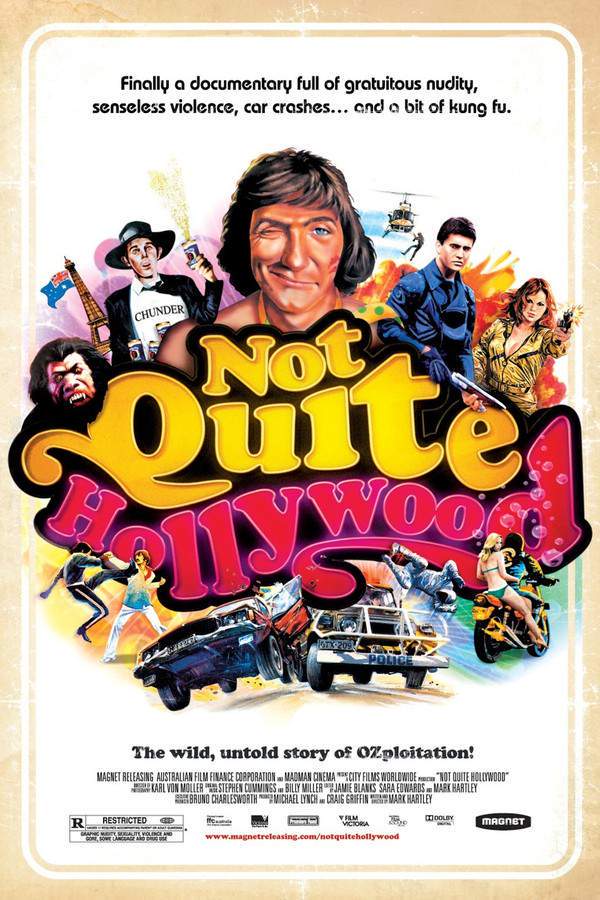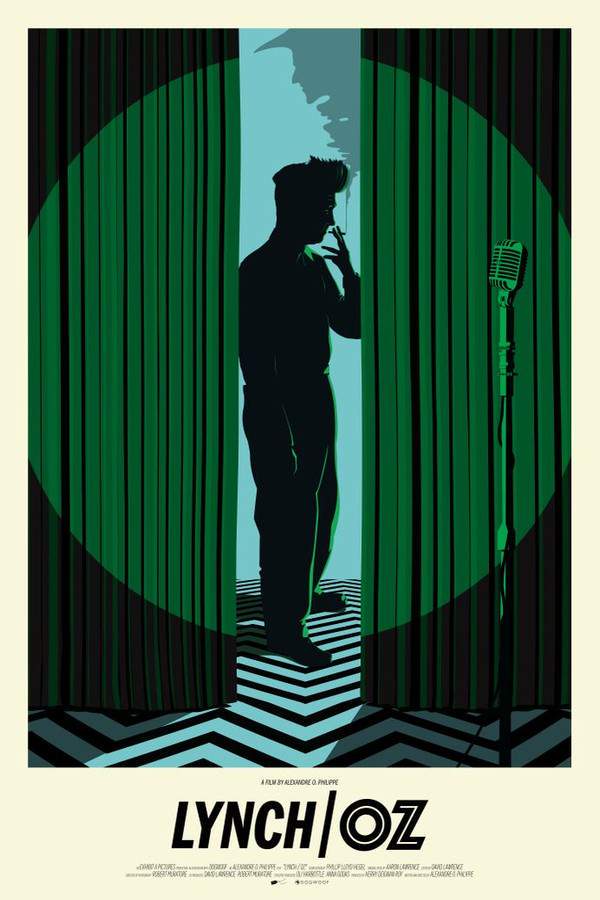
What Is Lynch/Oz About?
The premise of Lynch/Oz in 262 words, with nothing given away. The full story follows below.
At once a film essay, a visual collage, and an intimate meditation on artistic inheritance, Lynch/Oz begins with a revealing moment from 2001. After a screening of Mulholland Drive, filmmaker David Lynch is asked about the impact of Victor Fleming’s 1939 fantasy classic, The Wizard of Oz. His answer—“There is not a day that goes by that I don’t think about The Wizard of Oz”—establishes the documentary’s central puzzle: how one of America’s most recognizable fairy tales quietly shapes another filmmaker’s singular, often surreal vision.
Structured in six chapters, the film approaches its subject through the perspectives of Karyn Kusama, Rodney Ascher, John Waters, and other filmmakers and critics. Their commentary is interwoven with hundreds of excerpts from Lynch’s work, creating a fluid conversation between familiar images from The Wizard of Oz and the strange visual language of films and television. The tone is intellectually playful, affectionate, and uncanny, balancing appreciation for popular mythology with an awareness that influence can be felt in atmosphere, imagery, and artistic instinct as much as in direct quotation.
Rather than following a conventional protagonist or linear conflict, Lynch/Oz treats Lynch’s career—and The Wizard of Oz itself—as its two principal figures. The scope stretches from Lynch’s earliest experiments, including The Alphabet, to the return of Twin Peaks, revealing an enduring dialogue between dreamlike fantasy and Lynch’s distinctive brand of American surrealism. The documentary does not offer a simple cause-and-effect account; instead, it invites viewers to consider how an old film can remain an invisible compass, shaping the questions, motifs, and emotional texture of an artist’s lifelong work.
What Happens in Lynch/Oz?
The complete story of Lynch/Oz, from the first scene to the last, in 157 words (about 1 minute). Spoilers throughout. Names in the text link to 6 cast member pages.
Spoilers ahead
Lynch/Oz is a cinematic exploration that examines the profound influence of the 1939 classic The Wizard of Oz on the surrealist work of filmmaker David Lynch. The project was inspired by a response Lynch gave during a 2001 New York Film Festival Q&A session for Mulholland Drive, where he stated:
“There is not a day that goes by that I don’t think about The Wizard of Oz.”
The documentary reevaluates Lynch’s extensive body of work—ranging from his 1969 short film The Alphabet to the 2017 series Twin Peaks: The Return—to highlight the symbiosis between America’s most famous fairytale and Lynch’s unique brand of surrealism.
The film is structured into six chapters, each featuring a different narrator. These perspectives are provided by various critics and filmmakers, including John Waters, Amy Nicholson, Aaron Moorhead, and Justin Benson. To illustrate these thematic connections, the film utilizes hundreds of movie clips, including appearances by Judy Garland and contributions from Jason Stoval.
Lynch/Oz Timeline: Every Key Event in Order
14 key events in the order they happen, from “The Wizard of Oz premieres” to “Solving one of cinema's most fascinating puzzles”. 3 events name a place, across 2 locations.
- 1
The Wizard of Oz premieres
Victor Fleming directs The Wizard of Oz, the film that becomes America's primordial fairytale. Its imagery and themes cast a long shadow over American popular culture for generations. Decades later, it would become the central reference point in David Lynch's creative imagination.
When:1939 Where:United States
- 2
David Lynch debuts with The Alphabet
Lynch's very first short film, The Alphabet, marks the beginning of a filmography spanning nearly five decades. Even at this early stage, the seeds of the surrealism that would define his career are present. This debut is where Lynch/Oz begins tracing the enduring Oz influence.
When:1969
- 3
Lynch builds his singular brand of surrealism
Over the following decades, Lynch develops a singular brand of popular surrealism across his films and television work. His distinctive style makes him one of American cinema's most fascinating filmmakers. The documentary argues that this entire body of work is steeped in the imagery of The Wizard of Oz.
- 4
Mulholland Drive screens at the New York Film Festival
Lynch's film Mulholland Drive is screened at the 2001 New York Film Festival. Following the screening, Lynch participates in a Q&A panel with the audience. This seemingly ordinary event proves to be the origin point of the entire documentary.
When:2001 Where:New York
- 5
Lynch's famous Oz confession
During the Q&A panel, Lynch is asked about the impact of Victor Fleming's film on his work. He responds, "There is not a day that goes by that I don't think about The Wizard of Oz." This candid admission becomes the seed from which Lynch/Oz grows.
When:2001 Where:New York
- 6
The concept for Lynch/Oz is born
The documentary's concept originates directly from Lynch's festival response. His words inspire a reevaluation of his entire extended filmography through the lens of Oz. The idea of exploring the deep connection between the fairytale and Lynch begins to take shape.
- 7
A documentary in six chapters
Lynch/Oz is structured into six distinct chapters, each examining a different facet of the Oz influence. This format allows multiple perspectives to coexist within a single film. Each chapter is entrusted to a different narrator with their own unique viewpoint.
- 8
Filmmakers and critics join as narrators
The documentary enlists a lineup of filmmakers and critics to narrate its chapters. Among them are Karyn Kusama, Rodney Ascher, and John Waters. Each brings their own perspective on the symbiosis between Lynch's work and The Wizard of Oz.
- 9
Karyn Kusama narrates a chapter
Filmmaker Karyn Kusama, known for Jennifer's Body, provides narration for one of the chapters. She offers her own reading of how The Wizard of Oz echoes throughout Lynch's work. Her contribution adds a fellow filmmaker's insight to the documentary's analysis.
- 10
Rodney Ascher narrates a chapter
Rodney Ascher, the director of Room 237, lends his voice to a chapter of the film. Ascher is known for probing obsessive film interpretation, making him a fitting narrator. His chapter contributes a distinctive analytical lens to the Oz-Lynch connection.
Show the other 4 events of Lynch/Oz Hide the last 4 events
- 11
John Waters narrates a chapter
Cult filmmaker John Waters, famous for Multiple Maniacs, Pink Flamingos, and Female Trouble, narrates one of the chapters. His subversive sensibility brings a unique flavor to the documentary. Waters's narration adds yet another layer of perspective on Lynch's surrealism.
- 12
Hundreds of film clips illustrate the connection
The documentary incorporates hundreds of film clips to build its argument. Side-by-side comparisons reveal recurring imagery, themes, and motifs linking Lynch's films to The Wizard of Oz. The sheer volume of footage demonstrates just how deep the influence runs.
- 13
The analysis reaches Twin Peaks: The Return
The documentary's survey of Lynch's filmography extends all the way to his latest series, Twin Peaks: The Return. The show provides fresh evidence of the Oz influence in Lynch's late-career work. This brings the exploration nearly half a century forward from The Alphabet.
When:2017
- 14
Solving one of cinema's most fascinating puzzles
Lynch/Oz frames its subject as one of the most fascinating puzzles in the history of motion pictures. The film reevaluates Lynch's entire extended filmography through the lens of this enduring influence. It ultimately illuminates the symbiosis between America's primordial fairytale and Lynch's singular brand of popular surrealism.
Who Are the Main Characters in Lynch/Oz?
2 characters, among them Judy Garland (Dorothy Gale) and John Waters (Host): who each one is and the part they play in the story. Every profile links to the actor’s page.
-
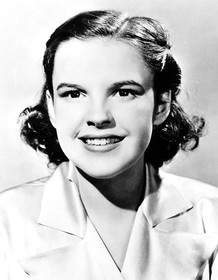
Judy Garland (Dorothy Gale)
Played by Judy Garland
In 'The Wizard of Oz', Judy Garland portrays Dorothy, a young girl who embarks on a fantastical journey in the Land of Oz. She embodies innocence and bravery as she seeks her way home, facing various challenges along the way. Dorothy's character symbolizes the quest for belonging and the power of imagination.
- 👧 Young Hero
- 🌟 Iconic Character
-
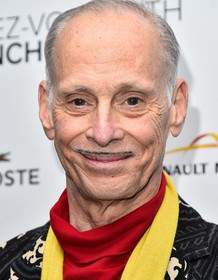
John Waters (Host)
Played by John Waters
John Waters serves as a narrator in 'Lynch/Oz', providing insights into the influence of Oz on Lynch's filmography. Known for his provocative and unconventional work, Waters brings a unique perspective to the discussion. His involvement showcases the blend of different artistic expressions surrounding the topic.
- 🎤 Narrator
- 🎨 Avant-Garde
Where and When Is Lynch/Oz Set?
Lynch/Oz is set in Hollywood and Oz (1939, 2001-2017). Here is why the time and place matter to the story.
When
1939, 2001-2017
The movie spans from the release of 'The Wizard of Oz' in 1939 to David Lynch's works up to 2017. The late 20th century was marked by a diverse range of filmmaking styles and innovations. The 2000s saw Lynch's unique surrealism gain acclaim, building on the foundation laid by classic tales like Oz.
Where
Hollywood, Oz
The film explores the connection between Hollywood's classic film 'The Wizard of Oz' and David Lynch's surreal filmmaking style. Hollywood is known for its illustrious history in cinema and is the birthplace of many iconic films. Oz, a fantastical land depicted in the original film, symbolizes a vast realm of imagination and dreams.
- 🎬 Cinema
- 🌈 Fantasy
What Are the Themes of Lynch/Oz?
2 ideas the story keeps returning to, among them Exploration and Surrealism.
-
01
Exploration
Lynch/Oz delves deep into the influence of a classic film on a modern auteur's work. The theme of exploration highlights the intersections between different cinematic narratives and styles. It showcases how filmmakers reinterpret and are inspired by earlier works to create new art.
-
02
Surrealism
This theme encapsulates Lynch's unique approach to storytelling, where reality blends with the extraordinary. Surrealism in the film underscores the dream-like quality of both Lynch's oeuvre and the whimsical nature of Oz. It invites audiences to question perceptions of reality in cinema.
What Kind of Film Is Lynch/Oz?
Neutral in tone, with steady pacing and a complex story, going by the plot summary.
- Tone
- Neutral
- Pacing
- Steady
- Story
- Complex
- Intensity
- Low
A thoughtful, cinephilic documentary tracing David Lynch’s enduring obsession with The Wizard of Oz through archival clips, layered critical voices, and a warm, nostalgic portrait of cinematic influence.
- reflective
- nostalgic
- dreamlike
- surreal
- cerebral
- layered
- film history
- artistic influence
- surrealism
- american mythology
Quiz
How well do you remember Lynch/Oz? Test yourself on the story.