
Lux Æterna 2019


Directed by
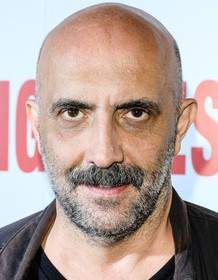
Gaspar Noé
Made by

Vixens
Where to Watch Lux Æterna
See current US streaming, rental, and purchase options for Lux Æterna (2019) via JustWatch.

ARROW
HD
MUBI
HD
MUBI Amazon Channel
HD
Screambox Amazon Channel
HD
Kanopy
HD
Tubi TV
SD
Amazon Video
SD
Apple TV Store
HD
Fandango At Home
SD
Google Play Movies
SD
YouTube
SD Streaming availability powered by 
Lux Æterna Plot Summary
Read the complete plot summary and ending explained for Lux Æterna (2019). From turning points to emotional moments, uncover what really happened and why it matters.
Lux Æterna opens with a brisk montage of 1920s-style documentary footage about a witch trial, then cuts to Charlotte Gainsbourg and Béatrice Dalle playing fictional versions of themselves. The pair are about to shoot a film, a meta-project titled “God’s Craft” that centers on witches burnt at the stake, and they settle into a conversation on a nearby set about how witches have been depicted on screen, how women are treated on film sets, and the many anecdotes that color their long careers. The moment feels playful and precarious at once, a playful self-reflection brimming with backstage truth.
Throughout the film, quotes from famous directors—Buñuel, Dreyer, and Fassbinder—float across the screen, underscoring a recurring theme: a director’s hunger for absolute control. The conversation among Gainsbourg and Dalle is interwoven with the presence of a producer and an assistant, who bustle about as Gainsbourg is escorted toward her dressing room and Dalle steps aside to manage directorial duties. In a split-screen rhythm, viewers watch the actresses receive makeup and costumes while a whirl of behind-the-scenes tensions unfolds: the two other actresses playing witches, one of whom speaks English, are perturbed when their outfits reveal more than expected, and the mood on set grows tenser as rhythms of time and permission collide.
Abbey Lee joins the fray as another performer on the set, becoming part of the cacophony of voices and opinions that color the shoot. Dalle, frustrated by a five-hour wait to shoot a single scene, argues with the director of photography about giving the actors time to rehearse, while the DP resists and the producers monitor every moment for signs that could justify firing her. A behind-the-scenes cameraman captures unflattering fragments of crew life, while friends of the crew drift by, trying to strike up conversations with Gainsbourg and the others between takes. The atmosphere is a study in contradictions: artistry and spectacle collide with surveillance and pressure, all under the glow of the camera lights.
As the production careens toward the pivotal witch-burning sequence, the DP presses for longer takes and insists that the performers hold their poses without even the slightest movement. Mid-scene, the rear projection glitches, throwing red, green, and blue strobing colors across the screen. The music playback falters, replaced by an ominous, droning roar. Dalle pleads with the projectionist and the sound team to fix the problems, but the DP remains single-minded—snapping orders at Gainsbourg to stay in character and to weep as if she’s aflame, even as the chaos swirls around them.
Gradually, the other actresses break free from their bonds and slip away, leaving Gainsbourg alone on set, unable to break her own restraints. Dalle sobs, lamenting how no one else is there to help as only she, Gainsbourg, and the DP stay immobilized in the ongoing take. The tension distorts the image: Gainsbourg’s silhouette seems to dissolve into the corrosive colors, and the pole to which she is tied morphs into a Christian cross, a stark visual that lingers long after the on-set turmoil.
After the credits roll, one final Buñuel quotation lingers on the screen, a sly coda to the film’s meditation on control and art:
Thank God I’m an atheist.
The film’s long, braided texture invites viewers to read the on-screen debates as a meditation on cinema itself—on authorship, gender, and the fragile dance between creation and crisis. It’s a backstage drama that never loses sight of its own theatrics, a celebration of performance even as it scrutinizes the power dynamics that shape what we finally see on screen.
Lux Æterna Timeline
Follow the complete movie timeline of Lux Æterna (2019) with every major event in chronological order. Great for understanding complex plots and story progression.
Opening montage and film premise
Lux Æterna opens with 1920s-style documentary footage of a witch trial, then cuts to Gainsbourg and Dalle playing fictional versions of themselves on a film set. They sit to discuss the cinematic depiction of witches, how women are treated on film sets, and share anecdotes from their shoots.
On-set meta-currents and quotations about control
The actresses debate how witches are portrayed and the gender dynamics of film production. Throughout the film, quotations from Buñuel, Dreyer, and Fassbinder about a director's desire for absolute control appear on screen, framing the process as a study in power.
Gainsbourg escorted to dressing room; Dalle handles directing
A producer and assistant escort Gainsbourg to her dressing room while Dalle leaves to direct. The split-screen setup shows makeup and costuming happening amid mounting behind-the-scenes tension and interruptions.
Dalle pushes for rehearsal time; DP resists
Dalle argues with the director of photography to allow rehearsal time while the cast waits to shoot. The DP refuses to budge, escalating the friction and pushing the production toward a costly standstill.
Producers spy on Dalle; behind-the-scenes cameraman records
Producers spy on Dalle hoping to catch slip-ups that could lead to her firing. Meanwhile, a behind-the-scenes cameraman captures unflattering moments of the crew and the cast as tensions simmer.
Witch-burning scene begins; DP pushes for longer takes
Filming the witch-burning sequence begins, and the DP demands longer takes while insisting the actresses never move. The directive heightens the sense that control over the shot is everything on this set.
Technical failure disrupts the take
Midway through the shot, the rear projection screen malfunctions, flashing red, green, and blue strobing colors. Simultaneously, the music playback fails, erupting into a loud droning sound that drowns the performers. The disruption forces everyone to improvise under pressure.
Gainsbourg told to endure; DP demands continue
Dalle frantically seeks fixes from the projectionist and sound crew, but the DP insists the camera keep rolling and orders Gainsbourg to continue acting as if she is on fire and to weep for him. The scene becomes a test of endurance and authority over the actor's performance.
Cast breaks away; Gainsbourg left alone
The other actresses break free of their bonds and leave Gainsbourg on set by herself. Dalle laments that no one else is there to help, exposing the fragility of the production's solidarity.
Gainsbourg’s role collapses into the chaos
Gainsbourg’s silhouette dissolves into the strobing colors as the tethered pole morphs into a Christian cross. The image marks the culmination of the on-set breakdown, turning the scene into a surreal commentary on performance under pressure.
Credits and Buñuel quotation
After the credits, a final quotation from Buñuel appears: 'Thank God I'm an atheist.' The line reinforces the film's irreverent, meta-cinematic stance and its questioning of sacred certainties.
Recurring motifs: control and artifice
Throughout Lux Æterna, the on-screen quotations and metatextual interruptions frame the production as a meditation on control in cinema. The film repeatedly juxtaposes on-set chaos with philosophical reflections on who holds power behind a camera.
Meta-structure: drama and discussion
The movie alternates between tense on-set dynamics and candid discussions about representation, witch trials, and filmmaking. This balance lets the work function as both a behind-the-scenes drama and a reflective essay on cinema.
Lux Æterna Characters
Explore all characters from Lux Æterna (2019). Get detailed profiles with their roles, arcs, and key relationships explained.
Charlotte Gainsbourg as Charlotte
An acclaimed actress playing a version of herself, she navigates the chaos of the on-set atmosphere. She questions how women are represented in cinematic storytelling while enduring the director's demands and crew tensions. Her performance acts as a through-line that anchors the meta-narrative about art, power, and collaboration.
Béatrice Dalle as Béatrice
An iconic actress playing a version of herself, she pushes to keep the shoot moving despite delays and pressure. She challenges the DP and producers, defending bold choices while clashing with the crew. Her passion and stubbornness illuminate the film's inquiry into authority and collaboration on set.
Lux Æterna Settings
Learn where and when Lux Æterna (2019) takes place. Explore the film’s settings, era, and how they shape the narrative.
Time period
Present-day
Set in the modern filmmaking world, the production mirrors the era's obsession with control and visibility. A 1920s-styled documentary montage contrasts with the on-set chaos, hinting at how past cinema continues to haunt contemporary practice. The narrative uses the shoot to explore how time, memory, and performance collide when directors chase absolute authority. The environment highlights the liminal space between fiction and reality in the filmmaking process.
Location
Film set, Dressing room
Lux Æterna mostly unfolds on a contemporary film set, with scenes shifting between a dressing room and the shooting stage. The on-set environment doubles as a studio where lights, cameras, and crew bustle amid a crisis. The space becomes a pressure cooker for performance, art, and the politics of cinema as the cast debates how witches and women are depicted.
Lux Æterna Themes
Discover the main themes in Lux Æterna (2019). Analyze the deeper meanings, emotional layers, and social commentary behind the film.
🎬
Control
The film foregrounds the director's demand for absolute control, echoing quotes from Buñuel, Dreyer, and Fassbinder shown on screen. On-set clashes between producers, a DP, and actors reveal how power and vision shape what lands on screen. The meta-film uses tense, close-quarters dialogue to examine how gendered dynamics influence direction and storytelling. The result is an interrogation of artistic authority versus collaborative creation.
🪞
Identity
Characters wrestle with persona and performance as they play versions of themselves. The split-screen on the set and the behind-the-scenes footage blur lines between real selves and screen identities. The depiction of Gainsbourg and Dalle as both professionals and public figures probes how fame reshapes agency. The film asks what remains authentic when cinema itself becomes a subject.
🔥
Spectacle
The infamous witch-burning sequence becomes a meta-spectacle that exposes the artifice and peril of cinematic 'truth'. Technical glitches—the rear projection, the loud drone, the DP's demands—turn production into a disruptive performance art piece. The scene tests actors' endurance and the crew's ability to maintain illusion under pressure. It asks what price the audience pays for dramatic intensity and control.
💬
Dialogue
Quotations from Buñuel, Dreyer, and Fassbinder appear on screen to frame conversations about directorial will and vision. The film uses dialogue about depiction, censorship, and the portrayal of women to critique film industry norms. The on-set discussions reveal how theory and practice collide in real-time. The result is a meditation on language as a tool of authority in cinema.

Coming soon on iOS and Android
The Plot Explained Mobile App
From blockbusters to hidden gems — dive into movie stories anytime, anywhere. Save your favorites, discover plots faster, and never miss a twist again.
Sign up to be the first to know when we launch. Your email stays private — always.
Explore the mobile appLux Æterna Spoiler-Free Summary
Discover the spoiler-free summary of Lux Æterna (2019). Get a concise overview without any spoilers.
In a dimly lit soundstage that feels half‑museum, half‑dream, a film about witchcraft is about to begin. The opening flickers with grainy, 1920s‑style footage of a historical trial, instantly setting a tone that blurs documentary rigor with theatrical illusion. From there, the narrative pulls back to a contemporary set where the very act of making a movie becomes its own story, inviting the audience to watch behind the curtain as much as the drama being filmed.
At the heart of this meta‑theatrical playground are two celebrated performers, Béatrice Dalle and Charlotte Gainsbourg, who appear as heightened versions of themselves. As they settle onto a recreated medieval set, they launch into a lively conversation about how witches have been rendered on screen, the weight of gendered expectations in cinema, and the personal anecdotes that have shaped their own careers. Their dialogue, peppered with wit and frankness, establishes a partnership that is both collaborative and sparring, hinting at deeper currents beneath the surface of the production.
The film’s aesthetic is a kaleidoscope of split‑screen compositions, archival quotes from auteurs such as Luis Buñuel, Carl Theodor Dreyer, and Rainer Werner Fassbinder, and a lingering sense that every crew member—producers, assistants, the director of photography—participates in an unspoken contest for artistic dominance. This layered visual and intellectual texture cultivates a mood that is simultaneously reverent of classic cinema and sharply critical of the hierarchies that still govern it.
Within this charged environment, the anticipation of shooting a climactic witch‑burning scene hangs like a fragile flame. The interplay between the actresses’ earnest devotion to their craft, the crew’s relentless quest for control, and the ever‑present echo of cinematic history creates a tension that feels both intimate and universal, promising a meditation on creation, power, and the ghosts that linger on every set.
Movies with Similar Twists and Themes
Uncover films that echo the narrative beats, emotional arcs, or dramatic twists of the one you're exploring. These recommendations are handpicked based on story depth, thematic resonance, and spoiler-worthy moments — perfect for fans who crave more of the same intrigue.

Featured on this page

What's After the Movie?
Not sure whether to stay after the credits? Find out!
Check out our other apps:

SAT Sphere
Build confidence for the Digital SAT.

Mori Atlas
Discover wild places worth protecting.

Luntero
Search smarter for a home in Amsterdam.

Plot Explained
Unravel movie endings and hidden clues.

Pokechamp
Dive into Pokémon data and battle logic.

Driving Theory
Get ready for your European theory test.

Movie Dust
Plan your next cinema trip with ease.

Musemap
Find art and culture as you travel.

Selkobase
Compare credentials before committing.

Local Manual
Turn an unfamiliar country into practical next steps.

Lernavi
Compare school systems before your next move.

GymRoam
Find a workout stop wherever your plans take you.
Explore Our Movie Platform
New Movie Releases (2026)
Famous Movie Actors
Top Film Production Studios
Movie Plot Summaries & Endings
Major Movie Awards & Winners
Best Concert Films & Music Documentaries
Movie Collections and Curated Lists
© 2026 What's After the Movie. All rights reserved.
Privacy Policy