
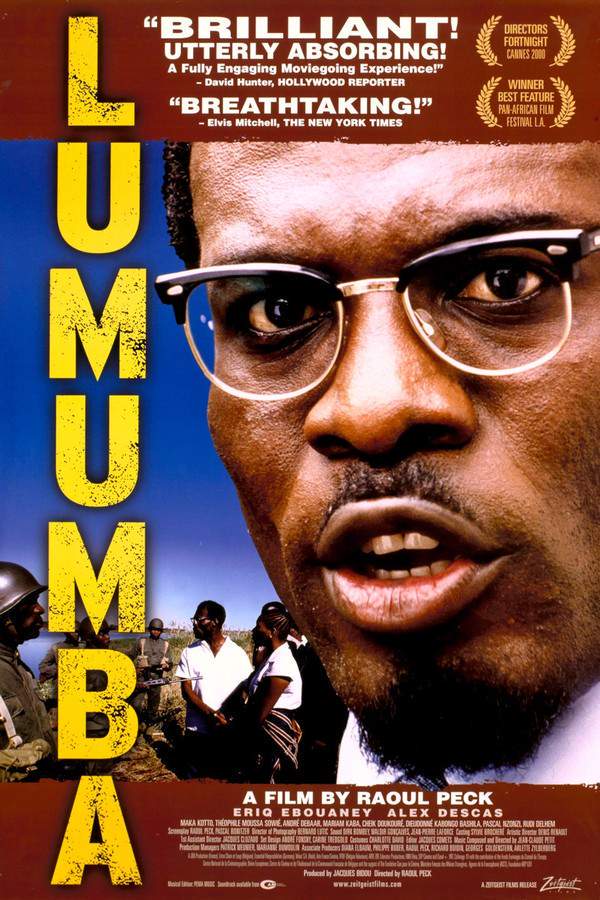
Lumumba 2001

Directed by
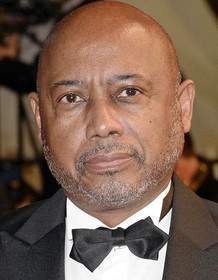
Raoul Peck
Made by

Zeitgeist Films
Lumumba Plot Summary
Read the complete plot summary and ending explained for Lumumba (2001). From turning points to emotional moments, uncover what really happened and why it matters.
The film opens with a stark montage of Lumumba and his allies Joseph Okito and Maurice Mpolo being driven to their executions, followed by a brutal sequence where their bodies are exhumed, dismembered, and burned on the orders of Mobutu Sese Seko. The viewpoint then flips back to the late 1950s, centering on a heated debate in which Lumumba squares off with Moïse Tshombe and Godefroid Munongo, rival leaders from the pro-Western CONAKAT party. His bold Pan-Africanist ideals spark fury in Tshombe and Munongo, setting the stage for a long, turbulent struggle for power and independence.
The story then returns to Lumumba’s day-to-day life, beginning with his job as a beer salesman in Léopoldville. He uses his street presence and charisma to spread his political message, and it’s during one of these gatherings that he encounters Joseph Mobutu for the first time. News arrives that Baudouin of Belgium has grown more favorable toward independence, but the moment is cut short when Force Publique soldiers disperse the crowd—Lumumba is arrested, beaten by Belgian guards, and ultimately sent to Brussels to negotiate Congo’s path to freedom.
In Brussels, Lumumba meets Joseph Kasa-Vubu, a fellow independence-minded politician from ABAKO who seeks a pragmatic deal with the Belgians. Frustrated by Belgium’s refusal to recognize the legitimacy of the Mouvement National Congolais despite electoral success, Lumumba backs Kasavubu for president, and Kasavubu appoints Lumumba as prime minister. The coalition formation is rocky from the start: Tshombe and Munongo feel sidelined and threaten the government, foreshadowing future strain within the new leadership.
On the eve of formal independence, Lumumba delivers a speech that adopts a more combative tone than Kasavubu’s, underscoring the oppression Congo endured under Belgian rule. Back in the Congo, the cabinet debates removing Émile Janssens, who resists African officers. A troubling incident involving a Walloon couple leads the Belgian ambassador to press Lumumba with veiled threats about involving the United Nations and NATO, a confrontation that intensifies Lumumba’s resolve to challenge Belgian interference and the lingering colonial order. Lumumba ultimately dismisses Janssens and expels the ambassador.
During a trip to Katanga, Munongo refuses to permit the government’s plane to land, signaling Katanga’s secession as the State of Katanga. After clashes with Belgian troops at Ndjili, Lumumba drives to quell the separatists, and evidence surfaces that Mobutu’s forces have massacred civilians in the fighting, forcing Lumumba to rethink his relationship with Mobutu and his willingness to rely on American backing. He confronts Kasavubu once more, confessing distrust of foreign influence and a belief that the Soviet Union may be the only reliable ally. A later scene shows the American ambassador pledging support to Mobutu if he helps remove Lumumba, compounding the political gridlock that follows Kasavubu’s dismissal of Lumumba over alleged communist sympathies and responsiblity for the South Kasai massacres.
Amid personal hardship, Lumumba learns that his infant daughter must be sent to Switzerland for medical care, a tragedy that compounds the political peril surrounding him. Mobutu’s arrival signals a shift toward arrest, and Kasavubu leaves Lumumba under house arrest rather than an outright arrest—an ominous hint that foreign powers may already be at play. Soon afterward, Mobutu proclaims that the army has seized power, and Lumumba, along with Mpolo and Okito, is pursued as the regime consolidates its control.
As Lumumba plots an escape to Stanleyville, he learns that his infant daughter has died in Switzerland. While attempting to flee with his partisans, Lumumba’s family is confronted by soldiers along the riverbank, forcing him to return and face the crackdown. At a military encampment, Lumumba, Mpolo, and Okito are sentenced to death by a council that includes Kasavubu, who reluctantly endorses the killing. They are transported to Katanga, where they are brutally beaten in the final hours, with Munongo among the assailants.
The film closes by juxtaposing Mobutu Sese Seko’s public memory of Lumumba with stark, shadowed footage of the executions in the dark woods, creating a somber meditation on the human cost of Congo’s drive for independence and the brutal political forces that shaped its fate.
Lumumba Timeline
Follow the complete movie timeline of Lumumba (2001) with every major event in chronological order. Great for understanding complex plots and story progression.
Opening montage: Lumumba and allies face execution
The film opens with Lumumba, Joseph Okito, and Maurice Mpolo being driven to their executions, showing the brutal end engineered by Mobutu. The scene then shifts to their bodies later being exhumed, dismembered, and burned. This brutal sequence sets a grim frame for the political upheaval to follow.
Late-1950s debates with Tshombe and Munongo
Lumumba engages in sharp debates with rival CONAKAT leaders, espousing Pan-Africanist and anti-imperialist ideals. His rhetoric provokes anger in Tshombe and Munongo, signaling coming clashes over Congo's path to independence. The exchanges lay the ideological groundwork for the power struggles to come.
Lumumba becomes a beer salesman and begins political outreach
Lumumba takes a job as a beer salesman in Leopoldville, using public gatherings and sales events to promote his political ideas. The work brings him into contact with ordinary people and widens his political base. This unlikely occupation is the springboard for his rise on the national stage.
First clash with authorities: arrest and assault
During a street meeting, Force Publique soldiers arrest Lumumba and Belgian guards brutalize him. He is freed soon after and sent to Brussels to negotiate Congo's independence. The incident highlights the tensions between the Congo's aspirations and colonial forces.
Lumumba and Kasavubu meet; prime minister appointment
In Brussels, Lumumba meets Joseph Kasavubu, who seeks a practical approach to independence. Kasavubu endorses Lumumba and appoints him as prime minister, setting the stage for a united front against colonial powers. The partnership marks a pivotal shift in the independence movement.
Threats during coalition formation
On the night of the coalition's formation, Tshombe and Munongo threaten Lumumba for not granting them leadership roles. Their intimidation foreshadows the ethnic and regional conflicts that will grip the country. Lumumba remains defiant as the government takes shape.
Independence recognized; Lumumba's combative speech
With Belgium formally recognizing Congo's independence, Lumumba delivers a defiant speech highlighting the oppression under colonial rule. Kasavubu offers a more measured address, signaling divergent approaches within the new leadership. The moment crystallizes the clash of visions for Congo's future.
Back in the Congo: the Janssens issue and Belgian pressure
Back in Leopoldville, the cabinet debates removing Émile Janssens, who resists African officers. The Belgian ambassador warns of UN/NATO involvement to steady the situation, provoking Lumumba to dismiss Janssens and push back against Belgian interference. The episode deepens the rift between Congo's leadership and colonial powers.
Katanga secession signals a new crisis
Munongo blocks the government's plane from landing in Katanga, signaling the region's secession into the State of Katanga. Lumumba vows to confront the secessionist movement as the crisis escalates. The episode marks a turning point in the Congo Crisis.
Mobutu's forces massacre civilians and Lumumba distances himself
Evidence surfaces that Mobutu's forces have massacred civilians during clashes with Katangan rebels. Lumumba dismisses Mobutu, irritated at the atrocities and the complicity with external powers. He leans away from U.S. support, seeking alternative alliances.
Kasavubu dismisses Lumumba; house arrest
Kasavubu publicly dismisses Lumumba, citing alleged communist sympathies and concerns over regional massacres. Lumumba is placed under house arrest, triggering a political deadlock as supporters mobilize. He learns that his infant daughter must be sent to Switzerland for treatment, adding a personal tragedy to the crisis.
Mobutu's army takes power; Lumumba faces capture
Mobutu announces that the army has seized power and claims to have arrested Lumumba and Kasavubu. Lumumba plots an escape to Stanleyville, hoping to regroup with loyalists, but his plans are thwarted when soldiers arrest him. The turn of events signals the collapse of the fragile post-independence government.
Final imprisonment and partition of Lumumba's fate
Lumumba, along with Mpolo and Okito, is brutally captured and beaten; Munongo joins in during their brutal treatment. The trio are transported to Katanga where Lumumba is killed. The sequence is intercut with Mobutu's later memories of Lumumba.
Epilogue: executions remembered by Mobutu
The film concludes by juxtaposing Mobutu's public memories of Lumumba with shots of the executions in the dark woods. The memory underscores the political violence that underscored the Congo's struggle for independence and its aftermath.
Lumumba Characters
Explore all characters from Lumumba (2001). Get detailed profiles with their roles, arcs, and key relationships explained.
Patrice Lumumba
Lumumba is depicted as a charismatic, principled leader who pushes for rapid independence and pan-African unity. He navigates a web of foreign interference and domestic rivals, balancing idealism with political pragmatism. His determination and political vision mobilize a broad following, but also attract lethal opposition, culminating in his capture and execution.
Joseph Okito
A Congolese politician who aligns with Lumumba, Okito embodies pragmatic governance amid mounting pressure. He advocates for compromise and international diplomacy, while facing the constraints of a collapsing state and competing power centers.
Joseph Kasavubu
Kasavubu is portrayed as the president who, while initially backing Lumumba, seeks a balance with Belgians and Western powers. His mistrust and political missteps contribute to deadlock and the eventual dismissal of Lumumba, reflecting the fragility of unity in a fraught independence process.
Mobutu Sese Seko
The military figure who seizes power in a coup, Mobutu stages a campaign that uses both coercion and foreign backing. His actions destabilize the government and foreshadow a long, brutal dictatorship, even as he appears later in the narrative to be remembered by the regime he helped establish.
Émile Janssens
A Belgian general resisting African military officers and political change, Janssens represents the colonial military establishment and its reluctance to relinquish control. His stance highlights the friction between Belgian authorities and the Congo’s emergent leadership.
Maurice Mpolo
Mpolo stands as a loyal ally of Lumumba and part of the political-military leadership. He embodies the determination of post-independence leaders facing mounting violence and the collapse of order.
Lumumba Settings
Learn where and when Lumumba (2001) takes place. Explore the film’s settings, era, and how they shape the narrative.
Time period
1959–1961
Set during the late 1950s to early 1960s, the film traces the Congo's path from the waning era of Belgian control through independence in 1960, to the early stages of the Congo Crisis. It captures the political ferment, street campaigns, and the first struggles of new Congolese leaders. The era is marked by international interference, rapid shifts in power, and violent upheaval.
Location
Leopoldville (Kinshasa), Brussels, Ndjili, Katanga, Stanleyville
The story moves between the Congo’s capital and crisis zones, as Lumumba navigates decolonization from Leopoldville to negotiations in Brussels, illustrating colonial legacies and emerging independence. It shows Katanga's secession and the riverfront and borderlands around Ndjili, highlighting a country in turmoil. The settings reflect a nation torn between nationalist dreams and rival powers.
Lumumba Themes
Discover the main themes in Lumumba (2001). Analyze the deeper meanings, emotional layers, and social commentary behind the film.
🕊️
Independence
Lumumba champions rapid Congo independence and Pan-African unity, challenging colonial legacies. The film portrays his rise from local politics to a national stage and the broad support he garners. His commitment to self-rule and anti-colonial solidarity drives the political drama, even as it provokes powerful adversaries.
⚖️
Power struggles
A shifting coalition places Lumumba in the prime minister’s chair while Kasavubu holds the presidency; rival leaders contest leadership and ideology. Foreign powers threaten or support different factions, shaping decisions and creating dangerous deadlocks. The narrative emphasizes how political maneuvering and loyalty intersect with national destiny.
💥
Violence and Massacre
The film depicts brutal violence from civilian massacres to military crackdowns, including Mobutu’s confrontations and the Katanga operations. It shows how violence becomes a tool for political ends and how leaders are forced to answer for atrocities. This brutality tests Lumumba's resolve and ultimately shadows the struggle for sovereignty.
🌍
Cold War dynamics
The narrative underscores international intrigue, with Western powers and the United States weighing in on Congo politics. Lumumba’s perceived alignment with the Soviet bloc and Western responses shape the crisis. The plot portrays a world where decolonization intersects with global power plays.

Lumumba Spoiler-Free Summary
Discover the spoiler-free summary of Lumumba (2001). Get a concise overview without any spoilers.
In the restless weeks surrounding Congo’s hard‑won independence, a charismatic firebrand rises from the streets of Léopoldville to the helm of a newborn nation. Patrice Emery Lumumba is a magnetic speaker whose blend of pan‑African idealism and gritty determination draws crowds as readily as it provokes fear among wary elites. Against a backdrop of bustling markets, colonial architecture, and the echo of restless crowds, the film paints a country teetering between hopeful self‑definition and the uneasy shadows of its past.
The newly formed government is a fragile coalition of competing visions. Joseph Kasa‑Vubu, a pragmatic political figure, balances Lumumba’s radical zeal with a cautious diplomatic stance, while a cadre of rival leaders—Moïse Tshombe and Godefroid Munongo among them—represent regional interests and a more Western‑aligned outlook. These personalities clash in heated debates and private strategizing, each convinced that the path forward must reflect their own vision of Congo’s future. Their interactions are rendered in a tone that oscillates between fervent optimism and simmering tension, suggesting that every policy decision carries the weight of a continent watching closely.
Beyond the corridors of power, the film captures the palpable strain of external influence. Diplomatic envoys, whispers of super‑power interests, and the lingering presence of former colonial authorities create an atmosphere of cautious vigilance. As Lumumba navigates this complex web, his personal resolve is tested by the enormity of the task—uniting a diverse, newly sovereign nation while fending off forces eager to shape its destiny. The story remains a tightly wound political drama, inviting viewers to linger on the fragile promise of independence and the human spirit driving it forward.
Movies with Similar Twists and Themes
Uncover films that echo the narrative beats, emotional arcs, or dramatic twists of the one you're exploring. These recommendations are handpicked based on story depth, thematic resonance, and spoiler-worthy moments — perfect for fans who crave more of the same intrigue.


Featured on this page

What's After the Movie?
Not sure whether to stay after the credits? Find out!




Explore Our Movie Platform
New Movie Releases (2026)
Famous Movie Actors
Top Film Production Studios
Movie Plot Summaries & Endings
Major Movie Awards & Winners
Best Concert Films & Music Documentaries
Movie Collections and Curated Lists
© 2026 What's After the Movie. All rights reserved.