What Is Love Is Colder Than Death About?
The premise of Love Is Colder Than Death in 259 words, with nothing given away. The full story follows below.
In the dim, rain‑slick streets of Munich, a petty underworld pulses beneath the ordinary façade of the city. Franz Walsch makes his living on the fringes, keeping a careful distance from the sprawling crime syndicate that dominates the shadows. His unwillingness to submit to their demands places him in a precarious balance, a lone figure who clings to a fragile independence while the world around him grows colder and more unforgiving.
Into this uneasy equilibrium arrives Bruno Straub, a young enforcer dispatched by the very organization Franz resists. Bruno’s presence is both a challenge and a curiosity; he moves through the same nocturnal corridors with a detached, almost clinical composure, observing the ways the streets and their inhabitants operate. Their uneasy rapport is charged with a mix of reluctant respect and underlying tension, hinting at an alliance that could either solidify or shatter under the weight of the city’s unspoken rules.
Caught between the two men is Johanna, the woman who shares Franz’s home and his daily grind. Her relationship with Franz is layered with intimacy and survival, offering a glimpse of tenderness amid the harshness of their world. As the trio navigates the thin line between loyalty and ambition, the film’s tone remains stark and atmospheric, the cinematography bathing the characters in muted hues that reflect the moral ambiguity surrounding them. The mood is one of quiet dread, punctuated by fleeting moments of connection that feel both fragile and inevitable, setting the stage for a story where desire, power, and the cold grip of the underworld constantly collide.
What Happens in Love Is Colder Than Death?
The complete story of Love Is Colder Than Death, from the first scene to the last, in 468 words (about 2 minutes). Spoilers throughout. Names in the text link to 3 cast member pages.
Spoilers ahead
In Munich’s shadowy streets, a petty hood named Franz Walsch refuses to bow to a sprawling criminal syndicate, choosing a narrow path that keeps him just outside the umbrella of the underworld. His stubborn independence draws the attention of a cold, formidable young enforcer, Bruno Straub, who has been ordered by the syndicate to shadow him. The uneasy rapport between them begins with a practical, almost transactional energy, as Bruno is given Franz’s address and discovers it belongs to the flat of a prostitute named Johanna, where Franz presides as her pimp. When Bruno arrives to deliver confirmation of the address, he’s told that Franz may have already moved on, and he spends a night roaming the city’s maze of alleys and backrooms, asking prostitutes if they know a woman named Johanna.
As Bruno persists, the tension tightens: Franz is not just a nuisance for the syndicate—he is being hunted by a Turk who seeks vengeance for his brother’s death. Bruno, sensing an opportunity to solve two problems at once, offers to take care of the Turk. The plan takes shape as the trio makes their way to a crowded café, where they locate the Turk and shoot him in a swift, brutal confrontation. The aftermath is swift and brutal as the group exits the crime scene, and a waitress—an unintended witness—falls victim to Bruno’s calculated violence. The city seems to close in around them, and the once distant danger feels suddenly intimate.
Back in the hands of the police, Franz is detained on suspicion of both killings. While he is questioned, Johanna begins an affair with Bruno, forging a dangerous bond that blends lust, loyalty, and fear. Franz is eventually released due to a lack of hard evidence, and the three of them—Franz, Johanna, and Bruno—revisit their alliance with a new, desperate plan: a bank robbery designed to pull them out of the shadows for good. They reach the bank’s vicinity under the cover of shifting loyalties and the brittle calm before a storm, only to be met by plainclothes officers who force Bruno into a deadly confrontation. Bruno is killed in the ensuing shootout, while Franz and Johanna manage to slip away.
In the tense days that follow, Johanna reveals that she tipped the cops off about the planned robbery, a revelation that fractures the fragile trust binding them. The trio’s fragile plan collapses into a makeshift, doomed escape, with Franz and Johanna hurtling toward an uncertain future. As they drive away, the atmosphere is thick with a sense of fate and resentment. In a final, grim moment on the road, Johanna’s actions weigh on Franz, who reacts with a harsh, dismissive retort that lands as the film slides toward its stark, insistent conclusion.
“Nutte” [whore] and keeps on driving as the film fades to white.
Love Is Colder Than Death Timeline: Every Key Event in Order
12 key events in the order they happen, from “Franz refuses to join the syndicate” to “Final ride and fade to white”. 12 events name a place, across 10 locations.
- 1
Franz refuses to join the syndicate
Franz Walsch rejects the large criminal syndicate that tries to recruit him. He also meets Bruno Straub, a handsome but cold young thug, who becomes interested in Franz after their encounter. Franz then gives Bruno his Munich address, signaling the end of their first contact.
Where:Munich
- 2
Bruno is ordered to shadow Franz
Bruno is ordered by the syndicate to follow Franz. He goes to Franz's address, only to discover that Franz has moved, so he begins roaming the city asking prostitutes about a girl named Joanna.
Where:Munich
- 3
Bruno locates the hideout
Bruno tirelessly searches the streets and finally finds where Franz and Joanna are hiding. The pair are living in Joanna's flat, with Franz acting as her pimp. Bruno's pursuit leads him to their hideout.
Where:Joanna's flat
- 4
Bruno offers to solve the Turk's problem
Bruno reveals he can deal with the Turk who is hunting Franz's brother. The trio decides to confront this threat and head toward the cafe where the Turk can be found.
Where:Munich, leading to cafe
- 5
Confrontation at the cafe
They locate and shoot the Turk at a cafe. In the same moment, Bruno also shoots the waitress who happens to be the only witness, eliminating potential testimony.
Where:Cafe
- 6
Franz is arrested and held
Franz is picked up by the police for the two killings and is held for questioning. While Franz is detained, Joanna begins an affair with Bruno.
Where:Police station
- 7
Franz's release and new plan
The police have no evidence, so Franz is released. With him free, the three of them plan a bank robbery, escalating their criminal scheme.
Where:Munich
- 8
Preparation for the bank robbery
Franz, Joanna, and Bruno finalize their plan, agreeing on roles and timing for the impending heist. The tension rises as they prepare to pull off the job.
Where:Hideout
- 9
Approach to the bank
The trio arrives at the bank, ready to execute the robbery. They are surprised when plainclothes police suddenly appear on the scene.
Where:Bank exterior
- 10
Bruno killed; Franz and Joanna escape
A gunfight erupts during the attempted robbery, and Bruno is killed. Franz and Joanna manage to escape the scene, slipping away from the police.
Where:Bank vicinity
- 11
Joanna's admission of tipping off the police
In the car, Joanna admits that she tipped the cops off about the planned robbery. Franz remains wary as they press on, uncertain of their fate.
Where:In the car
- 12
Final ride and fade to white
Franz drives away with Joanna after her betrayal, a sharp insult escapes his lips when he calls her 'Nutte.' The film ends as they continue driving and the screen fades to white.
Where:On the road
Who Are the Main Characters in Love Is Colder Than Death?
4 characters, among them Franz Walsch (Rainer Werner Fassbinder), Bruno Straub (Ulli Lommel) and Johanna (Joanna) (Hanna Schygulla): who each one is and the part they play in the story. Every profile links to the actor’s page.
-
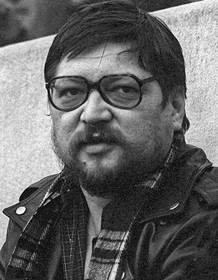
Franz Walsch (Rainer Werner Fassbinder)
Played by Rainer Werner Fassbinder
Franz is a petty hood who refuses to join the criminal syndicate, living as Joanna's pimp and avoiding full commitment to organized crime. He keeps a cool, pragmatic exterior even as violence erupts around him. His actions set off a chain of killings and a doomed bank robbery plan, revealing a dangerous mix of self-preservation and moral ambiguity.
- 🧊 Cool-headed
- 💔 Detached
- BS
Bruno Straub (Ulli Lommel)
Played by Ulli Lommel
Bruno is a handsome but cold young enforcer sent by the syndicate to shadow Franz. He backs violence to solve problems and forms a dangerous bond with Joanna. His loyalty to the plan ends in a shootout that marks the film's descent into chaos.
- 🔥 Violent
- 🕶️ Cold-blooded
-

Johanna (Joanna) (Hanna Schygulla)
Played by Hanna Schygulla
Johanna is a prostitute who shares Franz's flat and becomes entangled with Bruno. She begins an affair with Bruno while Franz is questioned by the police, and she ultimately tips off the police about the robbery, showcasing self-serving complicity.
- 🧠 Strategic
- 💋 Seductive
- KY
Kommissar Yaak Karsunke
Played by Yaak Karsunke
Yaak Karsunke is the detective figure who pursues Franz, coordinating the police response and providing the film's procedural counterpoint to the criminals. His presence intensifies the tension as the characters' plan teeters on exposure.
- 🕵️♂️ Investigative
- 🧩 Persistent
Where and When Is Love Is Colder Than Death Set?
Love Is Colder Than Death is set in Munich and Germany. Here is why the place matters to the story.
Where
Munich, Germany
The story unfolds in Munich's urban core, moving through dim flats, cafés, and the city streets where crime threads through daily life. The apartment shared by Joanna serves as the film's focal point, a private stage for coercion and manipulation. The city's anonymity and bustle provide cover for the petty criminal underworld depicted in the narrative.
- 🏙️ Urban
- 🔪 Crime-ridden
- 🚦 Nightlife
What Are the Themes of Love Is Colder Than Death?
3 ideas the story keeps returning to, among them Moral Ambiguity, Betrayal and Violence.
-
01
Moral Ambiguity
Love and loyalty blur with crime as Franz resists joining the syndicate while engaging in violence to survive. The actions of Bruno and Joanna show how people rationalize wrongdoing in pursuit of personal gain. The film does not offer clean justice but rather a raw look at survival in a merciless world. The narrative leaves right and wrong in a constant state of flux, forcing characters to choose between self-preservation and semblance of morality.
-
02
Betrayal
Betrayal threads through every major decision: Joanna's shifting loyalties, Franz's willingness to use partners, and Bruno's role as an enforcer. Trust is fragile in the underworld, where conflicts are settled with violence and sudden alliances can shift overnight. The film presents a cold calculus where affection is instrumental and personal advantage drives choices. The bank robbery plan becomes a stage for renewed deception.
-
03
Violence
Violence erupts quickly and without hesitation, turning casual meetings into fatal confrontations. The killings—of the Turk and the waitress—reveal a world where life is cheap and consequences are swift. The film uses shock moments to expose how easily ordinary people are pulled into a cycle of crime and retaliation. The finale leaves a stark, unsettling sense of inevitability about the characters' fates.
What Kind of Film Is Love Is Colder Than Death?
Bleak in tone, with steady pacing and a straightforward story, going by the plot summary.
- Tone
- Bleak
- Pacing
- Steady
- Story
- Straightforward
- Intensity
- High
- Ending
- Bleak
A cold and detached journey through Munich's criminal underworld, characterized by stark nihilism and the emotionally empty dealings of small-time crooks whose ultimate betrayals lead to a bleak, unresolved conclusion.
- nihilistic
- cold
- detached
- anxious
- fatalistic
- grim
- crime syndicate
- prostitution
- betrayal
- nihilism
Content notes: murder, prostitution, graphic violence, police killing.
Quiz
How well do you remember Love Is Colder Than Death? Test yourself on the story.