What Is Let Us Live About?
The premise of Let Us Live in 371 words, with nothing given away. The full story follows below.
In the sprawling, tireless expanse of New York City, Brick Tennant works as a weary taxi driver, navigating the streets with the quiet resignation of a man just trying to get by. His world is defined by the simple, hopeful prospect of marrying Mary Roberts, a waitress whose devotion provides a stark contrast to the city’s grime. Their life together seems poised to begin on a note of ordinary happiness, but the chaotic nature of the metropolis has other plans. A sudden, violent event shatters their peace, propelling the couple into a harrowing ordeal where the mundane quickly turns tragic.
When a bewildered eyewitness wrongly identifies Brick as a murderer, the promising future he and Mary envisioned collapses into a frantic fight for survival. The city’s mood, hungry for swift retribution, creates a frenzied atmosphere that pushes the district attorney to pursue a conviction with overwhelming pressure. Despite Brick and Mary’s insistence on his innocence—and the alibi that should clear his name—the judicial system seems to close in on them with suffocating certainty. The film captures the terrifying momentum of a justice system that appears to value speed over precision, trapping two ordinary people in a nightmare of circumstance.
The tension is further complicated by the inclusion of Brick’s friend, Joe Linden, and the presence of Lieutenant Everett, a figure of authority caught between his duty and the troubling inconsistencies of the case. As the courtroom drama unfolds, the narrative paints a gritty portrait of 1930s justice, where the stakes are life and death, and the margin for error is non-existent. The story builds a claustrophobic atmosphere, emphasizing the isolation of the accused against the formidable power of the state.
As Brick faces the ultimate punishment for a crime he did not commit, the narrative shifts focus to Mary’s fierce determination. Refusing to accept the inevitable, she transforms from a supportive partner into a relentless force, determined to tear down the web of mistaken identities and false assumptions. With the clock ticking toward an irreversible end, Let Us Live sets the stage for a tense moral drama, exploring the depths of loyalty and the terrifying fragility of truth when the system meant to protect becomes the very threat to be feared.
What Happens in Let Us Live?
The complete story of Let Us Live, from the first scene to the last, in 487 words (about 2 minutes). Spoilers throughout. Names in the text link to 3 cast member pages.
Spoilers ahead
On the eve of his marriage to waitress Mary Roberts, Brick Tennant, Henry Fonda, a weary taxi driver, finds himself swept up in a murder case after a theater robbery ends in a death and a taxi is used as the getaway vehicle. With the crime tied to a crowd of 121 drivers, the city’s mood shifts to swift punishment, and the district attorney, eager for a conviction, pushes hard to bring the entire taxi fleet into the courtroom. Although Brick and his fiancée Mary—who are able to establish a church alibi at the time of the robbery—face pressure from all sides, the accusations mount and the case grows tangled in a web of doubt and motive.
When a witness swears that Brick and his friend, Joe Linden, Alan Baxter, were the killers, the case takes on a sharper edge. The courtroom spectacle becomes a test of nerves as the prosecution argues urgency and certainty, while Brick and Joe insist on their innocence. The drama intensifies as the jury returns a verdict, and the pair are found guilty, sentenced to die in the electric chair. The image of two ordinary men facing execution underlines the film’s quickening tension and questions about fair process, while Mary refuses to yield to despair and vows to uncover the truth behind the tragedy.
Mary’s determination drives a turning point. She unearths a crucial clue—a bullet from another robbery that came from the same murder weapon—and brings it to light, compelling Lieutenant Everett, Ralph Bellamy, to reexamine the case. Everett, who has a responsibility to serve justice, begins to doubt the validity of the conviction and realizes that the system may have imprisoned the wrong men. With Mary’s steadfast support, the investigation shifts from a doomed fatalism to a cautious pursuit of the real culprits, a pursuit that tests loyalties, procedure, and the meaning of justice itself.
As the execution clock ticks down, Brick undergoes a quiet transformation. He moves from a hopeful, capable young man toward someone whose faith in the institution he’s depended on is deeply unsettled. The mounting questions surrounding the evidence and the people who shaped the case threaten to erase the trust that once defined him. Yet Mary remains a persistent force, and Everett’s growing doubt becomes a catalyst for a broader search that seeks to repair the wrongs that have been done.
In a final, painstaking reveal, the true culprits are found, and the political machinery responds with mercy. The governor pardons Brick, sparing his life, but the film closes on a note that is both somber and urgent: even when life is saved, the scars on belief and faith in the system can endure. The story leaves audiences with a restrained, thoughtful meditation on justice, loyalty, and the cost of a rushed verdict, reminding us that the pursuit of truth can demand more than courage—it requires time, patience, and an uncompromising commitment to the facts.
Let Us Live Timeline: Every Key Event in Order
12 key events in the order they happen, from “On the Eve of Brick's Wedding” to “Faith in the System Shattered”. 12 events name a place, across 10 locations.
- 1
On the Eve of Brick's Wedding
Taxi driver Brick Tennant is pulled into a murder inquiry when police question him and about 120 other taxi drivers after a theater robbery where a man is killed. He is on the eve of his marriage to Mary Roberts, adding personal stress to the case. The questions center on whether the taxi could have been used as the getaway car.
When:Eve of the wedding Where:Police precinct
- 2
Witness Claims Brick and Joe as Killers
A witness swears that Brick and his friend Joe Linden were the killers. The district attorney pushes for conviction, eager to secure a fast result. Brick and Joe are scrutinized despite questions about the reliability of the testimony.
When:During investigation Where:Courtroom / City hall
- 3
Brick and Mary Alibi
Brick and Mary have an alibi: they were in a church when the robbery occurred. The alibi clashes with the testimony against Brick and Joe. The stage is set for a high-stakes trial that could ruin their lives.
When:During the robbery timeline Where:Church
- 4
Trial and Guilty Verdict
Brick and Joe are found guilty and sentenced to die in the electric chair. The verdict comes despite the alibi, and the punishment seems harsh given the shaky evidence. Brick's faith in the system begins to erode as he contemplates his fate.
When:During the trial Where:Courtroom
- 5
Awaiting Execution
As execution looms, Mary refuses to yield. She devotes herself to proving their innocence and searches for new evidence. Brick faces a grim future, his idealism fading under the weight of a wrongful conviction.
When:Before execution Where:Prison
- 6
Mary Discovers a Key Bullet
Mary discovers a bullet from another robbery that could only have come from the murder weapon. This evidence suggests the wrong men were convicted. She brings the finding to Lt. Everett to rally official support for a reexamination.
When:After conviction Where:Police lab / City
- 7
Lt. Everett Joins the Search
Lt. Everett teams with Mary to pursue the truth. They pore over records, question potential witnesses, and chase leads that challenge the prosecutors' case. The investigation intensifies as time runs short.
When:Following the new evidence Where:Police station / City streets
- 8
Pursuit of the Real Culprits
Together they identify the real culprits and piece together how the crime was carried out. The breakthrough shifts the focus from punishment to correction. The danger remains as the truth threatens the established verdict.
When:During the investigation Where:City
- 9
The Day of Execution Approaches
On the day of execution, Brick's hope gives way to doubt about the justice system. The countdown to death pressures him to reconcile his beliefs with the reality he faces. Mary and Everett race against time to secure a stay.
When:Execution day Where:Prison
- 10
Revelation of the Real Culprits
Mary and Everett locate the real culprits just before the sentence could be carried out. They present the new evidence to authorities and halt the execution. The retrieval of justice vindicates Brick and Joe, at least in the eyes of those who value truth.
When:Just before execution Where:City / Court
- 11
Governor Pardons Brick
The governor pardons Brick, sparing his life. The official exoneration ends the immediate threat, but it cannot restore the damaged faith Brick carries.
When:Moment of pardon Where:Governor's office
- 12
Faith in the System Shattered
Although Brick is alive, the experience permanently alters his view of the justice system. The ending underscores a hard-won relief alongside a lingering mistrust. Mary remains steadfast, having saved him even as trust remains fractured.
When:After pardon Where:City
Who Are the Main Characters in Let Us Live?
4 characters, among them Brick Tennant (Henry Fonda), Mary Roberts (Maureen O'Sullivan) and Lieutenant Everett (Ralph Bellamy): who each one is and the part they play in the story. Every profile links to the actor’s page.
-
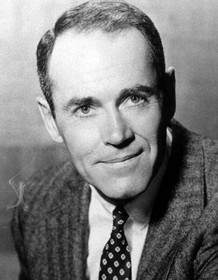
Brick Tennant (Henry Fonda)
Played by Henry Fonda
A young taxi driver and fiancé to Mary Roberts who is drawn into a murder case when a taxi serves as the getaway car. He begins as an idealistic, hopeful man confident in the fairness of the system. As execution nears, his faith in justice is tested and his outlook hardens, revealing the emotional toll of a flawed process. His life is spared by a pardon, but the ordeal leaves a lasting scar on his trust in institutions.
- 🚕 Taxi Driver
- 💘 Romantic Lead
-

Mary Roberts (Maureen O'Sullivan)
Played by Maureen O'Sullivan
Brick's fiancée who refuses to give up on him and becomes the engine of the investigation. She is resilient, resourceful, and fearless in pursuing the truth, even when it puts her at odds with the system. Her persistence drives the narrative and catalyzes the partnership with Lieutenant Everett. Her actions demonstrate that a single determined individual can challenge a city’s flawed procedures.
- 💪 Determined
- 🧠 Thinker
-

Lieutenant Everett (Ralph Bellamy)
Played by Ralph Bellamy
A police lieutenant who initially seems aligned with securing a conviction but ultimately aids in uncovering the real culprits. He embodies the tension between enforcing the law and pursuing justice. His collaboration with Mary shifts the case from punishment to truth, showing integrity within law enforcement. His role anchors the film’s message that justice deserves careful verification.
- 🧭 Investigator
- ⚖️ Lawful Integrity
- JL
Joe Linden (Alan Baxter)
Played by Alan Baxter
Brick's friend and fellow taxi driver who is also wrongly convicted. He shares in the fear and indignation of the courtroom drama and the near-fatal consequences of a rushed verdict. The summary centers Brick's experience, with Joe representing the broader cost of a flawed system. His fate underscores the movie's critique of the death penalty and mass conviction practices.
- 🚕 Friend
- 🤝 Ally
Where and When Is Let Us Live Set?
Let Us Live is set in New York City (1939). Here is why the time and place matter to the story.
When
1939
Set in the late 1930s, the film follows a tense criminal case in a big American city as capital punishment looms for two innocent men. The era’s media-driven public opinion and pressure on prosecutors shape the narrative, while economic hardship of the era adds urgency to the pursuit of truth. The time period frames a courtroom drama where mercy and justice collide.
Where
New York City
A bustling American metropolis serves as the backdrop, with taxi cabs rumbling through crowded streets and a daytime-to-nightlife rhythm that frames the crime and courtroom drama. The focus lands on the theater district and the everyday lives of its workers, who become entwined in a high-stakes legal case. The city’s institutions—courts, police, and press—shape the stakes as a wrong conviction threatens two men.
- 🚕 Taxi culture
- 🏙️ Urban setting
- 🎭 Theater district
What Are the Themes of Let Us Live?
3 ideas the story keeps returning to, among them Justice, Perseverance and Truth-Seeking.
-
01
Justice
The film centers on the fragility of justice when public pressure and political ambition intersect with the courtroom. A wrongful conviction exposes gaps in due process and the rush to verdict. Mary and Everett's efforts test whether truth can override expediency, leading to a dramatic reversal.
-
02
Perseverance
Mary Roberts embodies unwavering determination, driving the search for the real culprits despite personal risk. Brick's fate catalyzes the emotional weight of the story, reminding viewers that steadfast hope can outlive a collapsing faith in institutions. The partnership between Mary and Everett demonstrates resilience within a flawed system.
-
03
Truth-Seeking
The investigation hinges on uncovering concrete evidence that proves innocence beyond reasonable doubt. A bullet from a different robbery becomes the turning point that shifts the entire case. The pursuit of truth pits stubborn tradition against new, piece-by-piece verification, culminating in a life-altering pardon.
What Kind of Film Is Let Us Live?
Tense in tone, with steady pacing and a moderate story, going by the plot summary.
- Tone
- Tense
- Pacing
- Steady
- Story
- Moderate
- Intensity
- High
- Ending
- Happy
A tense and emotionally heavy drama that follows a man's desperate fight for survival against a flawed justice system and his fiancée's frantic investigation to uncover the truth.
- tense
- anxious
- desperate
- frantic investigation
- emotional turmoil
- wrongful conviction
- death row
- race against time
- fiancee's devotion
- exoneration
Content notes: wrongful imprisonment, planned execution, mental anguish.
Quiz
How well do you remember Let Us Live? Test yourself on the story.