
What Is Lemonade About?
The premise of Lemonade in 249 words, with nothing given away. The full story follows below.
In this striking visual album, Beyoncé steps beyond the conventional music video to create a cinematic meditation on love, identity, and resilience. Set against a palette that shifts from dimly lit industrial spaces to sun‑soaked fields and luminous interiors, the work blends performance, dream‑like imagery, and documentary‑style footage. The world feels both intimate and expansive, a tapestry of Southern plantation echoes, urban streets, and submerged reveries that together form a landscape where personal history and cultural memory intersect.
At its core, the piece follows Beyoncé as she navigates a series of symbolic environments that mirror the complexities of racial identity, feminism, and the lingering ache of infidelity. Each scene is charged with a distinct mood—satirical, sensual, solemn—casting a spotlight on the tensions between restraint and expression, public scrutiny and private vulnerability. The tone oscillates between fierce defiance and tender introspection, inviting viewers to feel the weight of generational stories while also sensing moments of quiet reclamation.
Supporting figures appear as silhouettes of family, community members, and cultural icons, weaving together a broader narrative of collective endurance. Their presence amplifies the album’s exploration of history, from ancestral struggles to contemporary celebrations of Black womanhood. Through striking visual motifs—fire, water, light, and shadow—the work crafts an atmosphere that feels both ritualistic and contemporary, urging the audience to contemplate the intersections of personal desire and communal responsibility. The result is a richly layered, immersive experience that feels less like a linear storyline and more like an evolving visual poem inviting endless reflection.
What Happens in Lemonade?
The complete story of Lemonade, from the first scene to the last, in 1,071 words (about 5 minutes). Spoilers throughout. Names in the text link to 4 cast member pages.
Spoilers ahead
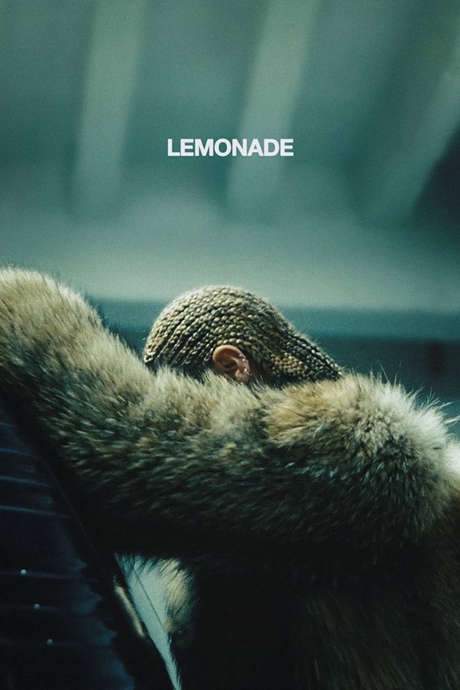
The film opens with a stark visual of Beyoncé leaning against a car in a dim parking garage, her face largely obscured by a fur coat, before cutting to a desolate Fort Macomb. The imagery then shifts to vignettes of Beyoncé in a black hoodie among the reeds and on an empty stage with closed red curtains. This opening sequence sets a mood of introspection, struggle, and reclamation, weaving together performance, dreamlike visuals, and documentary-style footage to explore themes of love, identity, and resilience.
Intuition
On a plantation-like setting, scenes show Black women dressed in white standing solemnly as a recitation of the first poem plays. Intercut with this are shots of Beyoncé among the reeds in a black hoodie, building a contrast between restraint and expression. The arc begins with Beyoncé performing “Pray You Catch Me” in an old metal bathtub, a gaze that feels intimate and vulnerable. She then emerges from a stage onto a rooftop and, in a striking gesture, leaps off the edge into dark waters, signaling a plunge into emotional depth and self-confrontation.
Denial
In a submerged, dreamlike sequence, Beyoncé unzips her hoodie to reveal a skin-toned bustier, then swims into a grand, underwater bedroom where she encounters a version of herself resting on a bed. The underwater world becomes a space of intensified self-examination, before she resurfaces and steps onto a city street in a flowing yellow frilled dress. The moment shifts to the energy of “Hold Up,” turning pain into a dramatic, kinetic catharsis as she moves from water to land.
Anger
A high school band with majorettes leads a suburban parade, while in an abandoned parking garage women dance in long white dresses with linked sleeves. A lone drummer keeps time as dancers in darker attire approach an SUV, and a ring of fire lights up as the track shifts into a fierce, defiant groove with the song Don’t Hurt Yourself. Beyoncé, her hair braided in cornrows and wearing a tight gray two-piece with a fur coat, delivers a bold, confrontational performance as an interlude from Malcolm X’s speech, which presses on the history of discrimination against Black women. The sequence intensifies as she roams a parking garage in a wedding dress, sits in the ring of fire in a red dress, and a banner-like intertitle proclaims, > GOD IS GOD AND I AM NOT. The moment culminates with her throwing the wedding ring at the camera, a provocative symbol of rejection and reclamation.
Apathy
Inside a bus, dancers in tribal paint and traditional African-inspired braids move in unison, while Beyoncé reflects on infidelity through spoken word over a swelling, swan-lake-inspired motif. In a mansion, Serena Williams wanders the halls and dances in front of Beyoncé as she sings Sorry, a juxtaposition that layers personal history with collective memory. The sequence ends with Beyoncé seated cross-legged in an empty room, wearing a metallic bra and a crown-like braid, as naked women move through a field, and the image gradually fades to black.
Emptiness
“Dear Moon” unfolds with a blood-red glow over the plantation mansion, and the beat of 6 Inch drives the visual tempo. Beyoncé rides a vintage Cadillac at night, then sits among women in black who circle around her as she swings a lightbulb above her head. A window explodes into fire as the word LOSS flashes, and she dances behind glass on a grand white stage while scenes of her in a luminous white dress lying on a bed intertwine with a hallway that begins to catch fire. The sequence closes with the group outside the burning mansion, a stark tableau of destruction and endurance.
Accountability
Children are seen playing while a mother and daughter share a quiet moment in a bedroom. An interview with a man recounting his experience meeting then-President Obama runs alongside Super 8 footage of him with his family in New Orleans, grounding personal memory in national history. Beyoncé then performs Daddy Lessons with guitar in a tunnel near Fort Macomb, interrupted by childhood home videos of her father, Mathew Knowles, and scenes of him with his granddaughter Blue Ivy. The footage shifts back to New Orleans life—families, jazz funerals, and everyday rituals—linking intimate memory to communal resilience.
Reformation
Lying in an empty field at the Mercedes-Benz Superdome, Beyoncé watches the world around her begin to heal as Love Drought starts. Women dressed in white walk in a line toward the ocean, echoing the Igbo Landing narrative of collective resistance and self-determination. The imagery blends sorrow and solidarity, suggesting a path from past wounds to a shared, hopeful future.
Forgiveness
In a sparsely furnished interior, Beyoncé plays Sandcastles on the piano, while intimate mementos—childhood drawings, wilted flowers, cherished keepsakes, and a crackling fireplace—frame a quieter, more forgiving mood. She sings to Jay-Z as they share a quiet, intimate embrace, a moment that reframes partnership within the larger arc of healing and renewal.
Resurrection
A gathering of Black women dressed in white reclaims a historic park as Forward begins. They hold up pictures of deceased relatives—mothers of Black men whose deaths sparked the Black Lives Matter movement—and a Mardi Gras Indian circles a dining room, creating a ritual of remembrance and collective strength that births a sense of renewed purpose.
Hope
As Freedom opens, Beyoncé performs a capella on an outdoor stage at night while a dancer interprets the rhythm in motion. The scene intercuts with women gathered under a willow tree for a communal dinner, and a crowned figure, Winnie Harlow, appears with a crown of thorns, symbolizing sacrifice and resilience within a shared struggle.
Redemption
The closing passages show Black women caring for themselves and one another in the mansion, culminating in a personal and communal moment of transformation. The film then shifts to footage of Jay-Z’s grandmother, Hattie White, delivering a speech on overcoming hardship and turning lemons into lemonade, a testament to endurance across generations. The final montage returns to scenes of women united in a garden and in celebration, as the final song, “All Night,” swells and Beyoncé returns to Fort Macomb at sunset in an elaborate dress. Joy, memory, and future promise converge as families, couples, and home videos of Beyoncé with her husband and her own family fill the frame.
The experience closes with a full representation of the music video for Formation, sealing the work as a cohesive, multi-layered meditation on love, liberation, and resilience, rather than a straightforward narrative.
Lemonade Timeline: Every Key Event in Order
14 key events in the order they happen, from “Opening montage” to “Redemption and Fort Macomb finale”. 14 events name a place, across 14 locations.
- 1
Opening montage
The film opens with Beyoncé leaning against a car in a parking garage, face obscured by a fur coat. It cuts to a desolate Fort Macomb and intercuts shots of Beyoncé in a black hoodie among reeds and on an empty stage with closed red curtains. The sequence establishes mystery, isolation, and a mood of introspection.
Where:Parking garage; Fort Macomb; reeds; empty stage
- 2
Intuition on the plantation
Scenes unfold on a plantation with Black women dressed in white and a recitation of the first poem. The imagery is intercut with Beyoncé standing among reeds in a black hoodie, signaling dual identities and introspection before the narrative intensifies.
Where:Plantation
- 3
Pray You Catch Me and rooftop leap
Beyoncé performs Pray You Catch Me in an old metal bathtub, then emerges from a stage onto a rooftop and leaps into deep waters as the song ends. The sequence blends vulnerability with a daring escape, setting a transformative arc into motion.
Where:Old metal bathtub; rooftop
- 4
Underwater Denial and courthouse exit
Underwater, Beyoncé unzips her hoodie to reveal a skin-toned bustier and swims toward a submerged grand bedroom where she encounters a version of herself resting on a bed. She contorts underwater, then emerges from the bedroom and exits through a courthouse doorway onto a street in a flowing yellow dress.
Where:Underwater; submerged bedroom; courthouse street
- 5
Hold Up power and confrontation
Beyoncé walks a busy city street, picks up a baseball bat, and smashes car windows while bystanders cheer. She triggers a fire hydrant, causing kids to play in the spray, breaks a security camera and storefront windows as explosions erupt behind her, then advances on the camera and climbs into a monster truck to drive off crushing vintage cars.
Where:Busy city street; monster truck
- 6
Anger in the parking garage and road
A high school band and majorettes parade down a suburban street, while women in long white dresses dance in a deserted parking garage. A ring of fire forms as Don't Hurt Yourself begins, and Beyoncé, in a wedding dress, wanders the garage before throwing her ring at the camera.
Where:Suburban street; abandoned parking garage
- 7
Apathy on the bus and mansion
In a bus, dancers painted in tribal patterns move in unison as Beyoncé sits in contemplation, reciting a spoken-word poem about infidelity over a Swan Lake-inspired melody. The narrative shifts to a plantation mansion where Serena Williams wanders the halls and dances in front of Beyoncé, ending with naked women wandering a field as the scene fades to black.
Where:Bus; plantation mansion; field
- 8
Emptiness and the burning mansion
Dear Moon is recited as the mansion glows in a blood-red light. Beyoncé rides a vintage Cadillac at night, then moves to a room with black-dressed women and a hanging lightbulb. The word LOSS flashes as a window explodes; she dances behind glass, lies in a white dress on a bed, and walks a hallway as the mansion catches fire, ending with the group outside watching it burn.
Where:Plantation mansion; vintage Cadillac; burning mansion
- 9
Accountability and memory
Little girls play in a mansion while a mother and daughter sit nearby. An interview with a man recounts meeting then-President Obama during a storm, intercut with Super 8 footage of him with his family in New Orleans. Beyoncé then returns to Fort Macomb to sing Daddy Lessons and play guitar, interlacing father videos and jazz funeral imagery.
Where:New Orleans; Fort Macomb tunnel; mansion
- 10
Reformation and Igbo Landing allusion
Beyoncé lies in an empty playing field inside the Mercedes-Benz Superdome as Love Drought begins. The sequence pivots to women dressed in white walking into the ocean, alluding to Igbo Landing and a collective act of choosing resistance.
Where:Mercedes-Benz Superdome playing field; ocean
Show the other 4 events of Lemonade Hide the last 4 events
- 11
Forgiveness and intimate confessions
In a sparsely furnished house, she plays Sandcastles on the piano while intercut with intimate visuals of child drawings, wilted flowers, and a fireplace. She sings to Jay-Z as they caress and embrace, conveying reconciliation and tenderness.
Where:Sparsely furnished house
- 12
Resurrection of community
A gathering of Black women in white dresses takes place in a historic park as Forward begins. They hold up pictures of deceased relatives, including matriarchs, while a Mardi Gras Indian circles around a dining room, amplifying communal memory and solidarity.
Where:Historic park; dining room
- 13
Hope and communal healing
Freedom is performed acappella on an outdoor stage at night, intercut with women sitting under a willow tree and sharing a communal dinner. Winnie Harlow appears with a crown of thorns as the scene emphasizes resilience and collective hope.
Where:Outdoor stage; willow tree
- 14
Redemption and Fort Macomb finale
Women care for themselves in a mansion as Beyoncé recites the final poem. Footage of Jay-Z's grandmother Hattie White celebrating her 90th birthday underscores overcoming hardship. The film culminates with women tending a communal garden on a plantation, then Beyoncé performing All Night back at Fort Macomb at sunset, followed by joyful home-video footage and the Formation music video.
Where:Mansion; plantation; Fort Macomb
Who Are the Main Characters in Lemonade?
9 characters, among them Beyoncé, Malcolm X (voice) and Jay-Z: who each one is and the part they play in the story. Every profile links to the actor’s page.
- B
Beyoncé
Played by Beyoncé
Central figure and narrator of the piece, Beyoncé uses music, movement, and symbolic imagery to navigate pain, resilience, and empowerment. She moves through scenes of anger, forgiveness, and celebration, presenting Black womanhood as transformative and defiant. Her performance blends personal experience with a wider political conversation about race, gender, and love. The character acts as both artist and witness, guiding the viewer through a complex emotional arc.
- 🎤 Icon
- 💪 Empowerment
- 🧭 Self-discovery
-
Malcolm X (voice)
Played by Malcolm X
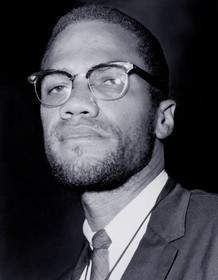
A framing voice that interrupts the narrative to critique internalized hate and systemic oppression. The footage places his words within Beyoncé's performance, connecting historical anti-Black racism to contemporary experiences. He serves as a catalyst for reflection on identity and accountability. The character presence anchors the film's political intent.
- 🎙️ Speech
- 🧭 History
- ✊ Identity
- J
Jay-Z
Played by Jay-Z
Partner in life and art, Jay-Z appears through home videos and archival footage, providing a counterpoint to Beyoncé's solitary journey. He embodies family heritage, shared struggle, and complicated love. His presence grounds the personal in the public, linking past and present. The portrayal emphasizes reconciliation and ongoing partnership.
- 🎬 Film-Partner
- ❤️ Family
- 🕊️ Forgiveness
- SW
Serena Williams
Played by Serena Williams
Serena Williams appears in the mansion corridors and stage scenes, symbolizing strength, excellence, and sisterhood. Her presence reinforces Black female achievement and communal support. The interactions with Beyoncé highlight shared ambition and mutual respect. It contributes to themes of resilience and endurance.
- 🏆 Icon
- 💪 Strength
- 🤝 Sisterhood
- WH
Winnie Harlow
Played by Winnie Harlow
Winnie Harlow appears wearing a crown of thorns, representing beauty, visibility, and critique of standard norms. She embodies leadership and resilience within the Black community, serving as a visual emblem of empowerment and representation.
- 👑 Crown of resilience
- 📷 Representation
- 💫 Vision
- BI
Blue Ivy Carter
Played by Blue Ivy Carter
Home footage glimpses of Beyoncé's daughter, anchoring themes of legacy, family, and hope. The presence of Blue Ivy interweaves personal memory with future generations, emphasizing continuity and care.
- 👶 Family
- 🎥 Home footage
- ❤️ Legacy
- HW
Hattie White
Played by Hattie White
Hattie White appears in home footage and birthday moments, embodying resilience and intergenerational wisdom. Her presence connects personal hardship to communal strength and longevity of family memory.
- 🎖️ Resilience
- 👵 Wisdom
- MK
Mathew Knowles
Played by Mathew Knowles
Mathew Knowles appears in family footage, framing memory and lineage within Beyoncé's broader public life. His presence invites reflection on fatherhood, guidance, and the complexities of legacy.
- 👨👧 Father
- 🧭 Memory
- TK
Tina Knowles
Played by Tina Knowles
Tina Knowles appears in home footage as a maternal figure whose influence threads through family history and support. Her presence underscores themes of care, resilience, and community.
- 👩 Mother
- 🧩 Family
Where and When Is Lemonade Set?
Lemonade is set in Fort Macomb, New Orleans, Louisiana and Igbo Landing (2010s). Here is why the time and place matter to the story.
When
2010s
Set in the contemporary United States during the 2010s, the film blends present-day cityscapes with memory of slavery-era events. It intercuts interviews, home footage, and performance to trace a lineage of Black resilience. The period foregrounds modern social-justice discourse and personal reckoning.
Where
Fort Macomb, New Orleans, Louisiana, Igbo Landing
The narrative unfurls across Fort Macomb and the surrounding New Orleans area, shifting from desolate fort spaces to bustling urban streets. It also traverses a plantation mansion and a ceremonial outdoor space near a grand stage, grounding the film in Black historical memory. The Mercedes-Benz Superdome appears as a distant symbol of communal endurance and spectacle.
- 🏞 Plantation setting
- 🌆 Urban spaces
- 🗺 History sites
What Are the Themes of Lemonade?
4 ideas the story keeps returning to, among them Black Womanhood, Rage & Rebellion and Memory & Healing.
-
01
Black Womanhood
Explores Black womanhood as a source of strength and vulnerability. The film places Beyoncé at the center of emotional labor, motherhood, and leadership. It confronts stereotypes while reclaiming desire, anger, and joy. The theme argues that womanhood is both a personal experience and a political act.
-
02
Rage & Rebellion
Captures explosive anger as a force for change rather than mere destruction. Scenes of breaking windows, smashing cars, and confronting surveillance act as a catalyst for collective action. The rage is framed as a response to systemic oppression and a call for accountability. It presents magic and spectacle as political rhetoric.
-
03
Memory & Healing
Memory anchors the narrative in ancestral trauma and intergenerational resilience. The references to Igbo Landing and family footage connect present pain to a long arc of history. Healing is depicted as communal, restorative work among women. The film treats memory as a pathway to personal and collective redemption.
-
04
Art & Performance
Performance and imagery are used as political language rather than decoration. The film fuses poetry, music, and visual art to challenge oppression. Beyoncé's persona becomes a moving collage that confronts stereotypes and celebrates resistance. The audience experiences protest through beauty and ritual rather than direct rhetoric alone.
What Kind of Film Is Lemonade?
Bittersweet in tone, with variable pacing and a complex story, going by the plot summary.
- Tone
- Bittersweet
- Pacing
- Variable
- Story
- Complex
- Intensity
- High
- Ending
- Happy
A visually stunning and emotionally intense artistic journey that oscillates between raw vulnerability and defiant catharsis, exploring profound pain and culminating in a powerful sense of communal hope and resilience.
- cathartic
- dreamlike
- defiant
- vulnerable
- solemn
- ritualistic
- racial identity
- feminism
- infidelity
- healing
Content notes: racial injustice, infidelity, emotional trauma.
Quiz
How well do you remember Lemonade? Test yourself on the story.
Where to Watch Lemonade
. US availability and prices from JustWatch.
Streaming availability in the US, powered by 
