
Last Hurrah for Chivalry 1979

Directed by
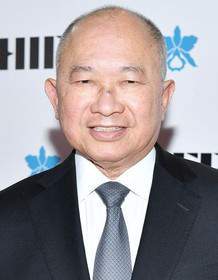
John Woo
Made by

Orange Sky Golden Harvest
Where to Watch Last Hurrah for Chivalry
See current US streaming, rental, and purchase options for Last Hurrah for Chivalry (1979) via JustWatch.

Criterion Channel
HD
FlixFling
SD
Mometu
HD
Amazon Video
SD
Apple TV Store
HD
Fandango At Home
SD
Google Play Movies
SD
YouTube
SD Streaming availability powered by 
Last Hurrah for Chivalry Plot Summary
Read the complete plot summary and ending explained for Last Hurrah for Chivalry (1979). From turning points to emotional moments, uncover what really happened and why it matters.
On a lush hillside estate, Kao, the heir to a once-great warrior, prepares for his wedding, a ceremony steeped in wealth and old honor. In a quiet, uneasy moment with his guards, Kao admits that his bride is a prostitute he bought for 1000 tang, and the men remark that Kao has chased scholarship rather than martial virtue—suggesting his studies have sharpened more skills in the bedroom than in battle. The wedding spirals into chaos as an intrusion arrives: Pak, Lee Hoi-Sang, the foe of Kao’s father, comes with a force intent on reclaiming the estate Kao’s father wrested from him. In the heat of the clash, the bride betrays Kao, exposed as having been paid 2000 tang to turn him over. The shock of the betrayal sinks Kao’s defense, and he is compelled to flee with his last loyal servant, leaving Pak in possession of the estate.
Kao swears vengeance, but his path is uncertain until a trusted servant urges patience and planning. He first seeks a grandmaster for a legendary magic sword, only to be refused—warned that Kao’s character leaves much to be desired and that the sword cannot repair a flawed heart. Undeterred, Kao shifts his plan and targets a skilled warrior he might hire. He crosses paths with Chang, Wai Pak, a former fighter who has largely abandoned combat to care for his ailing mother. Kao wins Chang’s cooperation not through force but through acts of generosity: he buys costly medicines for the mother and even covers the funeral expenses, earning a partner who believes in his cause.
Chang’s loyalty deepens when he scales a courtyard wall to enjoy the music of the courtesan Sau Sau, and there he encounters Tsing, a drunken wandering mercenary who harbors a one-sided affection for Sau Sau. Damian Lau Chung-Yan and Chang form a bond of brotherhood, and the pair—along with Kao—set out to map Pak’s estate, identify its most dangerous henchmen, and strike at the heart of Pak’s power. They defeat the henchmen in succession and finally bring Pak to a decisive confrontation. After their triumph, Tsing warns Chang with a stark truth: Kao had offered 500 tang to kill him, a revelation that gnaws at the uneasy alliance.
The victory is not without price. Kao’s own servant witnesses the aftermath of the conflict and later sees Chang’s lifeless body, a grim reminder of the cost of ambition. Driven by a darker impulse, Kao returns to the grandmaster’s home, seeking the hidden magic sword once more. He kills the grandmaster and fabricates a story of suicide to justify the death to his wary servant, revealing a willingness to cross moral lines for power.
Tsing arrives to collect Kao’s debt, and Kao hands over a bag as payment. Sensing danger, Tsing discards the bag, only to reveal it was filled with venomous snakes—a final trap gone wrong. In the shadows, Chang re-emerges, and the three converge in a brutal clash. The magic sword enables Kao to surge into the skies, vanishing from sight before delivering a cataclysmic falling strike. On the third attempt, Tsing shoves Chang aside and raises his own blade toward the heavens, turning the duel into a deadly triangle. Kao and Tsing impale each other in a final, fateful confrontation, while Chang emerges as the sole survivor, bearing the heaviness of the choices that led to this stark end.
Last Hurrah for Chivalry Timeline
Follow the complete movie timeline of Last Hurrah for Chivalry (1979) with every major event in chronological order. Great for understanding complex plots and story progression.
Wedding preparations at Kao's hillside estate
Kao, heir to a great warrior, prepares for his wedding at an opulent hillside estate. He confesses to his men that his bride is a prostitute he bought for 1000 tang. The men mutter that Kao has focused more on study and seduction than martial virtue, hinting that his scholarship has skewed toward the bedroom.
Wedding interrupted by Pak's attack
Pak and his men strike to reclaim the estate. The bride reveals that Pak paid her 2000 tang to betray Kao, turning the melee in his favor. Kao is forced to flee the chaos with his last servant, leaving the estate under Pak's control.
Kao vows revenge
Kao swears revenge, but realizes he cannot do it alone. His servant urges him to seek powerful help to even the odds. This marks the turning point from personal loss to a calculated plan for retribution.
Grandmaster refuses the magic sword
Kao seeks a magic sword from a grandmaster to aid his vengeance. The grandmaster refuses, citing Kao's poor character as a moral impediment. The rejection signals that raw power will not be enough without virtue.
Kao meets Chang, the hired warrior hopeful
Kao tracks down Chang, a fighter who has mostly stopped fighting to care for his sister and ailing mother. Kao persuades him by buying expensive medicines for his mother and later paying for his sister's funeral expenses. Chang is moved and begins to consider returning to battle.
Chang joins Kao's plan
Kao succeeds in convincing Chang to join his cause. The alliance is forged through mercy and mutual need rather than honor. Together they begin to plan their confrontation with Pak.
Chang and Tsing meet at Sau Sau's courtyards
Chang climbs the wall of a courtyard to enjoy Sau Sau's music. There he meets Tsing, a drunken wandering mercenary who is in a one-sided relationship with the courtesan. The two men quickly form a bond of brotherhood and resolve to work together.
The pair joins Kao's cause
Chang and Tsing team up with Kao’s cause, agreeing to help defeat Pak and reclaim the estate. They scout Pak's estate to identify the most dangerous henchmen and plan a strike. Their partnership deepens as they prepare for a high-stakes confrontation.
Henchmen fall; Pak is defeated
The trio defeats Pak's henchmen in sequence and presses toward Pak. They win a hard-fought battle that ends with Pak's defeat and Kao's estate reclaimed, though at a price. The victory confirms Kao's dangerous road to vengeance.
Tsing reveals Kao's betrayal attempt
After the victory, Tsing confronts Chang and reveals that Kao had offered 500 tang to kill him. The admission seeds mistrust and frays their fragile alliance. The revelation hints at deeper betrayals to come.
Chang's death is discovered
Later, Kao's family servant discovers Chang's lifeless body. The death deepens the rift between Kao and his allies and shows the human cost of their pursuit. It signals the price of vengeance visiting those who helped Kao.
Kao steals the magic sword; master killed
Kao ransacks the grandmaster's home and finds the magic sword hidden behind a mirror. He kills the grandmaster and lies to his servant that the death was suicide. This act marks Kao's moral decline as he seizes power through fear.
Kao kills the loyal servant
A family servant confronts Kao about his character, challenging his choices. Kao kills the servant to silence him and preserve his ambitions. The act reinforces Kao's descent into tyranny.
Tsing delivers the trap: snakes
Tsing comes to collect payment from Kao, who offers a bag as settlement. Tsing suspects a trap and discards the bag, which is filled with venomous snakes. The snakes slither into the confrontation, adding a lethal hazard to the final fight.
Final duel and tragic ending
Chang arrives to join the final battle as Kao and Tsing clash. The magic sword lets Kao fly into the sky and strike from above, unleashing a devastating fall. On the third attempt, Tsing pushes Chang aside and raises his own sword toward the heavens, and Kao and Tsing impale each other, leaving Chang as the sole survivor.
Last Hurrah for Chivalry Characters
Explore all characters from Last Hurrah for Chivalry (1979). Get detailed profiles with their roles, arcs, and key relationships explained.
Kao Pang / Ko Peng (Lau Kong)
The heir of a great warrior, Kao begins as a scholar who values intellect over martial virtue. He vows to reclaim his father’s estate after Pak’s attack and seeks a magical sword to tip the odds. His willingness to manipulate others and commit lethal acts reveals a flawed character that drives his eventual downfall.
Pak Chung Tong (Lee Hoi-Sang)
Enemy of Kao’s father who returns with men to reclaim the estate. Pak orchestrates the attack and pays the bride to betray Kao, using force and deception to restore his power and control.
Chang (Chang Ching-Po)
A seasoned fighter who has given up active combat to care for his ailing mother. Kao persuades him to help by funding medicines and funeral expenses, and Chang fights to protect his family while navigating Kao’s dangerous plans. He ultimately survives the ordeal, remaining a steady and capable presence.
Tsing Yi (Damian Lau Chung-Yan)
A drunken wandering mercenary who becomes Kao’s ally and forms a brotherly bond with Chang. He scouts Pak’s estate, fights fiercely, and ultimately sacrifices himself in the climactic duel.
Sau Sau (Bonnie Ngai Chau-Wah)
A courtesan who captivates and becomes entangled with the courtly world around Kao. She is paid by Pak to betray Kao, influencing the wedding’s chaos and contributing to the turn of events.
Last Hurrah for Chivalry Settings
Learn where and when Last Hurrah for Chivalry (1979) takes place. Explore the film’s settings, era, and how they shape the narrative.
Location
Hillside estate, Pak's estate, Grandmaster's residence
An opulent hillside estate serves as Kao's family stronghold and the wedding venue where the drama begins. Pak's estate and the grandmaster's residence become the centers of conflict as betrayal and power plays unfold. The setting's grandeur and fortified walls mirror the chivalric code tested by greed, revenge, and shifting loyalties.
Last Hurrah for Chivalry Themes
Discover the main themes in Last Hurrah for Chivalry (1979). Analyze the deeper meanings, emotional layers, and social commentary behind the film.
🗡️
Revenge
Kao's vow to avenge his father's defeat drives the plot, shaping his willingness to manipulate others and pursue a dangerous, morally grey path. The pursuit of vengeance leads him to seek magical power and allies, even as it corrodes his character. The story shows how revenge spirals into further violence and tragedy.
🤝
Loyalty
Chang and Tsing form a brotherly bond and choose to stand with Kao despite mounting risks. Their loyalty is tested by Kao's increasingly reckless schemes and the brutal realities of their world. In the end, their solidarity persists even as Kao and Tsing fall.
💔
Betrayal
Betrayal threads through the narrative—from the bride paid by Pak to betray Kao to Kao's manipulation of allies and the grandmaster's death. The betrayals expose the fragility of trust and illuminate how pursuit of power corrupts intentions. The climactic betrayals redefine who survives and who pays the price.

Coming soon on iOS and Android
The Plot Explained Mobile App
From blockbusters to hidden gems — dive into movie stories anytime, anywhere. Save your favorites, discover plots faster, and never miss a twist again.
Sign up to be the first to know when we launch. Your email stays private — always.
Explore the mobile appLast Hurrah for Chivalry Spoiler-Free Summary
Discover the spoiler-free summary of Last Hurrah for Chivalry (1979). Get a concise overview without any spoilers.
In a lush, mountainous realm where ancient honor clashes with the restless pulse of a changing world, Kao stands at the crossroads of duty and desire. Recently married, he finds his newfound happiness shadowed by a lingering threat: a bitter enemy has already set a dark bargain in motion, hiring his bride to turn the very promise of love into an instrument of death. The lush estate that should be a sanctuary instead feels like a stage for whispered treachery, its opulent halls echoing with the weight of past glories and present uncertainties.
Aware that his own reputation for scholarly pursuits has left his martial instincts dulled, Kao seeks to restore balance not through brute force alone, but by calling upon two legendary swordsmen whose skill is matched only by their enigmatic loyalties. Their arrival brings a palpable shift in atmosphere—steel glints in the twilight, and the air vibrates with the disciplined rhythm of disciplined combat, hinting at a looming contest between ancient technique and modern cunning. Yet even as these protectors assemble around him, Kao senses a darker current within himself, a latent cruelty that could unravel the fragile alliances he is trying to forge.
The film unfolds with a tone that blends the sweeping grandeur of classic wuxia with a sharp, almost corrosive undercurrent of moral ambiguity. Characters move through a world where honor is both a birthright and a burden, where personal ambition wrestles with the expectations of lineage and the lingering ghosts of past betrayals. As Kao navigates this treacherous landscape, the audience is invited to contemplate how the promise of protection can be both a shield and a mirror, reflecting the hidden shadows that each warrior must confront before the inevitable clash can truly begin.
Movies with Similar Twists and Themes
Uncover films that echo the narrative beats, emotional arcs, or dramatic twists of the one you're exploring. These recommendations are handpicked based on story depth, thematic resonance, and spoiler-worthy moments — perfect for fans who crave more of the same intrigue.


Featured on this page

What's After the Movie?
Not sure whether to stay after the credits? Find out!
Check out our other apps:

SAT Sphere
Build confidence for the Digital SAT.

Mori Atlas
Discover wild places worth protecting.

Luntero
Search smarter for a home in Amsterdam.

Plot Explained
Unravel movie endings and hidden clues.

Pokechamp
Dive into Pokémon data and battle logic.

Driving Theory
Get ready for your European theory test.

Movie Dust
Plan your next cinema trip with ease.

Musemap
Find art and culture as you travel.

Selkobase
Compare credentials before committing.

Local Manual
Turn an unfamiliar country into practical next steps.

Lernavi
Compare school systems before your next move.

GymRoam
Find a workout stop wherever your plans take you.
Explore Our Movie Platform
New Movie Releases (2026)
Famous Movie Actors
Top Film Production Studios
Movie Plot Summaries & Endings
Major Movie Awards & Winners
Best Concert Films & Music Documentaries
Movie Collections and Curated Lists
© 2026 What's After the Movie. All rights reserved.
Privacy Policy