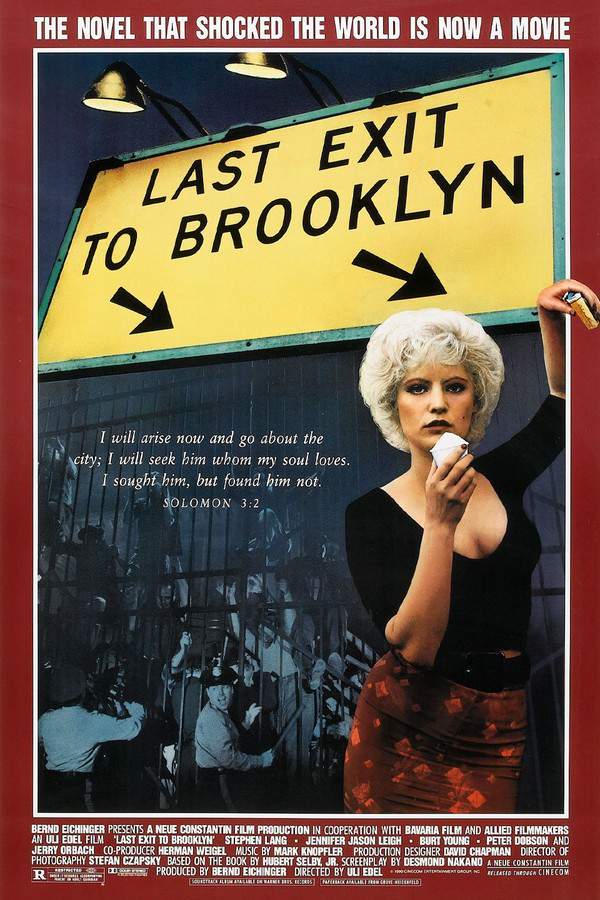
What Is Last Exit to Brooklyn About?
The premise of Last Exit to Brooklyn in 297 words, with nothing given away. The full story follows below.
In the gritty streets of 1952 Brooklyn, a city still echoing the clang of factories and the low hum of labor disputes, everyday life is a tightrope between survival and longing. Harry Black works the night shift at a local plant, his quiet demeanor masking a deep yearning for connection in a world that forces him to hide his true self. The constant backdrop of a workers’ strike adds a restless energy to the neighborhood, turning ordinary interactions into fragile negotiations of power and identity.
Beyond the factory walls, a younger soul drifts through the alleys and tenements, searching for a semblance of stability amid the concrete maze. This unnamed teenager’s daily grind reflects the broader challenges faced by those on the margins—where each day is a lesson in resilience, and each night a quiet plea for belonging.
The tapestry of Brooklyn’s underbelly is woven with a cast of vivid personalities. Boyce, the seasoned union negotiator, balances the weight of responsibility with his own quiet doubts. Vinnie, a street‑wise figure with a magnetic pull, runs a world that skirts the edge of legality, while Georgette—a transgender woman with a hopeful heart—treads the fine line between danger and desire. Across the same gritty avenues, Big Joe—a stalwart laborer—juggles family obligations, and Tommy, a charismatic motorcyclist, roams the streets seeking both freedom and affection. In quieter moments, Regina offers a fleeting sanctuary, hinting at the possibility of love beyond the shadows.
Together, these lives pulse with a raw, atmospheric tone that captures the era’s stark contrasts: the clamor of industrial progress against the whisper of personal longing. The film immerses the viewer in a world where isolation and hope coexist, inviting curiosity about how each character will navigate the fragile balance between survival and the timeless search for acceptance.
What Happens in Last Exit to Brooklyn?
The complete story of Last Exit to Brooklyn, from the first scene to the last, in 655 words (about 3 minutes). Spoilers throughout.
Spoilers ahead
In 1952 Brooklyn, the local factory strike has stretched into its sixth month, casting a long shadow over the workplace and the lives intertwined with it. At the center of the action is Harry Black, a shop steward who relishes his new role as strike secretary. The position is financially more rewarding than his old job, and it gives him an excuse to step out of the house, where his wife remains unaware that Harry is gay. Across the picket line, Boyce, the union’s steadfast leader, tries to broker a path between management and the workers, navigating stubborn pride, nerves, and the pressure of keeping the strike alive.
Meanwhile, the world outside the factory gates is teeming with danger and desire. Tralala moves through the streets as a prostitute who lures sailors to a vacant lot only to be robbed by her pimp, Vinnie. Her life intersects with Georgette, a young transgender woman who carries a quiet crush on Vinnie, adding a layer of unspoken longing to the tense atmosphere of the strike. Among the workers, Big Joe discovers that his daughter is pregnant out of wedlock by Tommy, a charismatic factory worker known for riding a motorcycle. This revelation erupts into a confrontation at the strike office, igniting a heated fight that highlights the fault lines between loyalty, tradition, and the fragility of family bonds.
Amid the personal turmoil, Tommy proposes marriage to Joe’s daughter, but the baby is born before the ceremony, complicating everyone’s plans. At the wedding party, Joe’s temper resurfaces, and another clash nearly threatens the fragile new life they hope to build together. In a parallel thread, Harry crosses paths with Regina, another transgender woman, and a genuine romance begins to bloom. The union is tested by the realities of a strike that stops trucks from leaving the facility; when a riot erupts, the police deploy water cannons and tear gas to disperse the crowd. Harry sustains injuries in a fight with one of the strikebreaking drivers, a moment that turns him into something of a hero in the eyes of the strikers, even as the emotional costs of the conflict accumulate.
As the strike intensifies, Harry introduces Vinnie to Boyce, who agrees to a drastic plan to destroy the trucks of the contractor responsible for the disruption. This agreement marks a turning point, as Boyce later fires Harry after uncovering an abuse of expenses and Harry’s absence on the morning the trucks arrived. The personal fallout continues with Harry’s return to Regina, only to be cast out once more, leaving him heartbroken. The cycle of violence deepens when Harry is badly beaten by Vinnie and his associates, with Georgette drawn into the aftermath, highlighting how anger and coercion ripple through every relationship touched by the strike.
On a separate strand of Tralala’s life, she encounters a kind sailor in Manhattan who seems to love her and invites her to move in. When he’s sent away to war, he leaves her a hopeful note that he might return to rekindle their relationship. But despair overtakes her: she drifts back to one of her old haunts, where she drunkenly shows herself to a mixed crowd of locals and sailors, and then urges the men to have sex with her. The sequence escalates into a gang rape, leaving Tralala catatonic on a mattress, eventually found by Joe’s son, a grim reminder of how exploitation and violence can shadow love and longing.
As Tommy’s wedding approaches, the mood brightens briefly when Boyce announces that management has caved and the factory will reopen on Monday, a victory that promises a return to work and a sense of normalcy. The story closes with that moment of tentative optimism: on Monday, as the workers reclaim their roles, Joe welcomes Tommy into the family and offers him practical marital advice, suggesting that, even in the midst of upheaval, there is a path toward a peaceful life together.
Last Exit to Brooklyn Timeline: Every Key Event in Order
15 key events in the order they happen, from “Strike begins its sixth month in Brooklyn” to “Monday reopening; Tommy officially joins the family”. 13 events name a place, across 12 locations.
- 1
Strike begins its sixth month in Brooklyn
In 1952 Brooklyn, workers have entered the sixth month of a factory strike. Shop steward Harry Black relishes his new role as strike secretary; the job is more lucrative and keeps him out of the house, away from a wife who does not realize that Harry is gay. As tensions rise, the union, the workers, and the factory management grow more at odds, foreshadowing the clashes to come.
When:1952, sixth month of the strike Where:Brooklyn
- 2
Union leadership tries to broker a deal
Boyce, the union leader, tries to negotiate between the factory and the union representatives. He must balance the workers' demands with the risk of escalation on the picket lines. The negotiations play out against mounting pressure and threats from the contractor.
When:during the strike Where:Union Hall
- 3
Tralala's scheme with Vinnie
Tralala is a prostitute who lures unsuspecting sailors to a vacant lot to be robbed by Vinnie, her pimp and ex-convict. The scheme reveals the darker underside of the waterfront during the strike era. The illicit economy surrounding the strike feeds off desperation and lawlessness.
When:during the strike Where:vacant lot
- 4
Georgette's crush on Vinnie
Georgette, a young transgender woman, harbors a crush on Vinnie, adding a personal complication to the street-level power dynamics. Her feelings intersect with the violence and exploitation that swirl around the striker community.
When:during the strike
- 5
Joe learns his daughter is pregnant; confrontation in the strike office
Big Joe confronts Tommy at the strike office after learning his daughter is pregnant by him. The confrontation erupts into a fight that underscores the personal costs of the industrial battle. The tension foreshadows the fragile alliances within the strike community.
When:during the strike Where:Strike Office
- 6
Tommy agrees to marry Joe's daughter
Tommy agrees to marry Joe's daughter, choosing commitment amid the chaos of the strike. The engagement promises stability for a family fractured by work stoppages and rivalries. The couple's plans become another point of contention within the union.
When:before the wedding
- 7
Baby is born before the wedding; Joe and Tommy fight then reconcile
The baby is born before the wedding, heightening the stakes for everyone involved. During the wedding party, Joe and Tommy clash again, but they reconcile when they realize their quarrel could threaten the newborn. The moment hints at a fragile peace achievable only through the bonds of family.
When:before the wedding and during the wedding Where:Wedding
- 8
Harry meets Regina and the truck deadline arrives; riot
Harry meets Regina, a transgender woman, and falls in love. The next morning, he misses the arrival of trucks at the factory, and the strikers attempt to stop their departure, sparking a riot. The pageant of protests escalates as tensions flare and the police intervene.
When:one morning Where:Regina's place and factory gates
- 9
Riot escalates and Harry is hailed as a hero
The riot escalates as strikers clash with strikebreakers on the streets around the factory. Police disperse with water cannons and tear gas, and Harry is injured in a fight with a strikebreaking driver, earning him hero status among the workers. The disturbance reveals how quickly momentum can swing in a labor battle.
When:morning Where:City streets by the factory
- 10
Harry's union fall and Vinnie plan; he is fired
Harry introduces Vinnie to Boyce, who agrees to target the contractor's trucks. The plan backfires when management uncovers Harry's abuse of expenses and his absence the morning the trucks arrived, leading to his dismissal. The firing completes a personal collapse set against the strike's precarious balance.
When:after the riot Where:Strike Office
Show the other 5 events of Last Exit to Brooklyn Hide the last 5 events
- 11
Harry returns to Regina; she's expelled him
Heartbroken, Harry returns to Regina, who throws him out of her life. The breakup compounds his sense of failure as the strike pain lingers in his relationships. He struggles with the consequences of his choices.
When:after firing Where:Regina's place
- 12
Harry is beaten and Georgette is urged to join in
Harry is badly beaten by Vinnie and his associates, who push Georgette to join in the violence. The assault underscores the brutal, sometimes cruel, reality at the strike's underworld. The physical damage mirrors the erosion of trust within the community.
When:after firing Where:Street
- 13
Tralala's wartime romance and downward spiral
In Manhattan, Tralala meets a kindly sailor who seems to truly love her and promises to return from war to be with her. He ships out, and she sinks into despair, drinking and exposing herself in public, which leads to a violent assault by locals. She is left catatonic on a mattress, later found by Joe's son.
When:before he ships out for war Where:Manhattan
- 14
Boyce proclaims compromise; factory to reopen on Monday
At Tommy's wedding, Boyce announces that management has caved to their demands and the factory will reopen on Monday, prompting collective celebration. The workers glimpse an end to the strike as the personal dramas continue to unfold. The announcement reshapes loyalties and signals a fragile return to normalcy.
When:at the wedding Where:Tommy's wedding
- 15
Monday reopening; Tommy officially joins the family
On Monday, as workers return to the factory, Joe welcomes Tommy to the family and offers him marital advice if he ever needs it. The scene closes the immediate arc with a cautiously hopeful note amid the lingering tensions. The workers begin rebuilding after the long strike.
When:Monday Where:Factory
Who Are the Main Characters in Last Exit to Brooklyn?
8 characters, among them Harry Black (Stephen Lang), Big Joe (Burt Young) and Tralala (Jennifer Jason Leigh): who each one is and the part they play in the story. 7 of them link to the actor’s page.
-

Harry Black (Stephen Lang)
Played by Stephen Lang
Harry Black is a shrewd, self-serving union steward who relishes his role as strike secretary, using it to justify time away from his wife and to exercise influence over others. He navigates a double life, concealing his sexuality while courting Regina, which invites personal cost. After a riot at the factory, he earns temporary acclaim but is later fired for expense abuses and absence, leaving him broken.
- 💼 Union leader
- ❤️ Complex relationships
- 🧭 Hidden identity
-
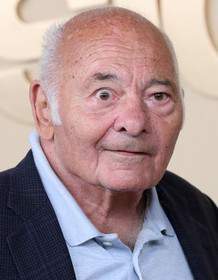
Big Joe (Burt Young)
Played by Burt Young
Big Joe is a protective, hot-tempered worker who faces a personal crisis when his daughter becomes pregnant by Tommy. He wrestles with loyalty to his family and to the strike, often clashing with others as he defends his kin. His arc exposes the brutal tensions of a community under economic stress.
- 👨👦 Father
- 🥊 Conflict
- 🛡️ Protector
-

Tralala (Jennifer Jason Leigh)
Played by Jennifer Jason Leigh
Tralala is a streetwise prostitute who lures sailors into danger and poverty, using her wits to survive in a hostile world. Her arc spans seduction, betrayal and trauma as she falls into a brutal gang rape and ends up catatonic, illustrating the perilous underbelly of the city. Her pursuit of affection leads her to moments of vulnerability and loss.
- 💃 Prostitute
- 🧭 Survivor
- G(
Georgette (Maia Danziger)
Played by Maia Danziger
Georgette is a young transgender woman who harbors a crush on Vinnie, revealing the film's thread of nontraditional love and social marginalization. She participates in the strife and personal drama of the strike, seeking connection in a rough urban world. Her presence highlights gender identity issues in 1950s Brooklyn.
- 🧭 Transgender
- ❤️ Unrequited love
-
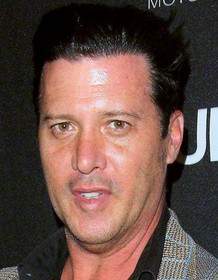
Vinnie (Peter Dobson)
Played by Peter Dobson
Vinnie is an ex-convict and Tralala's pimp who profites from the sailors and the chaos of the strike. He manipulates people and orchestrates dangerous schemes around the trucks and strike actions. His actions drive much of the violence and exploitation in the story.
- 💼 Pimp
- 💥 Antagonist
-

Tommy (Stephen Baldwin)
Played by Stephen Baldwin
Tommy is a motorcycle-riding factory worker who becomes the fiancé (and eventual husband) of Joe's daughter, symbolizing a younger generation's hopes. He confronts Joe and other tensions but generally strives for resolution and family unity, including planning the wedding just as the strike's outcome is revealed. His arc ties personal ambition to communal conflict.
- 🏍️ Worker
- 👰 Family
- 🕊️ Reconciliation
-
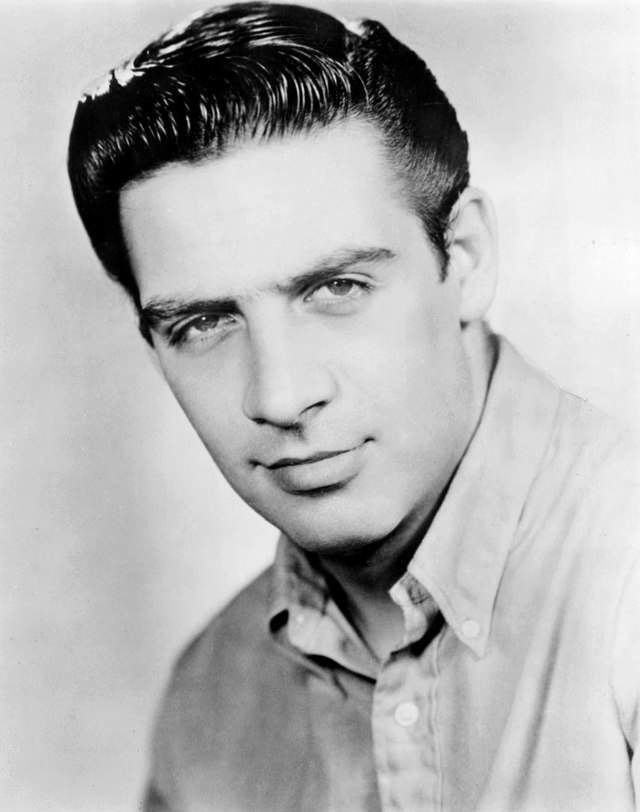
Boyce (Jerry Orbach)
Played by Jerry Orbach
Boyce is the union leader who negotiates between management and workers, offering a pragmatic but sometimes harsh stance. He becomes entangled in the strike's politics and in the fallout from Harry's schemes, ultimately playing a pivotal role in the strike's direction.
- 💼 Union
- ⚖️ Negotiation
- R
Regina
Regina is a transgender woman who becomes Harry's love interest, offering him emotional connection amid his external battles. Her relationship with Harry adds a layer of longing and vulnerability to the film's social commentary.
- ❤️ Love
- 🧭 Identity
Where and When Is Last Exit to Brooklyn Set?
Last Exit to Brooklyn is set in Brooklyn and New York (1952). Here is why the time and place matter to the story.
When
1952
The story takes place in the early 1950s, a postwar era defined by active labor organizing and economic struggle. The six-month strike provides the moral and physical storms around which the characters' lives turn. Social attitudes toward gender and sexuality reflect a rigid era that heightens the vulnerability of marginalized people.
Where
Brooklyn, New York
Set in 1952 Brooklyn, the film unfolds amid a prolonged factory strike that grips working-class neighborhoods and the waterfront. The area is crowded with tenements, bars, and street corners where alliances form and betrayals surface. The city atmosphere underscores a volatile mix of labor tension, economic precarity, and everyday violence.
- 🏙️ Urban
- 🏭 Industrial
- 🧱 Tenement Neighborhood
What Are the Themes of Last Exit to Brooklyn?
4 ideas the story keeps returning to, among them Exploitation, Conflict and Love.
-
01
Exploitation
The film exposes how vulnerable people—prostitutes, workers, and marginalized individuals—are exploited by those in power and by the chaotic structure of urban life. Relationships are transactional, and people use others to secure safety, money, or escape. This theme threads through Tralala's downfall and the cynical manipulations of Vinnie.
-
02
Conflict
A strike escalates into riot as strikers confront strikebreakers and police, mirroring the broader clash between labor and capital. The violence punctuates daily life and shatters any illusion of control for the characters. Authority's use of force reveals the limits of the workers' solidarity.
-
03
Love
Romance complicates survival as characters seek connection amid harsh conditions. Harry's romance with Regina and the precarious bonds between Tralala and others show how love can offer solace but also lead to vulnerability. The film juxtaposes tender moments with brutal realities.
-
04
Identity
Georgette and Regina challenge conventional gender norms of the era, presenting non-normative identities against a backdrop of prejudice. Their experiences illuminate how the era constrains personal authenticity while also offering moments of tenderness. The characters' self-expression becomes a quiet act of resistance in a harsh city.
What Kind of Film Is Last Exit to Brooklyn?
Dark in tone, with steady pacing and a complex story, going by the plot summary.
- Tone
- Dark
- Pacing
- Steady
- Story
- Complex
- Intensity
- High
- Ending
- Bittersweet
A gritty and emotionally heavy drama that steadily unfolds a tapestry of interconnected lives in 1950s Brooklyn, characterized by raw violence, tragic outcomes, and a somber but cautiously hopeful conclusion.
- gritty
- oppressive
- grim
- raw
- emotional
- tragic
- labor strike
- sexual identity
- urban decay
- prostitution
Content notes: gang rape, sexual assault, physical violence, exploitation, homophobic violence.
Quiz
How well do you remember Last Exit to Brooklyn? Test yourself on the story.