

What Is Lady in the Dark About?
The premise of Lady in the Dark in 308 words, with nothing given away. The full story follows below.
In the sleek, high‑gloss world of Allure—a fashion magazine that doubles as a cultural barometer—Liza Elliott runs the editorial ship with the precision of a runway clock. Her days are a blur of glossy spreads, tight deadlines, and the constant pressure to keep the publication ahead of ever‑shifting trends. The office feels like a glass‑walled kingdom, where every decision is both a statement of style and a test of stamina, and Liza’s reputation for relentless efficiency makes her both admired and feared.
Beyond the newsroom, Liza’s life is tangled with the same kind of polished intrigue. Her boyfriend, Kendall Nesbitt, is the powerful publisher behind the magazine, and their plans for a future together are stalled by an unresolved divorce that lingers like a stubborn watermark on their shared ambitions. Adding to the friction is the sharp‑tongued marketing director Charley Johnson, whose prickly demeanor challenges Liza’s control and hints at a deeper chemistry that’s hard to ignore. Seeking clarity, Liza reluctantly steps into the steady, probing space of therapy with Dr. Brooks, whose calm questions begin to peel back the layers of her tightly managed façade.
The tone of the film glides between the dazzling surface of runway lights and the shadowed corridors of the mind. Dream‑like moments flicker through Liza’s subconscious, offering symbolic glimpses of weddings, circus spectacles, and childhood memories that linger just out of focus. These surreal hints suggest a conflict between the polished ambition that defines her public persona and a quieter, more vulnerable yearning that refuses to stay hidden.
As Liza navigates the overlapping worlds of high fashion, personal expectation, and psychoanalytic introspection, the story sets up a delicate balancing act. The audience is invited to watch her negotiate the demands of a glossy empire while quietly questioning what lies beneath the immaculate veneer, leaving the exact direction of her journey tantalizingly open.
What Happens in Lady in the Dark?
The complete story of Lady in the Dark, from the first scene to the last, in 1,002 words (about 4 minutes). Spoilers throughout. Names in the text link to 4 cast member pages.
Spoilers ahead
Liza Elliott is a sharp, tireless editor-in-chief of the fashion magazine Allure, guiding a glossy empire with a practical, no-nonsense approach. The publication, a platform that blends style with ambition, sits on her shoulders as she juggles deadlines, deadlines, and the demands of a high-gloss industry. The magazine is published by her boyfriend, Kendall Nesbitt, a powerful figure who wants both success and a future with Liza. The two dream of marriage, but their plans run into a stubborn snag: Kendall’s estranged wife has refused to grant a divorce, leaving their personal life stuck in limbo even as their professional world keeps turning.
On the professional front, Liza navigates the orchestra of personalities that orbit Allure. The most exasperating figure is Charley Johnson, a marketing manager whose prickly tendencies seem designed to test Liza’s resolve and remind her that even in her glass-walled kingdom, friction is a constant. The friction isn’t just personal; it’s a pressure cooker that threatens to erode the crisp efficiency Liza prides herself on. To understand the deeper roots of her restlessness and headaches, she reluctantly agrees to psychoanalysis with Dr. Brooks, a calm, probing presence who asks whether her straightforward, almost austere demeanor might be shielding some longing or fear rooted in youth or family.
In the therapist’s chair, Dr. Brooks offers a theory: Liza’s direct, brisk method of handling life could be a shield erected to prevent glamour and vulnerability from slipping in. Liza isn’t easily swayed by this interpretation, insisting that her path is simply the practical route to success. Yet, the moment a divorce finally opens the door for her and Kendall, a dream intrudes with surreal force. In the dream, she is chased to the apex of a towering wedding cake, a symbolic image that features Charley, sly and insinuating, asking whether she wishes to marry him. The dream unsettles her and leaves her with more questions than answers, pushing her to scrutinize the thin line between ambition and longing.
The plot thickens when Randy Curtis, a movie star, visits the Allure offices for a photo shoot. Liza agrees to a dinner date with him, a social test that could broaden Allure’s reach and her own horizons. She is anxious about the arrangement, and the nerves intensify when Dr. Brooks suggests that some of her worries stem from competition with other women—a provocative idea that she resists. Meanwhile, Charley reveals that he plans to leave Allure for another magazine that promises more creative control, a move that unsettles Liza as it threatens the dynamic they’ve built together.
Kendall presses Liza about her fears, and she confesses confusion about what she truly wants, torn between professional demand and personal desire. Undeterred, she goes ahead with the dinner with Curtis, dressing in a way that hints at a new openness to change. Yet the evening takes a sour turn when Charley arrives with a date of his own, chasing Randy and complicating the social landscape of the night. The collision of ego, romance, and ambition leaves Liza emotionally unsettled, and she returns home with a mind full of questions about loyalty and authenticity.
That night, Liza experiences another vivid dream, this time a perilous circus tableau where she endures a trial led by Kendall and Charley. The dream sequence intensifies with music and spectacle as she sings about her troubles, a moment that bridges the gap between fantasy and fear. In a separate, haunting memory, a girl’s voice-in-the-night voice of the past returns as Liza recalls her father’s stern reaction to glamour. The memory is anchored by two pivotal figures: Liza’s Father and Liza’s Mother. Following the death of Liza’s Mother when Liza was young, she once wore one of her mother’s glamorous dresses to try to win her father’s approval, but the act backfired and the reprimand left a lasting impression—an event that helps explain why Liza guards her image so fiercely today. A second memory from high school—losing a boy to another girl—adds to the collage of experiences that shaped her sense of competition, loss, and self-worth.
Dr. Brooks pieces these memories together and concludes that these formative episodes contributed to Liza’s current life. The therapy suggests a path forward: allow herself to acknowledge and reintegrate those childhood desires that she had long suppressed in favor of control and polish. The insight is not a simple cure but a doorway to understanding how past pains can influence present choices.
With this evolving self-knowledge, Liza makes a decisive turn. She chooses to quit her role at Allure and ends her relationship with Kendall, stepping away from a partnership that had long defined both her professional standing and personal life. The breakup is a hard-won moment of clarity, even as she faces disappointment when Curtis’s pursuit of her appears to be a calculated move to gain control of a new production company rather than a genuine connection. Yet amid the uncertainties, a different kind of truth emerges: Charley is not just a colleague or rival in the office—there is a sincere, undeniable bond forming between them. When Charley comes by to say goodbye, Liza realizes that her feelings have evolved beyond professional respect; she recognizes that she loves him. In a bold closing gesture, she offers Charley the chance to co-run the magazine with her, signaling a new alliance built on trust, partnership, and a shared dream that embraces both glamour and integrity.
In the end, the story threads together the tension between ambition and authenticity, the pull of tradition and the lure of reinvention. Liza’s transformation is not merely personal—it reframes how she will lead Allure moving forward, balancing the glamour that defined her career with a more intimate openness to the desires and needs that lay beneath the surface. The film closes on a note of cautious optimism and practical courage: a professional powerhouse who chooses connection, honesty, and a renewed sense of self, ready to chart a path that honors both her work and the life she chooses to build with Charley.
Lady in the Dark Timeline: Every Key Event in Order
14 key events in the order they happen, from “Allure romance and marriage hurdle” to “Curtis disappointment and love for Charley”. 14 events name a place, across 7 locations.
- 1
Allure romance and marriage hurdle
Liza Elliott is the editor-in-chief of Allure, and she and her boyfriend Kendall Nesbitt want to marry. They cannot marry yet because Kendall's estranged wife has refused to grant a divorce. The relationship tension foreshadows the personal costs of pursuing glamour and success.
When:early in the film Where:Allure offices
- 2
Headaches and nightmares begin
Liza begins experiencing headaches and recurring nightmares, signaling stress spilling into her daily life. The symptoms hint at deeper issues that the film will gradually uncover.
When:soon after Where:Liza's home
- 3
Psychoanalysis begins
Reluctantly, she agrees to psychoanalysis with Dr. Alex Brooks. The doctor suggests that something from her past has forced her to avoid becoming as glamorous as the models she promotes. Liza discounts the theory, viewing her problems as purely professional, not personal.
When:a few days later Where:Dr. Brooks' office
- 4
Divorce clears path to marriage
Only after Kendall's wife finally agrees to a divorce does the couple seem poised to wed. The prospect of marriage underscores the blurring line between Liza's career ambitions and her private life. Yet the personal obstacle remains unresolved and continues to influence her decisions.
When:later Where:Allure offices
- 5
Wedding cake dream
That night, Liza dreams she is chased to the top of a giant wedding cake. In the dream, Charley asks whether she wishes to marry him, highlighting her ambivalence toward love and glamour. The surreal image foreshadows the internal conflict that will drive her choices.
When:night Where:Dream sequence
- 6
Randy Curtis arrives
Randy Curtis, a famous movie star, visits Allure for a photo shoot and Liza agrees to a dinner date with him. She feels anxious about the date, and contemplates canceling after Charley and others pressuring her. Her attempt to balance professional success with personal life becomes a central tension.
When:afternoon Where:Allure offices
- 7
Storming out of therapy
During a session, Dr. Brooks suggests her anxiety may stem from fear of competing with other women. Frustrated, Liza storms out of the office, deciding she will cancel the date rather than face the possibility of failure. The moment marks a turning point in her willingness to admit vulnerability.
When:later that day Where:Dr. Brooks' office
- 8
Charley announces departure
Charley tells Liza that he will be leaving Allure for another magazine offering more creative control. The revelation brings professional uncertainty and personal strain to their relationship. She sees the cost of the industry's demands firsthand.
When:shortly after Where:Allure offices
- 9
Confronting fears
Kendall confronts Liza about her fears, and she confesses that she is confused and conflicted between love and ambition. The scene heightens the sense that her glamour persona and career identity are at odds with her desires. The couple's tension illustrates the price of competing loyalties.
When:same week Where:Kendall's office
- 10
Date with Randy derailed
Liza goes ahead with the dinner date with Randy, trying to reveal a more glamorous version of herself. The evening derails when Charley and his date aggressively pursue Randy, undermining the date's purpose. The incident exposes the fragile balance between personal attraction and workplace politics.
When:evening Where:Restaurant
Show the other 4 events of Lady in the Dark Hide the last 4 events
- 11
Circus dream and paternal memory
Back home, Liza dreams of a circus trial where Kendall and Charley judge her. She sings about her troubles while her father scolds her for wearing glamorous clothes. The dream reveals her childhood desire for glamour and the emotional distance with her father.
When:night Where:Liza's home
- 12
Past revealed through therapy
Dr. Brooks interprets the dream and connects it to past events: after her mother's death, she wore her mother's glamorous dress to please her father, only to be scolded and become detached. A separate high school heartbreak—losing a boy to another girl—also shapes her insecurity about competition. He concludes that these episodes contributed to her present life and urges her to open herself to childhood desires.
When:after dream Where:Dr. Brooks' office
- 13
Decision to change her life
With this new knowledge, Liza decides to quit her job and end her relationship with Kendall. She starts to envision authenticity over appearances, though she still faces uncertainty about her future. The decision marks a decisive break from her glamour-driven identity.
When:later Where:Allure offices
- 14
Curtis disappointment and love for Charley
She learns that Curtis was courting her only to become head of his production company, which disappoints her. Yet when Charley visits to say goodbye, Liza realizes she loves him. She offers him the chance to run the magazine with her, signaling a fresh, collaborative future.
When:final moments Where:Liza's home / Allure offices
Who Are the Main Characters in Lady in the Dark?
6 characters, among them Liza Elliott (Ginger Rogers), Dr. Alex Brooks (Barry Sullivan) and Charley Johnson (Ray Milland): who each one is and the part they play in the story. Every profile links to the actor’s page.
-
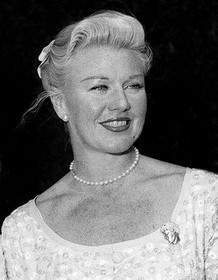
Liza Elliott (Ginger Rogers)
Played by Ginger Rogers
A no-nonsense editor-in-chief who combines sharp pragmatism with a longing for glamour. Her headaches and dreams reveal a deeper struggle to reconcile professional power with personal vulnerability, shaped by childhood memories of disapproval. She evolves from a fear-driven stylistic restraint to a woman who crafts her own future.
- 💼 Ambition
- 🎭 Identity
- 🧠 Psyche
-

Dr. Alex Brooks (Barry Sullivan)
Played by Barry Sullivan
A psychiatrist who advises Liza and helps uncover the roots of her anxiety. His analysis frames glamour-related fear as a response to past relationships and expectations. He challenges her to confront childhood desires rather than suppress them.
- 🧠 Psychology
- 💡 Insight
- 🗝️ Therapy
-

Charley Johnson (Ray Milland)
Played by Ray Milland
Marketing manager at Allure who embodies confrontation and disrupts Liza's routines. His move to a different magazine creates tension but also acts as a catalyst for Liza's decision to pursue autonomy and her relationship with Charley.
- 💼 Rival
- 💖 Romance
- ⚖️ Power
- KN
Kendall Nesbitt (Warner Baxter)
Played by Warner Baxter
Liza's boyfriend and publisher-like figure who seeks stability but is entangled in the conflict between personal life and career ambitions. His divorce situation delays their marriage and underscores the fragility of professional romance.
- 💼 Publisher
- 💔 Relationship
- 🧭 Conflict
- RC
Randy Curtis (Jon Hall)
Played by Jon Hall
A movie star visiting Allure for a photo shoot, whose presence tests Liza's defenses and offers a glimpse of glamorous romance. His interactions reveal the fragility of flirtations born in a high-pressure environment.
- 🎬 Celebrity
- 💃 Romance
- 🎭 Vanity
- LF
Liza's Father (Harvey Stephens)
Played by Harvey Stephens
A stern yet formative figure who scolds Liza for glamorizing herself in the past, shaping her ambivalence toward fashion. The father-daughter dynamic highlights how parental approval and disapproval influence identity formation.
- 👨 Father
- 🧒 Childhood
Where and When Is Lady in the Dark Set?
Lady in the Dark is set in Allure magazine offices (1940s). Here is why the time and place matter to the story.
When
1940s
Set in the mid-1940s, the story captures the era's blend of wartime romance, post-Depression resilience, and the rise of media glamour. Fashion magazines shape female identity and social expectations during this period. The characters navigate career ambitions against a backdrop of formal social rituals and evolving gender norms.
Where
Allure magazine offices
The Allure offices serve as a glamorous hub for fashion publishing, where photo shoots, marketing decisions, and editorial debates unfold. The workplace radiates high-pressure glamour and corporate ambition, shaping Liza's command and vulnerabilities. This setting embodies the glossy but demanding world of fashion media that drives her arc.
- ✨ Fashion
- 🗞️ Magazine Industry
- 🏙️ Urban Setting
What Are the Themes of Lady in the Dark?
3 ideas the story keeps returning to, among them Identity vs Glamour, Psychoanalysis and Autonomy and Love.
-
01
Identity vs Glamour
Liza construes glamour as a source of power, yet her insistence on practicality and hard work clashes with the seductive pull of fashion's glitter. The dream sequences and her therapy reveal that glamour masks deeper needs rooted in childhood experiences. The film uses this tension to question whether external beauty can replace authentic self-expression.
-
02
Psychoanalysis
Dr. Brooks's sessions highlight how subconscious memories shape Liza's choices and fears. The plot uses talk therapy and symbolic dreams to uncover the suppressed emotions from her past, including her relationship with her father and mother. This theme frames therapy as a tool for self-discovery and liberation rather than simply clinical analysis.
-
03
Autonomy and Love
Liza ultimately asserts independence by quitting her job and ending her engagement with Kendall. Her pivot toward Charley signals a shift from corporate control to personal partnership and shared leadership. The arc centers on choosing career autonomy while allowing romance to mature on equal terms.
What Kind of Film Is Lady in the Dark?
Bittersweet in tone, with steady pacing and a moderate story, going by the plot summary.
- Tone
- Bittersweet
- Pacing
- Steady
- Story
- Moderate
- Intensity
- Medium
- Ending
- Happy
A stylish, introspective drama that blends glamour with psychological depth, following a driven editor's therapeutic journey through surreal dreams and office politics to find personal and romantic fulfillment.
- introspective
- anxious
- dreamlike
- melancholic
- hopeful
- glamorous
- psychoanalysis
- self-discovery
- career ambition
- romantic entanglement
Content notes: psychological trauma, parental death.
Quiz
How well do you remember Lady in the Dark? Test yourself on the story.


