Lady in the Dark 1944


The minx in mink with a yen for men! A neurotic editor sees a psychoanalyst about the advertising man, movie star and other man in her life.


Does Lady in the Dark have end credit scenes?
No!
Lady in the Dark does not have end credit scenes. You can leave when the credits roll.
Meet the Full Cast and Actors of Lady in the Dark
Explore the complete cast of Lady in the Dark, including both lead and supporting actors. Learn who plays each character, discover their past roles and achievements, and find out what makes this ensemble cast stand out in the world of film and television.
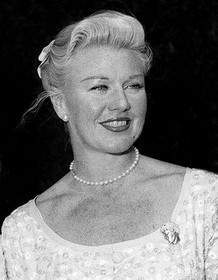
Ginger Rogers
Liza Elliott

Barry Sullivan
Dr. Brooks

Harvey Stephens
Liza's Father
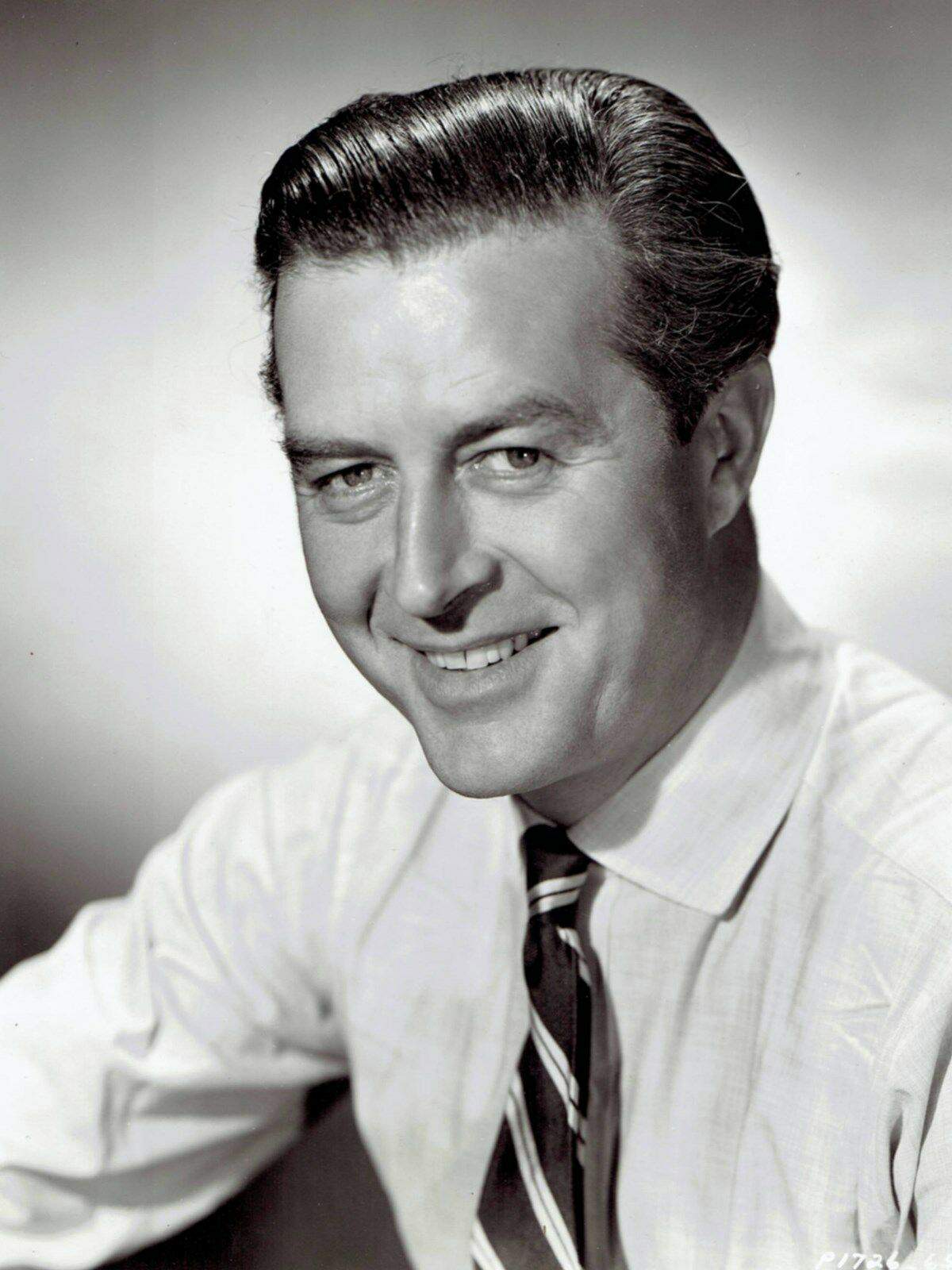
Ray Milland
Charley Johnson
Warner Baxter
Kendall Nesbitt
Edward Fielding
Dr. Carlton
Jon Hall
Randy Curtis
Mischa Auer
Russell Paxton
Dorothy Kelly
Mary Philips
Maggie Grant
Marietta Canty
Martha
Lester Dorr
Reporter (uncredited)
Virginia Farmer
Miss Edwards
Mary Parker
Miss Parker
Billy Daniel
Office Boy
Rand Brooks
Ben
Phyllis Brooks
Allison DuBois
Kay Linaker
Liza's Mother
Audrey Young
Office Girl
Fay Helm
Miss Bowers
Gail Russell
Barbara
Catherine Craig
Miss Foster
Don Loper
Adams
Marjean Neville
Young Liza
External Links and Streaming Options
Discover where to watch Lady in the Dark online, including streaming platforms, rental options, and official sources. Compare reviews, ratings, and in-depth movie information across sites like IMDb, TMDb, Wikipedia or Letterboxd.




Take the Ultimate Lady in the Dark Movie Quiz
Challenge your knowledge of Lady in the Dark with this fun and interactive movie quiz. Test yourself on key plot points, iconic characters, hidden details, and memorable moments to see how well you really know the film.
Lady in the Dark (1944) Quiz: Test your knowledge of the 1944 film *Lady in the Dark*, focusing on its characters, plot twists, and thematic elements.
What is Liza Elliott’s role at the fashion magazine Allure?
Full Plot Summary and Ending Explained for Lady in the Dark
Read the complete plot summary of Lady in the Dark, including all major events, twists, and the full ending explained in detail. Explore key characters, themes, hidden meanings, and everything you need to understand the story from beginning to end.
Liza Elliott is a sharp, tireless editor-in-chief of the fashion magazine Allure, guiding a glossy empire with a practical, no-nonsense approach. The publication, a platform that blends style with ambition, sits on her shoulders as she juggles deadlines, deadlines, and the demands of a high-gloss industry. The magazine is published by her boyfriend, Kendall Nesbitt, a powerful figure who wants both success and a future with Liza. The two dream of marriage, but their plans run into a stubborn snag: Kendall’s estranged wife has refused to grant a divorce, leaving their personal life stuck in limbo even as their professional world keeps turning.
On the professional front, Liza navigates the orchestra of personalities that orbit Allure. The most exasperating figure is Charley Johnson, a marketing manager whose prickly tendencies seem designed to test Liza’s resolve and remind her that even in her glass-walled kingdom, friction is a constant. The friction isn’t just personal; it’s a pressure cooker that threatens to erode the crisp efficiency Liza prides herself on. To understand the deeper roots of her restlessness and headaches, she reluctantly agrees to psychoanalysis with Dr. Brooks, a calm, probing presence who asks whether her straightforward, almost austere demeanor might be shielding some longing or fear rooted in youth or family.
In the therapist’s chair, Dr. Brooks offers a theory: Liza’s direct, brisk method of handling life could be a shield erected to prevent glamour and vulnerability from slipping in. Liza isn’t easily swayed by this interpretation, insisting that her path is simply the practical route to success. Yet, the moment a divorce finally opens the door for her and Kendall, a dream intrudes with surreal force. In the dream, she is chased to the apex of a towering wedding cake, a symbolic image that features Charley, sly and insinuating, asking whether she wishes to marry him. The dream unsettles her and leaves her with more questions than answers, pushing her to scrutinize the thin line between ambition and longing.
The plot thickens when Randy Curtis, a movie star, visits the Allure offices for a photo shoot. Liza agrees to a dinner date with him, a social test that could broaden Allure’s reach and her own horizons. She is anxious about the arrangement, and the nerves intensify when Dr. Brooks suggests that some of her worries stem from competition with other women—a provocative idea that she resists. Meanwhile, Charley reveals that he plans to leave Allure for another magazine that promises more creative control, a move that unsettles Liza as it threatens the dynamic they’ve built together.
Kendall presses Liza about her fears, and she confesses confusion about what she truly wants, torn between professional demand and personal desire. Undeterred, she goes ahead with the dinner with Curtis, dressing in a way that hints at a new openness to change. Yet the evening takes a sour turn when Charley arrives with a date of his own, chasing Randy and complicating the social landscape of the night. The collision of ego, romance, and ambition leaves Liza emotionally unsettled, and she returns home with a mind full of questions about loyalty and authenticity.
That night, Liza experiences another vivid dream, this time a perilous circus tableau where she endures a trial led by Kendall and Charley. The dream sequence intensifies with music and spectacle as she sings about her troubles, a moment that bridges the gap between fantasy and fear. In a separate, haunting memory, a girl’s voice-in-the-night voice of the past returns as Liza recalls her father’s stern reaction to glamour. The memory is anchored by two pivotal figures: Liza’s Father and Liza’s Mother. Following the death of Liza’s Mother when Liza was young, she once wore one of her mother’s glamorous dresses to try to win her father’s approval, but the act backfired and the reprimand left a lasting impression—an event that helps explain why Liza guards her image so fiercely today. A second memory from high school—losing a boy to another girl—adds to the collage of experiences that shaped her sense of competition, loss, and self-worth.
Dr. Brooks pieces these memories together and concludes that these formative episodes contributed to Liza’s current life. The therapy suggests a path forward: allow herself to acknowledge and reintegrate those childhood desires that she had long suppressed in favor of control and polish. The insight is not a simple cure but a doorway to understanding how past pains can influence present choices.
With this evolving self-knowledge, Liza makes a decisive turn. She chooses to quit her role at Allure and ends her relationship with Kendall, stepping away from a partnership that had long defined both her professional standing and personal life. The breakup is a hard-won moment of clarity, even as she faces disappointment when Curtis’s pursuit of her appears to be a calculated move to gain control of a new production company rather than a genuine connection. Yet amid the uncertainties, a different kind of truth emerges: Charley is not just a colleague or rival in the office—there is a sincere, undeniable bond forming between them. When Charley comes by to say goodbye, Liza realizes that her feelings have evolved beyond professional respect; she recognizes that she loves him. In a bold closing gesture, she offers Charley the chance to co-run the magazine with her, signaling a new alliance built on trust, partnership, and a shared dream that embraces both glamour and integrity.
In the end, the story threads together the tension between ambition and authenticity, the pull of tradition and the lure of reinvention. Liza’s transformation is not merely personal—it reframes how she will lead Allure moving forward, balancing the glamour that defined her career with a more intimate openness to the desires and needs that lay beneath the surface. The film closes on a note of cautious optimism and practical courage: a professional powerhouse who chooses connection, honesty, and a renewed sense of self, ready to chart a path that honors both her work and the life she chooses to build with Charley.

Coming soon on iOS and Android
The Plot Explained Mobile App
From blockbusters to hidden gems — dive into movie stories anytime, anywhere. Save your favorites, discover plots faster, and never miss a twist again.
Sign up to be the first to know when we launch. Your email stays private — always.
Explore the mobile appWatch Trailers, Clips & Behind-the-Scenes for Lady in the Dark
Watch official trailers, exclusive clips, cast interviews, and behind-the-scenes footage from Lady in the Dark. Dive deeper into the making of the film, its standout moments, and key production insights.
Lady in the Dark Themes and Keywords
Discover the central themes, ideas, and keywords that define the movie’s story, tone, and message. Analyze the film’s deeper meanings, genre influences, and recurring concepts.
Lady in the Dark Other Names and Titles
Explore the various alternative titles, translations, and other names used for Lady in the Dark across different regions and languages. Understand how the film is marketed and recognized worldwide.
Similar Movies To Lady in the Dark You Should Know About
Browse a curated list of movies similar in genre, tone, characters, or story structure. Discover new titles like the one you're watching, perfect for fans of related plots, vibes, or cinematic styles.


Quick Links: Summary, Cast, Ratings, More

What's After the Movie?
Not sure whether to stay after the credits? Find out!
Check out our other apps:

SAT Sphere
Build confidence for the Digital SAT.

Mori Atlas
Discover wild places worth protecting.

Luntero
Search smarter for a home in Amsterdam.

Plot Explained
Unravel movie endings and hidden clues.

Pokechamp
Dive into Pokémon data and battle logic.

Driving Theory
Get ready for your European theory test.

Movie Dust
Plan your next cinema trip with ease.

Musemap
Find art and culture as you travel.

Selkobase
Compare credentials before committing.

Local Manual
Turn an unfamiliar country into practical next steps.

Lernavi
Compare school systems before your next move.

GymRoam
Find a workout stop wherever your plans take you.
Explore Our Movie Platform
New Movie Releases (2026)
Famous Movie Actors
Top Film Production Studios
Movie Plot Summaries & Endings
Major Movie Awards & Winners
Best Concert Films & Music Documentaries
Movie Collections and Curated Lists
© 2026 What's After the Movie. All rights reserved.
Privacy Policy