

What Is La Chienne About?
The premise of La Chienne in 302 words, with nothing given away. The full story follows below.
In the muted streets of post‑war Paris, ordinary lives flicker beneath a haze of smoke and muted neon. The city feels both intimate and indifferent, a backdrop where personal ambitions are constantly weighed against the grind of daily survival. Within this world, the camera lingers on cramped apartments and modest cafés, letting the audience taste the lingering fatigue of a society still stitching itself together.
Maurice Legrand works the night shift behind a cash register, his routine a stark contrast to the colorful visions he sketches in the quiet moments between customers. An aspiring painter whose talent is unrecognized, he clings to the hope that his canvases might someday break through the monotony. At home, his marriage to the imperious Adèle Legrand bears the strain of unspoken resentments; her sharp criticism of his art and domineering demeanor turn their shared space into a silent battlefield where love has long since faded into duty.
A chance encounter on a rain‑slick boulevard introduces Lulu, a striking woman whose presence is as alluring as it is mysterious. Their brief exchange sparks in Maurice a yearning he has not felt in years—a sense that perhaps genuine affection and creative inspiration are finally within reach. Yet Lulu is bound to Dédé, a figure who oversees her movements with a pragmatic, transactional care that hints at a life far removed from the tender dreams Maurice nurtures.
The film settles into a tone of quiet desperation, balancing the gentle melancholy of Maurice’s artistic longing with the simmering tension of his strained marriage and the uncertain allure of this new companionship. As the narrative unfolds, the audience is left to wonder whether the promise of love and recognition will lift Maurice from his subdued existence—or lead him deeper into the shadows that already linger around the edges of his world.
What Happens in La Chienne?
The complete story of La Chienne, from the first scene to the last, in 621 words (about 3 minutes). Spoilers throughout. Names in the text link to 5 cast member pages.
Spoilers ahead
Maurice Legrand, Michel Simon, is a meek cashier and aspiring painter who longs for recognition in the art world, even as he drifts through a strained life with his wife, Adèle Legrand, Agnès Capri. Adèle’s harsh attitude toward his art colors their home, and Maurice’s gentle, dream-filled nature often clashes with her bitterness.
One evening, after a company celebration, Maurice encounters a troubling street scene: André “Dédé” Jauguin, Georges Flamant, strikes Lucienne “Lulu” Pelletier, Janie Marèse, a prostitute, who defends herself in kind. Maurice steps in and ends up accompanying them as they wait for a taxi. After Dédé is dropped off at his residence, Maurice walks Lulu home, and she confides that Dédé is her pimp, a relationship she’s known for three years. This fateful encounter plants the seed of Maurice’s later entanglement with Lulu, a relationship that will pull him deeper into a world of art, money, and danger.
Back home, Adèle questions Maurice about his lateness and degrades his paintings, insisting they clutter their apartment. A month passes, and Maurice rents a separate apartment for Lulu, treating her as his mistress and filling the space with his own canvases, trying to nurture the art he believes he could achieve while Adèle lingers in the background of his life.
Lulu and Dédé soon devise a plan to exploit the paintings, claiming they have a connection to the works. They move to pass the paintings off under Lulu’s name, even inventing an American alias, “Clara Wood,” to add an air of legitimacy. Weeks go by, and Maurice’s own paintings surface again when his employer directs him to an art store where the works are suddenly displayed. Lulu, maintaining a deceptive front, persuades Maurice to claim that she and her fictitious brother had sold the paintings to Wallstein, Lucien Mancini, an influential collector.
The paintings gain acclaim, and Lulu and Dédé’s finances improve as the critics praise the works as if they were Lulu’s, a lie sustained by Maurice’s growing complicity in their scheme. In the midst of this, Maurice encounters Alexis Godard, the former husband of Adèle, who—having survived the war by switching identities and enduring imprisonment—appears alive and penniless. Alexis reveals his survival and begs Maurice for one thousand francs, money Maurice knows Adèle has hidden away.
Maurice hatches a plan to have Alexis steal the money, promising to attend a theater the following night as a cover. The ruse succeeds long enough for Adèle to call the police, but Maurice then admits to the officers that Alexis is alive. Free from immediate arrest, Maurice heads to Lulu’s apartment, only to discover Lulu and Dédé together in bed. He leaves in shock, but returns the next morning to confront Lulu. She confesses that she loves Dédé and reveals that the only reason she remained with Maurice was his money. In a moment of despair and humiliation, Maurice stabs Lulu and departs, leaving no witnesses.
Lulu’s body is eventually found, and both Maurice and Dédé are questioned. The interrogator’s view of their criminal histories buys Maurice a measure of exoneration, while Dédé is charged with Lulu’s murder, found guilty, and executed. Maurice, meanwhile, is accused of mismanaging 2500 francs by his employer and is fired under the guise of health problems. He drifts through the streets as a vagrant, a shadow of the man he once hoped to be. A chance reunion with Alexis reveals that Adèle has died, leaving Maurice with little but his own dwindling hopes.
As a car carries Maurice’s self-portrait through the city, he and Alexis manage to scrape together a meager 20 francs on the street, and they walk away together, two men who have learned the hard irony of art, money, and ruined dreams.
La Chienne Timeline: Every Key Event in Order
14 key events in the order they happen, from “Maurice attends a company celebration and meets Lulu and Dédé” to “Ending image: Maurice and Alexis with a small windfall”. 14 events name a place, across 10 locations.
- 1
Maurice attends a company celebration and meets Lulu and Dédé
Maurice, a meek cashier, attends his company's celebration and stays quiet amid the bustle. As he leaves, he witnesses Dédé striking Lulu, who defends herself with a sharp comeback. He steps in, accompanies them for a taxi, and ends up walking Lulu home, where Lulu reveals that Dédé is her pimp.
When:Evening Where:City street after the company celebration
- 2
Adèle questions Maurice about lateness and degrades his paintings
Back at home, Maurice is questioned by Adèle about his lateness. She degrades his paintings, insisting they clutter the apartment. The exchange foreshadows the strain that will poison their marriage.
When:That night Where:Adèle and Maurice's apartment
- 3
Maurice rents an apartment for Lulu and begins an affair
One month later, Maurice rents an apartment for Lulu and begins taking her as his mistress. He decorates the space with his own paintings, hoping to create a personal refuge from Adèle's contempt. Adèle resents the situation and plans to throw away the paintings.
When:One month later Where:Lulu's apartment
- 4
Dédé steals Maurice's paintings and plans to sell them
One night, Lulu's lights are on at her apartment as Dédé arrives. He grabs Maurice's paintings and schemes to sell them, claiming they were painted by Lulu under the alias Clara Wood. The plan marks a turning point as the artworks start circulating beyond Maurice's control.
When:That night Where:Lulu's apartment
- 5
Maurice sees his paintings displayed at an art store
Weeks later, Maurice is directed by his employer to an art store, and he discovers his own paintings on display. He is astonished to see the works being sold and receiving critical attention. The display marks a shocking turn for Maurice, who had thought his art would remain hidden.
When:Weeks after the theft Where:Art store
- 6
Lulu deceives Maurice about selling the paintings; the works gain success
Lulu deceives Maurice into believing she and her fictitious brother sold the paintings to Wallstein. The paintings become a critical and commercial sensation, and Lulu and Dédé rise financially. Maurice watches his work gain fame through someone else's actions.
When:Later Where:Lulu's apartment and the art market
- 7
Alexis reveals he survived the war and asks for money
At a café, Alexis reveals he survived the war after switching IDs to escape Adèle. He explains he was captured by the Germans and asks Maurice for one thousand francs. Maurice knows Adèle has hidden the money in her wardrobe.
When:Sometime later Where:Café
- 8
Maurice arranges for Alexis to steal Adèle's money
Maurice arranges for Alexis to steal the money, pretending they will attend theatre tomorrow night. The theft succeeds and Adèle panics enough to call the police, but Maurice informs them that Alexis is alive. The plan exposes the fragility of Maurice's schemes and loyalties.
When:That night Where:Adèle's wardrobe; theatre
- 9
Maurice confronts Lulu and learns of her infidelity
Maurice goes to Lulu's apartment the next morning and finds Lulu and Dédé together in bed. He leaves in shock, then returns to confront Lulu about her infidelity and her manipulation. She confesses she loves Dédé and belittles Maurice, saying the only reason she stayed was his money.
When:Morning Where:Lulu's apartment
- 10
Maurice stabs Lulu after her confession
In a confrontation, Maurice stabs Lulu with a knife and leaves the apartment without witnesses. The act marks a violent turning point in the story and results in Lulu's death. The immediate aftermath is left to the investigation.
When:Morning following confrontation Where:Lulu's apartment
Show the other 4 events of La Chienne Hide the last 4 events
- 11
Lulu's murder is discovered; Dédé is charged and executed
Lulu's murder is discovered and Dédé is charged with the crime; he is later executed. Maurice is questioned by authorities but released due to a lack of criminal history. The investigation highlights the precarious lines between crime, fame, and social judgment.
When:After discovery Where:Lulu's apartment and police station
- 12
Maurice is fired and becomes a vagrant
Maurice is accused of mishandling 2500 francs by his employer and is fired under the guise of health problems. He becomes a wanderer, a vagrant, drifting through the streets. His artistic ambitions fade as he loses his livelihood.
When:Shortly after Where:Workplace and streets
- 13
Maurice learns Adèle has died
Maurice reencounters Alexis on the street, who informs him that Adèle has died. The news deepens Maurice's sense of loss and detachment from a life he once sought to control. He continues to drift, marked by the choices that defined his relationships.
When:Later Where:Street
- 14
Ending image: Maurice and Alexis with a small windfall
An ending image shows a car passing with Maurice's self-portrait, as he and Alexis pick 20 francs off the street and walk away together. The scene underscores Maurice's drift into obscurity while clinging to a fragile companionship. The film closes on a quiet note of resilience amid loss.
When:Ending scene Where:Street
Who Are the Main Characters in La Chienne?
7 characters, among them Maurice Legrand (Michel Simon), Lucienne 'Lulu' Pelletier (Janie Marse) and André 'Dédé' Jauguin (Georges Flamant): who each one is and the part they play in the story. 6 of them link to the actor’s page.
-
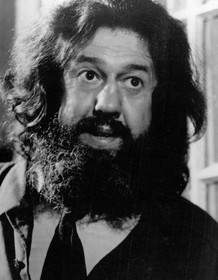
Maurice Legrand (Michel Simon)
Played by Michel Simon
Meek cashier and aspiring painter who longs for artistic recognition. He invites Lulu into his world, hoping love and talent will redeem his modest life. Naive and loyal, he is ultimately crushed by manipulation, deceit, and the costs of ambition. He ends by losing his job and roaming the streets as a broken figure.
- 🎨 Painter
- 🧠 Naive
- 💔 Tragic
- L'
Lucienne 'Lulu' Pelletier (Janie Marse)
Played by Janie Marèse
Lulu is a prostitute who uses charm and cunning to climb socially and financially. She engineers Maurice’s decline by posing as part of a powerful, glamorous circle and deceiving him about her supposed brother. Her warmth is a weapon that hides self-interest and ruthlessness. She is eventually murdered by Maurice in a moment of betrayal.
- 💃 Seductive
- 🪙 Manipulative
- 💸 Materialistic
- A'
André 'Dédé' Jauguin (Georges Flamant)
Played by Georges Flamant
Dédé is Lulu's pimp and mastermind of the con that fuels the couple's rise. He thrives on deception and profit, exploiting Maurice’s trust to launder money through fake artworks. He faces a harsh fate when his crimes are revealed.
- 👔 Pimp
- 🗡️ Ruthless
- ⚖️ Criminal
- HL
Hector Langelard (Alexandre Rignault)
Played by Alexandre Rignault
An art critic who helps shape the market's reception of Maurice’s work. His judgments illustrate how critics can amplify or bury a painter’s reputation. He embodies the era’s appetite for prestige and popularity in art.
- 🧑🏫 Critic
- 👀 Gatekeeper
- 📝 Observant
- AG
Alexis Godard
Adèle’s former husband, who supposedly died in the war but is very much alive. He reappears to claim money, revealing the fragility of reputations and the precariousness of postwar identities. His reappearance destabilizes the already fragile domestic world.
- ⚔️ War survivor
- 🕵️♂️ Visitor
- 💸 Entitled
- W
Wallstein
Played by Lucien Mancini
A wealthy buyer in the art world who buys Maurice’s paintings after Lulu’s deception, highlighting the commerce-driven nature of the postwar market. His support can turn a painter’s career, but it rests on manufactured authenticity.
- 💼 Collector
- 💵 Financier
- 🧭 Influencer
- AL
Adèle Legrand
Played by Adèle Legrand
Maurice’s wife, abusive and derisive, who belittles his art and guards a hidden stash of money. Her presence grounds Maurice’s domestic life and his humiliations, showing how a marriage can briefly destabilize a dream of success.
- 💔 Wife
- 🗣️ Abusive
- 🏦 Hoarder
Where and When Is La Chienne Set?
La Chienne is set in Paris and France (1920s). Here is why the time and place matter to the story.
When
1920s
The story takes place in the years following World War I, in a Paris marked by rapid urban change and a burgeoning art market. It mirrors the era’s tensions between traditional bourgeois life and the new, riskier bohemian culture. The postwar mood is one of reinvention, desire, and precarious dignity for ordinary people.
Where
Paris, France
La Chienne unfolds in a Paris of the post-World War I era, centered on the bohemian and commercial spaces where art, nightlife, and money intersect. The action moves through apartments, cafes, and art shops that epitomize the city's urban culture. The setting highlights a society obsessed with appearances and social ascent, where painters dream big but pay with their relationships.
- 🏙️ City life
- 🎨 Art scene
- 💰 Class and ambition
What Are the Themes of La Chienne?
3 ideas the story keeps returning to, among them Love and Betrayal, Art and Authenticity and Class and Desperation.
-
01
Love and Betrayal
A fragile, money-driven romance drives Maurice toward Lulu, whose charm masks manipulation and self-interest. The relationship exposes how desire can be weaponized to climb social ladders and secure wealth. Trust collapses when ambitions collide, culminating in a violent, irreversible betrayal.
-
02
Art and Authenticity
The paintings Maurice creates become currency in a market that rewards surface over substance. Lulu and Dédé weaponize the promise of artistic success to extract money and status from those around them. The fragile line between genuine artistry and manufactured success is tested by critics and buyers alike.
-
03
Class and Desperation
Maurice's modest wage contrasts with Lulu and Dédé's hunger for wealth and status. Postwar Paris is a stage where economic pressures push people toward risky schemes. The final fates of the characters reveal how fragile personal dignity can be under financial strain.
What Kind of Film Is La Chienne?
Dark in tone, with steady pacing and a moderate story, going by the plot summary.
- Tone
- Dark
- Pacing
- Steady
- Story
- Moderate
- Intensity
- High
- Ending
- Bleak
A grim and slowly unfolding tragedy about a meek man deceived by a prostitute and her pimp, leading to murder and his ultimate ruin, all set against a cynical backdrop of failed dreams.
- cynical
- desperate
- melancholic
- deceptive
- grim
- downward spiral
- unhappy marriage
- betrayal
- crime of passion
- artistic exploitation
Content notes: domestic abuse, murder, prostitution, emotional manipulation, exploitation.
Quiz
How well do you remember La Chienne? Test yourself on the story.


