What Is Kingmaker About?
The premise of Kingmaker in 318 words, with nothing given away. The full story and the ending follow below.
markdown
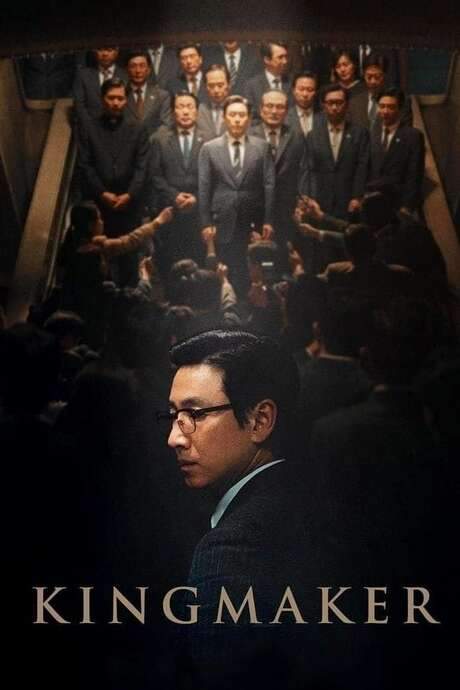
Set against the turbulent political landscape of 1960s South Korea, Kingmaker introduces Seo Chang-dae, a sharp-witted and ambitious strategist with a restless hunger for influence. Though he spends his days running a modest pharmacy, his true gift lies in reading people, persuading crowds, and bending the currents of power. When an emerging politician, Kim Woon-beom, recognizes Seo’s unconventional brilliance, a partnership is born — one that will pull both men deep into the high-stakes arena of national politics.
The film paints a vivid portrait of an era where elections are waged not only at the ballot box but through whispered alliances, street-level persuasion, and the careful cultivation of loyalty. Seo’s methods are unorthodox, his confidence unshakeable, and his belief in the power of strategy absolute. Yet beneath his calculating exterior lies a man whose devotion to winning increasingly clashes with the democratic ideals Kim holds dear. Their growing collaboration is charged with mutual respect and ideological friction, setting the stage for a partnership defined as much by tension as by trust.
At its heart, Kingmaker is a meditation on the moral compromises inherent in political ambition. As Seo’s influence grows, so does the temptation to treat the electorate as a tool rather than a constituency. The film’s mood balances the energy of a gripping campaign drama with the reflective gravity of a character study, immersing viewers in an atmosphere where every handshake carries weight and every promise demands a price.
Tense, stylish, and richly textured, the story captures a pivotal moment in Korean history through the lens of two men whose contrasting visions of power may ultimately pull them apart. With its period detail and sharp political intrigue, Kingmaker draws audiences into a world where conviction and cunning collide — and where the road to shaping a nation runs through the quiet, unassuming figure of a man who believes he can rewrite the rules of the game.
What Happens in Kingmaker?
The complete story of Kingmaker, from the first scene to the last, in 515 words (about 2 minutes). Spoilers throughout.
Spoilers ahead
In the 1960s, Seo Chang-dae, a man harboring political aspirations while temporarily managing a pharmacy, captures the attention of the ambitious politician Kim Woon-beom. Recognizing Seo’s drive and inventive mindset, Kim decides to bring him on board as a political aide. Seo quickly establishes himself as a sharp strategist, aiding Kim in securing a National Assembly seat in Mokpo, despite facing significant government interference and bribery efforts. After this victory, government officials approach Seo in an attempt to recruit him, but he firmly declines their offers.
As the New Democratic Party gears up for the forthcoming presidential election, Seo encourages Kim to confront the party establishment and seek the nomination. Kim enters a competitive race against the youthful Kim Young-ho, who champions a movement termed the ”40s generation” that opposes party leader Kang In-san. Rather than leaning on established factions, Seo orchestrates an approach whereby Kim’s campaign directly engages delegates nationwide. When Kang unites with Kim Young-ho and Lee Han-sang, Seo devises a tactical plan to target Lee, leveraging his political ambitions to fracture their alliance. Eventually, he persuades Lee to support Kim by offering him the coveted position of party chairman. In a dramatic turn, Kim triumphs over Kim Young-ho in the runoff and secures his position as the opposition party’s presidential candidate, with Seo joining his campaign team.
During the intense campaign season, Kim faces backlash over his commitment to abolishing the reserve forces. In a bold move, Seo suggests staging a terrorist attack to cultivate public sympathy; however, Kim refrains from this strategy, cautioning that Seo lacks the requisite readiness for the political arena. Shortly thereafter, Kim’s home is bombed, leading to Seo’s arrest. Despite his eventual release, Kim requests that Seo withdraw from any official campaign activities. The ensuing confrontation reveals Seo’s belief that political power is a tool to manipulate the masses, a perspective Kim adamantly opposes, emphasizing that politics should adhere to democratic ideals. When Kim questions Seo about his involvement in the bombing, Seo sorrowfully confesses, leading to the dissolution of their partnership.
With a new path ahead, Seo is recruited by Director Lee, transitioning into government work where he exploits regional differences, particularly historical rivalries between the Silla and Baekje regions, transforming the election into a battle of regional loyalties. As divisiveness escalates within the campaign, Seo becomes increasingly disillusioned by the consequences of his actions. Ultimately, Kim suffers defeat in the presidential election, prompting Seo to exit the political scene. It is later uncovered that Lee orchestrated the bombing of Kim’s home to drive a wedge between Kim and Seo, subtly steering Seo toward the government’s agenda, even as he continues to refute involvement.
Years later, fate brings Kim and Seo together once more, allowing them to reflect on their political journeys and the decisions that shaped their careers. Their conversation underscores contrasting views on politics and the methodologies for achieving political change. The film culminates in revealing that South Korea successfully executed its first peaceful transfer of power in 1997, concluding with the poignant reflection that Seo Chang-dae played no part in this pivotal moment.
Kingmaker Timeline: Every Key Event in Order
15 key events in the order they happen, from “Seo Chang-dae's Political Ambitions” to “Reflection and Lessons Learned”.
- 1
Seo Chang-dae's Political Ambitions
In the 1960s, Seo Chang-dae, a man with aspirations for a political career, is temporarily running a pharmacy. His unique perspective and determination attract the attention of emerging politician Kim Woon-beom, who believes Seo has great potential in the political arena.
When:1960s
- 2
Becoming a Political Aide
Seo impresses Kim with his unconventional thinking, leading Kim to recruit him as a political aide. This partnership begins a significant political journey for Seo, as he navigates the complexities of the political landscape.
- 3
Winning the National Assembly Seat
Seo plays a crucial role in helping Kim win a National Assembly seat in Mokpo, despite facing severe government opposition, including bribery. This victory solidifies Seo's reputation as a skilled strategist in political circles.
Where:Mokpo
- 4
Refusal of Government Recruitment
After Kim's victory, various government officials attempt to recruit Seo into their ranks. However, Seo declines their offers, showing his commitment to Kim and their shared political goals.
- 5
Challenging the Party Establishment
As the New Democratic Party gears up for the presidential election, Seo urges Kim to challenge the existing party establishment. This moment marks a pivotal turn as Kim decides to run for the nomination against younger rival Kim Young-ho.
- 6
Appealing to Delegates
Seo advises Kim to reach out personally to delegates across the country instead of relying on established party factions. This grassroots approach helps Kim gain significant traction within the party as the election heats up.
- 7
Breaking the Alliance
When party leader Kang In-san allies with Kim Young-ho and Lee Han-sang, Seo devises a clever strategy to break their coalition. He successfully manipulates Lee's political ambitions, convincing him to support Kim in exchange for a promised party chairmanship.
- 8
Becoming the Presidential Candidate
Kim ultimately defeats Kim Young-ho in the runoff election, securing his position as the opposition party's presidential candidate. This victory showcases the effectiveness of Seo's strategic planning and campaign management.
- 9
Campaign Controversies
As the presidential campaign progresses, Kim faces backlash over his controversial pledge to abolish the reserve forces. Seo suggests staging a terrorist attack to garner sympathy, but Kim fiercely rejects the idea, indicating tensions in their partnership.
- 10
Bombing Attack and Arrest
Shortly after the rejected proposal, Kim's home is bombed, leading to Seo's arrest. Although he is eventually released, this incident marks a turning point in Kim and Seo's relationship and their differing views on morality in politics.
Show the other 5 events of Kingmaker Hide the last 5 events
- 11
Withdrawal from Campaign Activities
Following the bombing, Kim asks Seo to withdraw from any official campaign roles. Seo feels entitled to political power due to his contributions, but Kim's insistence on maintaining democratic principles creates a rift between them.
- 12
Recruitment by Director Lee
Seo is recruited by Director Lee, shifting his focus from supporting Kim to working for the government. This marks a significant change in Seo’s political ideology as he begins to exploit regional divisions for political gain.
- 13
Disillusionment with Politics
As Seo continues to help deepen regional tensions, he grows increasingly disillusioned with the divisive politics he has aided. This change signals a loss of faith in the very practices he once endorsed.
- 14
Kim's Election Loss
In a somber turn of events, Kim loses the presidential election, which serves as a pivotal moment in the political landscape. Seo's actions and the manipulation of public sentiment have contributed to this outcome, marking the end of his partnership with Kim.
- 15
Reflection and Lessons Learned
Years after their political journeys diverge, Seo and Kim reunite to reflect on their past choices and political careers. Their conversation reveals profound differences in their views on politics and the means of achieving change in society.
When:Years later
Who Are the Main Characters in Kingmaker?
2 characters, among them Seo Chang-dae (Lee Sun-kyun) and Kim Woon-beom (Sul Kyung-gu): who each one is and the part they play in the story. Every profile links to the actor’s page.
- SC
Seo Chang-dae (Lee Sun-kyun)
Played by Lee Sun-kyun
Seo Chang-dae is a politically ambitious individual who transitions from running a pharmacy to becoming a key strategist in electoral politics. His cunning approach reveals a deep understanding of the political landscape, though it also exposes a cynical view of politics as a game of manipulation. Over time, his disillusionment with the political system shows a tragic evolution in his character.
- 💼 Ambition
- 😔 Disillusionment
- 🧠 Strategist
- KW
Kim Woon-beom (Sul Kyung-gu)
Played by Sul Kyung-gu
Kim Woon-beom is an emerging politician whose vision for change is tempered by his principles. He represents the hope for democratic ideals but struggles with the pressures of political expedience. His relationship with Seo illustrates the contrast between ethical governance and manipulation, showcasing his journey as he navigates the troubled political waters.
- 🏛️ Politics
- ✊ Integrity
- 🎓 Leadership
Where and When Is Kingmaker Set?
Kingmaker is set in Mokpo and South Korea (1960s). Here is why the time and place matter to the story.
When
1960s
The 1960s in South Korea were a time of political upheaval and change. The decade saw the rise of democratic movements in response to authoritarian regimes, culminating in the eventual transition to a more democratic government structure. This era was marked by significant social and political transformations, influencing the dynamics of power in the country.
Where
Mokpo, South Korea
Mokpo is a coastal city in South Korea known for its rich history and strategic importance in politics and trade. It played a significant role in Korean unification and modernization, making it a focal point for political activities during the 1960s.
- 🏙️ City
- 🇰🇷 Historical
What Are the Themes of Kingmaker?
3 ideas the story keeps returning to, among them Politics, Allegiance and Change.
-
01
Politics
The film delves into the intricacies of political maneuvering and the moral implications of ambition. It presents a critique of the often manipulative nature of politics, showcasing how aspirations for power can lead to ethical dilemmas and personal betrayals.
-
02
Allegiance
Themes of loyalty and betrayal run throughout the narrative, particularly in the relationship between Seo Chang-dae and Kim Woon-beom. Their partnership highlights how political alliances can shift and how personal ambitions often cloud judgment, leading to tragic consequences.
-
03
Change
The film illustrates the struggle for political change, emphasizing the power dynamics between established political entities and grassroots movements. It reflects on the notion of progress and the challenges that come with achieving genuine political reform.
How Does Kingmaker End?
The last act of Kingmaker and what it means, in 294 words. The ending lands as bleak. Big spoilers: read the plot summary first if you have not seen it.
The final act, in full
In the final act, Seo Chang‑dae’s devotion to politics proves stronger than any personal loyalty. When President‑backed Kim Woon‑beom’s unpopular decision on reserve forces threatens his popularity, Seo, ever the pragmatic strategist, suggests staging an attack to rally support—a tactic that had worked before. The proposal horrifies Kim, who strips Seo of his advisory role and sends him abroad on a diplomatic tour. While Kim is away, a bomb detonates in his Seoul home; the explosion spares lives but becomes a political flashpoint. The Democrats blame the ruling Republicans, but the police soon arrest several senior party figures, including Seo, accusing him of engineering the blast to smear the opposition.
After Seo is released, a furious argument with Kim leads to his expulsion from the Democratic Party. The Republicans, eager to exploit his talent, recruit him to head their campaign. Now the man who once shaped Kim’s victories is orchestrating a ruthless smear against his former mentor, accusing Kim of regional bias and neglect of rival areas. The campaign succeeds: the incumbent President wins re‑election, and Kim’s presidential ambitions are crushed.
Despite securing the Republican victory, Seo refuses any government post, and he reveals to the public that the bomb was actually planted by the Republicans—not by him—underscoring his continued willingness to manipulate facts for political ends. The film then jumps to 1988, seventeen years later, when Seo and Kim meet by chance in a quiet café. Kim laments the past and wishes he could have acted differently; Seo listens, a faint smile hinting at lingering respect. The camera lingers on Seo sitting alone, his gaze distant, as the credits roll—leaving the audience to wonder whether the kingmaker’s greatest triumph is the elections he won or the quiet, unresolved bond he never quite abandoned.
What Kind of Film Is Kingmaker?
Dark in tone, with steady pacing and a complex story, going by the plot summary.
- Tone
- Dark
- Pacing
- Steady
- Story
- Complex
- Intensity
- High
- Ending
- Bleak
A weighty political drama chronicling decades of Korean history through the eyes of a brilliant but morally compromised strategist, where idealism collides with ruthless manipulation.
- cynical
- oppressive
- calculating
- somber
- reflective
- gritty
- political manipulation
- idealism vs cynicism
- democratic principles
- regional division
Content notes: political violence, bombing, manipulation, disillusionment, betrayal.
Quiz
How well do you remember Kingmaker? Test yourself on the story.