
King of Kings 1961

Directed by
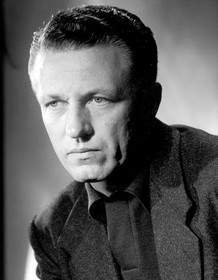
Nicholas Ray
Made by

Samuel Bronston Productions
Where to Watch King of Kings
See current US streaming, rental, and purchase options for King of Kings (1961) via JustWatch.






King of Kings Plot Summary
Read the complete plot summary and ending explained for King of Kings (1961). From turning points to emotional moments, uncover what really happened and why it matters.
In 63 BC, the Romans tighten their grip on Jerusalem under General Pompey, and the city is subjected to a brutal sacking. Pompey marches into the Temple, massacres the priests, and plunders sacred relics in a bid to seize the temple’s treasures. Into the Holy of Holies he climbs, only to discover the scrolls of the Torah; after threatening the old priest who pleads for them, Pompey relents and relinquishes the sacred copies. He then departs to unleash further carnage on villages and towns, a grim prelude to centuries of conflict that will shape Judea’s fate for years to come.
Many years pass, and rebellion against Roman rule simmers. Rome installs Herod the Great on Judea’s throne, and a carpenter named Mary and his wife travel to Bethlehem for a census, seeking shelter as Mary prepares to give birth to a child who will be seen by many as the long-awaited Messiah. In the dim cradle of a humble stable, the newcomer, Jesus, is born. Shepherds visit, and the Magi arrive from the East to honor the infant with gifts. But Herod, warned of a “king born to rule,” orders a brutal massacre of newborns, sending Roman troops to Bethlehem in a bid to snuff out the prophecy. The holy family escapes to Egypt, and after Herod’s death, they eventually return to Nazareth, where Jesus grows, learns, and works beside his mortal father.
As the years unfold, Jewish rebels—led by Barabbas and Judas Iscariot—plot against Rome. A caravan bearing the governor-to-be, Pontius Pilate, and his wife Claudia, daughter of Caesar Tiberius, is ambushed, but the plan falters thanks to the vigilance of Lucius, a capable Roman centurion. The political chessboard shifts again when Herod Antipas comes to power, and the question of authority and faith intensifies across Judea. In the countryside near the Jordan River, the prophetic voice of John the Baptist rises, calling for repentance as he prepares the way for what is to come. The adult Jesus arrives at the scene, is baptized by John, and then journeys into the desert for forty days of temptation before beginning his ministry in Galilee.
Back in Jerusalem, John the Baptist is arrested by Herod Antipas, interpreted by many as a political move as much as a religious one. Jesus visits John in prison, while Judas, uneasy with the stance of Barabbas and the rebels, eventually turns toward the circle of Jesus’ followers. As crowds gather, Claudia and others are drawn into the drama that will culminate in a confrontation between Jesus and the authorities—Caiaphas and Pilate among them. The High Priest Caiaphas and the Roman power broker Pilate grow wary of Jesus’s growing influence and the miracles he performs, and the tension between Jewish leaders and Roman rule explodes when Jesus enters Jerusalem and preaches in the Temple.
The revolt planned by Barabbas rises during Passover, but the Roman legions quell the disturbance, and Barabbas is arrested, leaving the unanswered question of who among the crowd will be released. In the solemn hours of the last supper, Jesus gathers his closest followers, including the fishermen who will become his Apostles. After praying in Gethsemane, Jesus is betrayed to the authorities, and the series of trials begins: Caiaphas will have him before the Jewish court, then Pilate sends him to Herod Antipas, who returns him to Pilate. The ruler, pressed by the people, orders the scourging of Jesus, and finally the crowd demands crucifixion with Barabbas’s fate left open to fate.
On Calvary, Jesus bears the crown of thorns and is crucified between two thieves—the penitent Dismas and the impenitent Gestas. Judas, overwhelmed by guilt, takes his own life, and his body is later found by Barabbas. At the moment of Jesus’s death, the assembled witnesses—his mother, the Apostle John, a few soldiers, Claudia, and Lucius—hear the proclamation, “He is truly the Christ.” The body is removed from the cross and laid in a rock tomb, awaiting what comes next. Two days later, Mary Magdalene discovers that the tomb is empty and encounters the risen Jesus, whose appearance signals a new chapter.
The film closes on the shores of Lake Tiberias, where Jesus appears to the apostles “for a final time.” He bids them carry his message to the ends of the world, and a shadowy form of the figure passes over the fishing nets laid out on the water. Only the silhouette hints at a possible ascent into Heaven, leaving a lasting image of faith, sacrifice, and the enduring mission of the Apostles.
King of Kings Timeline
Follow the complete movie timeline of King of Kings (1961) with every major event in chronological order. Great for understanding complex plots and story progression.
Pompey's Conquest of Jerusalem
In 63 BC under General Pompey, Romans conquer Jerusalem and sack the city. He enters the Temple and massacres the priests as he searches for treasures. He probes the Holy of Holies and discovers the Torah scrolls, which he holds over a fire before relenting and returning them to an old priest. Pompey then leaves to continue massacres of villages.
Rise of Roman Rule and Herod's Appointment
Years after Pompey's victory, rebellion erupts against Rome and Judean rulers. Roman forces crucify many leaders as they deem rebellion a threat. The Roman Senate installs Herod the Great on Judea's throne, reshaping the region's power.
Birth of Jesus in Bethlehem
Mary and Joseph travel to Bethlehem for the census and seek shelter when no inn is available. They end up in a stable, where Jesus is born. Shepherds witness the birth and Magi later visit to present gifts, recognizing the child's significance.
Massacre of the Innocents and Flight to Egypt
Herod orders the murder of all newborn male children in Bethlehem, forcing Mary and Joseph to flee with the infant Jesus. The Massacre of the Innocents devastates families as they escape to safety. Herod dies in his death throes, and his son Herod Antipas rises to power in his place.
Jesus as a Boy in Nazareth
In Nazareth, Jesus grows alongside Joseph as a carpenter's son. At about age 12, soldiers arrive under the command of Lucius, who suspects Jesus but does nothing to threaten him. Mary and Joseph register their son's birth before the year ends.
Barabbas and Judas Plot Thwarted
Jewish rebels led by Barabbas and Judas Iscariot plot to ambush a caravan carrying Pontius Pilate. Lucius remains vigilant and foils the ambush, forcing Barabbas and Judas to flee for their lives.
Baptism and Temptation of Jesus
Jesus is baptized by John the Baptist at the River Jordan, and John recognizes him as the Messiah. He then spends forty days in the desert, enduring temptations from Satan. Afterward, Jesus travels to Galilee and begins calling his Apostles.
Jesus Begins Ministry in Galilee
After his time in the wilderness, Jesus travels through Galilee preaching to crowds and gathering followers. He begins to recruit his Apostles, forming the group that will carry his message forward.
John the Baptist Arrested; Judas Joins the Apostles
In Jerusalem, John the Baptist is arrested by Herod Antipas, and Jesus visits him in prison. Judas leaves Barabbas and joins Jesus' circle, while Barabbas remains a rebel figure among the crowds.
Triumphal Entry and Rebellion Crushed
Jesus enters Jerusalem in triumph during Passover and preaches in the Temple. Barabbas plots a revolt, but Pilate's legions crush the uprising at the Antonia Fortress, leaving Barabbas arrested as the sole survivor.
Last Supper and Betrayal
Jesus shares the Last Supper with his disciples and goes to pray in Gethsemane. Judas pressures Jesus to act and betrays him to the Jewish authorities, setting the betrayal in motion.
Trials and Scourging
Jesus is brought before Caiaphas and Pilate, then sent to Herod and back. Pilate orders scourging as the crowd demands Barabbas' release, and Jesus is condemned to crucifixion.
Crucifixion and Death
Jesus carries the cross to Golgotha and is crucified with two thieves, Dismas and Gestas. He dies before a small group that includes his mother and John. Judas, overwhelmed by his betrayal, hangs himself, and Jesus’ body is laid in a tomb.
Resurrection and First Encounters
Mary Magdalene discovers Jesus' tomb is empty and encounters the risen Christ. Jesus later appears to his followers, confirming his victory over death and his divine mission.
Final Appearance and Ascension
At Lake Tiberias, Jesus appears to the apostles for a final time and commissions them to spread his message to the ends of the world. His shadow falls across the fishing nets, hinting at his ascension toward Heaven as the group departs.
King of Kings Characters
Explore all characters from King of Kings (1961). Get detailed profiles with their roles, arcs, and key relationships explained.
Jesus (Jeffrey Hunter)
A charismatic teacher whose acts and parables draw followers and confront authorities. He embodies compassion, moral clarity, and a radical vision of love and forgiveness, while navigating the dangers of political power. His journey from baptism to crucifixion anchors the film’s central tension between divine mission and human politics.
Mary (Siobhán McKenna)
Mary is the devoted mother figure anchoring Jesus’ early life, witnessing events with faith and resilience. She balances hope with sorrow as the story unfolds, grounding the narrative in familial love amid upheaval. Her presence emphasizes the human side of sacred history.
Mary Magdalene (Carmen Sevilla)
A devoted follower who supports Jesus’ mission and the early disciples. She embodies feminine strength, spiritual insight, and steadfast loyalty, serving as a witness to pivotal moments. Her role highlights devotion and the intimate dimension of the early Christian community.
John the Baptist (Robert Ryan)
A prophetic herald who cleaves to moral authority and baptizes Jesus, signaling the start of his public ministry. He embodies humility and spiritual clarity, facing opposition from authorities. His fate intensifies the narrative’s moral stakes and sets the stage for Jesus’ mission.
Judas Iscariot (Rip Torn)
A disciple torn between loyalty and personal ambition, Judas’s betrayal marks a defining fracture in the movement. His choice highlights the complexities of trust and the high price of dissent. He becomes a symbol of treachery and consequence within the story.
Barabbas (Harry Guardino)
A rebel whose release over Jesus embodies the clash between political justice and mercy. He represents the rebellious impulse within the crowd and reflects the precarious fate of insurgents under Roman rule. His arc intersects with the themes of mercy and imprisonment.
Pontius Pilate (Hurd Hatfield)
A pragmatic Roman governor who weighs consequences over conviction, navigating pressure from authorities and the crowd. He orders Jesus’ crucifixion to appease public sentiment, illustrating the conflict between political expediency and personal conscience. His leadership underscores the empire’s complicity in crucifixion.
Herod Antipas (Frank Thring)
A Galilean ruler balancing loyalty to Rome with regional intrigue, attempting to control unrest surrounding Jesus’ ministry. His decisions influence the fate of key figures, revealing the precariousness of regional power within the empire. He embodies ambition and political maneuvering.
Herod (Grégoire Aslan)
A ruler who uses power and alliances to protect his position, often acting from suspicion and calculation. His presence amplifies the drama around Jesus and the religious authorities, illustrating the dangers of political intrigue. He embodies strategic governance under pressure.
Caiaphas (Guy Rolfe)
The High Priest who orchestrates surveillance over Jesus and pushes for condemnation. He represents the official religious establishment interested in political control rather than spiritual truth. His actions propel the trial and crucifixion arc.
Narrator (Orson Welles)
The narrator frames the epic scope, guiding viewers through prophecy, miracle, and tragedy with a mythic, omniscient perspective. His voice lends a unifying thread to the film’s vast historical panorama. The narration reinforces the arc from birth to resurrection.
Apostles (not named)
The core group around Jesus absorbs his teaching and carries the message forward after his death. They embody loyalty, doubt, and devotion as the early church begins to take shape. The film tracks their role in spreading the mission beyond Jesus’ immediate circle.
King of Kings Settings
Learn where and when King of Kings (1961) takes place. Explore the film’s settings, era, and how they shape the narrative.
Time period
63 BC; 1st century AD
The narrative begins with Pompey’s siege of Jerusalem in 63 BC and the subsequent Roman dominance. It then traverses the life of Jesus in the 1st century AD, from birth and baptism to ministry and crucifixion, culminating in the resurrection narrative. The film spans both the late Roman Republic and early Christian era, juxtaposing political upheaval with spiritual revelation.
Location
Jerusalem, Bethlehem, Nazareth, Galilee, Egypt, Judea
Set in ancient Judea under Roman rule, the story unfolds across Jerusalem's temples, Bethlehem during a census, Nazareth, and Galilee, with a later journey to Egypt. The settings range from sacred city centers to frontier towns and desert landscapes, highlighting imperial power and religious devotion. The visuals anchor the birth, ministry, crucifixion, and early Christian mission in a sweeping epic backdrop.
King of Kings Themes
Discover the main themes in King of Kings (1961). Analyze the deeper meanings, emotional layers, and social commentary behind the film.
✝️
Messianic Mission
Jesus is depicted as a compelling preacher whose miracles and teachings challenge both religious authorities and Roman rule. The film explores faith, mercy, and a transformative message that draws followers toward a radical vision of the Kingdom of God. Tension between divine purpose and worldly power drives the central conflict toward crucifixion.
⚖️
Power & Politics
The story threads Roman imperial authority with Jewish leadership, showing Pilate, Herod, and Caiaphas as actors in a dangerous political theater. Rebellions and executions reveal how political calculations shape spiritual events. The plot uses power games to test loyalties and the costs of dissent.
🕊️
Sacrifice & Redemption
Betrayal, trial, and crucifixion anchor the narrative, with Judas and Barabbas illustrating different paths within the movement. Jesus’s death and the implied resurrection frame the promise of redemption for believers. The finale hints at a universal mission to spread the message beyond Judea.

Coming soon on iOS and Android
The Plot Explained Mobile App
From blockbusters to hidden gems — dive into movie stories anytime, anywhere. Save your favorites, discover plots faster, and never miss a twist again.
Sign up to be the first to know when we launch. Your email stays private — always.
Explore the mobile appKing of Kings Spoiler-Free Summary
Discover the spoiler-free summary of King of Kings (1961). Get a concise overview without any spoilers.
In a land where ancient stone streets echo with the clash of empires, Judea stands caught between the weight of Roman authority and the restless hopes of its people. The film paints a sweeping, sun‑baked landscape where markets hum, temples loom, and the ever‑present tension between power and faith feels palpable. Shadows of past conquests linger, while whispers of a promised deliverer stir the air, giving the world a sense of both grandeur and intimate dread. The tone is reverent yet urgent, inviting the viewer to feel the pulse of a civilization on the brink of transformation.
At the heart of this world walks a carpenter’s son, born in a modest stable under a sky of distant stars. From his first breaths, Jesus is surrounded by love and humility, his quiet curiosity and startling compassion setting him apart. Though his early life unfolds in the simple rhythms of Nazareth, an inner gravity begins to draw people toward him, suggesting that his words and deeds may ripple far beyond the confines of his village. His presence feels like a soft yet undeniable force, reshaping the expectations of those who encounter him and hinting at a destiny that challenges the very foundations of the era’s moral order.
Around this central figure swirl the lives of those who will intersect with his path. A prophetic voice from the desert, John the Baptist, heralds a new awakening, while a restless rebel leader, Barabbas, embodies the simmering desire for freedom. The conflicted disciple Judas Iscariot wrestles with loyalty, and the stern high priest Caiaphas guards ancient traditions. Imperial eyes, embodied by Pontius Pilate and the ambitious Herod Antipas, watch the growing influence with cautious calculation, while the compassionate Claudia, linked to the Roman elite, offers a glimpse of humanity within the machinery of power. Together, these characters create a tapestry of intrigue and tension, suggesting that every encounter with Jesus will reverberate through the ages, leaving the audience eager to see how his quiet conviction might reshape a world on the edge of profound change.
Featured on this page

What's After the Movie?
Not sure whether to stay after the credits? Find out!
Check out our other apps:

SAT Sphere
Build confidence for the Digital SAT.

Mori Atlas
Discover wild places worth protecting.

Luntero
Search smarter for a home in Amsterdam.

Plot Explained
Unravel movie endings and hidden clues.

Pokechamp
Dive into Pokémon data and battle logic.

Driving Theory
Get ready for your European theory test.

Movie Dust
Plan your next cinema trip with ease.

Musemap
Find art and culture as you travel.

Selkobase
Compare credentials before committing.

Local Manual
Turn an unfamiliar country into practical next steps.

Lernavi
Compare school systems before your next move.

GymRoam
Find a workout stop wherever your plans take you.
Explore Our Movie Platform
New Movie Releases (2026)
Famous Movie Actors
Top Film Production Studios
Movie Plot Summaries & Endings
Major Movie Awards & Winners
Best Concert Films & Music Documentaries
Movie Collections and Curated Lists
© 2026 What's After the Movie. All rights reserved.
Privacy Policy