King of Kings 1961


Exploring the timeless conflict between good and evil, love and hate, peace and war, the film asks who Jesus was and why his presence reshapes every life he touches. He is revered and condemned, copied and blamed, cherished, betrayed, and ultimately crucified—yet his fate marks only the beginning of a larger story.

Does King of Kings have end credit scenes?
No!
King of Kings does not have end credit scenes. You can leave when the credits roll.
Where to Watch King of Kings
See current US streaming, rental, and purchase options for King of Kings (1961) via JustWatch.






Meet the Full Cast and Actors of King of Kings
Explore the complete cast of King of Kings, including both lead and supporting actors. Learn who plays each character, discover their past roles and achievements, and find out what makes this ensemble cast stand out in the world of film and television.

Orson Welles
Narrator (voice) (uncredited)
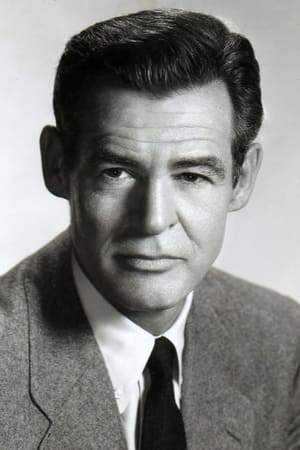
Robert Ryan
John the Baptist

Royal Dano
Peter
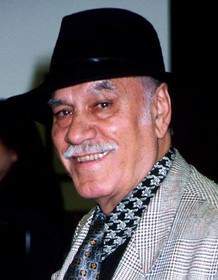
Aldo Sambrell
Judea Soldier (uncredited)

Rip Torn
Judas

Rita Gam
Herodias

Frank Thring
Herod Antipas

Hurd Hatfield
Pontius Pilate
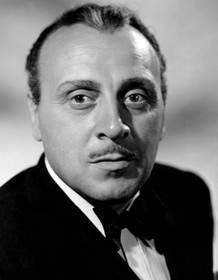
George Coulouris
Camel Driver
David Davies
Burly Man
Grégoire Aslan
Herod
Frank Braña
Roman Soldier/Barrabas Soldier (uncredited)
Gérard Tichy
Joseph

Ray Milland
Satan (voice) (uncredited)
John Kerr
Man at Sermon on the Mount (uncredited)
Harry Guardino
Barabbas
Viveca Lindfors
Claudia
Jeffrey Hunter
Jesus
Guy Rolfe
Caiaphas
Antonio Mayans
Young John
Carmen Sevilla
Mary Magdalene
Paul Naschy
Herod Antipas' Servant/Roman Soldier (uncredited)
Fernando Sancho
Mad man
Conrado San Martín
General Pompey
Siobhán McKenna
Mary
Cris Huerta
Jewish Rebel (uncredited)
Michael Wager
Thomas
Maurice Marsac
Nicodemus
Rubén Rojo
Matthew
Luis Prendes
Good Thief / Roman Soldier
Ron Randell
Lucius
José Nieto
Caspar
Edric Connor
Balthazar
Adriano Rimoldi
Melchior
Barry Keegan
Bad Thief
Antonio Montoya
Roman Soldier (uncredited)
Brigid Bazlen
Salome
Félix de Pomés
Joseph of Arimathea
Rafael Luis Calvo
Simon of Cyrene
Tino Barrero
Andrew
Paco Morán
Blind Man
Randy Paar
Extra in Palm Sunday Scene (uncredited)
Bud Strait
John the Apostle (uncredited)
Ron Veto
Bit part (uncredited)
External Links and Streaming Options
Discover where to watch King of Kings online, including streaming platforms, rental options, and official sources. Compare reviews, ratings, and in-depth movie information across sites like IMDb, TMDb, Wikipedia or Letterboxd.




Take the Ultimate King of Kings Movie Quiz
Challenge your knowledge of King of Kings with this fun and interactive movie quiz. Test yourself on key plot points, iconic characters, hidden details, and memorable moments to see how well you really know the film.
King of Kings (1961) Quiz: Test your knowledge of the key events, characters, and themes from the 1961 epic film "King of Kings".
Which Roman general led the sacking of Jerusalem in 63 BC?
Full Plot Summary and Ending Explained for King of Kings
Read the complete plot summary of King of Kings, including all major events, twists, and the full ending explained in detail. Explore key characters, themes, hidden meanings, and everything you need to understand the story from beginning to end.
In 63 BC, the Romans tighten their grip on Jerusalem under General Pompey, and the city is subjected to a brutal sacking. Pompey marches into the Temple, massacres the priests, and plunders sacred relics in a bid to seize the temple’s treasures. Into the Holy of Holies he climbs, only to discover the scrolls of the Torah; after threatening the old priest who pleads for them, Pompey relents and relinquishes the sacred copies. He then departs to unleash further carnage on villages and towns, a grim prelude to centuries of conflict that will shape Judea’s fate for years to come.
Many years pass, and rebellion against Roman rule simmers. Rome installs Herod the Great on Judea’s throne, and a carpenter named Mary and his wife travel to Bethlehem for a census, seeking shelter as Mary prepares to give birth to a child who will be seen by many as the long-awaited Messiah. In the dim cradle of a humble stable, the newcomer, Jesus, is born. Shepherds visit, and the Magi arrive from the East to honor the infant with gifts. But Herod, warned of a “king born to rule,” orders a brutal massacre of newborns, sending Roman troops to Bethlehem in a bid to snuff out the prophecy. The holy family escapes to Egypt, and after Herod’s death, they eventually return to Nazareth, where Jesus grows, learns, and works beside his mortal father.
As the years unfold, Jewish rebels—led by Barabbas and Judas Iscariot—plot against Rome. A caravan bearing the governor-to-be, Pontius Pilate, and his wife Claudia, daughter of Caesar Tiberius, is ambushed, but the plan falters thanks to the vigilance of Lucius, a capable Roman centurion. The political chessboard shifts again when Herod Antipas comes to power, and the question of authority and faith intensifies across Judea. In the countryside near the Jordan River, the prophetic voice of John the Baptist rises, calling for repentance as he prepares the way for what is to come. The adult Jesus arrives at the scene, is baptized by John, and then journeys into the desert for forty days of temptation before beginning his ministry in Galilee.
Back in Jerusalem, John the Baptist is arrested by Herod Antipas, interpreted by many as a political move as much as a religious one. Jesus visits John in prison, while Judas, uneasy with the stance of Barabbas and the rebels, eventually turns toward the circle of Jesus’ followers. As crowds gather, Claudia and others are drawn into the drama that will culminate in a confrontation between Jesus and the authorities—Caiaphas and Pilate among them. The High Priest Caiaphas and the Roman power broker Pilate grow wary of Jesus’s growing influence and the miracles he performs, and the tension between Jewish leaders and Roman rule explodes when Jesus enters Jerusalem and preaches in the Temple.
The revolt planned by Barabbas rises during Passover, but the Roman legions quell the disturbance, and Barabbas is arrested, leaving the unanswered question of who among the crowd will be released. In the solemn hours of the last supper, Jesus gathers his closest followers, including the fishermen who will become his Apostles. After praying in Gethsemane, Jesus is betrayed to the authorities, and the series of trials begins: Caiaphas will have him before the Jewish court, then Pilate sends him to Herod Antipas, who returns him to Pilate. The ruler, pressed by the people, orders the scourging of Jesus, and finally the crowd demands crucifixion with Barabbas’s fate left open to fate.
On Calvary, Jesus bears the crown of thorns and is crucified between two thieves—the penitent Dismas and the impenitent Gestas. Judas, overwhelmed by guilt, takes his own life, and his body is later found by Barabbas. At the moment of Jesus’s death, the assembled witnesses—his mother, the Apostle John, a few soldiers, Claudia, and Lucius—hear the proclamation, “He is truly the Christ.” The body is removed from the cross and laid in a rock tomb, awaiting what comes next. Two days later, Mary Magdalene discovers that the tomb is empty and encounters the risen Jesus, whose appearance signals a new chapter.
The film closes on the shores of Lake Tiberias, where Jesus appears to the apostles “for a final time.” He bids them carry his message to the ends of the world, and a shadowy form of the figure passes over the fishing nets laid out on the water. Only the silhouette hints at a possible ascent into Heaven, leaving a lasting image of faith, sacrifice, and the enduring mission of the Apostles.

Coming soon on iOS and Android
The Plot Explained Mobile App
From blockbusters to hidden gems — dive into movie stories anytime, anywhere. Save your favorites, discover plots faster, and never miss a twist again.
Sign up to be the first to know when we launch. Your email stays private — always.
Explore the mobile appWatch Trailers, Clips & Behind-the-Scenes for King of Kings
Watch official trailers, exclusive clips, cast interviews, and behind-the-scenes footage from King of Kings. Dive deeper into the making of the film, its standout moments, and key production insights.
King of Kings Other Names and Titles
Explore the various alternative titles, translations, and other names used for King of Kings across different regions and languages. Understand how the film is marketed and recognized worldwide.
Quick Links: Summary, Cast, Ratings, More

What's After the Movie?
Not sure whether to stay after the credits? Find out!
Check out our other apps:

SAT Sphere
Build confidence for the Digital SAT.

Mori Atlas
Discover wild places worth protecting.

Luntero
Search smarter for a home in Amsterdam.

Plot Explained
Unravel movie endings and hidden clues.

Pokechamp
Dive into Pokémon data and battle logic.

Driving Theory
Get ready for your European theory test.

Movie Dust
Plan your next cinema trip with ease.

Musemap
Find art and culture as you travel.

Selkobase
Compare credentials before committing.

Local Manual
Turn an unfamiliar country into practical next steps.

Lernavi
Compare school systems before your next move.

GymRoam
Find a workout stop wherever your plans take you.
Explore Our Movie Platform
New Movie Releases (2026)
Famous Movie Actors
Top Film Production Studios
Movie Plot Summaries & Endings
Major Movie Awards & Winners
Best Concert Films & Music Documentaries
Movie Collections and Curated Lists
© 2026 What's After the Movie. All rights reserved.
Privacy Policy