What Is Kanchivaram About?
The premise of Kanchivaram in 346 words, with nothing given away. The full story follows below.
In the bustling town of Kanchivaram, 1948, the silk trade is both a source of pride and a heavy burden. The film opens on a community whose lives are woven into the very threads they spin, a place where the clatter of looms echoes the rhythm of daily survival. Within this tightly knit world, a simple promise becomes the heart of the story: a poor silk weaver vows to dress his newborn daughter in a silk saree for her wedding, a pledge he makes to his beloved wife. The promise carries the weight of tradition, love, and an unspoken yearning for dignity amid hardship.
The central figure, Vengadam, is a skilled artisan whose hands have known both the meticulous beauty of silk and the relentless grind of poverty. He is a man of quiet resolve, haunted by the gap between his aspirations and the stark realities of a system that keeps the fruits of his labor out of reach. His relationship with his wife, Annam, is tender and rooted in shared sacrifice, anchoring him in a personal world that constantly battles the larger forces of oppression and economic volatility. Their small family becomes a microcosm of the larger community, reflecting hopes that flicker like the sheen of freshly spun yarn.
The tone is lyrical yet unflinching, blending the vivid colors of South Indian culture with the somber shadows of social inequity. The film paints Kanchivaram as a place where everyday life is a delicate balance between reverence for heritage and the relentless pressures of a harsh industry. Subtle currents of political awakening ripple through the streets, hinting at larger movements that threaten to reshape the fabric of the weavers’ existence without overpowering the intimate human drama at the story’s core.
Against this richly rendered backdrop, the narrative unfolds as a quiet meditation on promise, perseverance, and the relentless quest for honor. As Vengadam navigates the intersecting threads of personal duty and communal struggle, the audience is drawn into a world where every silk strand carries a story, and every promise whispers both hope and impending challenge.
What Happens in Kanchivaram?
The complete story of Kanchivaram, from the first scene to the last, in 679 words (about 3 minutes). Spoilers throughout. Names in the text link to 2 cast member pages.
Spoilers ahead
Vengadam, played by Prakash Raj, is a skilled silk weaver living in the town of Kanchivaram in 1948. His life takes a series of emotional and challenging turns that deeply influence his journey and identity. Recently released from jail, Vengadam is escorted under police custody for just two days as he returns to his hometown, a journey that stirs memories of his past and the struggles he endured. Throughout the bus ride, symbols and incidents reconnect him to significant moments from his life, revealing the hardships and hopes that have shaped him.
Once, Vengadam’s aspiration was to marry a woman wearing a silk saree, a symbol of dignity and tradition for him. However, financial hardships forced him to settle for a simple life, and he couldn’t fulfill his dream. His troubles worsened when his brother-in-law faced losses, forcing him to abandon his sister in an effort to save her dignity, prompting Vengadam to sacrifice his savings. Tragedy struck when his wife, Annam, portrayed by Sriya Reddy, fell ill with blood vomit, and tragically, she passed away in his arms, clutching a silk saree, which represented a symbol of their togetherness and his unfulfilled desires.
As the story unfolds, a visitor arrives in town—a writer and communist supporter—who advocates for equality among the silk weavers by exposing their low wages and lack of access to the craftsmanship they produce. Vengadam, along with his fellow weavers, begins to participate in street theatre mocking their oppressive landlord, the Zamindar, who exploits them. The communist message gains momentum even as the political climate becomes hostile; the writer is eventually hunted down and killed, marking the dangerous reality of political activism during that era. Vengadam becomes a leader among the weavers, spearheading petitions demanding fair pay and better working conditions, symbolizing the fight for dignity and justice.
However, the political landscape deteriorates when Vengadam’s family is affected by the effects of World War II. His son-in-law, a soldier who has returned from fighting, brings news of the German defeat and warns of the strained relations with communists, adding to Vengadam’s worries. Meanwhile, his daughter, with whom Sriya Reddy has a close bond, expresses her desire to marry her love before returning to the battlefield. Vengadam, torn between his promises and the urgency of the situation, initially plans to complete her silk saree, but pressure and patriotic duty push him to orders rejoining work, which brands him a traitor. In a desperate attempt to finish the saree on time, Vengadam secretly smuggles silk threads out of the temple where he works, risking everything.
His clandestine activities are uncovered, leading to his arrest and brutal punishment. Despite this, the narrative shifts to a poignant present, where tragedy continues to haunt him. His daughter, having slipped into a well, becomes paralyzed, and her mother had died early in her childhood during a stampede caused by villagers eager to see the Zamindar’s new car. With no one willing to care for her, Vengadam is overwhelmed with guilt and sorrow. Desperate to spare her further suffering, he poisons his own daughter, who dies shortly after, leaving him shattered.
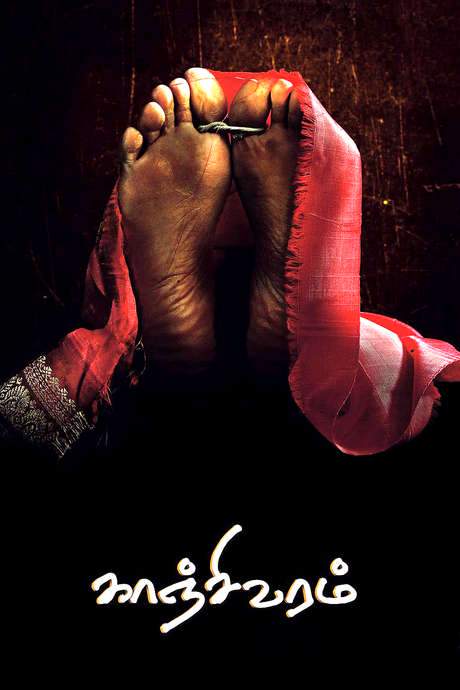
In the aftermath, as her body lies in front of his home, Vengadam finds his unfinished silk saree—a reminder of his lost dreams and unfulfilled promises. He uses the remaining silk to cover her body, echoing the words he once voiced about his father’s death—desiring to give her a silk cloth as a sign of respect and dignity. Overcome by grief and madness, Vengadam attempts to cover his daughter’s face and body with the silk, signaling his break from reality. The film concludes with a haunting freeze frame of Vengadam, laughing amidst his tears and covering his daughter’s body, symbolizing his complete descent into mental instability. The closing credits reflect the rise of communism in India, highlighting the historical context that intertwined with Vengadam’s personal tragedy.
This story is a powerful portrayal of a man’s life shaped by tradition, sacrifice, political upheaval, and personal loss, underscoring the deep emotional and societal struggles faced by those caught in the tide of history.
Kanchivaram Timeline: Every Key Event in Order
14 key events in the order they happen, from “Vengadam's Release from Jail” to “Epilogue and Historical Context”. 13 events name a place, across 5 locations.
- 1
Vengadam's Release from Jail
In 1948, Vengadam is released from jail after serving time, and he is escorted back to his hometown of Kanchipuram. The police escort him on a bus over a two-day journey, during which he begins to recall his past. The journey symbolizes a reflection on his life's hardships and choices.
When:1948 Where:On the bus, en route to Kanchipuram
- 2
Vengadam's Marriage
Vengadam marries Sriya Reddy's character, having once vowed to marry only a woman wearing a silk saree. However, due to financial constraints, he settles for a normal marriage, abandoning his earlier silk saree ambitions. His love for silk remains a significant part of his identity.
When:Prior to the events of the journey Where:Kanchipuram
- 3
Financial Hardship and Sacrifice
When his brother-in-law faces business losses, Vengadam provides his savings to help his sister, sacrificing his dream of owning a silk saree. This act of sacrifice marks a turning point in his life, reflecting his dedication to family over personal aspirations.
When:Before the death of Annam Where:Kanchipuram
- 4
Annam's Illness and Death
Vengadam's wife, Annam, falls ill with blood vomit and eventually dies in his arms. Her death occurs after she shows him a silk saree, symbolizing his lost dreams and the cost of his sacrifices. This tragic event profoundly affects Vengadam.
When:During the town fair Where:Kanchipuram
- 5
Introduction of the Communist Ideology
A writer, revealed as a communist, arrives in the town and advocates for equality among silk weavers. He highlights their poor pay and inability to access the products they create, inspiring Vengadam and others to demand better conditions through street theatre and protest.
When:After Annam's death Where:Kanchipuram
- 6
Weavers' Activism and Petition
Vengadam becomes a leader among the weavers, organizing protests and submitting a petition for increased wages. Their activism symbolizes their fight for dignity and economic justice amid oppressive Zamindar control. The movement faces danger as police crack down.
When:Following the communist's influence Where:Kanchipuram
- 7
Return of Vengadam's Friend's Son
The son of Vengadam's friend, a soldier returning from war, visits and informs the town of the Allies' victories, leading to tensions in alliances with communists. He seeks to marry Vengadam's daughter before returning to battle, complicating Vengadam’s decisions.
When:During the height of revolutionary activity Where:Kanchipuram
- 8
Vengadam's Decision to Rejoin Work
Faced with the soldier's proposal, Vengadam defies his vow and orders the weavers to resume work to finish the silk saree. He secretly smuggles silk to complete the saree on time, showing his struggle between personal promises and survival.
When:Shortly after the soldier's visit Where:Silk workshop, Kanchipuram
- 9
Vengadam is caught smuggling silk, beaten, and imprisoned. His actions to finish the saree in time demonstrate his desperation and the cost of his commitments as his life spirals out of control amid the socio-political turmoil.
When:During the final stages of the saree's completion Where:Silk workshop and jail
- 10
Tragedy of His Daughter
Vengadam's daughter falls into a well and becomes paralyzed, leading to her tragic suffering. His wife dies in a stampede caused by villagers eager to see the zamindar's new car, leaving Vengadam devastated and guilt-ridden.
When:Post-imprisonment, before his daughter's death Where:Kanchipuram
Show the other 4 events of Kanchivaram Hide the last 4 events
- 11
Poisoning and Death of His Daughter
Unable to bear her suffering and rejected by his brother-in-law, Vengadam poisons his daughter, ending her life. He feels helpless and overwhelmed by despair, culminating in a tragic end for his family.
When:Shortly after her fall into the well Where:Kanchipuram
- 12
Vengadam Covers His Daughter's Body
In her death, Vengadam covers his daughter's body with a half-woven silk saree, fulfilling a childhood vow about silk and lamenting his regrets. This act signifies his ongoing connection to silk and his grief.
When:After her death Where:Outside his house
- 13
Vengadam's Mental Breakdown
Overcome with grief and guilt, Vengadam becomes mentally unstable, shown trying to cover her face and leg with silk, symbolizing his descent into madness. The film ends with his laughter, illustrating his broken state of mind.
When:End of the film Where:Outside his house
- 14
Epilogue and Historical Context
The film's credits reveal how communism became a significant movement in India, highlighting the socio-political backdrop of Vengadam's struggles. His story reflects broader themes of sacrifice, inequality, and political change during that era.
When:Post-credits, historical reflection
Who Are the Main Characters in Kanchivaram?
4 characters, among them Vengadam (Prakash Raj), Annam (Sriya Reddy) and Vengadam's Daughter: who each one is and the part they play in the story. 3 of them link to the actor’s page.
-

Vengadam (Prakash Raj)
Played by Prakash Raj
Vengadam is a resilient silk weaver whose life is marked by sacrifice, hope, and disillusionment. His character embodies the struggles of the working class, fighting for dignity and equality while grappling with personal loss and societal constraints.
- 💪 Resilient
- 🎭 Tragic
- ✊ Activist
- A(
Annam (Sriya Reddy)
Played by Sriya Reddy
Annam is Vengadam’s wife, whose illness and tragic death symbolize the fragility of life and the sacrifices made for family. Her character reflects love, vulnerability, and the toll of hardship.
- ❤️ Loving
- ✨ Sacrificial
- 🌹 Tragical
- VD
Vengadam's Daughter
The daughter represents innocence and the cost of societal struggles, suffering as a consequence of the harsh realities faced by her family and community. Her paralysis symbolizes the long-lasting impact of loss and despair.
- 😢 Innocent
- 🌈 Tragic
- 💔 Vulnerable
- TC
The Communist Writer (voice of Rohini)
Played by Rohini
The writer serves as a catalyst for revolutionary ideas, advocating for equality and social change among the oppressed. His character highlights the influence of political ideologies during post-independence India.
- 📝 Revolutionary
- 📢 Ideological
- 🥁 Motivational
Where and When Is Kanchivaram Set?
Kanchivaram is set in Kanchipuram (1948). Here is why the time and place matter to the story.
When
1948
The movie is set in the year 1948, shortly after India gained independence from British rule. This period was marked by social upheaval, economic struggles, and the rise of political ideologies like communism. The era reflects a transitional phase in Indian society, with tensions between tradition and modernity.
Where
Kanchipuram
Kanchipuram is renowned for its ancient temples and silk sarees, making it a cultural and religious hub in Tamil Nadu, India. The town's history is deeply rooted in tradition and craftsmanship, especially in silk weaving. Its vibrant community reflects a blend of spiritual and artisanal heritage that defines the region.
- 🏛️ Historic
- 🧵 Silk town
- 🌺 Religious center
What Are the Themes of Kanchivaram?
2 ideas the story keeps returning to, among them Craftsmanship and Social Justice.
-
01
Craftsmanship
The film explores the life of silk weavers, emphasizing their skills, struggles, and the socio-economic challenges they face. It highlights the importance of tradition and how economic hardships threaten cultural practices. The story also portrays how craftsmanship is intertwined with identity and dignity.
-
02
Social Justice
A prominent theme is the fight for equality and fair wages among the oppressed silk weavers. The movie depicts the rise of communist ideas and their impact on common people, illustrating their desire for justice and better living conditions amid oppressive social structures.
What Kind of Film Is Kanchivaram?
Bleak in tone, with steady pacing and a moderate story, going by the plot summary.
- Tone
- Bleak
- Pacing
- Steady
- Story
- Moderate
- Intensity
- High
- Ending
- Bleak
A deeply tragic and oppressive drama following a weaver's desperate struggle against poverty and political oppression, culminating in profound personal loss and a descent into madness.
- oppressive
- tragic
- melancholic
- gritty
- desperate
- political
- poverty
- class struggle
- communism
- father-daughter bond
Content notes: child death, terminal illness, suicide (mercy killing), political violence, systemic abuse, brutal punishment.
Quiz
How well do you remember Kanchivaram? Test yourself on the story.