
Kabul Express 2006

Directed by

Kabir Khan
Made by

Yash Raj Films
Kabul Express Plot Summary
Read the complete plot summary and ending explained for Kabul Express (2006). From turning points to emotional moments, uncover what really happened and why it matters.
In the wake of the 2001 U.S.-led invasion, Suhel Khan and Jai Kapoor set out as Indian journalists to document the state of Afghanistan after the Taliban era. Based in Kabul and working for Star News, they embark on a long, winding journey through a country shaped by years of upheaval. They are joined by Khyber, a seasoned local taxi driver who has witnessed decades of conflict and knows every road, every rumor, and the quiet moments of fear that can erupt into danger at any moment. Along the way, they meet Jessica Beckham, an American photojournalist for Reuters, whose presence broadens the scope of their coverage and adds a fresh perspective to the harrowing realities on the ground.
As they leave the village of Ishtar, the group is suddenly held at gunpoint by Imran Khan Afridi, a former Taliban fighter who has disguised himself as a woman and is hidden in the back of their vehicle. He forces them to drive toward the Pakistan border, wielding threats of violence to compel compliance. The journey takes them through a mosaic of war-scarred towns, where the scars of years of conflict are visible in collapsing buildings, dusty streets, and the resilient, wary faces of survivors.
Amid the mounting tension, [Jessica Beckham] discovers that [Imran Khan Afridi] is not what he appears to be. He is revealed as Wassim Chaudhry, a Pakistani army officer who infiltrated Afghanistan during the Soviet–Afghan War and later aligned with the Taliban. The revelation shifts the dynamics of the group; the journalists are caught between the gravity of his past and the immediacy of their own peril. The truth behind Imran’s motives weighs heavily, intensifying the danger as their trust frays and the line between pursuit of truth and personal survival becomes increasingly blurred.
Their attempts to escape are thwarted when Imran regains control of the situation. A tense standoff unfolds, interrupted by the appearance of American soldiers who momentarily alter the balance of power. In a moment that feels almost cinematic in its moral ambiguity, Suhel negotiates with Imran to secure an interview, a risky decision that could expose uncomfortable truths or deepen the danger they already face. The interlude underscores the precarious nature of documenting conflict where “truth” is often a moving target and safety is never guaranteed.
The convoy presses onward toward the border, stopping at Imran’s former village, where he briefly reconnects with his wife and daughter. The moment is intimate and human, a stark reminder of the personal costs borne by those who inhabit the shadows of war. But the area soon erupts into violence as Mujahideen fighters ambush the group. Faced with the choice to flee or stand, Imran urges the others to escape while he stays behind to fight, a self-sacrificing decision that frames his complexities in the narrative.
As the road to Pakistan looms, Imran reaches the border alone and pleads with Pakistani soldiers to admit him. The soldiers refuse, and he is shot and killed while attempting to cross into Pakistan. The culmination of Imran’s arc—his contested loyalties, his decades of conflict, and his ultimate fate—leaves a haunting impression on the journalists who have been recording the story, as well as on the viewers who witness the consequences of international intervention, shifting alliances, and the human toll of war.
Throughout these events, the film cultivates a sober meditation on the challenges of frontline reporting. It threads together the perspectives of a diverse cadre of journalists—each with their own motives and methods—as they navigate a country trying to heal while still haunted by the ghosts of past decades. The travelers’ shared experience underscores how the pursuit of truth in a war zone is inseparable from risk, moral ambiguity, and the fragile threads that connect people across borders, families torn apart, and communities striving to rebuild amid the ruins.
Kabul Express Timeline
Follow the complete movie timeline of Kabul Express (2006) with every major event in chronological order. Great for understanding complex plots and story progression.
Arrival in post-Taliban Afghanistan
Suhel Khan and Jai Kapoor arrive in post-Taliban Afghanistan to document the country’s condition after the 2001 invasion. They begin their journey across the region, accompanied by Khyber, a local taxi driver who has endured decades of conflict. The team is joined along the way by Jessica Beckham, an American photojournalist who will later join their expedition.
Journey across war-torn Afghanistan
They travel through war-ravaged towns across Afghanistan, observing widespread destruction from years of conflict. During these journeys, they encounter Jessica Beckham, an American Reuters photographer, who joins the group to help cover the aftermath of the war.
Ishtar village ambush
Leaving the village of Ishtar, they are halted at gunpoint by Imran Khan Afridi, who has disguised himself as a woman and hidden in the back of their vehicle. He forces them to drive him toward the Pakistan border, threatening violence if they refuse. The group realizes they are now hostages in a dangerous, unpredictable pursuit.
Imran’s true identity revealed
Imran’s true identity is revealed: Wassim Chaudhry, a Pakistani army officer who infiltrated Afghanistan during the Soviet–Afghan War and later aligned with the Taliban. The revelation heightens tension as the journalists question his motives and past actions. The peril deepens as the group continues under his control.
Escape attempts and control
The journalists attempt to escape, but Imran regains control of the vehicle, maintaining his hold over the group. Fear and suspicion mount as their plan to break free becomes increasingly risky.
American soldiers intervene
American soldiers appear and stop the group, creating a tense standoff. In the standoff, Suhel persuades Imran to grant them an interview, forcing him to confront his past on a public platform.
Stop at Imran’s former village
They arrive at Imran’s former village, where he briefly reunites with his wife and daughter, revealing a personal dimension to his hardened exterior. The emotional moment contrasts with the ongoing violence surrounding them.
Mujahideen ambush
Soon after, Mujahideen fighters ambush the group. Imran urges the others to escape while he stays behind to fight, demonstrating his willingness to sacrifice himself for their escape.
Imran reaches the Pakistan border
Imran makes a final dash toward the Pakistan border, moving ahead alone while the others confront the threat behind. He pleads with Pakistani soldiers to let him in, but they refuse to grant him entry.
Imran is killed at the border
Imran is shot and killed while attempting to cross into Pakistan, marking the end of his dangerous mission. The group is left to process the personal and political costs of their voyage through a war-torn landscape.
Kabul Express Characters
Explore all characters from Kabul Express (2006). Get detailed profiles with their roles, arcs, and key relationships explained.
Suhel Khan (John Abraham)
An Indian journalist based in Kabul who pursues truth with fearless tenacity. He navigates dangerous terrain and shifting loyalties, often placing himself at risk to document the human impact of war. His relentless curiosity drives the narrative, shaping a careful balance between ethics and immediacy.
Jai Kapoor (Arshad Warsi)
A fellow journalist who partners with Suhel to chronicle Afghanistan’s post-war reality. He combines skepticism with humor and empathy, keeping morale up while facing life-threatening situations. His perspective adds a pragmatic counterpoint to the group's idealism, grounding the story in human stakes.
Imran 'Talib' Khan Afridi / Subedar Major Jan Mohammed (Salman Shahid)
A former Taliban fighter who infiltrates the group by disguising himself as a woman. He reveals a complex past and presenting motive as he seeks to reach the Pakistan border. His presence raises tension, testing the journalists' trust and triggering a dangerous chase between truth and danger.
Jessica Beckham (Linda Arsenio)
An American photojournalist working for Reuters who joins the team to cover the aftermath of the war. She brings a veteran’s eye for moments that define the human cost of conflict and helps contextualize events for viewers. Her interactions with Imran also reveal the risks and ethics of wartime documentation.
Khyber (Hanif Hum Ghum)
A local taxi driver who has lived through decades of conflict and knows every road and danger. He guides the journalists through perilous routes, offering practical wisdom and street-level perspectives on survival. His calm, grounded presence contrasts with the volatility around them.
Kabul Express Settings
Learn where and when Kabul Express (2006) takes place. Explore the film’s settings, era, and how they shape the narrative.
Time period
Early 2000s (circa 2001-2002)
The narrative unfolds in the months after the 2001 U.S.-led invasion, a period of fragile reconstruction and ongoing conflict. Kabul and surrounding areas are depicted as damaged and unstable, with civilians bearing the brunt of shifting power dynamics. The setting captures the transition from Taliban rule to a new, uncertain order.
Location
Kabul, Afghanistan, Ishtar village, Afghanistan, Afghanistan-Pakistan border
Kabul serves as the journalists' base and primary backdrop for the story, a capital scarred by years of conflict. The route passes through Ishtar village and other war-ravaged towns, illustrating the devastation left behind after the invasion. The journey culminates at the Afghanistan-Pakistan border, highlighting the tense proximity of conflict-punctuated regions.
Kabul Express Themes
Discover the main themes in Kabul Express (2006). Analyze the deeper meanings, emotional layers, and social commentary behind the film.
⚔️
War's Aftermath
The group traverses war-ravaged towns, revealing a landscape of ruined homes, checkpoints, and civilians struggling to survive. The film emphasizes the long shadows of conflict on daily life and the fragile reconstruction effort. The devastation shapes the characters' choices and tests their resolve.
📺
Journalism under Pressure
Suhel, Jai, and Jessica chase the truth in dangerous terrain, often at the edge of law and safety. Their reporting collides with real danger when armed factions intervene and borders become sites of risk. The film uses on-the-ground filming and interviews to expose the human cost of war and the power dynamics at play.
🕵️
Infiltration & Moral Ambiguity
Imran's disguise and past as a Taliban fighter blur lines between ally and danger, forcing the journalists to question trust and motive. The group must decide whether to bend rules for a story or protect themselves, highlighting the ethics of wartime reporting. The tension between truth-telling and personal safety drives much of the drama.
🚧
Borders & Displacement
The journey toward the Pakistan border becomes a study in contested borders and refugee-like movement, where crossing lines can end in violence or refusal. The plot uses checkpoints, crossings, and the village reunion to examine loyalties, identity, and the costs of travel in a fractured region. Imran’s fate at the border underscores the peril that lives in the contact zones between nations.

Coming soon on iOS and Android
The Plot Explained Mobile App
From blockbusters to hidden gems — dive into movie stories anytime, anywhere. Save your favorites, discover plots faster, and never miss a twist again.
Sign up to be the first to know when we launch. Your email stays private — always.
Explore the mobile appKabul Express Spoiler-Free Summary
Discover the spoiler-free summary of Kabul Express (2006). Get a concise overview without any spoilers.
In the rugged aftermath of the 2001 invasion, Afghanistan stretches out like a scarred tapestry of dust‑caked roads, abandoned villages and distant mountains that seem to hold both memory and warning. The country’s fragile pulse is felt in every cracked billboard and in the uneasy silence that follows the occasional distant echo of conflict, creating a landscape where every journey feels like a negotiation with history itself.
Into this volatile setting travel two Indian journalists, Suhel Khan and Jai Kapoor, who have come to document a nation trying to redefine itself after years of turmoil. Their path is guided by Khyber, a weathered Afghan driver whose knowledge of the terrain is matched only by the stories he carries in the lines of his face. Joining them is Jessica Beckham, an American photojournalist whose keen eye captures both the stark beauty and the hidden pains of the places they pass. Their convoy is unexpectedly joined by a Pakistani soldier, Imran Khan Afridi, whose presence at first feels like a threat, adding an immediate layer of tension to the already precarious trek.
The cramped jeep they call the Kabul Express becomes a moving micro‑cosm, its rattling engine and battered seats echoing the broader instability of the region. The film’s tone balances a gritty realism with moments of unexpected levity, allowing the audience to feel the weight of each mile while also sensing the fragile humanity that flickers behind armored doors and weathered smiles. The constant hum of the engine mixes with the distant calls of markets and the occasional rumble of unseen forces, keeping the viewer on edge yet drawn into the intimate confines of the vehicle.
As the journey stretches across a relentless 48‑hour stretch, the strangers find themselves shifting from wary occupants of the same space to reluctant companions who must rely on one another’s skills, stories, and quiet resolve. The tension between journalistic purpose and survival instincts creates a simmering curiosity, promising that the road ahead holds more than just geography—it holds the shared, unspoken understanding that in a place as broken and beautiful as Afghanistan, every mile can rewrite a perception, and every glance can forge an uneasy bond.
Movies with Similar Twists and Themes
Uncover films that echo the narrative beats, emotional arcs, or dramatic twists of the one you're exploring. These recommendations are handpicked based on story depth, thematic resonance, and spoiler-worthy moments — perfect for fans who crave more of the same intrigue.
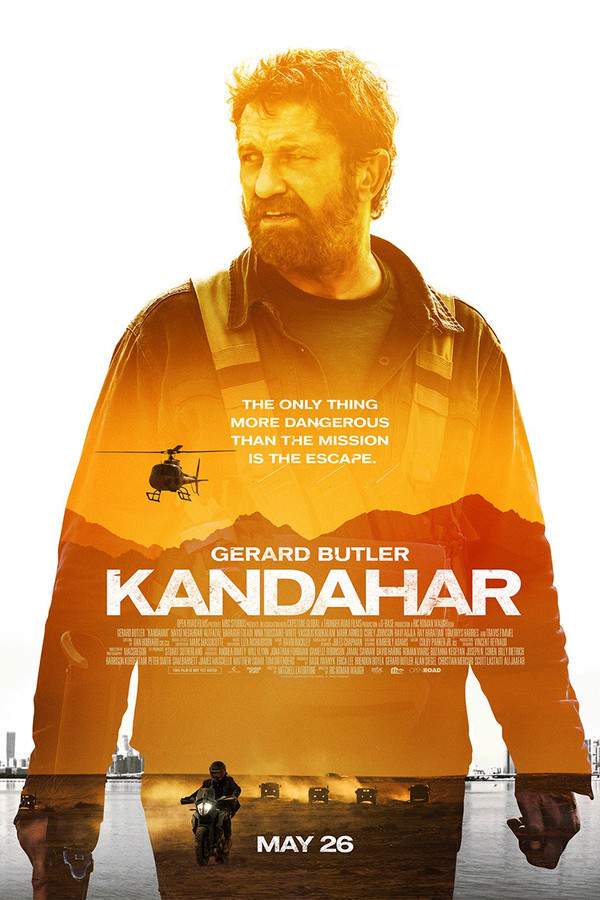
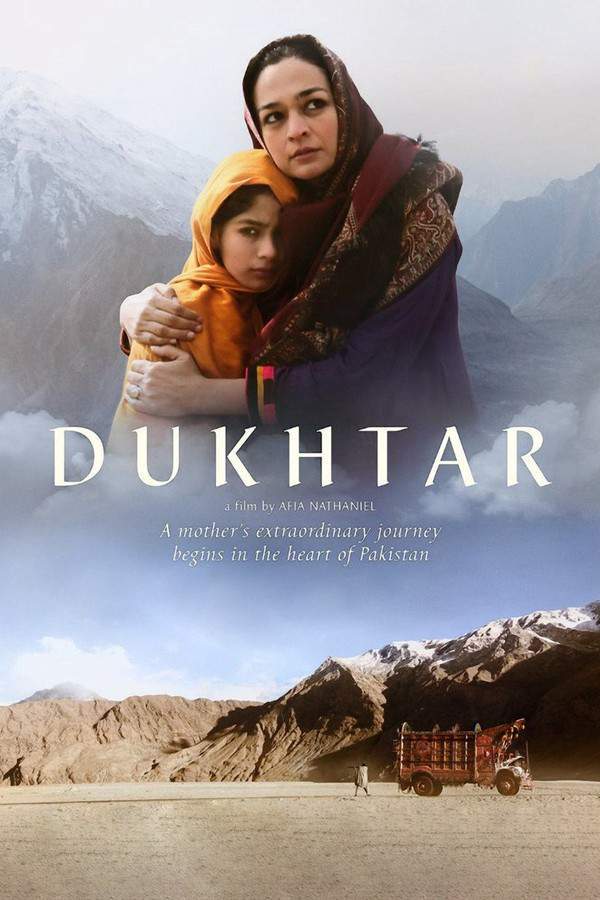

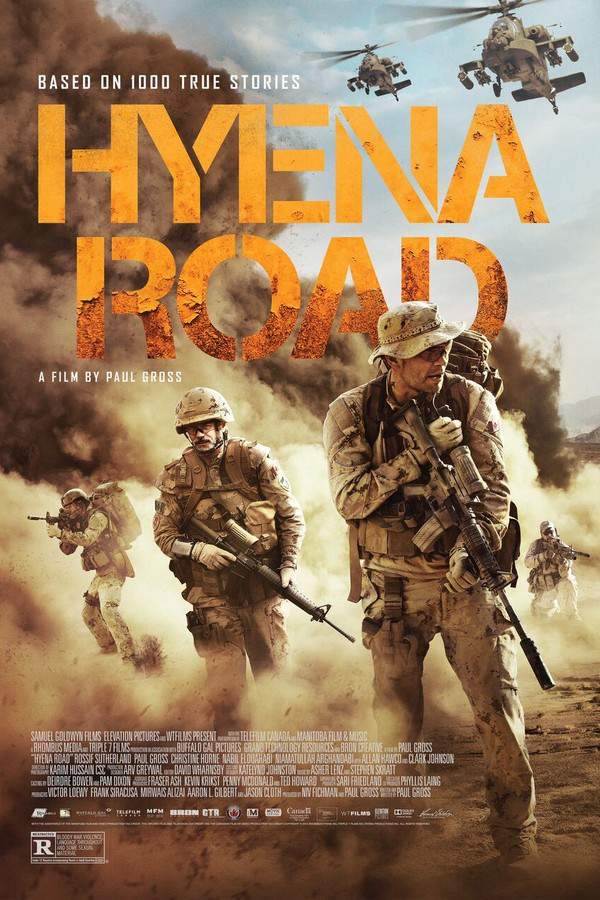


Featured on this page

What's After the Movie?
Not sure whether to stay after the credits? Find out!
Check out our other apps:

SAT Sphere
Build confidence for the Digital SAT.

Mori Atlas
Discover wild places worth protecting.

Luntero
Search smarter for a home in Amsterdam.

Plot Explained
Unravel movie endings and hidden clues.

Pokechamp
Dive into Pokémon data and battle logic.

Driving Theory
Get ready for your European theory test.

Movie Dust
Plan your next cinema trip with ease.

Musemap
Find art and culture as you travel.

Selkobase
Compare credentials before committing.

Local Manual
Turn an unfamiliar country into practical next steps.

Lernavi
Compare school systems before your next move.

GymRoam
Find a workout stop wherever your plans take you.
Explore Our Movie Platform
New Movie Releases (2026)
Famous Movie Actors
Top Film Production Studios
Movie Plot Summaries & Endings
Major Movie Awards & Winners
Best Concert Films & Music Documentaries
Movie Collections and Curated Lists
© 2026 What's After the Movie. All rights reserved.
Privacy Policy