

What Is Jumping Jacks About?
The premise of Jumping Jacks in 285 words, with nothing given away. The full story follows below.
In the glitzy world of nightclub entertainment, Hap Smith has carved out a niche performing comic soldier parodies, a routine that feels increasingly relevant after his former stage partner, Chick Allen, swaps the spotlight for military service. While Hap continues his act with a new partner, Betsy Carter, Chick has traded punchlines for paratrooper drills at Fort Benning. The separation marks a distinct shift in their lives, yet the bond between the two performers remains strong, setting the stage for an unusual reunion that neither the stage nor the army is prepared for.
Chick’s current assignment involves organizing a morale-boosting variety show, a task fraught with pressure; a stern general has made it clear that the program faces cancellation unless the quality of the entertainment drastically improves. Recognizing that standard military talent might not suffice, Chick calls upon Hap for help. The plan requires Hap to step far outside his comfort zone, sneaking onto the base by posing as a soldier to perform for the troops and their skeptical commanding officers.
The premise creates a delightful friction between the disciplined world of the army and the chaotic energy of a nightclub act. As Hap attempts to navigate the complexities of military protocol while maintaining his disguise, the situation becomes a breeding ground for misunderstandings. The base becomes a stage where the stakes are higher than bad reviews, and the success of the show hinges not just on talent, but on the duo’s ability to maintain a charade that grows more precarious by the minute. With a watchful sergeant and the rigors of base life closing in, Hap finds himself caught in a unique predicament where every step could lead to either applause or a court-martial.
What Happens in Jumping Jacks?
The complete story of Jumping Jacks, from the first scene to the last, in 195 words (about 1 minute). Spoilers throughout. Names in the text link to 4 cast member pages.
Spoilers ahead
United States Army Corporal Chick Allen is a paratrooper who helps organize a morale-boosting show with his unit. The general, unhappy with past performances, warns that the program will be scrapped unless quality improves, so Chick invites his former partner, Hap Smith, to help out.
Hap, who has continued their nightclub act with a new partner, Betsy Carter, poses as a soldier to perform for the general. The show wows the audience and the general is so impressed that he arranges for Hap and the troupe to tour other camps.
Fearing a court-martial, Chick and the rest pass Hap off as Private “Dogface” Dolan, while the real Dogface Dolan hides. Hap undergoes paratrooper training to keep up the ruse, and though he is accident-prone, his mishaps are seen as correct military conduct. The top sergeant Sergeant McClusky takes notice and praises him.
Hap longs for civilian life and makes several escape attempts, but Chick keeps stopping him. During one attempt, in a war maneuver, Hap accidentally destroys a key bridge and captures an enemy general. In the end, Hap’s civilian identity is revealed, but he is sworn in as a paratrooper and becomes a hero.
Jumping Jacks Timeline: Every Key Event in Order
12 key events in the order they happen, from “General demands better show quality” to “The show tours continue”. 12 events name a place, across 11 locations.
- 1
General demands better show quality
Chick Allen and his troop are preparing a paratrooper show. The general is unhappy with past performances and threatens to cut the unit if quality doesn't improve, prompting Chick to recruit his former partner Hap Smith for help.
When:World War II era Where:Military show rehearsals at a camp
- 2
Hap and Betsy plan a covert performance
Hap, aided by Betsy Carter, poses as a soldier to perform a single show with the general in the audience. The ruse aims to prove Hap's act can carry the whole show while bypassing conventional channels.
When:Shortly before the show Where:Camp stage / rehearsal hall
- 3
Show wins over the general; touring planned
The performance so impresses the general that he arranges for Hap and the troupe to tour other military camps. This creates momentum for a wider deployment of their act during the war.
When:Post-performance Where:Various military camps
- 4
Hap is passed off as Private Dogface Dolan
Fearing a court-martial for the ruse, Chick and the others pass Hap off as Private Dogface Dolan, while the real Dogface Dolan goes into hiding. The deception allows Hap to continue performing while staying inside the army system.
When:Immediately after the successful show Where:Army base
- 5
Hap undergoes paratrooper training
To maintain the disguise, Hap begins formal paratrooper training. Despite his accident-prone nature, his missteps are framed as correct military actions, earning him cautious praise from the top instructors.
When:During disguise period Where:Training grounds
- 6
Top sergeant praises Hap
The top sergeant takes notice of Hap’s behavior and praises him, treating his unconventional conduct as effective military procedure. This validation reinforces Hap’s new role in the unit.
When:Mid training phase Where:Training facility
- 7
Hap yearns for civilian life
Hap expresses a desire to return to civilian life and tries to slip away whenever possible. Chick continually stops him, maintaining the ruse and his cover as a paratrooper.
When:During ongoing training Where:Camp corridors
- 8
Bridge destroyed and enemy general captured
During one of Hap’s escape attempts amid a war maneuver, he accidentally destroys a key bridge and captures an enemy general. The feat is interpreted through the lens of his 'correct' military conduct.
When:During a training exercise Where:Front-line maneuver area
- 9
Hap's civilian status is revealed
Hap is ultimately exposed as a civilian, threatening the disguise that has sustained his role. The exposure forces a critical decision about his future in the unit.
When:Climax of the deception Where:Front-line area / training area
- 10
Hap is sworn in as a paratrooper
In a twist, Hap is sworn in as a paratrooper, legitimizing his service and transforming him from undercover performer to official military member. The ceremony marks a turning point for his character.
When:After exposure Where:Army base
- 11
Hap becomes a hero
With his new status, Hap is celebrated as a hero for his daring actions and the effective performance that impressed the general. The deception ultimately culminates in recognized bravery.
When:Post-ceremony Where:Base or camp
- 12
The show tours continue
The show continues to tour the camps, now with Hap officially integrated as a paratrooper and a celebrated performer. The military entertainment effort secures morale and demonstrates unconventional courage during the war.
When:Post-revelation Where:Various camps
Who Are the Main Characters in Jumping Jacks?
5 characters, among them Chick Allen (Dean Martin), Hap Smith (Jerry Lewis) and Betsy Carter (Mona Freeman): who each one is and the part they play in the story. Every profile links to the actor’s page.
-
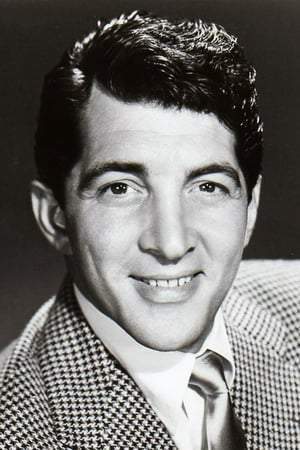
Chick Allen (Dean Martin)
Played by Dean Martin
A United States Army Corporal and paratrooper who organizes a morale-boosting show for the troops. He carefully manages the deception around Hap Smith to avoid discipline while keeping the act alive. He is pragmatic, loyal to his fellow soldiers, and willing to bend rules for the sake of the unit.
- 🎖️ Leader
- 🧭 Strategist
- 🎭 Showman
-
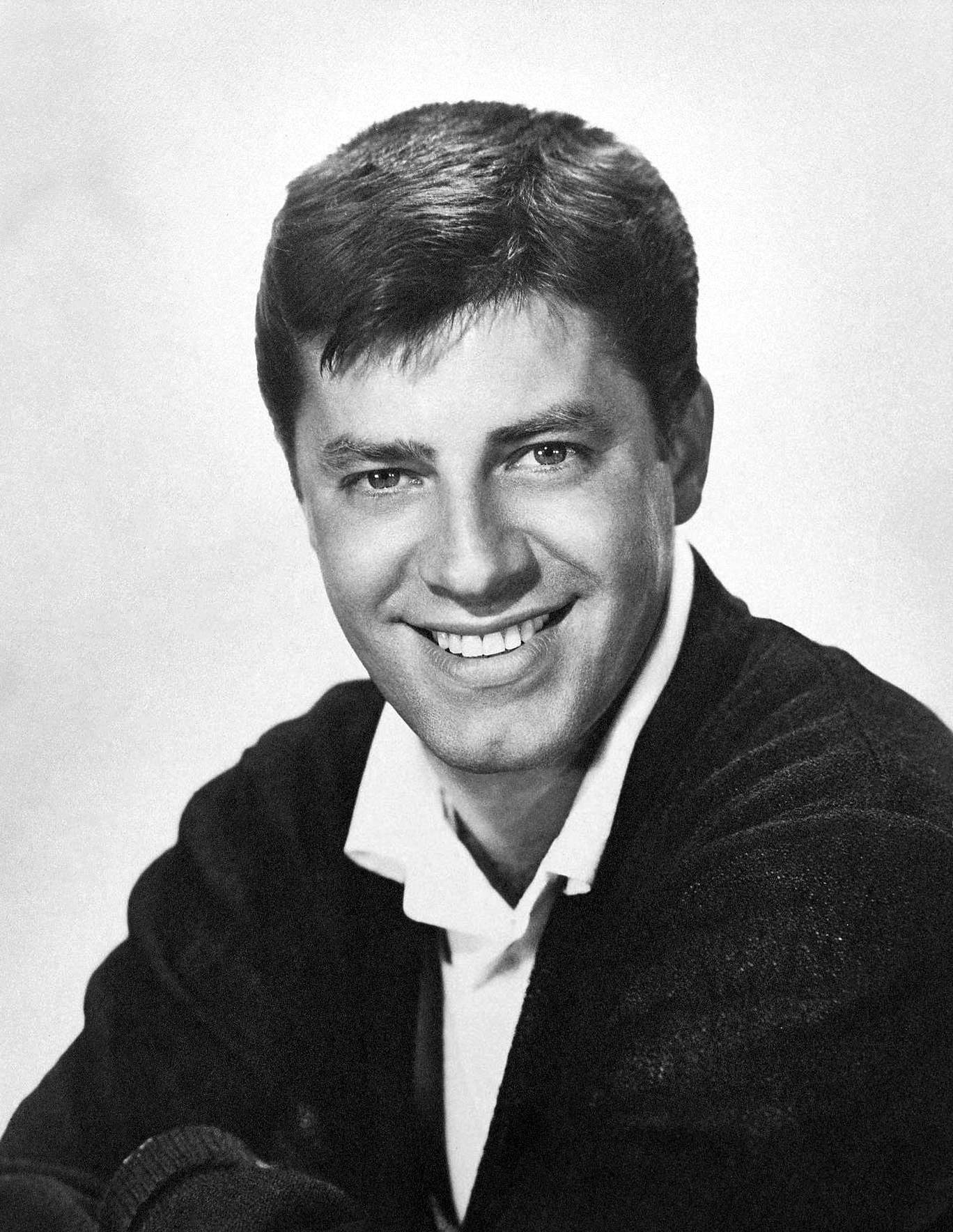
Hap Smith (Jerry Lewis)
Played by Jerry Lewis
A talented showman who masquerades as a soldier to perform with the unit. He is comically accident-prone, yet his antics unexpectedly align with military discipline and effectiveness. His desire to return to civilian life clashes with his growing commitment to the unit.
- 😂 Comedic
- 🧭 Resourceful
- 🎭 Performer
- BC
Betsy Carter (Mona Freeman)
Played by Mona Freeman
Hap’s new partner and fellow performer who joins the act to lift morale. She navigates the challenges of keeping the ruse intact while supporting the show’s success. Her role blends showmanship with wartime teamwork.
- 🎶 Entertainer
- 💃 Partner
- 🧠 Collaborator
- DD
Dogface Dolan (Richard Erdman)
Played by Richard Erdman
The real Dogface Dolan who must go into hiding as Hap pretends to be him. He becomes a symbol of the risk and complexity of maintaining the ruse within military life. His presence underscores how civilian identities can collide with military roles.
- 🐶 Persona
- 🪖 Alias
- 🗝️ Deception
- SM
Sergeant McClusky (Robert Strauss)
Played by Robert Strauss
The top sergeant who notices Hap’s conduct and praises him for displaying discipline and competence. He represents the authority that evaluates and, at times, endorses unconventional methods for unit morale.
- 🎖️ Authority
- 👮 Discipline
- 🗣️ Reviewer
Where and When Is Jumping Jacks Set?
Jumping Jacks is set in United States Army paratrooper training camps (World War II) (World War II era). Here is why the time and place matter to the story.
When
World War II era
The story is set during the height of World War II, when soldiers were stationed across bases to train and maintain spirits. The film emphasizes morale-boosting performances as a key aspect of wartime life. It highlights the tension between duty, danger, and the yearning for civilian life in a period of global conflict.
Where
United States Army paratrooper training camps (World War II)
The events unfold primarily inside U.S. Army training camps where paratroopers prepare for operations. The setting is busy with drills, rehearsals, and morale-boosting performances for troops. The atmosphere blends military discipline with the show's entertainment, turning the camp into a stage for both training and morale-boosting entertainment.
- 🪖 Military camps
- 🧭 Paratrooper training
- 🎖️ World War II era
What Are the Themes of Jumping Jacks?
3 ideas the story keeps returning to, among them Disguise, Morale and Heroism.
-
01
Disguise
Disguise drives the plot as Hap Smith poses as a soldier and private 'Dogface' Dolan to join the troupe. The deception is a clever tactic to boost morale and keep the performers active. It also raises the stakes, since exposure could lead to a court-martial or loss of trust within the unit. The theme shows how improvisation can serve duty in wartime.
-
02
Morale
Entertainment is used as a primary tool to lift spirits among troops. The performers’ act becomes a lifeline that keeps morale high even as the general worries about quality. Hap and Betsy’s performances reveal the power of art to sustain soldiers during hardship. The line between civilian entertainment and military duty blurs in service of the war effort.
-
03
Heroism
Hap’s accident-prone antics accidentally yield heroic outcomes, such as destroying a bridge and briefly capturing an enemy general. His actions, though rooted in showmanship, are framed as effective military conduct. Eventually he is exposed as a civilian but is sworn in as a paratrooper and celebrated as a hero. The theme reframes heroism as resourcefulness and dedication to the team.
What Kind of Film Is Jumping Jacks?
Light in tone, with fast pacing and a straightforward story, going by the plot summary.
- Tone
- Light
- Pacing
- Fast
- Story
- Straightforward
- Intensity
- Low
- Ending
- Happy
A fast-paced, slapstick comedy that feels like a chaotic and lighthearted romp through military life, where constant mix-ups and physical humor drive an energetic and silly atmosphere.
- slapstick
- chaotic
- lighthearted
- energetic
- silly
- playful
- military life
- impersonation
- misunderstandings
- friendship
Where to Watch Jumping Jacks
Rent or buy it from Amazon Video and Apple TV Store. US availability and prices from JustWatch.



Streaming availability in the US, powered by 


