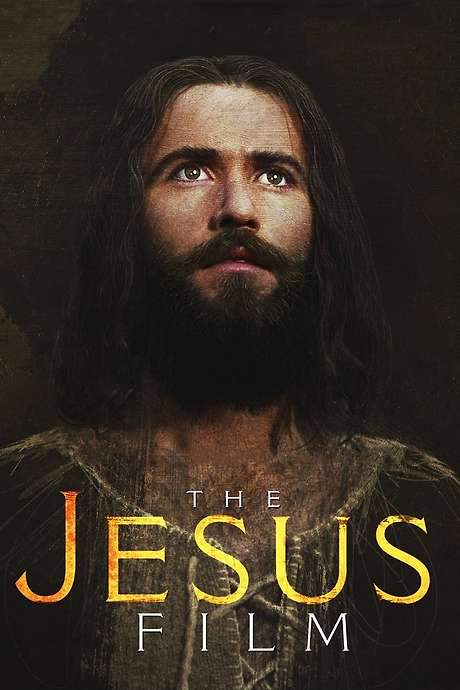
What Is Jesus About?
The premise of Jesus in 332 words, with nothing given away. The full story follows below.
In the waning days of the Roman Empire, the world of the film unfolds across bustling marketplaces, quiet desert stretches, and stone‑crowned cities that pulse with political tension and quiet devotion. The atmosphere is both grand and intimate, a sweeping historical canvas brushed with the soft light of everyday life—families huddling around hearths, pilgrims trudging toward holy sites, and the ordinary rhythm of a land waiting for change. The tone balances reverent awe with a grounded, almost tactile realism, inviting the audience to feel the weight of ancient customs while sensing the timeless undercurrents of hope.
At its heart is Jesus, a young carpenter’s son whose presence is felt long before he steps fully into the public eye. Guided by a quiet certainty and an inner compass that points toward something far beyond personal ambition, he moves through his world with a blend of humility and quiet authority. The film introduces his early life through the tender bond with Mary, whose quiet strength and devotion shape his understanding of love, and Joseph, whose steady patience provides a model of protectiveness and faith.
Surrounding him is a diverse and evolving circle of companions—John the Baptist whose prophetic voice foreshadows a larger story, the earnest fisherman Simon Peter, the thoughtful scholar Matthew, and the steadfast Mary Magdalene. Their relationships are sketched with nuance, hinting at loyalty, curiosity, and the magnetic pull of his message. Through quiet conversations, whispered teachings, and glimpses of extraordinary acts, the film suggests a philosophy that challenges conventions, embraces the marginalized, and paints a picture of a kingdom that exists within the hearts of those who listen.
The visual palette is warm and textured, evoking parchment and sunrise, while a subtle score weaves together ancient chants and contemporary resonance. Together, these elements create a mood of anticipation and wonder, encouraging viewers to contemplate a journey that is as much about inner transformation as it is about the outer world, and leaving them eager to discover the path that lies ahead.
What Happens in Jesus?
The complete story of Jesus, from the first scene to the last, in 980 words (about 4 minutes). Spoilers throughout.
Spoilers ahead
During the era of Emperor Augustus and King Herod the Great, Mary [Rivka Neuman] is visited by the angel Gabriel, who tells her that she will bear Jesus [Brian Deacon], the Son of God. This divine announcement sets into motion a series of events that weave together faith, family, and the shifting tides of a vast empire. Mary later journeys to visit Elizabeth, the mother of John the Baptist, who exults that Mary is blessed among women and that the child within her womb is blessed as well. The story then carries us to a Roman census that compels Mary and her husband to travel to Bethlehem, a small town that becomes the setting for a birth that believers will later regard as epochal—the birth of Jesus in a humble manger.
A week after the birth, Mary and Joseph bring Jesus to the Temple in Jerusalem, where Simeon greets him with a blessing, recognizing him as the Christ. The narrative then leaps forward to Jesus’ youth and his inquiry within his Father’s house when he is twelve, hinting at the deeper calling that will shape his life. As time passes, the landscape shifts under the reign of Tiberius, and Jesus’ public journey begins to take shape when John the Baptist [Eli Cohen] baptizes him in the Jordan River and the Holy Spirit descends upon him, signaling the start of a ministry that will attract followers and provoke opposition.
The arc follows a sequence of trials and triumphs. Jesus is tempted in the wilderness, resisting Satan’s temptations, and then travels to Capernaum where he calls Simon Peter [Niko Nitai], James, and John to join his fellowship after a miraculous catch of fish. From there, his healing and teaching begin to draw crowds and controversy alike. A woman’s act of forgiveness at the home of a Pharisee named Simon underscores the inclusive reach of his message, as he forgives sins and welcomes those who are often shunned by religious authorities.
As his mission grows, Jesus gathers a core group of disciples, including Matthew [Mosko Alkalai] and Judas Iscariot [Eli Danker], and he gathers women such as Mary Magdalene [Talia Shapira], Joanna, and Susanna into his circle of devoted followers. He teaches through memorable parables—the Pharisee and the tax collector, the Beatitudes, the Golden Rule, and the call to love one’s enemies—and he explains a radical message about mercy, justice, and the Kingdom of God. On the Sea of Galilee he calms storms and demonstrates authority over both nature and the spirits, and in Gerasa he liberates a man possessed by demons, sending the demons into a herd of swine.
Throughout these episodes, Jesus’ compassion reaches beyond the pious and the respectable; he embraces sinners, outcasts, and those marginalized by society. He befriends Zacchaeus [Ya’ackov Ben-Sira], the tax collector, and urges him to repair what he has wrongfully taken. He teaches the Parable of the Good Samaritan and welcomes children, telling his disciples not to hinder them from coming to him. He also confronts the commercial pressures in the Temple, driving out the merchants and money changers to assert a purer form of worship. The message confronts both religious leaders and Roman authorities, who see in him a figure capable of unsettling the social order.
As the ministry deepens, Jesus teaches about responsibility and loyalty, including the obligation to pay taxes to Caesar, and he speaks with authority about the righteousness that surpasses mere outward piety. He gathers a close cadre of apostles, including the fisherman Peter [Niko Nitai] and others, and he speaks in ways that draw crowds of devoted followers, among them Mary, who supports his work and witnesses his acts of healing and exorcism. The story traces how his fame grows and how he extends mercy to the marginalized, including the sick, the poor, and those labeled sinners.
The turning point arrives with the revelation of betrayal. In the Garden of Gethsemane, Judas Iscariot [Eli Danker] betrays him, and Jesus is arrested by Jewish authorities. Peter denies knowing him three times as prophesied, and the subsequent trial before religious leaders culminates with Pilate’s involvement. Pontius Pilate [Peter Frye] questions Jesus, ultimately sending him to Herod Antipas [Richard Peterson], who also fails to find a basis for condemnation. Despite Pilate’s initial exoneration, the crowd and the authorities press for Jesus’ death, and he is scourged and forced to bear his cross through the streets. Simon of Cyrene [Moti Baharav] is compelled to help carry the cross when Jesus collapses from exhaustion.
At Golgotha, Jesus is crucified beside two criminals. By noon, darkness falls over the land, and the Temple veil is torn in two, symbolizing a profound moment of spiritual significance. Joseph of Arimathea buries Jesus in a tomb, and on the third day the narrative reaches its climactic hinge—the resurrection, a restoration of life that affirms the divine purpose at the heart of the story. Before ascending to heaven, Jesus commissions his disciples to go and make followers of all nations, declaring that all power and authority have been given to him.
As the gospel account concludes, the threads of prophecy, faith, and humanity intertwine in a narrative that remains both intimate and expansive. It traces not merely a sequence of miracles and teachings but a transformative journey from annunciation to ascension, inviting viewers to reflect on conscience, community, and the enduring possibility of renewal. The film traverses sacred sites and pivotal moments—birth, baptism, temptation, ministry, betrayal, trial, crucifixion, and resurrection—while presenting a portrait of Jesus and his companions that emphasizes compassion, justice, and a call to live with purpose. The characters who accompany him—each vividly drawn through their actions and choices—shape a story that endures in memory and in the imagination of generations.
Note: Figure references to the cast are included as links to the respective actors’ pages on this site when introducing their characters for the first time.
Jesus Timeline: Every Key Event in Order
15 key events in the order they happen, from “Annunciation: Gabriel visits Mary” to “Crucifixion, Resurrection, and Ascension”. 15 events name a place, across 15 locations.
- 1
Annunciation: Gabriel visits Mary
In Nazareth, the angel Gabriel appears to Mary and tells her she will conceive a son who will be called the Son of God. He explains that Jesus will be great and will rule over an eternal kingdom. Mary humbly accepts God's plan and agrees to become the mother of Christ.
When:Annunciation Where:Nazareth
- 2
Mary's visit to Elizabeth
Mary travels to the hill country to visit Elizabeth, her relative. When Elizabeth hears Mary's greeting, the baby (John) leaps in her womb and she is filled with the Holy Spirit. Elizabeth proclaims Mary blessed and foretells the great child she carries.
Where:Elizabeth's home
- 3
Census leads to Bethlehem and birth of Jesus
A Roman census compels Mary and Joseph to travel to Bethlehem, where Jesus is born in a manger. The humble birth fulfills prophecies and draws shepherds to the scene. The infancy sets the stage for Jesus' early life and mission.
When:Birth Where:Bethlehem
- 4
Presentation at the Temple
A week after his birth, Mary and Joseph bring Jesus to the Temple in Jerusalem to present him to the Lord. Simeon blesses Jesus and prophesies about his mission, and Anna the prophetess praises God. The event confirms Jesus' divine purpose in the eyes of faithful witnesses.
When:First weeks after birth Where:Temple in Jerusalem
- 5
Twelve-year-old Jesus in Jerusalem during Passover
At age twelve, Jesus stays behind in Jerusalem during a Passover visit, causing his parents to search for him. He speaks with the teachers in the Temple, astonishing them with his understanding. When found, he reminds them that he must be in his Father's house.
When:Age 12 Where:Jerusalem
- 6
Baptism of Jesus in the Jordan
Years later, Jesus is baptized by John in the Jordan River as he begins his public ministry. The Holy Spirit descends on him like a dove, and a voice from heaven proclaims Jesus as God's Son. This moment marks the official start of Jesus' earthly mission.
When:During reign of Tiberius Where:Jordan River
- 7
Temptation in the wilderness
Immediately after his baptism, Jesus is led into the wilderness to be tempted by Satan. He resists every temptation and stands firm in obedience to God. The experience strengthens his resolve to preach the Kingdom.
When:Post-baptism Where:Wilderness
- 8
Calling Peter, James, and John; first disciples
While by the Sea of Galilee, Jesus calls Peter, James, and John to follow him, promising to make them fishers of people. They immediately leave their nets and begin accompanying him in his ministry. This recruitment marks the formation of his early core group.
When:Early ministry Where:Sea of Galilee
- 9
Jesus gathers the apostles and followers
Jesus gathers the twelve apostles, including Matthew and Judas, and his circle includes women who support his mission. Their presence helps spread his teachings and serves as witnesses to his miracles. The ministry expands beyond a small group to a broader movement.
When:Early ministry Where:Galilee
- 10
Miracles and teachings begin
Jesus teaches with parables and performs miracles that reveal God's mercy. A sinful woman is forgiven in the house of a Pharisee, he calms a storm on the sea, and he feeds five thousand with five loaves and two fish. These events illustrate the paradox of divine power working through humble means.
When:During ministry Where:Sea of Galilee / Bethsaida
Show the other 5 events of Jesus Hide the last 5 events
- 11
Transfiguration on the mountain
Jesus takes Peter, James, and John up a mountain where he is transfigured before them. Moses and Elijah appear, and a voice from the cloud proclaims Jesus as God's beloved Son. The disciples are strengthened for the trials ahead by this glimpse of his divine glory.
When:During ministry Where:Mount
- 12
Temple cleansing and major parables
Jesus travels to Jerusalem and drives merchants out of the Temple, signaling a clash with religious authorities. He teaches parables such as the Good Samaritan and the Parable of the Tenants, and discusses paying taxes to Caesar. These actions deepen the conflict with the religious leaders and foreshadow his betrayal.
When:During ministry Where:Jerusalem Temple
- 13
Last Supper and betrayal foretold
In the Upper Room, Jesus shares the Last Supper with his disciples and warns them of an impending betrayal. He identifies Judas as the betrayer and institutes the Eucharist as a sign of his new covenant. The mood shifts from fellowship to foreboding.
When:Evening before crucifixion Where:Upper Room in Jerusalem
- 14
Garden of Gethsemane, arrest, and Peter's denial
Judas leads soldiers to the garden where Jesus prays; he is betrayed and arrested. Peter denies knowing Jesus three times as the rooster crows. The disciples scatter, and Jesus faces his trial with resolve.
When:Night of arrest Where:Garden of Gethsemane
- 15
Crucifixion, Resurrection, and Ascension
Jesus is condemned and crucified at Golgotha, dying around noon as darkness covers the land. He is buried in a tomb, but on the third day he rises from the dead and appears to his followers. Before ascending to Heaven, he commissions the disciples to go and make disciples of all nations.
When:Crucifixion and Resurrection Where:Golgotha
Who Are the Main Characters in Jesus?
9 characters, among them Jesus (Brian Deacon), Judas Iscariot (Eli Danker) and Mary (Rivka Neuman): who each one is and the part they play in the story. Every profile links to the actor’s page.
- J(
Jesus (Brian Deacon)
Played by Brian Deacon
The central figure whose teachings, mercy, and miracles drive the story. He gathers followers, forgives sins, and challenges religious authorities, culminating in events that define the mission and its impact on humanity.
- 🙏 Prophet
- ✨ Healer
- 🕊️ Messiah
- JI
Judas Iscariot (Eli Danker)
Played by Eli Danker
One of Jesus's disciples whose choices catalyze the betrayal that leads to his arrest. His actions examine loyalty, ambition, and the consequences of trust broken within a close community.
- 🪙 Betrayal
- 🎭 Disciple
- M(
Mary (Rivka Neuman)
Played by Rivka Neuman
Mother of Jesus, whose faith underpins early events and provides a lens of devotion to divine purpose. Her presence anchors awe, hope, and obedience within the narrative.
- 🕊️ Mother
- 🙏 Faith
- SP
Simon Peter (Niko Nitai)
Played by Niko Nitai
A fisherman who becomes a leading disciple, embodying loyalty, doubt, and growth in the face of Jesus's mission. His journey mirrors the formation of the early community of followers.
- 🐟 Fisherman
- 🧭 Disciple
- JT
John the Baptist (Eli Cohen)
Played by Eli Cohen
Prophetic precursor who baptizes Jesus and proclaims the nearness of the Messiah. He anchors the transition from prophecy to the public ministry of Jesus.
- 🕊️ Prophet
- 🧭 Baptizer
- PP
Pontius Pilate (Peter Frye)
Played by Peter Frye
Roman governor who negotiates between authority figures and the crowd. His decisions in the trial scene reveal the tension between political duty and spiritual claims.
- 🏛️ Governor
- ⚖️ Authority
- MM
Mary Magdalene (Talia Shapira)
Played by Talia Shapira
A devoted follower who witnesses key miracles and the Resurrection, symbolizing steadfast faith and the inclusive reach of Jesus's message.
- 🌹 Follower
- 🕊️ Witness
- Z(
Zacchaeus (Ya'ackov Ben-Sira)
Played by Ya'ackov Ben-Sira
A tax collector who experiences repentance after encountering Jesus, illustrating transformation and restitution across social boundaries.
- 💰 Repentance
- 🏷️ Tax collector
- J(
Jairus (Nachum Shalit)
Played by Nachum Shalit
Ruler of the synagogue whose daughter is healed by Jesus, highlighting faith and the compassionate reach of his miracles.
- 🕍 Faith
- 🏥 Healing
Where and When Is Jesus Set?
Jesus is set in Bethlehem, Jerusalem, Jordan River, Sea of Galilee, Capernaum, Bethsaida… (1st century CE). Here is why the time and place matter to the story.
When
1st century CE
Set during Roman rule in Judea, spanning the era of Herod the Great and Augustus at Jesus's birth, through the ministry under Tiberius. The events cover the Nativity, early childhood, baptism, miracles, and the crucifixion and resurrection. The period is defined by imperial governance, Jewish religious leadership, and the social tensions of that era.
Where
Bethlehem, Jerusalem, Jordan River, Sea of Galilee, Capernaum, Bethsaida, Gadara (Gerasa), Golgotha, Temple in Jerusalem
The narrative unfolds across key sites of ancient Judea. Bethlehem marks the birth of Jesus, while Jerusalem hosts central temple-related events and the Passover journey. The Jordan River and Sea of Galilee serve as settings for baptisms and miracles, with towns like Capernaum and Bethsaida anchoring Jesus's ministry. Golgotha frames the crucifixion, and the Temple in Jerusalem provides the backdrop for clashes with religious authorities.
- 🕍 Bethlehem
- 🗺️ Jerusalem
- 🌊 Jordan River
- 🗺️ Sea of Galilee
- 🕍 Temple in Jerusalem
What Are the Themes of Jesus?
4 ideas the story keeps returning to, among them Compassion, Betrayal and Miracles.
-
01
Compassion
Compassion drives Jesus's interactions with sinners, outcasts, and the sick. The narrative highlights mercy over judgment and forgiveness over condemnation. Through acts of healing and inclusion, the film emphasizes a transformative, empathetic approach to humanity.
-
02
Betrayal
Betrayal centers on Judas and the pressures surrounding Jesus's arrest. The story explores loyalty, motive, and the fragility of trust within close circles. The betrayal culminates in events that lead to crucifixion and test the disciples' faith.
-
03
Miracles
Miracles punctuate the narrative as signs of divine authority and compassion. Jesus calms storms, feeds multitudes, exorcises demons, and heals the sick, reinforcing his role as a messenger of God. These wonders shape faith and challenge expectations of the era.
-
04
Authority
Authority is contested across religious, political, and social lines. Jesus confronts temple corruption and interprets sacred law in new terms, challenging established power structures. Encounters with Pilate and Pharisees reveal conflicts over legitimacy and governance.
What Kind of Film Is Jesus?
Hopeful in tone, with steady pacing and a straightforward story, going by the plot summary.
- Tone
- Hopeful
- Pacing
- Steady
- Story
- Straightforward
- Intensity
- High
- Ending
- Happy
A reverent and epic biblical drama that steadily recounts the life of Jesus, blending tragic sacrifice with profound spiritual hope and culminating in a resolutely uplifting resurrection.
- reverent
- compassionate
- epic
- tragic
- faith-affirming
- solemn
- religious faith
- prophecy
- sacrifice
- redemption
Content notes: crucifixion, whipping, religious persecution, betrayal.
Quiz
How well do you remember Jesus? Test yourself on the story.