
It’s a Big Country 1951

Directed by
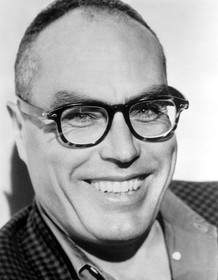
John Sturges
Made by

Metro-Goldwyn-Mayer
It’s a Big Country Plot Summary
Read the complete plot summary and ending explained for It’s a Big Country (1951). From turning points to emotional moments, uncover what really happened and why it matters.
Eight short, interwoven vignettes form a patient, observant survey of American life, each guided by a distinct director and designed to probe how people think about identity, memory, and the myths that shape a nation. The pieces move from train cars to the White House, from immigrant kitchens to war memories, stitching together personal moments with broader social questions. Across these eight micro-stories, humor, tenderness, and quiet astonishment carry the day as ordinary people wrestle with big ideas.
In the first segment, Interruptions, Interruptions, William Powell portrays a traveling professor who is pressed on a train about whether he loves “America.” He answers with measured nuance, inviting his interlocutor to consider the many facets that go into loving a country—from history and geography to individual experience. The dining car becomes a small stage for a wider debate, as an older woman’s praise of the country invites a further, sharper question. > Which America? The exchange is brief, but it unfolds a larger question about how national identity is imagined from different life vantage points.
The second piece, The Lady and the Census Taker, follows elderly Mrs. Brian Patrick Riordan as she bristles at being left out of the 1950 census. In Boston, she appeals to Callaghan, a newspaper editor who sees an opportunity to stir the pot. He recruits Michael Fisher to pose as a census taker and interview Riordan, a ruse that Riordan quickly discerns as part of the press shuffle. The editor, undeterred, rings every government office up to the White House in a bid to force action. A census taker finally arrives, and Riordan insists on seeing proper identification, turning this moment into a small battleground over recognition and bureaucratic reach.
In The Negro Story, a brief, spoken-narrative documentary, the film surveys Black achievement and service across decades. Though the director is not credited, the segment traces a throughline of contribution: Black Americans in the Navy and as midshipmen, WACs, paratroopers, and leaders who break barriers in London and at home. The montage honors figures in sports, music, and cinema, then shifts to public service—judges, doctors, lawmakers, architects—before closing with portraits of Carver and Booker T. Washington. It’s a compact history lesson framed as a living argument about belonging, dignity, and the ongoing task of national memory. (No actor links are added here since these are historical portraits rather than the cast’s on-screen roles.)
Rosika the Rose centers on Stefan Szabo, a paprika purveyor who teases apart decades of Hungarian-Greek tensions. Szabo’s daughter Rosa Szabo Xenophon secretly loves Icarus Xenophon, a Greek, and the family secret comes to light amid a collision of cultures. As Icarus offers Szabo a consoling cup of coffee, Szabo rejects the idea of “Greek coffee.” The moment is loaded with cultural pride and old grudges, until Icarus reveals a can of Washington Post coffee bearing George Washington’s image, a symbol meant to bridge divides with a shared American icon.
Letter from Korea follows Maxie Klein, a young Jewish soldier wounded in the Korean War, on his way home. He seeks out the now-widowed mother of a fallen comrade, whose son’s letters told a story she never heard directly from him. The mother is cautious at first, wary that the boy never named a visitor, yet she softens when she recognizes Maxie as the “JoJo” behind those letters. He reads her a letter from her son, and she asks for the boy’s address so she can reach out to his mother—an intimate exchange that turns wartime loss into a fragile, continuing bond.
Texas looks at tall, direct myth versus lived reality. A single, towering Texan moves to separate myth from fact, testing the comforting stories people tell about a place and its people. The piece invites us to weigh what we’ve been taught against the texture of everyday life out on the plains, in towns, and along the highways that tie the state to the broader nation.
Minister in Washington follows Rev. Adam Burch, a summer preacher in 1944 Washington, D.C. His sermons are unmistakably crafted for the President, who cannot attend in person. When a sexton accuses him of preaching to a lone listener, Burch responds with humility, acknowledging a broader audience and a broader duty. The President—quietly present in the scene—offers his quiet acknowledgement when Burch finally broadens his focus, illustrating how faith and leadership intersect in a moment of national uncertainty.
Four Eyes centers on Miss Coleman, a San Francisco schoolteacher, who discovers that her pupil Joey truly needs glasses. Joey’s father, Joe Esposito, resists the idea that his son should wear them, fearing ridicule from peers. The tension between parental protection and practical need drives a small drama about responsibility, perception, and the right to see clearly—literally and metaphorically. The dynamic is then reframed by the mother, Mama Esposito, whose concern for her child’s future counters the father’s insistence on practical jokes and pride. In the end, the stakes are moral as much as visual, underscoring how ordinary decisions shape a child’s life.
Across these interlocking vignettes, the cast’s faces anchor moments of national reflection. The recurring threads of loyalty, memory, and the fragile balance between myth and reality invite viewers to consider how a country negotiates its ideals with the demands of daily life. The stories mix humor with tenderness, bold questions with quiet acceptance, and personal stories with larger civic questions, offering a textured study of American identity through the lens of ordinary people navigating extraordinary times.
Note: where characters are named, their corresponding actors from the cast appear in parentheses as the primary screen link for the first mention:
- Texas, Gary Cooper
- Professor, William Powell
- Mrs. Brian Patrick Riordan, Ethel Barrymore
- Mr. Patrick Callaghan, George Murphy
- Michael Fisher, Keenan Wynn
- Rosa Szabo Xenophon, Janet Leigh
- Stefan Szabo, S.Z. Sakall
- Icarus Xenophon, Gene Kelly
- Joe Esposito, Fredric March
- Mama Esposito, Angela Clarke
- Maxie Klein, Keefe Brasselle
- Rev. Adam Burch, Van Johnson
- Miss Coleman, Nancy Reagan
If you’d like, I can tailor this further to emphasize a specific episode, tighten the tone for shorter form entries, or adjust the balance of quotes and descriptive prose.
It’s a Big Country Timeline
Follow the complete movie timeline of It’s a Big Country (1951) with every major event in chronological order. Great for understanding complex plots and story progression.
On the train: a professor faces the question of America
On a moving train, a tired professor is pressed by a talkative passenger who asks whether he loves America. The professor responds by asking which America, turning the question into a broader explanation of the nation's facets. The exchange establishes a recurring theme about national identity and conflicting visions that threads through the episode.
Dining car conversation on which America
During a conversation in the dining car, an older woman comments on how wonderful America is, provoking the passenger to ask again which America. The moment sharpens the film's meditation on different national identities. It hints at how everyday patriotism can be both comforting and controversial.
Mrs. Riordan seeks census help in Boston
Mrs. Brian Riordan, an elderly Irish immigrant in Boston, seeks help counting her in the census and visits editor Callaghan to intervene. Callaghan devises a plan by sending a reporter to interview her under the pretense of a census taker. The scene shows the lengths people go to be recognized by the government and by the media.
Callaghan escalates pressure; census taker arrives
Callaghan escalates by making frantic calls to government offices, reaching up to the White House in an effort to correct the census count. A census taker finally arrives, and Riordan insists on seeing his identification to verify legitimacy. The sequence creates tension between bureaucratic power, personal dignity, and press pressure.
The Negro Story – Black service montage (Part 1)
The Negro Story montage highlights Black Americans' contributions, beginning with military service in the Navy and a Black midshipman becoming an ensign at Annapolis. It then moves through scenes of Black sailors, WACs, and paratroopers, illustrating achievement in the face of prejudice. The montage interweaves sport legends and famous performers who helped reshape public perception.
The Negro Story – entertainers and public service (Part 2)
Continuing the montage, the film presents entertainers such as Marian Anderson, Lena Horne, Duke Ellington, and other prominent Black figures. It also spotlights public servants—judges, scientists, educators, and politicians—who contributed to public life. The sequence links cultural achievement with a broader fight for civil rights.
Rosika the Rose – Rosa's secret love and marriage
Rosa Szabo secretly marries Greek Icarus Xenophon, challenging her Hungarian father's expectations. The revelation triggers cultural tension as Szabo confronts the consequences of the union. When the moment of truth arrives, Icarus offers a consoling cup of coffee to Szabo, who rejects Greek coffee.
Rosika the Rose – coffee symbolism
Icarus presents a can of Washington Post coffee, featuring Washington's image, as a provocative symbol amid the family drama. The gesture juxtaposes national iconography with personal and ethnic loyalties, underscoring tensions between tradition and modernity. The scene uses a mundane product to probe identity and belonging.
Maxie Klein returns home; meeting the widow
Maxie Klein, a young Jewish soldier wounded in the Korean War, is traveling home and seeks out the widow of a fallen comrade. She is wary at first because her son did not mention a friend named Maxie, but she softens when she learns he is JoJo's friend and wants to write to her. He reads her a letter from her son and asks for her address so he can reach out.
Texas – debunking the myths
A tall Texan takes it upon himself to separate fact from myth, challenging common stereotypes about his state. He confronts exaggerated tall-tale traditions and offers a grounded, personal perspective on Texas life.
Minister in Washington – sermons for the President
Adam Burch, a summer minister in 1944 Washington, D.C., tailors his sermons to speak to the President, who cannot attend. After a few weeks, the sexton tells him that he's failing by ministering to only one person, prompting a shift toward broader outreach. The President, quietly listening, congratulates him on his efforts.
Four Eyes – glasses and the lesson
Miss Coleman, a San Francisco schoolteacher, discovers that her pupil Joey needs glasses, but Joey's father Esposito believes they are unnecessary and fear ridicule. The conflict highlights the dangers of denying children's needs and the consequences of parental pride. In the end, the father learns the importance of vision and support.
It’s a Big Country Characters
Explore all characters from It’s a Big Country (1951). Get detailed profiles with their roles, arcs, and key relationships explained.
Professor (William Powell)
A weary, contemplative academic on the train who introduces the conversation about America’s many facets. He articulates nuanced views on national identity, prompting viewers to consider how culture, history, and politics shape a shared sense of country.
Rosa Szabo Xenophon (Janet Leigh)
Hungarian immigrant Rosa secretly marries Icarus Xenophon, challenging family expectations and traditional boundaries. Her romance highlights cross-cultural connections and the pull between homeland loyalties and new life abroad.
Icarus Xenophon (Gene Kelly)
A Greek lover whose relationship with Rosa tests inter-cultural boundaries. His presence embodies cross-cultural curiosity and the possibility of unity through personal connection.
Stefan Szabo (S.Z. Sakall)
Paprika seller and patriarch who represents old-world loyalties and familial tension. He embodies generational conflict and the resistance to change within immigrant families.
Michael Fisher (Keenan Wynn)
A reporter who goes undercover as a census taker, using journalism to probe social issues. His actions reflect media’s role in democracy and the tension between performative appearance and truth.
Mrs. Brian Riordan (Ethel Barrymore)
An elderly Irish immigrant in Boston who fights to be counted in the census, highlighting dignity, perseverance, and the practical needs of older generations.
Rev. Adam Burch (Van Johnson)
A summer minister whose sermons are tailored for high-profile audiences, including the President. His arc explores faith, public responsibility, and the balance between spiritual guidance and political engagement.
Miss Coleman (Nancy Reagan)
A schoolteacher who discovers her pupil Joey needs glasses, ultimately learning to advocate for his education and inclusion. Her character emphasizes care, responsibility, and the quiet power of teachers.
Joe Esposito (Fredric March)
A central figure in the episode surrounding immigrant and civic life, whose actions intersect with community concerns and family ties.
Joseph Esposito (Robert Hyatt)
Another Esposito family member whose presence complements the immigration narrative and the everyday roles people play within a changing society.
Mr. Patrick Callaghan (George Murphy)
Newspaper editor who orchestrates intervention up to the White House, illustrating media influence and political engagement in civic life.
Sgt. Maxie Klein (Keefe Brasselle)
A wounded Korean War soldier whose letters and connections reveal themes of memory, sacrifice, and the human cost of conflict.
Concetta Esposito (Dolly Arriaga)
A member of the Esposito circle who appears in the immigrant narrative, illustrating family ties and personal courage within a diverse community.
Diner on Train (Elisabeth Risdon)
A small but memorable background character who contributes to the train-meets-nation mood of the film’s episodic structure.
Census Bureau Supervisor (Fred Santley)
A minor yet pivotal official who embodies the bureaucratic machinery of the census and its impact on ordinary people's lives.
Proprietor of Inn (A. Cameron Grant)
An uncredited inn proprietor who represents ordinary American hospitality and a microcosm of small-town life within the bigger national tapestry.
Soda Jerk (Benny Burt)
A minor character who provides everyday life texture and a sense of mid-century American service culture inside public spaces.
It’s a Big Country Settings
Learn where and when It’s a Big Country (1951) takes place. Explore the film’s settings, era, and how they shape the narrative.
Time period
Mid-20th century (1940s–1950s)
The episodes span wartime and postwar America, reflecting a period of social change and national reflection. References range from 1944 Washington on the home-front, through the 1950 census, to the Korean War era. The film captures the tension between old-world identities and new-world realities as the nation navigates immigration, civil rights, and daily life in a rapidly evolving society.
Location
Train, Boston, London, San Francisco, Washington, D.C., Texas
The film unfolds across a cross-section of locations that mirror a nation in motion: a traveling train, Boston’s immigrant milieu, San Francisco classrooms, and the political hub of Washington, D.C. with a stops in Texas and even brief London interludes. These diverse settings underscore America’s broad geographic and cultural landscape during the mid-20th century. The ensemble still threads a common American experience through dialogue, encounters, and shared concerns about belonging.
It’s a Big Country Themes
Discover the main themes in It’s a Big Country (1951). Analyze the deeper meanings, emotional layers, and social commentary behind the film.
🗽
American Identity
The film surveys what it means to be American through a mosaic of characters from different backgrounds. Immigrants, veterans, and everyday citizens confront questions of belonging, loyalty, and aspiration. Across episodes, the idea of a shared American identity is tested and reaffirmed in moments of humor, struggle, and solidarity. The tone suggests a nation defined by plurality as much as by common values.
🗂️
Census & Citizenship
Episode 2 centres on a census dispute that becomes a proxy for who is counted as American. The panic, persistence, and bureaucratic obstacles highlight themes of recognition, representation, and the meaning of citizenship. The film uses this plot device to comment on democracy in action and the real lives behind official tallies. It also echoes the tension between individual rights and national processes.
✊
Civil Rights & Representation
Episode 3 presents a rapid montage of Black Americans in service, sports, and culture, foregrounding contributions often overlooked. The sequence situates civil rights within wartime and postwar progress, illustrating both progress and ongoing inequality. By juxtaposing figures from the military, judiciary, and arts, the film foregrounds the fight for equal recognition. It portrays representation as both a public achievement and a personal struggle.
🎖️
War & Postwar
The Korean War-era thread and wartime references in Washington reveal how conflict reshapes personal lives and national identity. Veterans, families, and communities confront the costs of war while also pursuing renewal and hope. The episodes blend nostalgia with critique, showing how memory and service influence postwar American life. The narrative treats war as a catalyst for social change rather than just a backdrop.
🌍
Immigrant & Diaspora
Across Szabo and Xenophon storylines, immigrant diplomacy and cultural blending are central. The interactions between Hungarians, Greeks, and other groups illuminate cross-cultural romance, family loyalty, and the negotiation of tradition with modern American life. The film uses these micro-dramas to broaden the portrait of the American experience beyond a single ethnicity. It presents immigration as a dynamic force shaping communities and identities.

Coming soon on iOS and Android
The Plot Explained Mobile App
From blockbusters to hidden gems — dive into movie stories anytime, anywhere. Save your favorites, discover plots faster, and never miss a twist again.
Sign up to be the first to know when we launch. Your email stays private — always.
Explore the mobile appIt’s a Big Country Spoiler-Free Summary
Discover the spoiler-free summary of It’s a Big Country (1951). Get a concise overview without any spoilers.
It’s a Big Country unfolds as an eight‑part anthology that treats the United States itself as a sprawling stage. The film opens with a genteel lecture delivered by Professor (William Powell), whose musings become the thread that ties together a series of seemingly unrelated vignettes. Narrated in a warm, measured voice by Louis Calhern, the structure invites the audience to wander through train cars, kitchen tables, and quiet towns, each segment offering a different perspective on what it means to belong to a vast, varied nation.
The tone balances light‑hearted entertainment with a subtle undercurrent of mid‑century American propaganda, reflecting the optimism and self‑examination of the era. Directors, writers, and stars from the MGM stable each bring their own stylistic signature, blending humor, tenderness, and quiet astonishment. The film’s visual palette shifts from the intimate glow of a Boston living room to the expansive horizons of the Southwest, while a lively musical score underscores the collage‑like quality of the storytelling.
Within this mosaic, several characters serve as focal points for the broader inquiry. Mrs. Brian Patrick Riordan (Ethel Barrymore) embodies the everyday citizen demanding acknowledgment; Stefan Szabo (S.Z. Sakall) and his lover Icarus Xenophon (Gene Kelly) navigate cultural heritage through a simple cup of coffee; Maxie Klein (Keefe Brasselle) offers a glimpse of wartime reflection; Rev. Adam Burch (Van Johnson) brings a minister’s perspective to the Capitol’s corridors; Miss Coleman (Nancy Reagan) watches over a classroom’s quiet drama; and the towering presence of Gary Cooper in the Texas segment looms as a living counterpoint to mythic legend. Each figure is introduced not as a plot engine but as a lens through which the film illuminates the larger tapestry of American life.
The result is a richly textured portrait that feels both documentary and drama, inviting viewers to contemplate identity, memory, and the myths that shape a nation without ever prescribing a single answer. Its blend of wit, pathos, and earnest curiosity makes the film a timeless meditation on the ever‑evolving story of a “big country.”
Movies with Similar Twists and Themes
Uncover films that echo the narrative beats, emotional arcs, or dramatic twists of the one you're exploring. These recommendations are handpicked based on story depth, thematic resonance, and spoiler-worthy moments — perfect for fans who crave more of the same intrigue.


Featured on this page

What's After the Movie?
Not sure whether to stay after the credits? Find out!
Check out our other apps:

SAT Sphere
Build confidence for the Digital SAT.

Mori Atlas
Discover wild places worth protecting.

Luntero
Search smarter for a home in Amsterdam.

Plot Explained
Unravel movie endings and hidden clues.

Pokechamp
Dive into Pokémon data and battle logic.

Driving Theory
Get ready for your European theory test.

Movie Dust
Plan your next cinema trip with ease.

Musemap
Find art and culture as you travel.

Selkobase
Compare credentials before committing.

Local Manual
Turn an unfamiliar country into practical next steps.

Lernavi
Compare school systems before your next move.

GymRoam
Find a workout stop wherever your plans take you.
Explore Our Movie Platform
New Movie Releases (2026)
Famous Movie Actors
Top Film Production Studios
Movie Plot Summaries & Endings
Major Movie Awards & Winners
Best Concert Films & Music Documentaries
Movie Collections and Curated Lists
© 2026 What's After the Movie. All rights reserved.
Privacy Policy