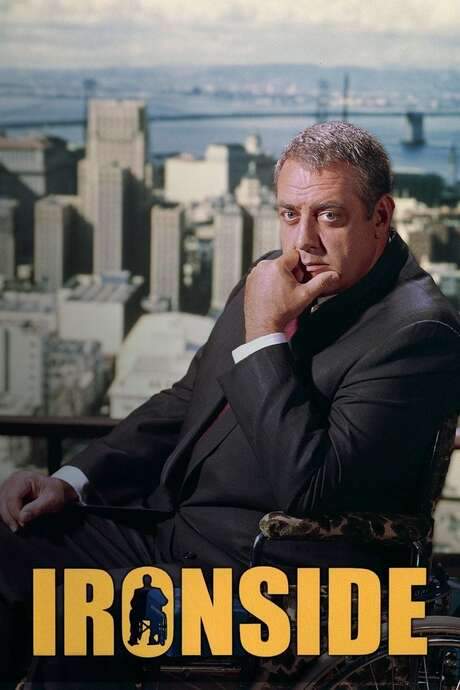
What Is Ironside About?
The premise of Ironside in 288 words, with nothing given away. The full story follows below.
In the bustling streets of San Francisco, a seasoned chief of detectives returns from a vacation changed forever. After a sniper’s bullet leaves him paraplegic, Robert Ironside refuses to retire, instead carving out a unique role as a civilian consultant for the police department. He negotiates his own terms with the city’s commissioner, securing a modest office within the Hall of Justice where he can continue to pursue the truth from his wheelchair, turning the very constraints of his condition into a distinctive advantage.
The series leans into a cerebral, method‑driven tone, spotlighting observation, deduction, and a deep empathy for the people caught in the city’s undercurrents. Instead of relying on brute force, Ironside’s investigations unfold like intricate puzzles, each piece revealed through conversation, insight, and the careful study of human behavior. The atmosphere balances the gritty realism of police work with a measured, almost philosophical, approach to justice, inviting viewers to join a mind that sees beyond the obvious.
Supporting him are three carefully chosen allies who each bring a complementary skill set. Ed Brown, a hard‑nosed detective sergeant, supplies procedural muscle and unwavering loyalty, while Eve Whitfield, a plain‑clothes officer with keen street sense, adds compassion and a fresh perspective to the team’s efforts. The newest addition, Mark Sanger, starts as a reluctant aide‑driver but quickly proves his worth through quick thinking and adaptability, embodying Ironside’s belief that potential often hides where others look least.
Together, this unconventional squad forms a tightly knit unit that operates on trust, wit, and perseverance. The show’s tone remains steady—respectful of the city’s complexity, mindful of the personal challenges each character faces, and constantly driven by the relentless curiosity of a man determined to solve crimes on his own terms.
What Happens in Ironside?
The complete story of Ironside, from the first scene to the last, in 668 words (about 3 minutes). Spoilers throughout. Names in the text link to 7 cast member pages.
Spoilers ahead
The series centers on former San Francisco Police Department Chief of Detectives Robert T. Ironside, Raymond Burr, a Navy veteran and widower who, after a sniper’s bullet paralyzes him from the waist down, relies on a wheelchair to continue serving the city he loves. In the pilot television movie, Ironside demonstrates remarkable resilience and ingenuity, stepping into a groundbreaking role as a “special department consultant.” He achieves this by staging a press conference and persuading Police Commissioner Dennis Randall, Gene Lyons, to meet his unconventional terms. By the end of the pilot, Ironside not only solves the ambush that changed his life but also seeds a new team, requesting Ed Brown and Eve Whitfield to be his private law enforcement squad, forging a partnership built on trust, wit, and tenacity. Don Galloway embodies Det. Sgt. Ed Brown, a tough yet loyal ally, while Barbara Anderson brings a keen sense of morality and charm to Eve Whitfield, the plainclothes officer who becomes an indispensable part of Ironside’s operation.
The heart of the show lies in Ironside’s cerebral approach to crime-solving. Rather than rely on brute force, he leverages strategy, observation, and a deep understanding of people to crack cases that might baffle others. His private squad includes a mix of seasoned policing and personal insight, with Ed Brown providing procedural heft and Eve Whitfield offering street-level flair and compassion. The dynamic between Ironside and his team evolves as they encounter a range of suspects, allies, and moral dilemmas, all set against a backdrop of a bustling San Francisco precinct.
A key early element is Ironside’s headquarters: a fourth-floor room that serves as living space, office, and command post within the old Hall of Justice, the building that houses the city’s police headquarters. This intimate setting underscores Ironside’s resourcefulness and the way he repurposes what’s around him to pursue justice. On the road to solving cases, Ironside sometimes brings in Mark Sanger, Don Mitchell, a suspect who ultimately joins the team and grows into an important assistant role. Sanger’s arc—from opposition to partnership—helps illustrate Ironside’s ability to see potential in people others overlook.
To tackle investigations, Ironside relies on a small but highly capable setup. He acquires a specially equipped, former fleet-modified Ford patrol wagon—an eye-catching, bulletproof-glasstopped vehicle with a high-performance V-8 engine—that becomes a symbol of his unconventional methods and independence. The show even features a dramatic moment when this vehicle is destroyed during a scheme to outwit a corrupt sheriff in the episode “Poole’s Paradise.” After that, the team moves to a different, even more compact transport: a custom, one-ton Ford Econoline Window Van from 1969, reflecting the show’s ongoing commitment to practical, inventive crime-fighting gear.
As the series progressed, Ironside’s persona—gruff yet good-hearted, principled, and relentlessly curious—helped the show find its footing with audiences. The NBC run stretched to seven-and-a-half seasons, drawing solid audience engagement and critical note for its emphasis on intellect over violence. The show also developed a distinctive in-between-life cycle: as NBC aired its final season and faced midseason counts, Universal packaged earlier episodes for syndication under a separate banner, The Raymond Burr Show, a creative attempt to differentiate network broadcasts from syndicated reruns. When the network canceled the series, the syndicated episodes eventually returned to the Ironside title, signaling the enduring appeal of the character and the investigative approach that defined the program.
In supporting roles, the cast contributed memorable textures to Ironside’s world. Stuart Margolin appears in News Show Staff capacity in some episodes, while other familiar faces, including Wally Cox as a Scoutmaster, add color to Ironside’s San Francisco. The ensemble work—grounded by Burr’s steady presence and the strong chemistry with Brown and Whitfield—helps the series strike a balance between sharp procedural plotting and character-driven storytelling. The setting, the unconventional team, and Ironside’s resilient spirit combine to make the show a landmark in television crime drama, a careful blend of intellect, empathy, and determination that invites viewers to ride along as mysteries unfold and justice is pursued with patience and ingenuity.
Ironside Timeline: Every Key Event in Order
13 key events in the order they happen, from “Ironside is paralyzed and forced to retire” to “Series ends after eight seasons”. 13 events name a place, across 3 locations.
- 1
Ironside is paralyzed and forced to retire
A sniper's bullet lodges in his spine, paralyzing him from the waist down and forcing his retirement from the SFPD after 25 years of service. Ironside moves into a wheelchair, but his sharp investigative mind remains intact.
When:pre-pilot Where:San Francisco
- 2
Ironside launches a new role as special department consultant
Ironside calls a press conference and cunningly secures a job as a 'special department consultant' after negotiating terms with Police Commissioner Randall. This unorthodox appointment gives him authority to pursue cases from a wheelchair and shifts the balance of power within the force. The move positions him as a central, unconventional investigator.
When:pilot episode Where:San Francisco
- 3
Ironside solves the ambush in the pilot
In the pilot, Ironside uses his wits and investigative savvy to unravel the ambush that left him disabled. His method—careful deduction and street-savvy questioning—earns him the respect of seasoned officers. The resolution sets the tone for his brain-first approach to crime solving.
When:pilot episode Where:San Francisco
- 4
Ed Brown and Eve Whitfield join the team
Ironside requests Det. Sgt. Ed Brown and Eve Whitfield be assigned to work with him as his private squad. They become the core partners who supplement his leadership with experience and empathy. This triad forms the backbone of the early investigations.
When:pilot episode Where:San Francisco
- 5
Ironside operates from the Hall of Justice
Ironside sets up shop in a fourth-floor room in the old Hall of Justice, using it as both living space and office. The room becomes his command center, a hub for ideas and casework. It symbolizes his continued participation in the city’s police world.
When:early series Where:Hall of Justice, San Francisco
- 6
Mark Sanger enters as a suspect and then assistant
Mark Sanger is introduced as a suspect who wanted to kill Ironside, but is quickly recruited as Ironside's personal assistant. He balances street sense with later legal education as he climbs the ranks. This unusual recruitment foreshadows the evolving team dynamic.
When:early seasons Where:San Francisco
- 7
Ironside's modified patrol wagon
Ironside acquires a specially modified 1940 1 1/2-ton Ford police patrol wagon, with bulletproof glass and a tuned V-8 engine. The vehicle serves as a rolling command post and a symbol of his status despite being wheelchair-bound. It marks a tangible upgrade in how he conducts investigations from the street level.
When:early seasons Where:San Francisco
- 8
Poole's Paradise disrupts the original van
In the Poole's Paradise episode, Sergeant Brown destroys the patrol wagon as part of a ruse to trap a corrupt sheriff. The destruction prompts a replacement vehicle to be commissioned, signaling changes in Ironside's team strategy. The transition highlights the show's willingness to adapt equipment to the needs of the plot.
When:episode Poole's Paradise (early seasons) Where:San Francisco
- 9
Replacement vehicle introduced
After Poole's Paradise, a fully custom modified 1969 Ford Econoline Window Van is introduced as Ironside's new mobile unit. The new van reflects practical changes in the show's portrayal of field work. It remains a distinct visual cue for the series going forward.
When:following Poole's Paradise Where:San Francisco
- 10
Cast shake-up after Season 4
Barbara Anderson departs the show after the fourth season; her Eve Whitfield character is replaced by Fran Belding, a new young policewoman. The transition keeps the team dynamic fresh while maintaining the same core mission. The change underscores the show's evolving ensemble.
When:after Season 4 Where:San Francisco
Show the other 3 events of Ironside Hide the last 3 events
- 11
Show achieves success and syndication
The Ironside series becomes a success, running for seven-and-a-half seasons on NBC. When NBC delays new episodes in the final season, Universal markets reruns under The Raymond Burr Show. The syndicated episodes are later rebranded back to Ironside.
When:late 1960s–early 1970s Where:NBC
- 12
NBC cancellation and transition to syndication
Midseason cancellation by NBC leads to a shift to syndication. The reruns carry the Raymond Burr Show branding, and episodes are later restored to the Ironside title. This marks the show's move from network to ongoing syndicated life.
When:late 1960s Where:NBC
- 13
Series ends after eight seasons
The eighth season ends the series, with only 16 of 19 episodes aired by NBC. The show continues in syndication and maintains a lasting presence as a top example of vintage detective television. Ironside remains a durable icon of smart, principled policing.
When:end of eight-season run Where:San Francisco
Who Are the Main Characters in Ironside?
6 characters, among them Robert Ironside (Raymond Burr), Det. Sgt. Ed Brown (Don Galloway) and Eve Whitfield (Barbara Anderson): who each one is and the part they play in the story. Every profile links to the actor’s page.
-
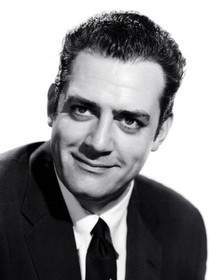
Robert Ironside (Raymond Burr)
Played by Raymond Burr
A former San Francisco Police Chief of Detectives who, after being paralyzed by a sniper’s bullet, leads a private investigative unit from a wheelchair. He relies on a sharp mind, strategic thinking, and relentless persistence to solve cases that stump others. His gruff exterior masks a deeply principled, compassionate commitment to justice.
- ♿️ Disabled but formidable
- 🧠 Brilliant strategist
- 🕵️♂️ Investigative leader
- DS
Det. Sgt. Ed Brown (Don Galloway)
Played by Don Galloway
A loyal, street-smart partner who grounds Ironside’s plans with practical experience. He provides steady support, blunt honesty, and tough enforcement when needed. His camaraderie helps sustain the team through tough investigations.
- 👮 Loyal partner
- 🗣️ Direct
- 🤝 Team player
- EW
Eve Whitfield (Barbara Anderson)
Played by Barbara Anderson
A capable young officer who becomes a core member of Ironside’s private squad. She blends empathy with tenacity, balancing street work with investigative insight. Her presence adds human perspective and professional growth to the team.
- 👮♀️ Capable officer
- 🤝 Team player
- 🧭 Grounded
- MS
Mark Sanger (Don Mitchell)
Played by Don Mitchell
A suspect-turned-assistant who studies law and becomes part of the inner circle. His legal education and evolving loyalty add a new dimension to the investigations. He represents the show’s theme of choosing the right allies.
- 🎓 Ambitious
- 🧭 Analytical
- 🤝 Loyal
- DS
Dr. Schley (Joel Fabiani)
Played by Joel Fabiani
A medical expert who contributes forensic and diagnostic insight to investigations. He aids in interpreting clues and understanding victims’ conditions, bridging medical knowledge with police work.
- 🩺 Medical expert
- 🧠 Analytical
- 🧭 Forensic-minded
- DR
Dennis Randall (Gene Lyons)
Played by Gene Lyons
The Police Commissioner who interacts with Ironside’s unconventional appointment. He embodies the authority and political dynamics surrounding the squad, sometimes clashing with Ironside’s unorthodox methods.
- 🏛️ Authority figure
- 🗳️ Politics
- 🗂️ Bureaucracy
Where and When Is Ironside Set?
Ironside is set in San Francisco and Hall of Justice (Late 1960s). Here is why the time and place matter to the story.
When
Late 1960s
Set in the late 1960s, the show reflects a period of urban crime and televised detective fiction. It highlights evolving attitudes toward disability in authority roles and the emergence of specialized detective work. The era’s technology and police procedures shape how investigations unfold on screen.
Where
San Francisco, Hall of Justice
The action unfolds in San Francisco, centered around the Hall of Justice where the police headquarters are housed. The city’s urban backdrop provides a classic crime drama vibe as Ironside operates from a wheelchair and commands a private squad. The setting blends courtroom-like investigation with street-level policing, anchoring the stories in a distinct 1960s-urban atmosphere.
- 🌁 San Francisco
- 🏛️ Hall of Justice
- 🗺️ Urban policing environment
- 🕵️♂️ Police drama setting
What Are the Themes of Ironside?
4 ideas the story keeps returning to, among them Justice, Resilience and Disability & Independence.
-
01
Justice
Ironside relies on intellect and moral judgment to close cases, often challenging conventional procedures. The series frames justice as something earned through careful reasoning, not just force. It shows how nontraditional methods can uncover truth while upholding the law. The pilot establishes that righteous outcomes require both brains and ethical backbone.
-
02
Resilience
Ironside’s disability tests him and others, but he persists through wit and determination. The show presents resilience as a core trait of effective investigation, turning obstacles into opportunities. Characters adapt to new realities and improvise when standard methods fail. This resilience keeps the team moving forward under pressure.
-
03
Disability & Independence
The series centers on a disabled lead whose autonomy drives the policing approach. It treats independence as a professional asset, challenging stereotypes about disabled characters. Ironside demonstrates that capability can flourish outside traditional physical constraints. The dynamic invites audiences to rethink authority and inclusion in law enforcement.
-
04
Teamwork
Ironside builds a tight, trusted unit around his intellect, with Ed Brown and Eve Whitfield handling street-level realities. The ensemble highlights how collaboration, mentorship, and shared instincts solve cases more effectively than any lone genius. Each member brings complementary strengths to the investigation. The show balances individual leadership with collective problem-solving.
What Kind of Film Is Ironside?
Neutral in tone, with steady pacing and a straightforward story, going by the plot summary.
- Tone
- Neutral
- Pacing
- Steady
- Story
- Straightforward
- Intensity
- Medium
- Ending
- Happy
A steady-paced, cerebral crime drama centered on a paraplegic detective who uses intellect and determination to solve cases with his unconventional team, creating a methodical and resilient viewing experience.
- cerebral
- resilient
- methodical
- grounded
- tenacious
- determined
- crime investigation
- disability
- police procedural
- found family
Content notes: attempted murder, gun violence.
Quiz
How well do you remember Ironside? Test yourself on the story.