What Is In the Wake of the Bounty About?
The premise of In the Wake of the Bounty in 257 words, with nothing given away. The full story follows below.
Blending historical drama with documentary realism, In the Wake of the Bounty explores the legendary tale of the HMS Bounty and the lives shaped by its infamous mutiny. Directed by Charles Chauvel, this unique film serves as a bridge between the past and present, dramatizing the initial conflict before pivoting to a contemplative study of the mutineers’ descendants on Pitcairn Island. It stands as a fascinating artifact of early cinema, marking Chauvel’s first “talkie” and showcasing an ambitious, experimental structure that merges enacted sequences with anthropological observation.
The film’s distinct style creates a narrative that looks beyond the high seas to the isolated world of the South Pacific. As the story shifts from reenactment to reality, it captures the texture of island life through the lens of a filmmaker deeply interested in the human cost of history. While the dialogue in the dramatic portions reflects the era’s technical growing pains, the documentary elements offer a vivid and authentic look at a community rarely seen by outside eyes, grounding the legend in the physical reality of the island.
Throughout this journey, the camera captures evocative imagery—from the movements of Polynesian dancers to underwater shots taken from a glass-bottom boat, searching for traces of the lost vessel. These visual elements deepen the sense of place, emphasizing the cultural and emotional landscape of the Pitcairn descendants. By focusing on the aftermath rather than just the incident itself, the narrative highlights the enduring connection between a people and their ancestors, ensuring the story resonates as a study of heritage and survival.
What Happens in In the Wake of the Bounty?
The complete story of In the Wake of the Bounty, from the first scene to the last, in 219 words (about 1 minute). Spoilers throughout. Names in the text link to 1 cast member page.
Spoilers ahead
In this hybrid film by Charles Chauvel, the opening dramatizes the mutiny with enacted scenes, then shifts to documentary footage that surveys the mutineers’ descendants living on Pitcairn Island through an anthropological lens. The director also includes footage of Polynesian dancers and even a underwater shipwreck shot—captured from a glass-bottom boat—that he believes to be the Bounty, though many viewers think it isn’t. As this was Chauvel’s first “talkie”, the film reveals a learning curve in directing actors: the dialogue often feels stiff and somewhat amateurish.
The structure blends long documentary narration with dramatic re-creations, mirroring the experimental hybrids of the era when silent and sound films coexisted. This approach reflects Chauvel’s broad set of interests, and he would later return to documentary work with the BBC television series Walkabout. Despite the uneven dialogue, the documentary portions remain excellent, offering clear insights into the aftermath rather than the mutiny itself.
Toward the end, the film returns to enactments and includes a single modern scene in which a child suffers because irregular ship visits prevented timely hospital care; this device appears intended to give a voice to the Pitcairn Island community, which had contributed generously to the production. Ultimately, the movie blends re-enactment with documentary to emphasize the consequences of the mutiny and its lasting impact on those left behind.
In the Wake of the Bounty Timeline: Every Key Event in Order
12 key events in the order they happen, from “Mutiny reenactment opens the film” to “Historical significance and form”. 12 events name a place, across 11 locations.
- 1
Mutiny reenactment opens the film
The film opens with enacted mutiny scenes aboard the HMS Bounty in the Pacific, setting up the historical event at the heart of the piece. It portrays the sailors' revolt and the immediate chaos that followed. The sequence suggests the long shadow of the mutiny on later generations.
When:1789 Where:HMS Bounty, Pacific Ocean
- 2
Descendants on Pitcairn Island
The narrative shifts to documentary footage showing the mutineers' descendants living on Pitcairn Island. The camera follows their daily lives, customs, and the quiet continuity of their community. The juxtaposition with reenactments emphasizes long-term consequences rather than the act itself.
When:1930s (present-day within film) Where:Pitcairn Island
- 3
Voiceover explains history and consequences
A voiceover provides historical context and discusses the mutiny's consequences for the island community. It links the past revolt to the present social and cultural fabric of Pitcairn. The commentary frames the film's broader purpose.
When:1930s Where:Pitcairn Island (documentary segments)
- 4
Polynesian dancers
The film includes footage of Polynesian women dancers, adding cultural texture to the narrative. The scenes contrast with the harsh realities of the mutiny's aftermath. They contribute to the documentary's anthropological tone.
When:1930s (documentary segments) Where:Pitcairn Island
- 5
Underwater shipwreck footage
There is underwater footage of a shipwreck shot from a glass-bottom boat, which Chauvel believed to be the Bounty. The sequence blends curiosity with speculation about the ship's identity. It adds a striking visual element to the hybrid form.
When:1930s (filming of underwater sequence) Where:Ocean near Pitcairn
- 6
First talkie and stiff dialogue
The film is Chauvel's first 'talkie,' and the dialogue is notably stiff and amateurish. The misfit between dialogue and the performances is evident, reflecting the director's learning process with actors. The effect underscores the challenges of early sound cinema.
When:early 1930s Where:Film studio/production
- 7
Hybrid documentary-enactment structure
Long sections are documentary with voiceover, interspersed with enacted scenes. The hybrid form mirrors cinema's transition from silent to sound. This approach reveals the director's mixed interests and experimentation.
When:1930s Where:On set and editing rooms
- 8
End returns to enacted modern scene
Toward the end, the film returns to enactments, including a scripted modern scene in which a child suffers due to irregular ship visits. The scene underscores the social costs of isolation for Pitcairn residents. It uses drama to highlight practical consequences and potential remedies.
When:late 1930s (end of film) Where:Pitcairn Island (modern-day scene)
- 9
Emphasis on consequences over the mutiny
Overall, the film emphasizes consequences rather than recounting the mutiny itself. The narrative foregrounds descendants, community life, and everyday challenges. This focus shapes the film's documentary impulse and informs its purpose.
When:throughout Where:Pitcairn Island (documentary thread)
- 10
Voice for the Pitcairn Island community
Chauvel aimed to give a voice to the Pitcairn Island community; participants were generous in their involvement. The work is presented as a community-facing artifact intended to highlight their experiences. The film thus functions as social outreach as well as cinema.
When:1930s Where:Pitcairn Island and production circle
- 11
Chauvel's later documentary Walkabout
Later in his career, Chauvel returned to documentary with the BBC television series Walkabout. Walkabout cemented his reputation as a documentarian seeking immersive, observational storytelling. The shift marks a continued commitment to non-fiction exploration.
When:1950s–1960s Where:BBC Walkabout
- 12
Historical significance and form
The work is noted for blending silent-era sensibilities with early sound practices, marking a transitional moment in cinema. Its documentary portions are praised as exemplary and influential for later hybrid works. The film stands as a curious artifact of early talkies and ethnographic cinema.
When:1930s Where:Film history context
Who Are the Main Characters in In the Wake of the Bounty?
7 characters, among them Fletcher Christian (Errol Flynn), Lieutenant Bligh (Mayne Lynton) and Midshipman Young (John Warwick): who each one is and the part they play in the story. Every profile links to the actor’s page.
-
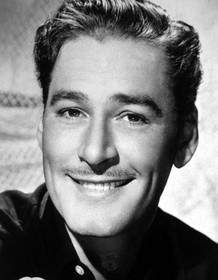
Fletcher Christian (Errol Flynn)
Played by Errol Flynn
A charismatic yet impulsive mutineer who leads the action in reenactments. His decisions set the mutiny in motion and drive the narrative’s exploration of consequences over the act itself. In the film’s blend of drama and documentary, Christian embodies the daring and volatility of rebellion.
- 🎭 Mutiny Leader
- 🗺️ Rebel Figure
- LB
Lieutenant Bligh (Mayne Lynton)
Played by Mayne Lynton
A stern, disciplined captain whose authority is challenged by the mutiny. The portrayal centers on command, order, and the strain of leadership under rebellion. His perspective provides a counterpoint to the mutineers and frames the conflict within a strict naval hierarchy.
- ⚓ Authority
- 🧭 Naval Command
- MY
Midshipman Young (John Warwick)
Played by John Warwick
A young officer who bears witness to the unfolding events. He represents the view from within the ship’s chain of command and serves as a conduit for audience understanding of hierarchy and duty. His presence helps ground the drama in the shipboard perspective.
- 🧭 Observation
- 🕊️ Duty
- N(
Narrator (Arthur Greenaway)
Played by Arthur Greenaway
Provides voice-over narration that links reenactments with documentary material. The narrator helps shape the film’s tempo and offers context for audiences navigating the hybrid structure. His narration guides the audience through history and memory alike.
- 🗣️ Narration
- 🌀 Bridge
- MB
Michael Byrne - The 'Bounty's' Blind Fiddler (Victor Gouriet)
Played by Victor Gouriet
A minor, symbolic figure visible in documentary sequences. The blind fiddler introduces a musical motif and a human touch to the mutiny’s broader story, connecting legacies through sensory memory. His presence enriches the texture of the film’s archival-style storytelling.
- 🎻 Memory
- 🕰️ Symbol
- EC
Elsa Chauvel as Herself
Played by Elsa Chauvel
Participates in documentary segments as herself, illustrating the film’s documentary milieu. Her presence links the audience to the production and to the broader cultural context surrounding Pitcairn’s story. She embodies the collaboration between filmmaker and community.
- 🎤 Participant
- 🧭 Community
- CC
Charles Chauvel as Himself
Played by Charles Chauvel
The director appears as himself, underscoring the documentary and documentary-drama hybridity of the work. His role signals the film’s documentary ambitions and the era’s approach to mixing real people with staged sequences. He embodies the film’s meta-cinematic identity.
- 🎬 Director
- 🗺️ Self-Reference
Where and When Is In the Wake of the Bounty Set?
In the Wake of the Bounty is set in Pitcairn Island (1789 (late 18th century)). Here is why the time and place matter to the story.
When
1789 (late 18th century)
The historical mutiny aboard the HMS Bounty takes place in the late 18th century, with the pivotal events occurring in 1789. The film pairs these reenactments with documentary segments that later follow the mutineers' descendants on Pitcairn Island. This creates a dual temporal frame, connecting the past aboard the ship with present-day memories and interpretations.
Where
Pitcairn Island
Pitcairn Island is the central setting in the film, anchoring the story in the remote South Pacific where the mutineers settled and their descendants are studied. The narrative blends reenactments with documentary footage to explore the island’s long memory of the Bounty mutiny. The rugged landscape and maritime heritage of Pitcairn provide a tangible backdrop for both historical events and the present-day community depicted in the film.
- 🌍 Pitcairn Island
- 🧭 Remote location
- 🗺️ Pacific history
What Are the Themes of In the Wake of the Bounty?
3 ideas the story keeps returning to, among them Mutiny & Aftermath, Hybrid Form and Voice of the Community.
-
01
Mutiny & Aftermath
The film shifts attention from the mutiny itself to its consequences for individuals and communities. It examines how rebellion reshapes loyalties, authority, and survival in the long term. By focusing on outcomes, the narrative invites reflection on memory, responsibility, and the shaping of history through later generations.
-
02
Hybrid Form
The work blends reenactments with documentary footage and voice-over narration, creating a hybrid cinema that reflects the transition from silent to sound film. This approach supports a layered portrayal of history, where facts, memories, and interpretations intermingle. It also mirrors the director's evolving craft and interest in documentary storytelling.
-
03
Voice of the Community
The film aims to give a voice to the Pitcairn Island community, incorporating descendants and local participants into the narrative. A modern scene about a child highlights the impact of historical events on present-day life, underscoring the film’s intent to serve as a cultural conduit. Through documentary elements, the work emphasizes the ongoing relationship between history and the people it touches.
What Kind of Film Is In the Wake of the Bounty?
Neutral in tone, with variable pacing and a straightforward story, going by the plot summary.
- Tone
- Neutral
- Pacing
- Variable
- Story
- Straightforward
- Intensity
- Medium
An experimental hybrid film combining stiffly acted reenactments with anthropological documentary footage, creating a historically informative but narratively disjointed and amateurish viewing experience.
- anthropological
- amateurish
- stilted
- documentary
- historical
- informative
- mutiny
- historical reenactment
- documentary filmmaking
- maritime history
Content notes: tyranny, whipping, maritime mutiny.
Where to Watch In the Wake of the Bounty
Stream it on Fawesome and IndieFlix Shorts. US availability and prices from JustWatch.
 Fawesome
  IndieFlix Shorts Amazon Channel
  Kanopy
  Mometu
 Streaming availability in the US, powered by