

What Is In the Custody of Strangers About?
The premise of In the Custody of Strangers in 277 words, with nothing given away. The full story follows below.
In a bleak, dust‑kissed town where factories have shuttered and hope feels as thin as the winter air, a teenage boy wrestles with the weight of his family’s expectations. Danny Caldwell is angry, restless, and caught between a yearning to escape and a stubborn sense of duty that his father, Frank Caldwell, insists on. Their home is a cramped household of five, held together by Sandy Caldwell’s tireless work and Frank’s bruised pride after losing his job. The atmosphere pulses with quiet tension, each character living on the edge of a breaking point, their daily interactions a study in how survival and pride collide in a community that seems to have run out of opportunities.
When a misguided night of reckless driving lands Danny behind a jail cell, his parents hope a short stint in confinement will serve as a hard‑won lesson. The penal system, however, feels like another maze of bureaucracy and old‑fashioned rules, overseen by a weary warden—Kenneth McMillan—who is caught between procedural constraints and a lingering desire to protect a boy his age. The film’s tone balances stark realism with a lingering melancholy, letting the audience feel the oppressive weight of a system that promises safety while delivering isolation.
The story unfolds as a quiet, tense tableau of family dynamics, small‑town grit, and the unsettling notion that an intended “overnight” punishment can stretch far beyond its original scope. As Danny navigates the unfamiliar corridors of adult incarceration, the audience is invited to contemplate how a single decision can ripple through a family already stretched to its limits, hinting at deeper questions about responsibility, redemption, and the invisible barriers that keep people locked in place.
What Happens in In the Custody of Strangers?
The complete story of In the Custody of Strangers, from the first scene to the last, in 283 words (about 1 minute). Spoilers throughout. Names in the text link to 4 cast member pages.
Spoilers ahead
Based on a true story, Danny Caldwell is an angry small-town teen whose Frank Caldwell has been laid off and can’t find a decent job. His Sandy Caldwell works to provide for the family of five. Danny, frustrated with the town, longs to work or leave, but often clashes with his father, who believes a man should provide for the family, not his wife, and certainly not the boy. The film sets a quiet, tense stage where pride and survival bump against the limits of opportunity.
Danny and Frank are frequently at odds, and the teen slips into trouble, including mischief and petty theft. One night, while Danny Caldwell is out joyriding and drinking, he crashes into a police car and ends up in jail. Frank hopes a night behind bars might straighten him out, but the consequences unfold in a system that traps him: a backlog in probation, isolation due to laws prohibiting contact between juvenile and adult prisoners under the guise of protection, and a frustrated warden Kenneth McMillan who wants to keep Danny out of the adult jail but is bound by the court.
Meanwhile, Frank Caldwell gets a job in Ohio and the family must move, seeking a fresh start. At the trial, the assault charges are dropped and Danny Caldwell is charged only with drunk driving and operating without a license. He is sentenced to time served and released. In the courtroom, his parents speak honestly about the mistakes that led to this moment and call for changes in how society treats troubled youth. Danny returns home forever altered by his time behind bars, carrying the quiet, lasting imprint of a system that both protected and punished him.
In the Custody of Strangers Timeline: Every Key Event in Order
12 key events in the order they happen, from “Family strain as unemployment hits” to “Endnote: a changed youth and a warning”. 12 events name a place, across 9 locations.
- 1
Family strain as unemployment hits
In a small town, Frank's layoff leaves the family without steady income while Sandy keeps working to make ends meet. Danny, a frustrated teen, senses the collapse of stability and clashes with his father over responsibility and masculinity. The tense atmosphere sets the stage for risky choices.
When:Beginning Where:Small Town
- 2
Danny's escalating trouble
Danny's restlessness drives him into petty mischief as he searches for direction and work. He frequently argues with Frank, who believes a man should provide for the family, while Danny questions the limits of authority. The conflict builds pressure at home and previews bigger conflicts to come.
When:Ongoing Where:Small Town
- 3
Drunken joyride and arrest
During a drunken joyride, Danny loses control and collides with a police car. The accident brings rapid consequences, ending his night on the street and starting his time in the justice system. The incident marks a turning point in his life.
When:One night Where:Town Streets
- 4
Frank's belief in jail as corrective measure
Frank suggests that a night in jail could straighten Danny out, treating incarceration as tough love. He fears losing traditional masculine control and hopes the consequence will redirect his son's path. The idea foreshadows the harsh treatment that Danny will endure.
When:Immediately after arrest Where:Home
- 5
Six weeks in jail collide with system
Danny spends six weeks in jail on assault charges, with his fate shaped by a backlog in the probation department. He endures isolation due to laws separating juvenile and adult prisoners and the limited options the warden has under the court's rules. The experience exposes the harsh realities of the system and its impact on a young life.
When:Six weeks Where:County Jail
- 6
The warden's frustrated role
Kenneth McMillan's warden is frustrated by the policy that keeps Danny out of the adult jail, while his hands are tied by the court. He fights to protect the boy from harsher conditions but cannot override the system. This tension underscores the gap between intent and outcome in juvenile detention.
When:During incarceration Where:Jail
- 7
The family moves to Ohio
Meanwhile, Frank obtains a new job in Ohio and the family prepares to relocate. The move creates distance and changes the context of Danny's life, with new surroundings promising different opportunities and dangers. The relocation also adds strain to their already fragile family dynamic.
When:During incarceration Where:Ohio
- 8
Trial resolves with lighter charges
At Danny's trial, the assault charges are dropped and he is only charged with drunk driving and operating without a license. The judge sentences him to time served and releases him, allowing him to return home. The outcome underscores a pivotal moment where accountability ends up lighter than the initial accusations.
When:Trial day Where:Courtroom
- 9
Parents advocate for change
During the courtroom proceedings, Danny's parents acknowledge their mistake of leaving him in jail and urge the authorities to change how they treat children who come into contact with the system. They argue for reforms that prioritize rehabilitation over punishment. Their remarks aim to shift the conversation beyond this case.
When:Sentencing Where:Courtroom
- 10
Return home and transformation begins
Danny returns home to his family, but the time in jail has left lasting marks. He carries the weight of confinement, stigma, and the sense that opportunities slipped away. The experience begins to reshape his hopes and perceptions of the future.
When:After release Where:Home
- 11
Systemic background: probation backlog
Throughout the incident, the story highlights the probation department's backlog and the policy constraints that fueled Danny's prolonged confinement. The narrative uses these details to critique how bureaucracy can amplify punishment. The family and the warden's dynamics reveal the broader implications for youth justice.
When:During incarceration Where:Court/Jail
- 12
Endnote: a changed youth and a warning
The tale ends with Danny forever changed by his jail time, a reminder of the dangers of separating juvenile offenders from appropriate support. The family vows to push for better treatment of children in the system, signaling a hopeful but cautious call for reform.
When:After release Where:Home/Courtroom
Who Are the Main Characters in In the Custody of Strangers?
7 characters, among them Frank Caldwell (Martin Sheen), Danny Caldwell (Emilio Estevez) and Sandy Caldwell (Jane Alexander): who each one is and the part they play in the story. Every profile links to the actor’s page.
-

Frank Caldwell (Martin Sheen)
Played by Martin Sheen
Frank Caldwell is the proud, hard-working father who believes a man must provide for his family, often clashing with Danny over independence and work. His unemployment adds pressure to his traditional views on masculinity and discipline. The strain of supporting a family in tough economic times drives his tense, protective demeanor.
- 👨👦 Family Dynamics
- 💼 Economic Struggles
- ⚖️ Authority vs Love
-

Danny Caldwell (Emilio Estevez)
Played by Emilio Estevez
Danny is a volatile teenager, angry at his town and its limits, who channels frustration into mischief and petty theft. His reckless acts, including a drunken joyride that leads to arrest, reveal his longing for independence. The jail experience becomes a turning point, showing how environment, law, and family influence his growth.
- 👦 Teenage Rebellion
- 💥 Impulsive Behavior
- ⚖️ Juvenile Risk
-

Sandy Caldwell (Jane Alexander)
Played by Jane Alexander
Sandy is the family matriarch who works to keep the household afloat as unemployment strains the family. She tries to balance care for her children with the harsh realities of the system. Her decisions reflect a desire to protect her family while seeking a future beyond the town's limitations.
- 👩👧 Family Matriarch
- 💼 Economic Struggles
- 🫂 Family Support
-
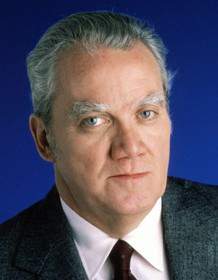
Albert C. Caruso (Kenneth McMillan)
Played by Kenneth McMillan
Albert C. Caruso is the prison warden who struggles to balance safety with humane treatment of a juvenile inmate. He advocates for keeping Danny from entering the adult jail, yet he is constrained by court policy and procedural limits. His role embodies the push-pull between protection and policy.
- 🏛️ Warden
- ⚖️ Protective Authority
- 🕊️ Humane Approach
- DC
David Caldwell (David Faustino)
Played by David Faustino
David Caldwell is part of the Caldwell family, a younger member whose presence underscores the household's dynamics. His reactions provide a window into how family members adapt as Danny's actions ripple through the home.
- 👶 Family Reactions
- 👪 Sibling Perspective
-

Judge Halloran (Ed Lauter)
Played by Ed Lauter
Judge Halloran is the stern courtroom authority responsible for handling Danny's case and sentencing. He relies on the law and the evidence before him and weighs the best outcome within the bounds of procedure.
- ⚖️ Courtroom Authority
- 🧑⚖️ Legal Process
- JB
Judge Bennett (John Hancock)
Played by John Hancock
Judge Bennett is one of the judges involved in the case, whose decisions influence the trajectory of Danny's charges and time served. His rulings reflect the legal framework surrounding juvenile justice and rehabilitation.
- ⚖️ Judicial Process
- 🏛️ Courtroom
Where and When Is In the Custody of Strangers Set?
In the Custody of Strangers is set in Small-town America and Ohio. Here is why the place matters to the story.
Where
Small-town America, Ohio
Set in a close-knit American town, the film centers on a family grappling with unemployment and limited opportunities. The narrative follows the Caldwell family as they relocate to Ohio, highlighting midwestern economic strain. The town's social structures, schools, and local courts set the stage for Danny's troubles and the family's decisions.
- 🏙️ Small-town setting
- 💼 Economic Struggles
- ⚖️ Juvenile Justice
What Are the Themes of In the Custody of Strangers?
3 ideas the story keeps returning to, among them Family Struggle, Juvenile Justice and Redemption.
-
01
Family Struggle
The Caldwell family faces mounting pressure from unemployment and the demand for traditional masculine roles. Danny's rebellion is rooted in this economic strain and tension at home, creating a cycle of conflict. The film uses household dynamics to explore how family pain translates into behavior and choices. It also shows the hope that open communication can eventually heal rifts.
-
02
Juvenile Justice
Danny's brush with the law exposes the tension between protection and punishment in the juvenile system. The story follows his time in jail, the isolation from adult prisoners, and the warden's attempt to shield him from harsher outcomes. Court decisions, probation backlogs, and policy limits drive the drama and reveal systemic pressures on youths. The film questions whether the system truly rehabilitates or simply disciplines.
-
03
Redemption
Danny's incarceration acts as a catalyst for change, forcing him to confront consequences and rethink his choices. The family acknowledges mistakes and the need for different approaches to parenting and youth accountability. The experience leaves Danny forever altered, hinting at a more hopeful, but realistic, path forward.
What Kind of Film Is In the Custody of Strangers?
Tense in tone, with steady pacing and a straightforward story, going by the plot summary.
- Tone
- Tense
- Pacing
- Steady
- Story
- Straightforward
- Intensity
- Medium
- Ending
- Bittersweet
A tense and somber drama that depicts the frustrating ordeal of a troubled teenager caught in an unforgiving legal system, creating a heavy and claustrophobic atmosphere of family conflict and societal failure.
- tense
- frustrating
- claustrophobic
- sad
- serious
- dramatic
- juvenile justice
- father son relationship
- family conflict
- alcoholism
Content notes: suicide attempt, juvenile incarceration, alcoholism, underage drinking.
Quiz
How well do you remember In the Custody of Strangers? Test yourself on the story.


