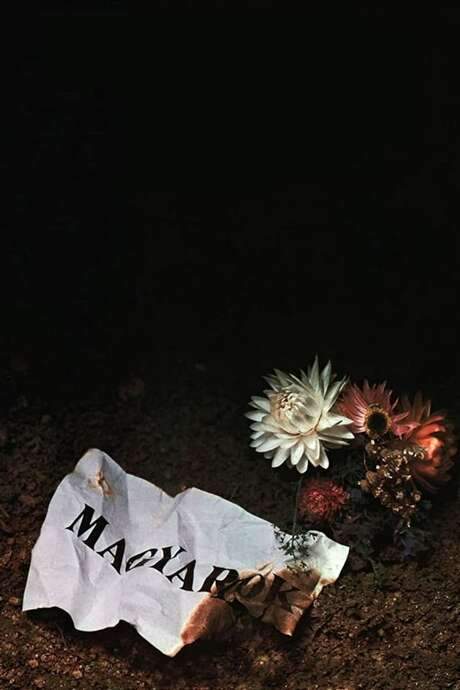
Hungarians 1978

Directed by

Zoltán Fábri
Made by

Dialóg Filmstúdió
Hungarians Plot Summary
Read the complete plot summary and ending explained for Hungarians (1978). From turning points to emotional moments, uncover what really happened and why it matters.
Winter (1942/1943) unfolds at the Csárda, where a small circle of farmworkers gather to weigh their options for the harsh years ahead. They debate a risky path to Germany, hoping wages there will outstrip conscription and offer a safer future. Their presence on the estate is tolerated by a Hungarian manager whose family barely escaped to the USA, while an elderly, ailing estate owner oversees land and life, his only son serving as a soldier far from home. Nearby, a prisoner-of-war camp holds French detainees, whom the workers are strictly forbidden to approach. Among them is Bacskó Bandi, István Szilágyi, a focal voice in the conversations about survival and duty.
Spring brings intensified labor as the estate hums with activity, yet isolation shields the workers from the broader war’s reach. Their naiveté is gradually chipped away by a series of troubling signs: the sudden disappearance of the estate’s coachman, the brutal execution of exhausted Soviet prisoners, and the forced accommodation of Polish families on the estate.
Summer tests their resilience further. A Polish child falls gravely ill, and the Hungarians respond with spontaneous aid, showing a shared humanity amid hardship. András Fábián [Gábor Koncz] watches these moments closely, sensing that there are deeper, less visible connections at work. With prudent saving, he and his wife manage to send their son, Dani Kis András Ambrus, a bicycle, allowing them a small, hopeful glimpse of the sea beyond their immediate world.
Autumn brings both plenty and pain. The harvest yields temporary cheer, yet the youngest Hungarian, Kondor Ábris [István O. Szabó], dies of tuberculosis, a cruel reminder of the fragility of life in these lands. In a bid to keep their presence on the land, the estate owner offers leasehold rights, but the people’ hearts are set on returning home rather than signing a longer stay.
Winter returns with a tentative sense of return and rhythm, but the looming shadow of conscription looms once more as notices arrive. The women cling to a single photograph as their only reminder of what they’ve endured and the lives they’ve shared, a quiet testament to endurance in a world where the war never truly stays away.
Hungarians Timeline
Follow the complete movie timeline of Hungarians (1978) with every major event in chronological order. Great for understanding complex plots and story progression.
Farmworkers discuss emigration to Germany to avoid conscription
In winter 1942/43, the Csarda hosts a meeting of farmworkers who debate leaving for Germany to dodge conscription, tempted by higher wages. They weigh the risks of long distances, unfamiliar work, and the war’s widening reach against the comforts of staying put. The discussion reveals a shared hunger for security despite the uncertainty ahead.
Estate welcomes the workers and reflects on a haunted history
The estate receives them with measured tolerance. The manager is Hungarian, and his family barely escaped to the USA, a detail that colors the workers' reception and foreshadows future tensions. The workers settle under the estate’s watchful routine.
Estate owner is elderly and his son is a soldier
The estate’s owner is elderly and ailing, while his only son serves as a soldier elsewhere. The family’s vulnerability deepens the workers’ precarious position on the estate. Their presence seems tolerated, yet always under the threat of change.
Spring arrives and the coachman vanishes
Spring arrives and the farm work intensifies, yet their isolation shields them from the war’s realities only superficially. The sudden disappearance of the coachman disrupts the routine and hints at a broader disruption to come. The incident sows unease among the workers as their naivety begins to crack.
Brutal reality: Soviet prisoners are executed nearby
Exhausted Soviet prisoners are executed, a brutal reminder of the war’s reach beyond the estate’s walls. The act shocks the workers and shatters the last vestiges of safety they clung to. Rumors spread about the fate of those captured, heightening fear and suspicion.
Polish families are forced to inhabit the estate
Polish families are forced to inhabit the estate, altering the social dynamic and straining scarce resources. The workers navigate new rules and uncertain loyalties as more outsiders arrive. The sense of isolation persists, but the estate's confines grow tighter.
Polish child falls gravely ill; Hungarians aid
In summer, a Polish child becomes gravely ill, prompting spontaneous aid from the Hungarian workers. The acts of kindness in the face of war illustrate hidden solidarities. András Fábian observes these threads, sensing there is more tying them together.
András Fábian perceives deeper connections
András Fábian watches the events unfold with a keen, observant eye, sensing underlying connections between the people and the broader war context. He quietly maps relationships and circumstances that bind them to the land. His awareness foreshadows future actions inspired by what he learns.
A bicycle gift opens a window to the sea
With careful saving, András and his wife manage to send their son a bicycle, opening a small window to the outside world and a glimpse of the sea. The gift embodies a longing for a life beyond the estate’s borders. It becomes a quiet beacon of hope amid hardship.
Autumn harvest and a sudden death
Autumn brings a bountiful harvest that briefly lifts spirits. Yet tragedy strikes when the youngest Hungarian, Abris Kondor, dies of tuberculosis, underscoring the fragility of life in these conditions. The owner’s response to the loss adds emotional weight to the workers’ sense of belonging.
Leasehold land offered to keep them nearby
In a bid to stabilize the community, the estate owner offers leasehold land to the workers. The gesture tests their sense of security and their longing to return home. They grapple with whether staying on the estate can ever replace the pull of their homeland.
Return home imagined, but conscription looms
Winter returns with a note of joy as the idea of going home reawakens, but conscription notices soon cast a shadow over those plans. The women are left with only a solitary photograph to remember these years by. The image encapsulates the war’s grip on ordinary lives and their stubborn, fragile hope.
Hungarians Characters
Explore all characters from Hungarians (1978). Get detailed profiles with their roles, arcs, and key relationships explained.
Bacskó Bandi — István Szilágyi
The village’s falu bolondja, Bandi provides a gentle, comic surface that mirrors the community’s coping through humor. His simple worldview and warmth reveal how people lean on small, human moments to endure fear and uncertainty. Though seen as naive by some, his presence helps anchor social harmony within the harsh wartime setting.
Gáspár Dániel — Tibor Molnár
A farmworker who weighs emigration to Germany to dodge conscription against ties to his homeland. Dániel embodies practical pragmatism and cautious optimism, seeking a way to improve his lot while navigating the moral complexities of leaving. His perspective highlights the tempting allure of escape and the costs of such choices.
András Fábián — Gábor Koncz
Keenly observant, András senses underlying connections and social currents that others miss. He is pragmatic and perceptive, often reading between the lines of conversations and events. His attentiveness helps the group navigate shifting loyalties and hidden motives during the evolving crisis.
Tarné — Erzsi Pápai
The elderly figure associated with the estate, Tarné embodies endurance and quiet authority. Her presence anchors the household amid illness and upheaval, serving as a steadying influence for those around her. She embodies a long view of the land and its people, even as the world around them changes.
Német Gazda — Sándor Szabó
The estate’s master, an older man whose authority persists even as he grows frail. His decisions shape the livelihoods of the workers and their families, including the offer of leasehold land. He represents a traditional, governing force within a rapidly changing wartime landscape.
Kondor Ábris — István O. Szabó
The youngest Hungarian, Kondor Ábris is struck by tuberculosis, a symbol of vulnerability amid a harsh environment. His brief life and death underscore the fragility of youth in wartime, and his loss casts a shadow over the community’s fragile hopes. His family’s struggle to care for him reveals themes of sacrifice and perseverance.
Francia fogoly — János Koltai
A French prisoner of war housed near the estate, he symbolizes war’s pervasive reach beyond national borders. The detainee’s presence heightens the sense of danger and constraint felt by locals, reminding them that conflict intrudes into every corner of life. His proximity, though distant, is a constant reminder of the war’s price.
Rozika Kisné — Anna Muszte
A Hungarian wife often caught in the rhythms of farm life, Rozika embodies domestic resilience and quiet endurance. She contributes to the community through practical care and steady support for her family and neighbors. Her presence highlights the intimate labor that sustains households under strain.
Zsófi Szabóné — Noémi Apor
A Hungarian woman whose life intersects with the estate’s workers, Zsófi Szabóné exemplifies everyday resilience. She navigates scarcity and duty, balancing care for her family with the pull of larger events unfolding around them. Her character represents the endurance of ordinary people faced with extraordinary times.
Hungarians Settings
Learn where and when Hungarians (1978) takes place. Explore the film’s settings, era, and how they shape the narrative.
Time period
Winter 1942/1943
The film takes place during the harsh Hungarian winter of 1942 into 1943, a period when wartime demands press on rural life. Conscription looms over the men, and people weigh precarious choices between staying home and seeking work abroad. Seasonal work drives daily routine, while fear, scarcity, and distant fronts shape decisions and relationships. The return of spring will only heighten these tensions.
Location
Csárda estate, Hungarian countryside
Set on a remote Csárda estate in rural Hungary, the story unfolds within a tight-knit farm community. The estate functions as a social arena where work, survival, and small dreams intersect against the realities of war. Nearby, a prisoner-of-war camp for French detainees underscores the constant presence of conflict and restraint. The barren, isolated setting tests resilience while offering moments of mundane camaraderie.
Hungarians Themes
Discover the main themes in Hungarians (1978). Analyze the deeper meanings, emotional layers, and social commentary behind the film.
🪖
War's Reach
War penetrates every layer of rural life, turning farm labor into a precarious balance between duty and survival. The presence of conscription notices and a nearby POW camp makes danger feel intimate rather than distant. Residents navigate loyalty to family and community while negotiating options that might keep them out of harm’s way. Small acts of solidarity become lifelines in a landscape defined by fear.
🌾
Rural Life and Harvest
The estate’s fortunes rise and fall with the seasons, shaping how people live, work, and dream. Harvest time brings brief cheer, while isolation amplifies the weight of daily labor and the limits of comfort. The inn and fields act as stages for social interaction, discipline, and shared burdens. The land itself becomes a character, directing rhythms of hope and hardship.
🤝
Community and Sacrifice
Neighbors band together in moments of need—helping a Polish child, sharing scarce resources, and preserving dignity under strain. The relationships formed amid scarcity reveal resilience, compassion, and the complexities of loyalty. Yet the looming threat of conscription tests these bonds, forcing characters to confront what they owe to home and to each other. The film ultimately frames humanity as a fragile beacon amid war’s darkness.

Coming soon on iOS and Android
The Plot Explained Mobile App
From blockbusters to hidden gems — dive into movie stories anytime, anywhere. Save your favorites, discover plots faster, and never miss a twist again.
Sign up to be the first to know when we launch. Your email stays private — always.
Explore the mobile appHungarians Spoiler-Free Summary
Discover the spoiler-free summary of Hungarians (1978). Get a concise overview without any spoilers.
The film opens on the bleak winter of 1942‑43, when a small band of land‑less Hungarian peasants decide to cross the border in search of work. They join a collective of migrant laborers on a sprawling farm in northern Germany, bringing their wives, children, and a fragile hope for a safer future. The landscape is a stark mixture of endless fields and barbed wire, a place where the ordinary rhythms of planting and harvest coexist with the distant rumble of a continent at war. Against this backdrop, the story settles into a quietly observed, almost documentary tone that lets the audience feel the weight of each sunrise and the hum of shared labor.
The estate itself is a world of quiet hierarchies. An elderly owner, kept alive by a stubborn will, watches over the land while his only son fights far away on the front lines. A Hungarian foreman, whose own family barely escaped to America, tolerates the newcomers, offering a thin thread of familiarity amid foreign soil. Nearby, a prisoner‑of‑war camp holds French detainees, a reminder that the war’s violence is never far. Within the workers’ circle, Bacskó Bandi emerges as a steady voice, articulating the collective’s aspirations and anxieties as they navigate this precarious existence.
Among the workers, András Fábián and his wife strive to carve out a sense of normalcy for their son, Dani, whose small gestures—such as a treasured bicycle—become symbols of hope against the encroaching gloom. Their interactions reveal a community bound by mutual support, sharing moments of kindness that cut through the cold efficiency of farm life. The presence of other families, including Polish newcomers, adds layers of cultural tension and solidarity, underscoring a shared humanity that persists despite the looming threats of conscription and the ever‑present specter of the conflict beyond the fields.
As the seasons turn, the film maintains a contemplative mood, balancing the harsh realities of wartime labor with quiet moments of resilience. Its visual style is stark yet intimate, inviting viewers to linger on the faces of those who live on the edge of history. Part of a series that confronts the rise of fascism, the narrative remains rooted in the everyday choices of ordinary people, leaving the audience to wonder how these fragile lives will navigate the inevitable storm that gathers on the horizon.
Movies with Similar Twists and Themes
Uncover films that echo the narrative beats, emotional arcs, or dramatic twists of the one you're exploring. These recommendations are handpicked based on story depth, thematic resonance, and spoiler-worthy moments — perfect for fans who crave more of the same intrigue.


Featured on this page

What's After the Movie?
Not sure whether to stay after the credits? Find out!
Check out our other apps:

SAT Sphere
Build confidence for the Digital SAT.

Mori Atlas
Discover wild places worth protecting.

Luntero
Search smarter for a home in Amsterdam.

Plot Explained
Unravel movie endings and hidden clues.

Pokechamp
Dive into Pokémon data and battle logic.

Driving Theory
Get ready for your European theory test.

Movie Dust
Plan your next cinema trip with ease.

Musemap
Find art and culture as you travel.

Selkobase
Compare credentials before committing.

Local Manual
Turn an unfamiliar country into practical next steps.

Lernavi
Compare school systems before your next move.

GymRoam
Find a workout stop wherever your plans take you.
Explore Our Movie Platform
New Movie Releases (2026)
Famous Movie Actors
Top Film Production Studios
Movie Plot Summaries & Endings
Major Movie Awards & Winners
Best Concert Films & Music Documentaries
Movie Collections and Curated Lists
© 2026 What's After the Movie. All rights reserved.
Privacy Policy