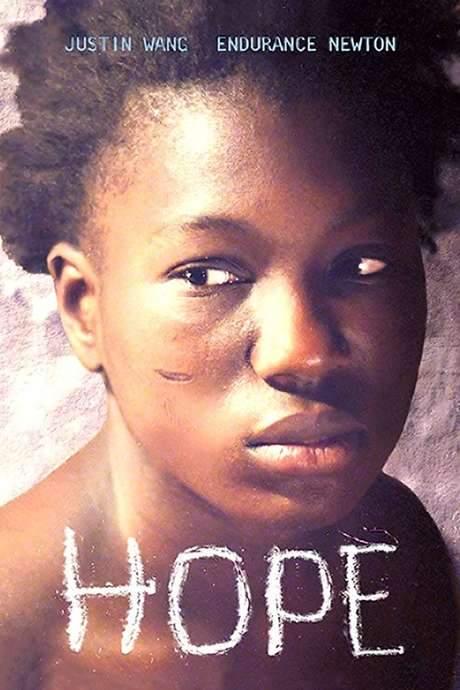


Where to Watch Hope
See current US streaming, rental, and purchase options for Hope (2014) via JustWatch.

Streaming availability powered by 
Hope Plot Summary
Read the complete plot summary and ending explained for Hope (2014). From turning points to emotional moments, uncover what really happened and why it matters.
So-won’s life begins in a quiet, ordinary rhythm, living with her working-class parents, Dong-hoon and Mi-hee, until a sunny school morning shatters everything. On her way to class, a male stranger named Jong-sool abducts her, leaving her body scarred by brutal violence. Miraculously, So-won survives and calls for help, but the path ahead is anything but simple. The hospital becomes a place of hard truths, where her family is confronted with the full gravity of her injuries. Medical teams explain that So-won will bear the physical aftershocks of the attack, including major surgeries and the need to wear a colostomy bag for life. As she regains consciousness, she faces the unnerving prospect of identifying her attacker and testifying in court, aided by Jung-sook, a devoted psychiatrist.
The moment the attacker is arrested at his home, the case erupts into a media frenzy, turning So-won’s hospital room into a public stage that electrifies and terrifies her family and friends. To shield So-won from the relentless glare of reporters, Dong-hoon leads her to a different room and keeps her away from the cameras. Yet the emotional toll continues to mount: So-won begins to show symptoms of post-traumatic stress, and in a heart-wrenching moment, she mistakes her own father for the attacker while he tries to help her manage her colostomy bag. The pain of that scene leaves Dong-hoon crushed, and Mi-hee’s own exhaustion deepens when she faints and is hospitalized, later learning she is pregnant. The family’s stability feels increasingly fragile, even as love threads through the crisis.
Mi-hee initially resists psychology for So-won, hoping for a return to normal life, but she changes her mind and, with Jung-sook’s support, pursues help to repair her daughter’s mind. Dong-hoon confronts financial strain, trying to keep his job while caring for So-won, and turns to his friend and manager, Gwang-sik, who recognizes the family’s hardship and steps in with both advice and money to cover medical bills. In a bid to lift So-won’s spirits, Mi-hee and her friends rent mascot costumes, hoping to spark joy. This small spark of whimsy leads Dong-hoon to a larger, more personal act: he dresses as So-won’s favorite cartoon character, Cocomong, and secretly stays close as So-won begins to trust the presence in the suit. The moment she feels a comforting hug from the masked figure is pivotal, and while the girl doesn’t know who is inside, this mysterious helper becomes a lifeline. Gradually, So-won’s physical health improves, and her family brings her home to begin healing in earnest.
Back at home, Dong-hoon doesn’t stop there; he returns to work but continues to slip into the Cocomong costume to accompany So-won on the way to and from school. The daily routine slowly rebuilds her sense of safety, and the bond between father and daughter grows stronger. The truth of the masquerade—that her father was beneath the Cocomong head all along—becomes a turning point: So-won finally looks at him clearly for the first time since the attack, and the act of seeing marks a step toward healing.
Yet the shadow of the courtroom lingers. So-won must testify against Jong-sool, and the family faces the difficult task of reliving the trauma in front of an audience of strangers. With great courage, she describes the night of the assault and identifies her attacker. The verdict offers a bitter note of injustice: Jong-sool is sentenced to twelve years in prison. Dong-hoon, overwhelmed by anger and a burning sense of loss, nearly acts on his impulse to kill, but So-won begs him to take her home instead, seeking a sense of closure that remains just out of reach. The family leaves the courtroom with fragile stitches of peace, not a complete resolution.
Time moves forward, and life continues its quiet resilience. Mi-hee gives birth to a son, So-mang, welcomed by a circle of family and supportive friends, including Jung-sook and Gwang-sik. In the closing moments, So-won explains that the struggle in her mind persists—school interruptions and lingering fears—but the arrival of her little brother bestows a renewed purpose. The family’s journey—marked by courage, care, and a father’s unseen devotion—shows how love and small acts of kindness can become a steady anchor when the road ahead remains uncertain.
Hope Timeline
Follow the complete movie timeline of Hope (2014) with every major event in chronological order. Great for understanding complex plots and story progression.
So-won is abducted on her way to school
So-won is kidnapped by a male stranger named Jong-sool while she is on her way to school. She is beaten and assaulted before being left for dead in an unknown location. She survives the attack and calls an ambulance, beginning the family's nightmare.
Hospitalization and major surgeries
The police inform Dong-hoon and Mi-hee of the attack and rush to the emergency ward with So-won. The girl endures multiple internal injuries and undergoes major surgeries, and doctors warn she will need a colostomy bag for life. The family confronts the grim reality of her condition as they prepare for a long recovery.
So-won awakens and faces testifying
After regaining consciousness, So-won must identify her attacker and testify, with assistance from Jung-sook, a psychiatrist. The process marks a difficult road ahead as she confronts the trauma in a legal setting. Her recovery will be as much about healing the mind as the body.
Attacker arrested and media frenzy
Jong-sool is arrested at his home, and the case becomes a media sensation. Reporters swarm the hospital, forcing Dong-hoon to shield So-won by taking her to a private room away from the cameras. The family copes with the glare of public attention during a vulnerable time.
So-won experiences PTSD and misidentifies her father
So-won shows signs of post-traumatic stress, including confusion and fear. She briefly mistakes her father for her attacker and screams when he tries to help with her colostomy bag. The moment shatters Dong-hoon's heart and deepens the family's anguish.
Mi-hee faints and is hospitalized; she learns she is pregnant
Mi-hee faints under stress and is hospitalized, later revealing that she is pregnant. The pregnancy adds another layer of worry and hope for the family as they navigate the crisis. The news also affects how they approach So-won's treatment and future.
Mi-hee seeks help; Jung-sook becomes involved
Initially reluctant to let So-won receive psychological help, Mi-hee relents after recognizing her daughter's distress. She enlists Jung-sook, a psychiatrist, to guide So-won through therapy toward healing. The support network around So-won begins to form and strengthen.
Dong-hoon weighs quitting to support his family
Dong-hoon struggles to pay medical bills and considers quitting his job to care for So-won. His friend Gwang-sik offers both financial help and encouragement to stay employed. The family learns to lean on friends as they navigate the recovery process.
Family brings cheer with mascot costumes
Mi-hee and friends rent mascot costumes to lift So-won's spirits, creating a playful distraction from pain. Dong-hoon then dons a costume as Cocomong, his daughter's favorite character, to communicate with her. So-won gradually opens up to this disguise, sensing her father's presence.
So-won reconnects with her father
Under the disguise of Cocomong, Dong-hoon secretly comforts So-won until she finally discovers that her father has been under the costume. The moment becomes a turning point in their relationship as she accepts his care and begins to trust him again. The bond between parent and child deepens through shared vulnerability.
Return home and community support
So-won and her family return home after a long recovery, and the local community decorates their house and cleans it in their absence. So-won vomits during a car ride home as they pass the site of the attack, a reminder of what they've endured. The show of neighborhood support gives them a sense of closure, however fragile.
The trial and its aftermath
The family attends the trial and So-won testifies, vividly describing the attack and identifying her attacker. The man receives a 12-year sentence, a result that disappoints the family and fuels anger. A fight erupts in the courtroom as Dong-hoon nearly attacks the attacker, but So-won requests they take her home, leaving with little closure.
Sometime later: So-won finds renewed purpose
Mi-hee gives birth to a son named So-mang, and family and friends celebrate with So-won and Jung-sook and Gwang-sik in attendance. In a closing narration, So-won admits she still struggles mentally, but the birth of her brother provides renewed purpose and hope for the future. The family moves forward with cautious optimism.
Hope Settings
Learn where and when Hope (2014) takes place. Explore the film’s settings, era, and how they shape the narrative.
Time period
Present-day
The events occur in a contemporary timeframe, reflecting modern medical care, media coverage, and legal proceedings. The narrative follows So-won’s recovery, the parents’ strenuous efforts to pay medical bills, and the long road to psychological healing. The pacing moves from hospital emergency to the trial and onward to a quieter, ongoing healing at home and school.
Location
Hospital, Home, School, Courtroom
The story unfolds across several key settings: the hospital where So-won is treated after the attack, her family’s home where love and resilience grow, the school environment she returns to in fits and starts, and the courtroom where the attacker is tried. Each location frames a different facet of the trauma and recovery, from medical urgency to intimate family bonding, to public scrutiny and legal consequence. The community’s visible support also appears around their home, illustrating social reactions to violence and healing.
Hope Themes
Discover the main themes in Hope (2014). Analyze the deeper meanings, emotional layers, and social commentary behind the film.
🩹
Trauma & Recovery
The film centers on the physical and psychological scars left by a violent attack and the arduous path to healing. It portrays So-won’s PTSD symptoms, medical struggles, and the long process of rebuilding trust in family and everyday life. Recovery is depicted as a collaborative effort between medical staff, therapists, and caregivers, emphasizing resilience over resignation.
❤️
Family Bond
Family love becomes the primary force driving So-won’s recovery. The father’s quiet, persistent support—even hiding under a mascot to comfort his daughter—redefines parental devotion. The mother’s protectiveness and the siblings’ presence later in the story deepen the sense of shared hardship and renewal.
📰
Media & Society
Media attention amplifies the trauma, turning the hospital and courtroom into public stages. The film shows how sensational coverage can intensify fear while also mobilizing community support and resources. Through these dynamics, it questions the impact of media on victims and families during legal proceedings.
⚖️
Justice & Frustration
The courtroom climax exposes the gap between justice and closure for victims. So-won’s testimony and the sentence of 12 years illustrate a partial resolution that leaves the family unsettled. The film invites reflection on whether legal outcomes truly heal, or if ongoing care and affection are needed for lasting recovery.

Coming soon on iOS and Android
The Plot Explained Mobile App
From blockbusters to hidden gems — dive into movie stories anytime, anywhere. Save your favorites, discover plots faster, and never miss a twist again.
Sign up to be the first to know when we launch. Your email stays private — always.
Explore the mobile appHope Spoiler-Free Summary
Discover the spoiler-free summary of Hope (2014). Get a concise overview without any spoilers.
In the unforgiving sweep of the Sahara, a covert trek stretches from the borders of Cameroon toward the promise of Europe. The desert’s relentless heat and endless dunes become a backdrop for a journey fueled by quiet determination and whispered aspirations. Along this stark landscape, Léonard, a young man driven by a personal longing, moves with the rhythm of the caravan, his thoughts fixed on a future that seems both distant and inevitable.
Amid the sands, he encounters Hope, a Nigerian girl whose eyes carry the same quiet fire. Their meeting feels like a brief pause in an otherwise arduous march, a moment where two strangers recognize a shared dream and the fragile humanity that binds them. Their connection is subtle yet profound, offering a glimpse of companionship that softens the harshness of the trek without detracting from the stark reality of their surroundings.
The film unfolds with a tone that balances stark realism and lingering optimism, painting the desert as both an obstacle and a canvas for introspection. Every step forward is layered with the weight of unspoken stories, the uncertainty of borders, and the silent resilience of those who travel them. As Léonard and Hope navigate this precarious path, the audience is drawn into a world where hope is both a name and a compass, guiding the travelers through the endless expanse toward an uncertain horizon.
Featured on this page

What's After the Movie?
Not sure whether to stay after the credits? Find out!
Check out our other apps:

SAT Sphere
Build confidence for the Digital SAT.

Mori Atlas
Discover wild places worth protecting.

Luntero
Search smarter for a home in Amsterdam.

Plot Explained
Unravel movie endings and hidden clues.

Pokechamp
Dive into Pokémon data and battle logic.

Driving Theory
Get ready for your European theory test.

Movie Dust
Plan your next cinema trip with ease.

Musemap
Find art and culture as you travel.

Selkobase
Compare credentials before committing.

Local Manual
Turn an unfamiliar country into practical next steps.

Lernavi
Compare school systems before your next move.

GymRoam
Find a workout stop wherever your plans take you.
Explore Our Movie Platform
New Movie Releases (2026)
Famous Movie Actors
Top Film Production Studios
Movie Plot Summaries & Endings
Major Movie Awards & Winners
Best Concert Films & Music Documentaries
Movie Collections and Curated Lists
© 2026 What's After the Movie. All rights reserved.
Privacy Policy