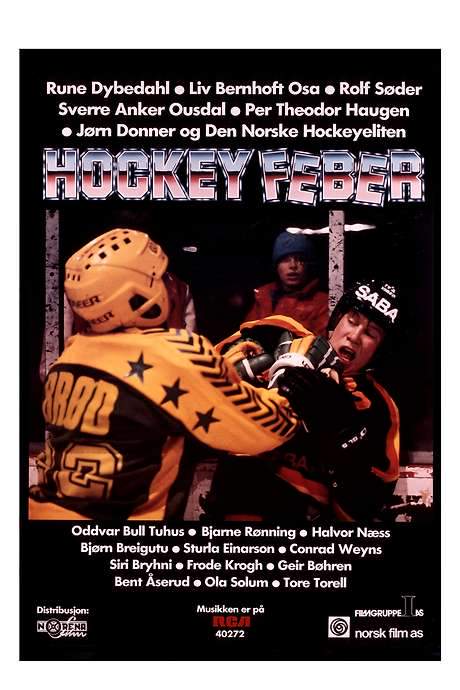



Hockeyfeber Plot Summary
Read the complete plot summary and ending explained for Hockeyfeber (1983). From turning points to emotional moments, uncover what really happened and why it matters.
Hockeyfeber pulls you into a world where the battles on the ice are only part of the story, and the real drama unfolds in the harsh, unglamorous environment that amateur sport often inhabits. The Manglerud Star hockey team is sliding down from the first division, and the season soon reveals that talent alone isn’t enough to survive when budgets tighten, sponsors demand results, and every choice is measured against the clock and the cash register.
At the heart of the film is a quiet, stubborn romance between Ricky Rune Dybedahl and Vera Liv Bernhoft Osa. Ricky’s devotion to the game is palpable, but his love for Vera adds a personal pressure that complicates his training schedule and his ability to keep pace with escalating expectations. The two characters must navigate the collision between personal happiness and the brutal discipline required to qualify for the next season, a tension that many players in similar situations will recognize. Ricky’s struggle is not just about time management; it’s about balancing a budding relationship with the all-consuming grind of practice, drills, and the constant push to prove oneself.
The film does not shy away from depicting the club’s internal climate. The management, after all, is hungry for change: they dream of fresh fundraising methods and a coach with an international reputation who can lift the team back to its former prestige. These ambitions bring a new energy to the rink, but they also expose the fragility of the team’s cohesion. The pursuit of sponsorships, the recruitment of new players, and the lure of a high-profile coach highlight a growing cynicism that can creep into any sports organization when money and status threaten to overshadow teamwork and shared joy. The atmosphere becomes a study in how ambition and commerce can reshape a sport that is, at its core, about community and camaraderie.
As the season unfolds, the film threads in the darker facets of the sports world—money pressures, the omnipresent specter of violence in competition, and the way private lives collide with public expectations. These elements are not sensationalized; they are presented in a grounded, almost documentary-like manner that makes the hockey environment feel real and lived-in. The players are shown wrestling with fear, fatigue, and the creeping sense that their identities as athletes are inseparable from their identities as people with hopes, dreams, and responsibilities beyond the rink.
The supporting figures populate this world with a mix of authority, ambiguity, and vulnerability. Haukland Sverre Anker Ousdal stands as a presence within the club’s evolving hierarchy, while the enigmatic Mr. Big Wilfred Breistrand embodies the financial forces that push the team toward riskier bets and brighter futures. Frank Hansen Rolf Søder and Gunnar Per Theodor Haugen anchor the story with their seasoned perspectives, reminding viewers that behind every decision on sponsorship, coaching, or player recruitment lies a human history of loyalty, disappointment, and hard-won wisdom. Each character adds a layer to the tapestry of the team, illustrating how many lives orbit a single season of sport.
Throughout, the film remains faithful to its central thesis: the hockey world can be as cutthroat as it is passionate, and the true test lies not only in athletic prowess but in resilience, integrity, and the stubborn ability to find joy in the game even when the odds are stacked against you. The narrative respects the sport’s rhythms—the late-night practices, the quiet moments before a game, the tension of a season hanging in the balance—while offering a compassionate look at the people who play, coach, sponsor, and support it.
In the end, Hockeyfeber is less a simple sports story and more a humane portrait of how a community negotiates fame, funding, and friendship under pressure. It invites audiences to witness the emotional weather of a team that must endure both the cold of the rink and the warmer but more volatile heat of ambition. It’s a portrayal that honors the sport’s joys while never shying away from its challenges, leaving viewers with a clear sense of why the ice remains the most honest stage for people who believes in a team, a dream, and a season worth fighting for.
Hockeyfeber Timeline
Follow the complete movie timeline of Hockeyfeber (1983) with every major event in chronological order. Great for understanding complex plots and story progression.
Team relegation from first division
Manglerud Star is moving down from the first division, marking a turning point for the club. The downgrade colors the season with pressure from sponsors, fans, and players as they face tougher competition ahead. The mood shifts from ambition to survival as resources tighten.
Ricky meets Vera and falls in love
Ricky meets Vera, a woman involved with horses, and a romance begins. The new relationship adds emotional tension as Ricky tries to juggle practice, travel, and come-backs. Their bond becomes a counterpoint to the demanding training regime.
Balancing love and training
Ricky struggles to juggle romantic commitments with the intense training regimen required to qualify for the following season. He fears that time with Vera will cut into practice, travel, and recovery. Coaches and teammates notice his distraction, which begins to affect on-ice performance.
Deteriorating morale among players
With the team's struggles, players experience depression and fatigue. Friendship and the joy of playing hockey are at stake as losses mount. The harsh environment tests loyalty and resilience.
Managers propose fundraising strategies
Club managers brainstorm new ways to raise money to keep the team afloat. They explore sponsorship deals and innovative fundraising methods to stabilize finances. The tension between maintaining competitive integrity and securing funds becomes a recurring theme.
Desire for an international coach
The management expresses a hunger for a coach with an international profile to lift the team. They see a high-profile appointment as essential to turn the tide and attract attention from sponsors. The decision process introduces new dynamics and expectations.
Recruitment and sponsorship race
Efforts to recruit players intensify as competition stiffens and sponsor interest grows more selective. The club tries to assemble talent while negotiating terms with sponsors who demand results. The balance between risk and reward becomes a central challenge.
Financial strains and private life impact
Money problems seep into daily life, affecting training, equipment, and travel. Players feel the squeeze as budgets tighten and expectations rise. The intertwining of money, sport, and private life creates a cynical atmosphere.
Instances of violence in sport
The film highlights violence in sport, illustrating how pressure can spill into on-ice conduct. An incident during a mid-season game underscores the fragility of professional behavior. The event forces the team to confront the consequences of a win-at-all-costs mindset.
Strain on team spirit
Rising tensions threaten the cohesion and camaraderie that once defined the team. Practices become more mechanical as players drift apart emotionally. The club grapples with sustaining a sense of community amid financial and competitive pressures.
Approach to the end of season
The team confronts whether to push for a comeback or accept the constraints of relegation. The pressures of funding, recruitment, and personal relationships culminate in a defining moment. The season nears its end with tough decisions about the club's future.
Season outcome and reflection
Whether the team achieves sporting success or not, the film underscores the real costs of pursuing wins. It highlights the impact of money, sponsorship, and private life on the sport's integrity. The ending emphasizes resilience and the need to preserve community despite harsh realities.
Hockeyfeber Characters
Explore all characters from Hockeyfeber (1983). Get detailed profiles with their roles, arcs, and key relationships explained.
Ricky (Rune Dybedahl)
A player on Manglerud Star who struggles to balance intense training with his relationship to Vera. His mood is affected by the club’s pressure to perform and secure sponsorships, highlighting the personal toll of professional-grade expectations on amateur athletes.
Vera (Liv Bernhoft Osa)
Involved with horses and the love interest of Ricky, Vera’s life intersects with the hockey world through Ricky’s ambitions. Her relationship with him becomes a lens on how sport and personal life collide under a demanding sponsorship-driven environment.
Haukland (Sverre Anker Ousdal)
A figure in the management/coach side of the team, involved in evaluating sponsorships and international coaching options to rebuild the club’s prospects as it slides down from the first division.
Hockeyfeber Settings
Learn where and when Hockeyfeber (1983) takes place. Explore the film’s settings, era, and how they shape the narrative.
Location
Ice hockey rink
The film largely unfolds in the hockey environment, centered on the ice rink where Manglerud Star trains and competes. The arena serves as a backdrop to tough practices, late-night sessions, and the constant push from sponsors that shapes team decisions. The setting highlights the cold, disciplined atmosphere of amateur hockey where camaraderie is tested.
Hockeyfeber Themes
Discover the main themes in Hockeyfeber (1983). Analyze the deeper meanings, emotional layers, and social commentary behind the film.
💰
Sponsorship
The story shows managers eager to raise funds through sponsorships, illustrating how money can steer team choices, coaching hires, and the overall direction of the club.
🤝
Team Spirit vs Pressure
Players face a tension between maintaining friendship and joy of the sport and the brutal demands of training, competition, and external expectations that threaten the communal bond of the team.
⚖️
Ethics in Sport
The film touches on issues of money and violence in sports, prompting reflection on fairness, integrity, and the human cost of pursuing success through dubious means.

Coming soon on iOS and Android
The Plot Explained Mobile App
From blockbusters to hidden gems — dive into movie stories anytime, anywhere. Save your favorites, discover plots faster, and never miss a twist again.
Sign up to be the first to know when we launch. Your email stays private — always.
Explore the mobile appHockeyfeber Spoiler-Free Summary
Discover the spoiler-free summary of Hockeyfeber (1983). Get a concise overview without any spoilers.
The film drops viewers into the raw, chilled world of amateur hockey, where the Manglerud Star team fights to halt its slide from the top division. Beyond the clatter of sticks and the echo of roaring crowds, the rink becomes a crucible for everyday struggles—tight budgets, demanding sponsors, and the relentless quest for relevance. The atmosphere is gritty and documentary‑like, letting the cold of the ice mirror the harsher realities that shape each player’s life off the surface.
At the heart of the story is a quiet, stubborn romance between Ricky and Vera. Ricky’s devotion to the sport is palpable, yet his burgeoning relationship pulls him in a direction that conflicts with the grueling schedule and mounting expectations of a club desperate for a turnaround. Around them, the organization teeters between the nostalgic camaraderie of a close‑knit community and the cynical pull of commercial ambition, as management eyes fresh fundraising ideas, a high‑profile coach, and the ever‑looming demands of sponsors.
The supporting cast deepens the portrait of a team in flux. Haukland stands as a steady presence within the evolving hierarchy, while the enigmatic Mr. Big embodies the financial forces that push the club toward riskier bets. Veteran voices like Frank Hansen and Gunnar offer seasoned perspectives, reminding viewers that every strategic decision is rooted in personal histories of loyalty, disappointment, and hard‑won wisdom. Together, they illuminate a world where passion and profit collide, and where the true test lies not just in athletic skill but in the resilience, integrity, and fragile joy that keep the ice alive.
Movies with Similar Twists and Themes
Uncover films that echo the narrative beats, emotional arcs, or dramatic twists of the one you're exploring. These recommendations are handpicked based on story depth, thematic resonance, and spoiler-worthy moments — perfect for fans who crave more of the same intrigue.




Featured on this page

What's After the Movie?
Not sure whether to stay after the credits? Find out!
Check out our other apps:

SAT Sphere
Build confidence for the Digital SAT.

Mori Atlas
Discover wild places worth protecting.

Luntero
Search smarter for a home in Amsterdam.

Plot Explained
Unravel movie endings and hidden clues.

Pokechamp
Dive into Pokémon data and battle logic.

Driving Theory
Get ready for your European theory test.

Movie Dust
Plan your next cinema trip with ease.

Musemap
Find art and culture as you travel.

Selkobase
Compare credentials before committing.

Local Manual
Turn an unfamiliar country into practical next steps.

Lernavi
Compare school systems before your next move.

GymRoam
Find a workout stop wherever your plans take you.
Explore Our Movie Platform
New Movie Releases (2026)
Famous Movie Actors
Top Film Production Studios
Movie Plot Summaries & Endings
Major Movie Awards & Winners
Best Concert Films & Music Documentaries
Movie Collections and Curated Lists
© 2026 What's After the Movie. All rights reserved.
Privacy Policy