What Is Hunger About?
The premise of Hunger in 373 words, with nothing given away. The full story follows below.
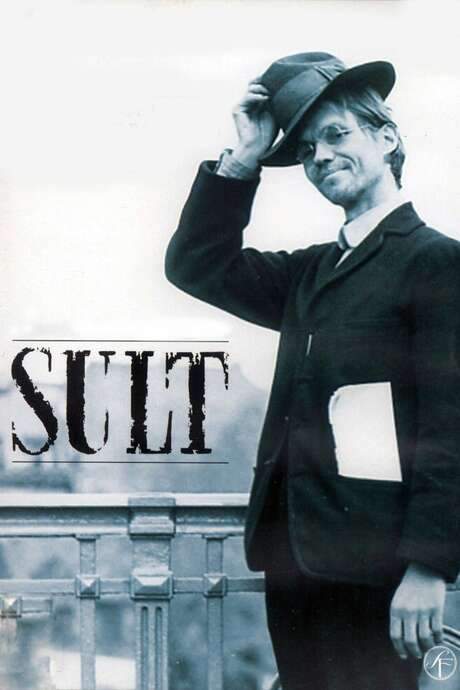
Set in the cold, unforgiving streets of 1890 Christiania—modern-day Oslo—Hunger paints a stark, atmospheric portrait of a man teetering on the edge of existence. The story introduces Pontus, an impoverished writer wandering the city with a spirit that defies his emaciated frame. He arrives with high hopes of publishing his work and perhaps finding connection, but the urban landscape offers little comfort to a man of letters without means. The film quickly establishes a world where survival is a daily, grueling negotiation with dignity, and the cobblestone streets become a stage for a desperate dance between ambition and despair.
Pontus is a complex protagonist, defined by a paradoxical blend of crushing poverty and soaring pride. As hunger erodes his physical strength, his grip on reality begins to fray, leading to moments where the line between the world as it is and the world as he imagines it blurs dangerously. He clings to a fragile hope, yet his own nature often stands as his greatest obstacle. His refusal to compromise his self-worth—even when destitution begs him to—creates a tension that drives the narrative, making his struggle as much psychological as it is physical.
The film captures the erratic rhythm of his days, punctuated by fleeting encounters that test his resolve. From the indifferent reception of newspaper editors to the magnetic pull of a refined woman named Ylajali, every interaction is charged with a manic, shifting energy. The city itself seems to press in on him, a backdrop of indifference against which his moods swing wildly from fleeting joy to bitter curses. It is a profound study of the human spirit pushed to its limit, where the primal need for sustenance wars with the equally vital need for identity.
Through it all, Pontus remains a figure of tragic defiance. The film does not offer easy answers, instead inviting the viewer to witness the slow, harrowing erosion of a man who refuses to let go of his aspirations. As his reality slips and withers, the audience is left to wonder how long pride can sustain a man when his body begins to fail. Hunger is a haunting exploration of what remains when everything else is stripped away, capturing the resilience of the soul amidst relentless defeat.
What Happens in Hunger?
The complete story of Hunger, from the first scene to the last, in 330 words (about 1 minute). Spoilers throughout. Names in the text link to 5 cast member pages.
Spoilers ahead
In 1890 Kristiania (Oslo), Pontus Per Oscarsson, an impoverished and lonely writer, arrives from the countryside. He stands on a bridge, overlooking running water, writing, yet he is clearly starving. He visits a pawnbroker Osvald Helmuth several times, pawning his waistcoat for a few coins and giving the money to a beggar. Money that falls into his hands he also gives away, a quiet testament to a self-imposed poverty that defines his days. He has written an article that a newspaper editor Henki Kolstad agrees to publish if he makes some corrections, but Pontus is too proud to accept an advance, so he leaves elated but still hungry.
He begs a bone for his fictitious dog, gnawing on it secretly in an alley. He often has chances to improve his situation, but his pride usurps his need, such as when he declines the much-needed help of a worried friend. When he is unable to pay his rent, the landlady Else Heiberg evicts him. Another landlady shortly does the same, underscoring a life that seems to shrink around him.
Hunger is a constant weight as Pontus drifts between hallucination and reality while struggling to survive. He endures humiliations that push him toward the edge of insanity, his days punctuated by small acts of defiance and stubborn pride. He applies for an accounting job but is rejected, and even a hopeful shot at becoming a fireman falls apart when he fails a physical exam because he wears glasses. One vivid hallucination centers on Ylajali Gunnel Lindblom, a refined woman he has encountered on the street. Despite their mutual flirtations, nothing ever develops between them in the waking world.
In a sudden impulse, Pontus takes a job as a crew member on an outbound freighter, stepping onto the deck with a mix of resolve and uncertainty. His destination remains unknown, and so the journey begins, carrying the weight of a man who clings to dignity even as the city swallows more of him.
Hunger Timeline: Every Key Event in Order
14 key events in the order they happen, from “Pontus arrives in Kristiania” to “Departure to an unknown destination”. 14 events name a place, across 14 locations.
- 1
Pontus arrives in Kristiania
In 1890 Kristiania, Pontus, an impoverished writer, arrives from the countryside with little money and a head full of ambitions. He is hungry and lonely, looking for a place to belong and a chance to publish his work. The city promises opportunity but also overwhelming hardship.
When:1890 Where:Kristiania (Oslo)
- 2
Bridge moment: writing in poverty
On a bridge overlooking running water, Pontus writes while starving. The scene captures his fragile resolve and the tension between creativity and need. He uses the moment to frame his struggle as he contemplates the next move.
When:1890 Where:Bridge over water, Kristiania
- 3
Pawnbroker visits and waistcoat sold
Pontus visits a pawnbroker several times and sells his waistcoat for a few cents. He then gives the money to a beggar, revealing a mix of pride and generosity that fuels his fragile dignity. He continues to endure hunger while trying to scrape by.
When:1890 Where:Pawnbroker shop, Kristiania
- 4
Article offered for publication
He has written an article that a newspaper editor agrees to publish if he makes corrections. Pontus, proud and stubborn, refuses to take an offered advance, believing in the integrity of his work. He leaves elated yet still hungry, clinging to pride over practicality.
When:1890 Where:Newspaper office, Kristiania
- 5
Famine fantasy: the dog bone
Pontus begs a bone for his fictitious dog and gnaws it in an alley, a moment that crystallizes his hunger and the thin line between reality and illusion. The scene emphasizes how deprivation colors his perception of the world. It shows how far he will go to sustain a sliver of dignity.
When:1890 Where:Alleyway, Kristiania
- 6
Pride overrules help from a friend
A worried friend offers assistance, but Pontus declines, his pride blocking practical relief. The refusal deepens his vulnerability and signals that dependence on others is a risk he won't take. The moment foreshadows more humiliations ahead.
When:1890s Where:Street/various in Kristiania
- 7
First eviction by landlady
When Pontus cannot pay rent, the landlady evicts him, a crushing blow that underscores his precarious existence. The eviction marks a turning point from wandering hunger to a more desperate struggle for shelter. He must move again with nowhere stable to live.
When:1890s Where:Landlady's residence, Kristiania
- 8
Second eviction reinforces ruin
A second landlady follows with the same fate, amplifying the sense of social invisibility that Pontus faces. The repeated expulsions strip away any remaining sense of security. The city becomes an obstacle course of humiliation and hunger.
When:1890s Where:Another landlady's residence, Kristiania
- 9
Hunger blurs reality and fantasy
As hunger tightens its grip, Pontus drifts between hallucination and reality, enduring humiliations that erode his sanity. The mind struggles to stay anchored while the body pleads for relief. This inner turmoil mirrors his external instability.
When:1890s Where:Kristiania streets
- 10
Hallucination of Ylajali
One persistent hallucination centers on Ylajali, a refined woman he has encountered in the street. Their imagined interactions reveal his longing for social romance and status that never materialize. The vision stands in contrast to his grim reality.
When:1890s Where:Street encounter, Kristiania
Show the other 4 events of Hunger Hide the last 4 events
- 11
Attempts to secure an accounting job
Pontus applies for an accounting job, hoping for steady work and a path out of poverty. The process highlights his continuing desire for legitimacy and a respectable role in society. He faces the gap between aspiration and actual opportunity.
When:1890s Where:Employment office, Kristiania
- 12
Denied by the fire department exam
He undergoes a physical exam to become a fireman but is rejected because he wears glasses. The denial underscores how even small impediments can become insurmountable obstacles for someone in his position. The rejection reinforces his precarious hold on a stable future.
When:1890s Where:Fire department exam location, Kristiania
- 13
Pontus joins an outbound freighter
On a sudden impulse, Pontus takes a job as a crew member on an outbound freighter. The destination remains unknown, leaving his future open and unsettled. The decision signals a final, decisive turn toward movement rather than stagnation.
Where:Kristiania port / freighter
- 14
Departure to an unknown destination
With no clear plan, Pontus departs aboard the freighter, stepping into uncertainty as his only option left. The journey embodies his perpetual struggle between dignity and desperation. The film closes on a note of continued instability and the lure of escape.
Where:Port of Kristiania / onboard freighter
Who Are the Main Characters in Hunger?
6 characters, among them Pontus (Per Oscarsson), Ylajali (Gunnel Lindblom) and Landlady (Else Heiberg): who each one is and the part they play in the story. Every profile links to the actor’s page.
- P(
Pontus (Per Oscarsson)
Played by Per Oscarsson
An impoverished and proud writer who arrives in Kristiania, forever hungry and on the edge of collapse. His pride causes him to reject practical help and opportunities, leading to isolation and continued hardship. The film follows his frugal, self-sacrificing gestures and the toll hunger takes on his sense of self.
- 🖋️ Writer
- 🥖 Hunger
- 💔 Pride
-
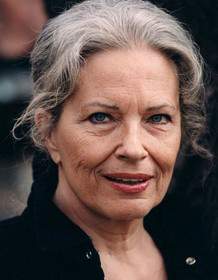
Ylajali (Gunnel Lindblom)
Played by Gunnel Lindblom
A refined woman Pontus fantasizes about; she represents an unattainable ideal. Their mutual flirtations exist only in Pontus's imagination, never translating into real life. She embodies longing and the allure of social elevation beyond his reach.
- 🪞 Illusion
- 💗 Longing
- L(
Landlady (Else Heiberg)
Played by Else Heiberg
A stern, unyielding landlady who enforces eviction and embodies the harsh, indifferent side of urban survival. Her presence underscores the vulnerability of tenants who cannot meet rising rents. She personifies the cold mechanics of a city that loses compassion for the poor.
- 🏚️ Authority
- 💬 Stern
- P(
Pawnbroker (Osvald Helmuth)
Played by Osvald Helmuth
The pawnbroker Pontus visits to salvage anything of value, a symbol of the economy that monetizes poverty. The exchanges reveal both moments of fleeting relief and the inescapable grip of debt. His interactions highlight the transactional nature of survival in the city.
- 💰 Moneylender
- 🗝️ Transaction
- E(
Editor (Henki Kolstad)
Played by Henki Kolstad
The newspaper editor who agrees to publish Pontus's piece only after corrections, illustrating the tension between art and commercial interests. Pontus's pride clashes with the editor's pragmatism, shaping the mental and practical challenges he faces. The dynamic comments on the precarious path to recognition.
- 🖊️ Editor
- 📜 Publication
- LG
Little girl (Lise Fjeldstad)
Played by Lise Fjeldstad
A small figure encountered in the city, illustrating moments of innocence amid harsh urban life. Her presence contrasts with Pontus's desperation and highlights the everyday human scenes that surround his struggle. She embodies the fragility and hope present in the streets.
- 👶 Child
- 🧭 Innocence
Where and When Is Hunger Set?
Hunger is set in Kristiania (Oslo) (1890). Here is why the time and place matter to the story.
When
1890
Set in 1890 Kristiania, the film captures a city on the cusp of modernity, where rapid urbanization sharpens social divides. The era's harsh economic conditions, night streets, and crowded tenements frame Pontus's hunger and pride. The period's pressures push him toward drastic, risky choices in pursuit of dignity.
Where
Kristiania (Oslo)
Kristiania in 1890 is depicted as a crowded, damp capital where the urban poor struggle to survive. The city serves as a stage for pawnbrokers, landlords, and street life that feed Pontus's hunger and humiliation. Its social margins form the backdrop for a writer's downfall, where pride and poverty collide on the streets.
- 🏙️ City
- 💸 Poverty
- 🏚️ Evictions
What Are the Themes of Hunger?
3 ideas the story keeps returning to, among them Poverty, Pride and Hallucination.
-
01
Poverty
Pontus's hunger dictates every action, driving him to pawn possessions and give money away to strangers. He refuses help even when offered, equating assistance with failure. The film uses hunger to explore societal neglect and the fragility of dignity.
-
02
Pride
Pontus's stubborn pride blocks practical support from friends and institutions. He declines the editor's advance, clinging to self-reliance rather than securing relief. Pride becomes a double-edged force, sustaining his self-image while deepening his ruin.
-
03
Hallucination
As hunger gnaws, Pontus drifts between reality and illusion, most vividly in the imagined encounter with Ylajali. The hallucination reveals his longing for refinement and connection he cannot attain in the real world. The dream offers a coping mechanism that never resolves his plight.
What Kind of Film Is Hunger?
Melancholic in tone, with slow pacing and a straightforward story, going by the plot summary.
- Tone
- Melancholic
- Pacing
- Slow
- Story
- Straightforward
- Intensity
- High
- Ending
- Ambiguous
A slow, gritty descent into desperation, this film immerses you in the hallucinatory world of a starving artist clinging to pride amid overwhelming suffering and social humiliation.
- desolate
- lonely
- hallucinatory
- oppressive
- prideful
- gritty
- starving artist
- poverty and pride
- mental decline
- man vs society
Content notes: starvation, mental instability, poverty, eviction, psychological distress.
Quiz
How well do you remember Hunger? Test yourself on the story.