What Is Here Come the Videofreex About?
The premise of Here Come the Videofreex in 263 words, with nothing given away. The full story follows below.
In the restless pulse of the 1960s and 70s, a new kind of news‑maker begins to emerge: a loose‑knit crew armed with the era’s first handheld video cameras. This daring group—Videofreex—takes the camera out of the studio and onto the streets, into protest rallies, into artist lofts, and even into the living rooms of ordinary people. Their mission is simple yet radical: to make media as immediate and portable as the conversations they capture, turning the act of filming itself into a form of activism.
The world they inhabit is a collage of countercultural energy, where traditional broadcast towers loom like distant, impersonal monoliths while makeshift pirate stations flicker in upstate New York’s forests. The tone of the film is buoyant and inquisitive, celebrating the sheer enthusiasm of a generation that believes technology can democratize truth. Interviews, archival footage, and restored tapes swirl together, painting a picture that feels both intimate and expansive—an invitation to see history through the unfiltered lenses of those who chose to be on the front lines of media rebellion.
At the heart of the story are the personalities that give the collective its restless spirit. Visionaries and idealists alike grapple with the excitement of invention and the weight of responsibility that comes with wielding a new, powerful tool. Their camaraderie, debates, and shared moments of discovery hint at a larger narrative about the power of grassroots voices. As the camera rolls, the audience senses a living laboratory where art, journalism, and protest intersect, promising that the legacy of these early experiments still echoes in today’s all‑access media landscape.
What Happens in Here Come the Videofreex?
The complete story of Here Come the Videofreex, from the first scene to the last, in 274 words (about 1 minute). Spoilers throughout. Names in the text link to 1 cast member page.
Spoilers ahead
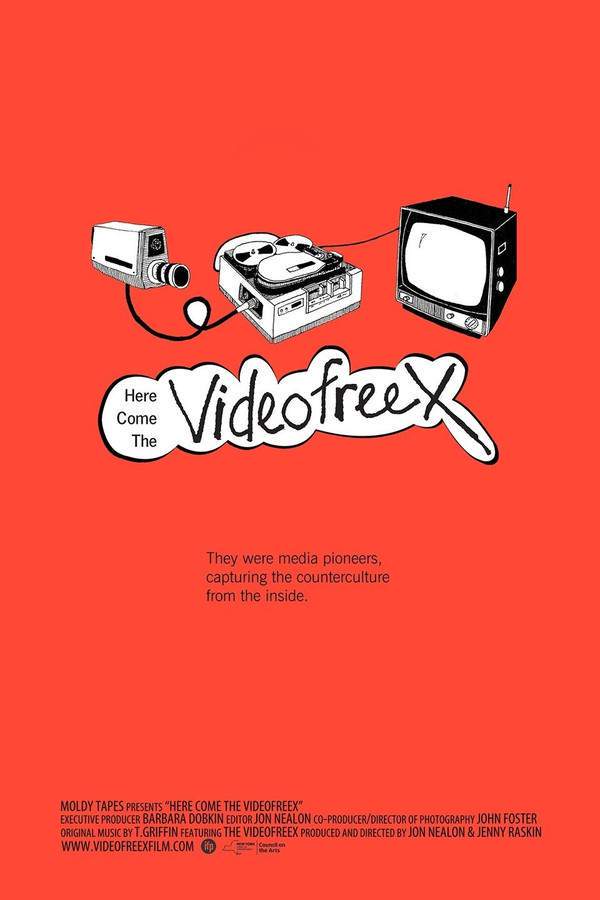
In the vivid backdrop of the 1960s and 70s, a revolutionary group of journalists, identified as the Videofreex, took bold strides in reshaping the media landscape. Equipped with the very first handheld video cameras, they engaged in reporting and documenting their surroundings in a dynamic and accessible manner. The documentary, HERE COME THE VIDEOFREEX, directed by Jon Nealon and Jenny Raskin, delves deep into a remarkable archive of restored tapes shot by this pioneering collective. Among the invaluable footage are interviews with significant figures such as the slain Black Panther leader Fred Hampton and the inspiring activist Abbie Hoffman.
Tracing the journey of the Videofreex, the film chronicles their initial engagement with CBS News on the counterculture beat, which later led to a significant break from the network. This pivotal moment resulted in the establishment of a radical pirate television station in upstate New York, marking a turning point in their mission to democratize media access. The documentary has been recognized as an official selection at respected events like the Full Frame Documentary Film Festival and BAMcinemaFest, underscoring its importance and cultural resonance.
With an air of enthusiasm and a focus on the revolutionary use of technology, HERE COME THE VIDEOFREEX highlights how the Videofreex fundamentally transformed journalism through the advent of portable video. Their innovative approach laid the groundwork for what has evolved into today’s extensive all-access media landscape, illustrating a legacy that continues to influence contemporary society. The film stands as a testament to the power of grassroots movements and the ongoing impact of activism in media, reminding us of the vital role that independent voices can play in shaping public discourse.
Here Come the Videofreex Timeline: Every Key Event in Order
10 key events in the order they happen, from “Emergence of the Videofreex” to “Legacy of the Videofreex”.
- 1
Emergence of the Videofreex
In the early 1960s, a group of visionary journalists formed the Videofreex, setting out to alter the media landscape forever. They harnessed the potential of handheld video cameras, embarking on a journey to democratize storytelling and journalistic practices.
When:1960s
- 2
First Assignments with CBS News
The Videofreex secured assignments covering the counterculture beat for CBS News, marking the beginning of their impact on mainstream media. During this time, they captured the vibrant spirit of social movements and cultural revolutions occurring across the United States.
When:1960s
- 3
Interviews with Iconic Figures
Utilizing their innovative approach, the group conducted interviews with prominent figures like Black Panther Fred Hampton and activist Abbie Hoffman. These candid conversations provided unique insights into the struggles and motivations behind the radical movements of the era.
When:1960s
- 4
Rupture with CBS News
As the Videofreex's vision for journalism grew bolder, tensions escalated with CBS News, ultimately leading to a rupture. This schism allowed them the freedom to pursue their own path, unencumbered by corporate constraints.
When:Late 1960s
- 5
Creation of Pirate Television Station
Following their split from CBS, the Videofreex established a radical pirate television station in upstate New York. This move represented a pivotal shift in their mission, as they sought to create an alternative media platform that reflected the voices of the marginalized.
Where:Upstate New York
- 6
Showcasing Underground Culture
Through their pirate television station, the Videofreex showcased the underground culture and grassroots movements of the time. This included art, music, and political activism that mainstream media often overlooked or misrepresented.
When:1970s
- 7
Impact on Journalism
The innovative practices of the Videofreex revolutionized the field of journalism, allowing for greater access and representation. By utilizing portable video technology, they paved the way for future media outlets to break traditional barriers.
When:1970s
- 8
Restoration of Historic Tapes
Years later, the documentary directors Jon Nealon and Jenny Raskin discovered and restored a treasure trove of tapes shot by the Videofreex. These recordings provided a vital historical record of a transformative period in media history.
When:2000s
- 9
Documentary Premieres
HERE COME THE VIDEOFREEX premiered as an official selection at renowned film festivals, including the Full Frame Documentary Film Festival and BAMcinemaFest. The documentary garnered attention for its rich archival content and relevance to contemporary media.
When:2020
- 10
Legacy of the Videofreex
The legacy of the Videofreex lives on as their contributions helped shape today's all-access media environment. Their revolutionary use of technology continues to influence how stories are told and who gets to tell them.
Where and When Is Here Come the Videofreex Set?
Here Come the Videofreex is set in Upstate New York (1960s - 1970s). Here is why the time and place matter to the story.
When
1960s - 1970s
The 1960s and 70s were a time of significant social upheaval and transformation in the United States. It was marked by civil rights movements, anti-war protests, and the burgeoning counterculture, which all played a critical role in shaping the landscape of media and communication. This era paved the way for new forms of journalism and expression through innovative technologies.
Where
Upstate New York
Upstate New York is known for its picturesque landscapes, charming small towns, and historical significance during the counterculture movement of the 1960s and 70s. It became a hub for radical thinkers and innovators, including the Videofreex, who sought to challenge traditional media narratives and create alternative platforms for expression.
- 🏙️ City
- 🌳 Nature
What Are the Themes of Here Come the Videofreex?
2 ideas the story keeps returning to, among them Media Revolution and Activism.
-
01
Media Revolution
The film explores the theme of a media revolution, highlighting how the Videofreex utilized handheld video cameras to democratize journalism. Their innovative approach not only challenged the mainstream media narratives but also inspired future generations to explore new storytelling methods. This legacy emphasizes the importance of accessibility and creativity in media.
-
02
Activism
Activism is at the heart of the Videofreex's mission as they engaged with pivotal social issues of their time. Through their work, they amplified marginalized voices and fostered a community connected by radical ideas and social change. The documentary showcases how their activism through media played a crucial role in shaping public awareness.
What Kind of Film Is Here Come the Videofreex?
Hopeful in tone, with steady pacing and a moderate story, going by the plot summary.
- Tone
- Hopeful
- Pacing
- Steady
- Story
- Moderate
- Intensity
- Medium
- Ending
- Happy
An inspiring and energetic documentary that captures the revolutionary spirit of a pioneering video collective, celebrating their enthusiastic, grassroots efforts to reshape media and empower independent voices.
- inspiring
- nostalgic
- energetic
- revolutionary
- enthusiastic
- thought-provoking
- media history
- counterculture
- activism
- grassroots journalism
Quiz
How well do you remember Here Come the Videofreex? Test yourself on the story.