What Is Hellzapoppin’ About?
The premise of Hellzapoppin’ in 324 words, with nothing given away. The full story follows below.
In a bustling studio where the line between stage and screen blurs into pure pandemonium, a celebrated revue known for its slap‑stick mayhem and musical extravagance attempts its first cinematic incarnation. The picture is built around relentless sight gags, sudden musical numbers, and a self‑aware humor that constantly shatters the fourth wall, inviting the audience to watch a film that feels like a wild, unfinished circus. The setting is a kaleidoscopic blend of backstage corridors, glittering soundstages, and the occasional surreal projection that hints at a reality where anything can slide, collapse, or explode at a moment’s notice.
At the heart of the chaos are the unstoppable duo Ole Olsen and Chic Johnson, playing exaggerated versions of themselves as they tumble from one prank to the next, determined to keep their anarchic spirit alive even as Hollywood machinery pushes for order. Their antics draw the attention of the harried director Richard Lane, who strives to harness their energy while explaining the limits of such unbridled comedy on film. Meanwhile, the nervous screenwriter Harry Selby sketches a conventional romance in the margins of the script, hoping to balance the mayhem with a tender subplot. The studio’s projectionist Louie watches the unfolding spectacle from the booth, his own world of reels and slides echoing the film’s frenzied rhythm.
The romantic thread centers on a hopeful theater producer‑composer Jeff Hunter and the wealthy, slightly aloof ingénue Kitty Rand, whose budding affection is constantly nudged, or nudged away, by the surrounding turmoil. Adding to the swirl are Betty, Chic’s flamboyant sister whose flirtations intersect with the dashing leading man Pepi, and the eccentric magician‑detective Quimby, whose presence promises additional layers of absurdity. Together these characters inhabit a universe where musical numbers erupt without warning, props take on lives of their own, and the very act of filmmaking becomes a riotous game, setting the stage for a comedy that revels in chaos as much as it does in charm.
What Happens in Hellzapoppin’?
The complete story of Hellzapoppin’, from the first scene to the last, in 410 words (about 2 minutes). Spoilers throughout. Names in the text link to 9 cast member pages.
Spoilers ahead
Louie, Shemp Howard, the projectionist of the Universal Theatre, starts showing a musical pageant of chorus girls promenading down a grand staircase. The moment the dancers reach the top, the stairs collapse and morph into a slide that yanks them into a bleak, hellish realm where demons torment them. In the middle of this surreal chaos, Ole Olsen and Chic Johnson (playing themselves) arrive by taxi, sparking a string of pranks that gradually reveal they’re not in a backstage mishap at all but on a movie soundstage.
They are soon hounded by the film’s director, Richard Lane, who tries to rein in the mayhem and explain that their anarchic humor won’t translate to the big screen. Into this meta-setup steps the mousy screenwriter Harry Selby, Elisha Cook Jr., who sketches out his adaptation of the play. What unfolds is a tongue-in-cheek depiction of Selby’s proposed romance-driven plot: theater producer-composer Jeff Hunter, Robert Paige, hopes to marry wealthy ingénue Kitty Rand, Jane Frazee, but keeps his distance because her fiancé is his best friend, Woody Taylor, Lewis Howard.
The story then shifts to the Rand estate, where Olsen and Johnson (the two established disruptors) arrive with an arsenal of props for a lavish musical revue Jeff is mounting for Kitty. They are immediately dissatisfied with the idea of turning their revue into a conventional Hollywood production and proceed to derail the adaptation’s narrative and the budding romance in every clever, chaotic way. Chic’s sister Betty, Martha Raye, is a whirlwind of flirtation who pursues Pepi, Mischa Auer, the revue’s leading man and a dashing former Russian nobleman. After a series of scrapes and escapades—including frequent run-ins with the magician-detective Quimby, Hugh Herbert—and a swarm of technical glitches during the projection, Jeff’s revue finally lights up for a society audience.
Yet Olsen and Johnson never stop sabotaging the musical ensembles, casting an ever-present shadow over the proceedings. Despite their interference, the revue proves to be a hit, and Jeff Hunter wins Kitty Rand, delivering a satisfying, if chaotic, happy ending for the central romance.
As the frame finally shifts back to the studio, Selby completes his narration of the script. Olsen and Johnson take their leave of the set, while the frustrated director shoots the screenwriter—who, remarkably, is not injured and instead drinks a glass of water that causes him to leak like a sieve, adding one final comic twist to a film that constantly blurs the line between fiction and cinema.
Hellzapoppin’ Timeline: Every Key Event in Order
14 key events in the order they happen, from “Opening pageant chaos” to “Director shoots the screenwriter”. 14 events name a place, across 14 locations.
- 1
Opening pageant chaos
Louie, the projectionist at the Universal Theatre, begins showing a musical pageant of chorus girls promenading down a staircase. The staircase collapses and morphs into a slide that carries the dancers straight to hell, where they are tormented by demons. This opener sets the film's wild, meta physical comedy in motion.
Where:Universal Theatre
- 2
Olsen & Johnson arrive
Ole Olsen and Chic Johnson arrive by taxi amid the mayhem and, after a string of pranks, step back to reveal they are on a movie soundstage. Their antics blur the line between performance and reality as they interrupt the chaos. The gag signals the film’s self-awareness about making a movie.
Where:Universal film soundstage
- 3
Director's admonition
The film's director, Richard Lane, chases the duo and explains that their wild comedy won’t work in a conventional movie. He pushes for a more traditional approach, clashing with Olsen and Johnson. The moment reinforces the movie-within-a-m movie dynamic.
Where:Director's office on the soundstage
- 4
Selby outlines the adaptation
Screenwriter Harry Selby lays out his version of the story, framing a romance as the central plot. He sketches a scenario in which the audience will follow a new romantic dynamic, signaling the internal script that will drive the film’s main action.
Where:Selby’s office
- 5
Romance setup in the script
Selby’s proposed romance features Jeff Hunter, a theater producer-composer, who wants to marry Kitty Rand but won’t interfere because her fiancé is his best friend. The setup creates a classic love-triangle core for the comedy.
Where:Studio lot within Selby’s script
- 6
Rand estate arrival
Olsen and Johnson arrive at Kitty Rand’s palatial estate with props for an elaborate musical revue meant for Kitty. They express dissatisfaction that their revue is being repurposed into a conventional Hollywood movie. The mood is rife with behind-the-scenes sabotage.
Where:Rand estate
- 7
Revue vs. movie disruption
The duo intensify their meddling, disrupting the adaptation’s narrative and the central romance by any means possible. Their pranks ripple through the production, undermining the intended film and heightening the chaos. The line between stage and screen blurs even further.
Where:Rand estate / studio sets
- 8
Betty chases Pepi
Chic’s sister Betty pursues Pepi, the revue’s leading man and a former Russian nobleman, adding romantic and comic complications. Their schemes contribute to the film’s frenetic, farcical energy. The wandering pursuit spices up the on-set dynamics.
Where:Estate set / on-location set
- 9
Quimby’s interruptions
The production suffers from frequent run-ins with Quimby, a magician-detective who pops in as a kooky obstacle. His appearances compound the slapstick and add meta-textual layers to the shooting chaos. The orchestra of interruptions feeds the film’s playful chaos.
Where:Various studio sets
- 10
Projection problems mount
Technical problems plague the film as it’s being projected, turning the shooting into a running joke. The malfunctioning equipment mirror the characters’ attempts to force an unconventional story into a traditional movie format. The audience is kept off-balance by the on-screen mishaps.
Where:Projection booth / studio backlot
Show the other 4 events of Hellzapoppin’ Hide the last 4 events
- 11
Society audience performance
Jeff Hunter’s elaborate revue finally reaches the stage and is performed for a society audience. The production comes alive on the big night, delivering musical numbers despite the sabotage. The performance becomes a showcase for the film’s chaotic talents.
Where:Society ballroom / grand stage
- 12
Sabotage meets success
Olsen and Johnson continue undermining the revue’s ensembles, yet the show manages to succeed. Jeff ends up winning Kitty, securing a happy ending despite the mayhem. The meta-comedy resolves with a conventional romantic payoff.
Where:Stage / ballroom
- 13
Selby completes the narration
Screenwriter Selby finishes narrating his script, signaling the wrap of the internal plot. Olsen and Johnson bid farewell to the studio after their disruptive influence. The frame holds as the meta-story nears its conclusion.
Where:Studio
- 14
Director shoots the screenwriter
In a final twist, the frustrated director shoots Selby, who remains uninjured and unfazed. He quips about water leaking from a glass he drinks as he dissolves into a joking sigh, underscoring the film’s anarchic, boundary-pushing humor. The scene closes the film on a zany, irreverent note.
Where:Director’s set
Who Are the Main Characters in Hellzapoppin’?
14 characters, among them Louie (Shemp Howard), Ole Olsen and Chic Johnson: who each one is and the part they play in the story. Every profile links to the actor’s page.
- L(
Louie (Shemp Howard)
Played by Shemp Howard
Louie is the Universal Theatre's projectionist who kicks off the musical pageant and becomes an unwitting participant in the ensuing chaos. He acts as a steady observer while the stage and film worlds collide around him. His role underscores the film's love of meta mischief and visual gags.
- 🎬 Projectionist
- 😂 Comic foil
- 🧭 Curious
- OO
Ole Olsen
Played by Ole Olsen
Ole Olsen arrives as himself, a loud, gregarious presence who disrupts the proceedings with his classic vaudeville persona. He and Johnson push the action beyond the script, blurring lines between movie and performance. His antics fuel the anarchic energy of the revue.
- 🎭 Vaudeville icon
- 🕺 Showman
- CJ
Chic Johnson
Played by Chic Johnson
Chic Johnson, Olsen's partner, is a reckless prankster whose illusions and mischief derail the narrative at every turn. He thrives on loud gags and rapid-fire antics, constantly upending the planned revue. His energy is the heartbeat of the film's chaos.
- 🎭 Prankster
- 🕺 Showman
- KR
Kitty Rand
Played by Jane Frazee
Kitty Rand is the wealthy ingénue whose status and charm anchor the on-screen romance. Her engagement as a prize drives the plot's romantic aspirations and the star-producer dynamics. She embodies the glossy allure of the Rand estate world.
- 💫 Wealthy heiress
- 🎀 Socialite
- JH
Jeff Hunter
Played by Robert Paige
Jeff Hunter is a theater producer and composer intent on marrying Kitty Rand. He stages the elaborate revue, hoping to balance romance with a spectacular showcase. His ambitions set the frame for the film's central musical numbers.
- 🎬 Producer
- 🎶 Composer
- WT
Woody Taylor
Played by Lewis Howard
Woody Taylor is Kitty's fiancé and a friend of Jeff Hunter in the on-screen world. He embodies the conventional social expectations that complicate the lovers' relationship. His presence adds to the drama behind the lavish revue.
- 🎩 Gentleman
- 👫 Rival
- P
Pepi
Played by Mischa Auer
Pepi is the revue's leading man and a former Russian nobleman. His suave demeanor and theatrical presence make him a target of Betty's affections. He navigates the chaotic production with a mix of charm and humility.
- 💃 Leading man
- 🪶 Noble
- BJ
Betty Johnson
Played by Martha Raye
Betty is Chic's lively, man-crazy sister who chases Pepi. Her comedic energy fuels many of the film's flirtations and misunderstandings. She adds a farcical, playful layer to the backstage antics.
- 🎈 Flirt
- 🔥 Energetic
-
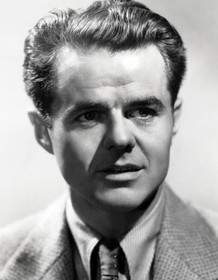
Harry Selby
Played by Elisha Cook Jr.
Harry Selby is the screenwriter who outlines his adaptation of the 'play.' He narrates the fictional script and becomes part of the film's meta commentary. His plans clash with the chaotic directions of Olsen and Johnson.
- 📝 Screenwriter
- 🧠 Witty
- Q
Quimby
Played by Hugh Herbert
Quimby is a magician-detective whose antics pop up amid the mayhem. He adds a layer of children’s magic-show mischief to the backstage shenanigans. His interventions further complicate the shifting narrative.
- 🪄 Magician
- 🕵️ Detective
- D
Director
Played by Richard Lane
The film's director is frustrated by the wild comedy and tries to steer the production toward a conventional movie narrative. He becomes a target of the chaos as Olsen and Johnson undermine every attempt at control. His perspective frames the meta-commentary on filmmaking.
- 🎬 Director
- 🧭 Visionary
- MK
Max Kane
Played by Andrew Tombes
Max Kane is a character within the on-screen romance plot, part of the film's reported cast and the broader 'script' Jeff is staging. He remains mostly off-screen, a narrative device rather than a focal figure in the action.
- 🎭 Plot Device
- 🗺️ On-screen Character
- MR
Mrs Rand
Played by Nella Walker
Mrs Rand is the matriarch at the Rand estate, representing the social prestige surrounding Kitty Rand. She provides the upscale atmosphere against which the central romance unfolds. Her presence anchors the wealth-driven stakes of the story.
- 👩 Mrs Rand
- 🏰 Aristocrat
- LG
Louie's Girlfriend
Played by Jody Gilbert
Louie's Girlfriend, portrayed by Jody Gilbert, appears in supporting moments around the projections and the studio hum. She participates in the playful, light-hearted side-scenes that enrich the revue. Her presence adds a humanizing beat amid the spectacle.
- 💃 Supporting
- 🎶 Romantic
Where and When Is Hellzapoppin’ Set?
Hellzapoppin’ is set in Universal Theatre and Rand estate (1940s). Here is why the time and place matter to the story.
When
1940s
Set in the early 1940s, the film sits within Hollywood's studio-system era. The production leans on backstage musical vibes, with rehearsals, performances, and rapid gags characteristic of the period. Its satire comes from treating filmmaking as a playful, self-aware spectacle.
Where
Universal Theatre, Rand estate
Universal Theatre serves as the film's central setting, where a chaotic musical pageant is projected. The production then moves to the Rand estate, a palatial home used for Jeff Hunter's lavish revue. A movie soundstage becomes the battleground as Olsen and Johnson disrupt the on-screen narrative.
- 🎭 Theatrical venue
- 🎬 Film studio
- 🏰 Estate
What Are the Themes of Hellzapoppin’?
3 ideas the story keeps returning to, among them Meta-Film, Showbiz Chaos and Industry Satire.
-
01
Meta-Film
The movie constantly underscores its status as cinema, blending fiction and production reality. Olsen and Johnson step into the audience's world, sabotaging the plot to expose artificial storytelling. The director and writer interact with the action, turning the screening into a playful commentary on filmmaking.
-
02
Showbiz Chaos
Backstage chaos erupts as props, sets, and performers collide with the on-screen romance. The revue is punctuated by pratfalls, malfunctions, and running gags that derail the plot at every turn. The constant disruption celebrates showmanship over conventional narrative.
-
03
Industry Satire
Hellzapoppin' skewers Hollywood's studio system, exposing the mechanics behind a 'vehicle' for stardom. The romance and production are treated as interchangeable tools in an endless cycle of spectacle. The meta-narrative emphasizes that behind every scene is a construction crew, a script, and a director.
What Kind of Film Is Hellzapoppin’?
Whimsical in tone, with fast pacing and a moderate story, going by the plot summary.
- Tone
- Whimsical
- Pacing
- Fast
- Story
- Moderate
- Intensity
- Medium
- Ending
- Happy
A fast-paced, chaotic whirlwind of slapstick comedy and musical numbers that constantly breaks the fourth wall, creating a playful and meta experience more concerned with zany gags than narrative coherence.
- chaotic
- zany
- playful
- meta
- frantic
- silly
- screwball comedy
- breaking the fourth wall
- backstage musical
- romantic subplot
Quiz
How well do you remember Hellzapoppin’? Test yourself on the story.