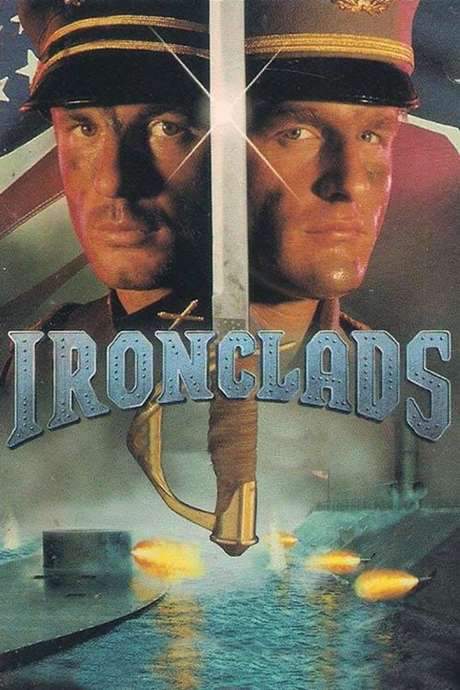
What Is Hearts in Bondage About?
The premise of Hearts in Bondage in 309 words, with nothing given away. The full story follows below.
In the turbulent spring of the American Civil War, the nation’s waterways become a crucible of steel and steam. Amid fog‑laden harbors and the clatter of dockyards, the Union and the Confederacy race to turn iron into a weapon that could tip the tide of history. The film bathes this era in a moody, almost lyrical palette—cobblestone streets slick with rain, lantern light flickering over polished brass, and the distant hum of engines promising both progress and peril. It is a world where personal honor is measured against the roar of cannon and the delicate hope of a future still uncharted.
Kenneth Reynolds is a disciplined lieutenant whose steady hand and quiet ambition have earned him a place among the Union’s finest. He shares a deep bond of brother‑in‑arms with Raymond Jordan, a charismatic fellow officer whose laughter once echoed across ice‑skated rinks. Their camaraderie is complicated, however, by Connie—Raymond’s sister and Kenneth’s beloved fiancée—whose presence threads love and loyalty into an already tangled tapestry. Adding another layer, Kenneth’s inventive uncle, John Ericsson, sketches the outlines of a revolutionary ironclad that could redefine naval warfare. The characters move through a landscape where duty, love, and rivalry intersect, each decision pulling them further toward an inevitable collision.
Against this backdrop of invention and ambition, whispers of a monumental sea confrontation circulate among admirals and engineers alike. The promise of a sleek, turret‑armed monitor and a resurrected Confederate ironclad hangs like a question mark over the horizon, drawing the two friends into opposite currents. Their professional responsibilities and private loyalties begin to diverge, setting the stage for a clash that will test not only the limits of technology but the resilience of the bonds that have held them together. The tension is palpable, leaving the audience to wonder whether steel can shield hearts as much as it can shield a fleet.
What Happens in Hearts in Bondage?
The complete story of Hearts in Bondage, from the first scene to the last, in 726 words (about 3 minutes). Spoilers throughout. Names in the text link to 3 cast member pages.
Spoilers ahead
Lieutenant James Dunn Reynolds and his good friend, fellow naval officer David Manners Jordan, head into a moment of light-hearted camaraderie as they ice-skate with their girls, all while anticipating the strain of looming war. The mood shifts quickly when Reynolds’ fiancée, Constance [Mae Clarke] Jordan, known as Connie and Raymond’s sister, accepts a marriage proposal from Reynolds, sealing a personal future amid the growing conflicts across the nation. A sense of duty collides with affection as personal vows intertwine with a nation preparing to split apart.
In a tense government war council, loyalty tests loom over the new Confederate question: two Virginia officials are pressed to declare where their loyalties lie. Captain [Henry B. Walthall] Buchanan resigns from the Navy to join the Confederacy, while Commodore [George Irving] Jordan remains in service, a symbol of the Union’s hold on tradition. A parallel moment unfolds for [David Manners] Jordan’s Raymond, who wrestles with the decision to leave his fiancé Julie Buchanan, portrayed by [Charlotte Henry], and join the Confederates in Virginia. The personal and political lines blur as Raymond’s choice starkly opposes Connie’s desire for a shared future with Reynolds.
Kenneth Reynolds stays loyal to the Union, and is put in charge of the ironclad USS Merrimack. When Confederate forces strike Gosport Navy Yard, Reynolds faces a brutal command decision: burn the ship to deny its capture, or sink her to preserve her hull and engines. He chooses to sink Merrimack, defying orders and sealing his fate with a dishonorable discharge. The betrayal he feels from peers and the social stigma of treason haunt him, leaving him unable to find work anywhere else, until a chance to aid his uncle—the famed inventor John Ericsson, played by Fritz Leiber—draws him back into the game of iron and steam.
The Union learns that the Confederates have salvaged Merrimack and refitted her as CSS Virginia, a threat that compels a new design. Reynolds urges his uncle to present a government-ready ironclad plan—the Monitor—with a unique revolving gun turret. While Bushnell’s plan is known, the presence of [Farragut] plugs a gap of diplomacy and clears the path for a unified push toward a decisive naval showdown. Despite a painful past, Reynolds is accepted back into service to face the newly formidable foe, and Raymond ascends to third in command aboard Virginia, shaping a bitter, personal rivalry that will cast a long shadow over Connie’s heart.
Connie learns that Reynolds will fight against her own brother, and the wound of this revelation runs deep. Yet their bond persists, and each yearns for a future free from the war’s cruelty. The stage is set for a defining clash, though the human cost weighs heavily on both sides.
The Battle of Hampton Roads erupts with Virginia unleashing its ferocity, sinking the USS Cumberland and USS Congress in the harbor. The next day, Virginia closes in on the USS Minnesota as Monitor engages in a tense duel. [David Manners] Jordan’s presence looms as the action intensifies, and Reynolds is handed command over the ship’s second gun after Worden is wounded. As fire rakes the water, Raymond proposes a audacious boarding move on Monitor; Reynolds faces a devastating moral blow as he spots Raymond at the head of the boarding party. Mustering his courage, Reynolds orders his crew to fire both guns, repulsing the boarding party and denying Virginia the opportunity to board. The clash leaves profound personal tolls: Raymond dies in the ensuing chaos, and Connie is left to confront the loss of her brother and the man she loves.
After the smoke clears and Reynolds enters civilian life with an honorable discharge, he seeks to rekindle his relationship with Connie. The couple’s walk along the Potomac River brings them into contact with President Abraham Lincoln, whose quiet counsel points toward a future built on peace rather than further bloodshed. The encounter gives Connie the strength to look to a hopeful horizon, and she resolves to renew her life with Reynolds, honoring both their love and the sacrifices made in war.
In the end, the human heart and the shared hope for peace carry more weight than the drumbeat of cannons. The story folds back onto the shore of a recovering Union, where memory of loss coexists with the promise of rebuilding—a reminder that, even amid iron and fire, the possibility of reconciliation remains.
Hearts in Bondage Timeline: Every Key Event in Order
15 key events in the order they happen, from “Ice-skating and engagement” to “Peace glimpsed and Connie’s resolve”. 13 events name a place, across 9 locations.
- 1
Ice-skating and engagement
Lieutenant Kenneth Reynolds and his friend Raymond Jordan go ice-skating with their girlfriends as they anticipate being called to war. During this peaceful outing, Connie Jordan accepts Kenneth's marriage proposal, signaling a personal moment of happiness before the conflict begins. The scene establishes the close bonds that will be tested by the coming war.
- 2
Loyalty tests at the war council
At a government war council, officials from Virginia are pressed to declare their loyalty to the Union. Captain Buchanan resigns from the Navy to join the Confederates, while Commodore Jordan remains loyal to the Union. The maneuver foreshadows the deep splits driving the looming conflict.
Where:War Council
- 3
Raymond's loyalty test
Raymond faces a loyalty test of his own, fearing separation from his fiancée. He decides to join the Confederates in Virginia, rather than stay with the Union.
Where:Virginia
- 4
Kenneth stays with the Union and takes charge of Merrimack
Kenneth chooses to remain with the Union and is put in charge of the steamship USS Merrimack, positioning him for future action. This assignment places him at a pivotal point as the nation tears itself apart. His loyalty earns him a significant and dangerous responsibility.
Where:Gosport Navy Yard
- 5
Attack on Merrimack and the act of sinking
Confederate troops attack the Merrimack at Gosport Navy Yard, threatening the ship’s fate. In defiance of orders to burn the vessel, Kenneth sinks her to save the hull and engines, preserving a possible future for naval innovation. The act marks a dramatic turning point in his career.
Where:Gosport Navy Yard
- 6
Court-martial and dishonorable discharge
Kenneth is court-martialed for sinking the Merrimack and is dishonorably discharged from the Union Navy. The stigma makes it nearly impossible for him to find work in his field. His career seems over, forcing him to reassess his future.
Where:Gosport Navy Yard
- 7
Kenneth seeks aid from John Ericsson
Unable to secure employment, Kenneth travels to assist his uncle, John Ericsson, in completing a radical ironclad design. This collaboration leads to the development of the Monitor, the Union’s innovative response to CSS Virginia. The partnership rekindles Kenneth’s sense of purpose.
Where:Ericsson's workshop
- 8
Merrimack salvaged and CSS Virginia is born
The Union learns that the Merrimack has been salvaged and refitted as the ironclad CSS Virginia by the Confederates. Meanwhile, Kenneth and Ericsson continue refining the Monitor’s design, including its unique revolving turret. This sets the stage for a pivotal naval showdown.
Where:Union yards
- 9
Farragut helps Monitor gain footing
Commodore David G. Farragut smooths over political hurdles and champions the Monitor as a viable weapon against the Virginia. His intervention helps persuade authorities to back the new ironclad project. The stage is set for a pivotal naval showdown.
- 10
Kenneth joins the Monitor crew
With a shortage of volunteers, Kenneth is finally accepted to crew the Monitor despite his dishonorable discharge. He faces skepticism from his peers but remains determined to prove himself in combat. Duty overrides his past when the nation calls again.
Where:Monitor shipyard
Show the other 5 events of Hearts in Bondage Hide the last 5 events
- 11
Raymond commands the CSS Virginia; Connie struggles
Raymond holds a command on the CSS Virginia, while Connie discovers Kenneth’s new mission and struggles with forgiveness. The personal rifts created by the war are as intense as the battles themselves. Both must cope with the reality that they may face each other in combat.
Where:Virginia
- 12
The Battle of Hampton Roads – first blows
CSS Virginia sails into Hampton Roads and sinks the USS Cumberland and USS Congress in the harbor. The Confederate ironclad’s advance marks a dramatic shift in naval warfare and exposes the fragility of wooden ships. The battle demonstrates the potential of ironclad technology.
When:First day of the Battle of Hampton Roads Where:Hampton Roads harbor
- 13
Monitor versus Virginia – the duel intensifies
On the following day, Monitor engages Virginia in a brutal exchange of fire while both sides test new naval technologies. Worden is wounded, and Kenneth is placed in charge of the Monitor’s second gun. The battle escalates as each ship seeks a decisive advantage.
When:Second day of the battle Where:Hampton Roads
- 14
A fatal boarding attempt is thwarted
Raymond leads an attempt to board Monitor alongside the CSS Virginia, and Kenneth, seeing his brother-in-law approach, orders his crew to open fire on the boarding party. The assault is repulsed and the Virginia withdraws, preventing a catastrophic close-quarters exchange. The personal vendettas are overshadowed by strategic demands.
When:During the battle Where:Hampton Roads
- 15
Peace glimpsed and Connie’s resolve
After the combat, Kenneth returns to civilian life with an honorable discharge and reunites with Connie. The two meet President Abraham Lincoln on the Potomac River, where Lincoln encourages them to pursue a peaceful future and Connie resolves to renew her relationship with Kenneth.
Where:Potomac River, near Washington, D.C.
Who Are the Main Characters in Hearts in Bondage?
8 characters, among them Lt. Kenneth Reynolds (James Dunn), Constance Jordan (Mae Clarke) and Raymond Jordan (David Manners): who each one is and the part they play in the story. Every profile links to the actor’s page.
- LK
Lt. Kenneth Reynolds (James Dunn)
Played by James Dunn
Principled Union naval officer who ultimately defies a direct order to burn the Merrimack. His sense of duty clashes with personal risk, leading to a dishonorable discharge that he later attempts to repair by contributing to Monitor's development. He remains steady under pressure, guiding others with integrity even when the odds are against him.
- 🎖️ Loyal
- 🧭 Strategic
- 🔥 Courageous
-

Constance Jordan (Mae Clarke)
Played by Mae Clarke
Kenneth's fiancée, daughter of Commodore Jordan, torn between love and family loyalty. She grapples with the pain of a brother on the Confederate side and the possibility of healing relationships after tragedy. Her arc moves from conflict to cautious hope as peace enters the narrative.
- 💔 Romantic
- 👩👧👦 Family ties
- 🌹 Resilient
- RJ
Raymond Jordan (David Manners)
Played by David Manners
Connie's brother and Julie's fiancé, he chooses Confederate loyalty and rises to a leadership role aboard the CSS Virginia. His fate becomes a pivotal emotional crucible for the other characters, highlighting the personal costs of war. His presence intensifies the love-triangle and the war’s human toll.
- 🧭 Loyalist
- ⚔️ Conflict
- 🕯️ Tragic
-
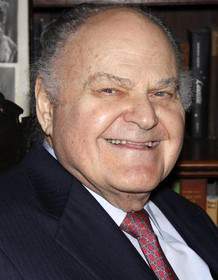
Commodore Jordan (George Irving)
Played by George Irving
Connie and Raymond's father, loyal to the Union, whose position at the war council frames political and strategic decisions. He embodies the generation-long commitment to national unity and the complexities of leadership under crisis. His stance influences the family’s divided loyalties.
- 🏛️ Authority
- 🧭 Leadership
- 🇺🇸 Patriotism
- CB
Captain Buchanan (Henry B. Walthall)
Played by Henry B. Walthall
Julie Buchanan's father who resigns from the Navy to join the Confederacy. His choice mirrors the personal fractures within families during the war and tests the resilience of relationships built before the conflict.
- ⚔️ Defection
- 🌪️ Family conflict
- 🧭 Principled
- JB
Julie Buchanan (Charlotte Henry)
Played by Charlotte Henry
Julie is torn between her fiancé Raymond and her father’s Confederate allegiance. Her heartbreak and longing illuminate the human cost of the war on loved ones, and she embodies the hope for reunion after division.
- 💔 Love
- 🕊️ Reconciliation
- 👩👧👦 Family
- CJ
Capt. John Ericsson (Fritz Leiber)
Played by Fritz Leiber
The inventor and engineer behind the Monitor, whose design represents a radical shift in naval warfare. He collaborates with Kenneth, and his vision drives the Union’s response to the Confederate ironclad threat. His ingenuity is a central pillar of the film’s technological theme.
- 🛠️ Innovation
- 🧠 Genius
- ⚓ Naval
- R(
Rammer (Smiley Burnette)
Played by Smiley Burnette
A crew member who provides camaraderie and light relief amid tense moments. He supports the main efforts aboard the Monitor and contributes to the morale of the sailors. His presence adds warmth to the military drama.
- 😂 Sidekick
- 🧰 Support
- 🛡️ Loyalty
Where and When Is Hearts in Bondage Set?
Hearts in Bondage is set in Gosport Navy Yard, Hampton Roads, Virginia, Potomac River, Washington, D.C. (1861–1865). Here is why the time and place matter to the story.
When
1861–1865
Set during the American Civil War, the film tracks the wartime era's moral dilemmas and strategic innovations. It moves from naval councils to dramatic sea battles, illustrating how technology and politics shape outcomes. The period context amplifies the stakes for both lovers and soldiers.
Where
Gosport Navy Yard, Hampton Roads, Virginia, Potomac River, Washington, D.C.
The action unfolds across key Civil War sites along the Virginia coast and the nation’s capital. It centers on naval yards, harbor battles, and political spaces where loyalties are tested. The settings anchor the tension between Union and Confederate forces and the personal lives of those involved.
- 🎖️ Civil War setting
- ⚓ Naval battles
- 🗺️ Virginia theater
What Are the Themes of Hearts in Bondage?
4 ideas the story keeps returning to, among them Duty, Love & War and Innovation.
-
01
Duty
Loyalty to country and the burden of command drive the characters. Kenneth Reynolds defies orders to burn the Merrimack, choosing duty over personal safety. The narrative frames duty as a test of character for both Union and Confederate sides.
-
02
Love & War
Romantic relationships are strained by loyalty and political conflict. Connie's love for Kenneth collides with her family ties and her brother Raymond's Confederate allegiance. The war's chaos tests personal happiness and forces hard choices between love and duty.
-
03
Innovation
The ironclad Monitor marks a turning point in naval warfare. Kenneth supports Ericsson's design and helps bring the Monitor to life against the CSS Virginia. The film highlights technology transforming tactics and the fate of ships in battle.
-
04
Peace & Reconciliation
Despite the violence, the story threads a path toward healing and national unity. Lincoln's presence underscores a future beyond conflict, and Kenneth and Connie seek a renewed bond after tragedy. The ending suggests reconciliation as the nation seeks peace after war.
What Kind of Film Is Hearts in Bondage?
Bittersweet in tone, with steady pacing and a straightforward story, going by the plot summary.
- Tone
- Bittersweet
- Pacing
- Steady
- Story
- Straightforward
- Intensity
- Medium
- Ending
- Bittersweet
A steady-paced historical drama that builds tension from personal loyalties torn apart by civil war, culminating in a tragic naval battle but ending with a hopeful, bittersweet reconciliation.
- dramatic
- tense
- sobering
- hopeful
- tragic
- romantic
- civil war
- divided loyalties
- romance
- brotherhood
Content notes: war violence, character death.
Quiz
How well do you remember Hearts in Bondage? Test yourself on the story.