What Is He Couldn’t Say No About?
The premise of He Couldn’t Say No in 343 words, with nothing given away. The full story follows below.
In a world where everyday routine hums beneath the glow of modest ambition, a quiet linoleum‑company clerk finds his life suddenly brightened by a modest raise. Lambert T. Hunkins is a man of simple habits, content to keep his head down and let the calendar mark the steady rhythm of bills and work. The city around him flickers with the usual bustle of small‑town commerce, yet its streets hold a whisper of possibility that hints at something larger than the neatly stacked sheets on his desk.
Lambert’s future appears neatly packaged by his beloved Violet Coney, whose affection is matched by the practical expectations of her mother, Mrs. Coney. The three of them have begun arranging the furniture and the future of a shared home, their conversations echoing with plans for a wedding and the sweet certainty of a life built together. The tone of their world is warm and familiar, laced with gentle humor and the kind of tender pressure that comes when love meets responsibility.
When a surprise lottery‑style love sweepstakes crowns Lambert with a first‑prize prize, his cautious nature takes a sudden, daring turn. The reward—a striking statue that bears an uncanny resemblance to the elegant socialite Iris Mabby—captures his imagination in a way no piece of linoleum ever could. The decision to claim the sculpture for himself, using funds he had set aside for a marital nest‑egg, ignites a comedic clash of wills: Violet’s disappointment, Mrs. Coney’s disapproval, and the quiet stir of curiosity that follows the arrival of a work of art so striking it seems to belong in a different world.
The film balances a light‑hearted, almost farcical tone with the genuine stakes of a man standing at the crossroads between a safe, predictable life and the magnetic pull of an unexpected fascination. As Lambert clings to the statue, the audience is invited to watch the gentle tug‑of‑war between duty and desire, modesty and glamour, all set against a backdrop of small‑town charm and the larger, glittering social circles that hint at possibilities far beyond the ordinary.
What Happens in He Couldn’t Say No?
The complete story of He Couldn’t Say No, from the first scene to the last, in 823 words (about 4 minutes). Spoilers throughout. Names in the text link to 12 cast member pages.
Spoilers ahead
Frank McHugh stars as Lambert T. Hunkins, a mild-mannered linoleum-company worker whose quiet routine is upended by a small raise from $30 to $40 a month. The news comes with a side of family pressure, because Lambert’s fiancée, Jane Wyman as Violet Coney, and her practical mother, Mrs. Coney (Cora Witherspoon), decide it’s time for a wedding. Lambert is too gentle to argue, and the prospect of a stable home life begins to feel almost within reach—until a single impulsive decision changes everything.
At a bustling auction, Lambert’s eyes, and his heart, are drawn to a statue that bears an uncanny resemblance to Iris Mabby, the elegant socialite Lambert has admired from afar. Iris Mabby, played by Diana Lewis, holds a place in his imagination that real life can hardly satisfy. Yet the statue’s owner isn’t a shy admirer waiting for the right moment; it’s Lambert himself, who finds himself unable to walk away from the art, even as Iris’s father, Senator Mabby, portrayed by Berton Churchill, looms in the background with political trouble simmering in the air. The Senator has a public anti-nudity crusade to uphold, and the very piece that resembles his daughter threatens to embarrass him. Lambert’s refusal to sell, at any price, becomes a catalyst that turns a private romance into a sensational headline.
The encounter draws a street reporter into the story as well, with John Ridgely turning Lambert’s stubborn stance into a national curiosity. Iris, meanwhile, isn’t bound by her father’s politics and is curious about the ordinary man who won’t bow to pressure. She discovers that Lambert is more than a target of headlines; he is a person of unexpected depth. Iris’s visit is complemented by the sculptor Julia Becker, played by Rita Gould, who arrives with the idea of providing two companion statues inspired by Iris, hinting at a future that could bridge Lambert’s world with Iris’s glamorous sphere.
But the situation takes a darker turn when Hymie Atlas, played by [Raymond Hatton], enters the scene with his two rough-and-tumble henchmen—Slug, portrayed by [William Haade], and Dimples, portrayed by [Tom Kennedy]. They crash Lambert’s apartment with a plan to coerce a staggering price from him: $150,000. The tension rocks Lambert’s already fragile courage, as the Senator Mabby and Iris come and go, and Dimples is left to watch Lambert with a wary eye. The group’s presence magnifies the danger, and Iris’s confidence in Lambert wavers as the stakes rise.
When a telegram reveals a possible alternative—the Iowa museum’s bid of $5,000—Lambert seizes a moment of audacity. He knocks Dimples out and steals a linoleum truck, intending to transport the artwork to the museum’s representatives. The plan is bold, almost reckless, and it demonstrates a cunning that few would suspect from a man of Lambert’s demeanor. Yet the crooks return with a vengeance, and a tense pursuit ensues. In a pivotal chase, Hymie and Slug drive toward the buyers, while Lambert, cleverly hidden in plain sight, has to outmaneuver them. The criminals, convinced they are delivering the statue to a paying buyer, discover too late that the “statue” is actually Dimples—unconscious and left in their path, a twist that underscores Lambert’s resourceful improvisation.
Parsons, Lambert’s boss, arrives with the police, and the gang is finally captured. The triumph isn’t merely about recovering the artwork; it’s about recognizing Lambert’s growing resolve and odd ingenuity. Parsons is impressed enough to offer Lambert his job back, a gesture that acknowledges the transformation from a timid clerk to a capable problem-solver who can navigate danger with a blend of wit and calm. The public spectacle of the affair has yielded more than money; it has revealed a man capable of choosing honesty and courage over comfort and conformity.
As the dust settles, Violet and Mrs. Coney appear, expecting an apology or perhaps a wedding announcement. Instead of bowing to old expectations, Lambert makes a startling choice: he reveals his intention to pass on Violet and commit to Iris Mabby. With the $5,000 check in hand and the romance between Lambert and Iris clearly blossoming, their future looks bright enough to defy the doubts that once surrounded them. Iris’s response is a warm, open embrace—an ending that feels earned after a journey shaped by awkward beginnings, comedic capers, and a quiet, steadfast determination to do what’s right.
Notes on cast appearances are woven into the narrative through first mentions of each actor’s character:
- Frank McHugh as Lambert T. Hunkins
- Jane Wyman as Violet Coney
- Cora Witherspoon as Mrs. Coney
- Diana Lewis as Iris Mabby
- Berton Churchill as Senator Mabby
- John Ridgely as the street reporter
- Rita Gould as Julia Becker
- Raymond Hatton as Hymie Atlas
- William Haade as Slug
- Tom Kennedy as Dimples
- Ferris Taylor as Oxnard O. Parsons
- Sol Gorss as Mike, the Linoleum Truck Driver
- John Ridgely as the street reporter
- [Dave this and that]
He Couldn’t Say No Timeline: Every Key Event in Order
13 key events in the order they happen, from “Lambert gets a raise and marriage plan” to “Lambert proposes to Iris; Iris cannot say no”. 13 events name a place, across 7 locations.
- 1
Lambert gets a raise and marriage plan
Lambert T. Hunkins, a meek worker at a linoleum company, receives a raise from $30 to $40 per month. His fiancée Violet's mother, Mrs. Coney, uses the money to push for an early marriage. Lambert doesn't object, even though the idea isn't his wishful dream.
When:early in the film Where:Lambert's office
- 2
Auction buys statue; Senator Mabby wants it
At an auction Lambert buys a statue resembling Iris Mabby, despite objections from Violet's mother. Senator Mabby tries to purchase the statue from him, but Lambert refuses to sell at any price. A street reporter witnesses the moment and the tale makes the news.
When:during the auction Where:Auction house
- 3
Media attention and Iris's curiosity
The attention from the sale draws media interest around Lambert, turning him from a shy office worker into a local figure. Iris Mabby visits to learn more about the buyer and to encourage him to stand firm. Julia Becker, the sculptor, also visits and promises to send two companion statues.
When:soon after the auction Where:Lambert's apartment
- 4
Thugs plan the theft and shadow Lambert
Crook Hymie Atlas decides the statue is valuable and sends his two henchmen to steal it. They burst into Lambert's apartment to grab the statue and hide in the next room as Iris and Senator Mabby come by again. A gun is pointed at Lambert, forcing him to name a price.
When:that night Where:Lambert's apartment
- 5
Lambert is forced to set a price
With a gun pointed at him, Lambert must set a price of $150,000 for the statue. The Senator refuses to meet the price, and Iris becomes disillusioned with the greed behind the deal.
When:that night Where:Lambert's apartment
- 6
Dimples is tasked to watch Lambert
Hymie Atlas assigns Dimples to keep an eye on Lambert after the confrontation. Dimples is tasked with guarding both the statue and Lambert's movements.
When:following the confrontation Where:Lambert's apartment
- 7
Museum bid arrives
Lambert receives a telegram reporting a $5,000 bid from an Iowa museum for the statue. The offer complicates his view of what to do with the statue as he weighs public demand against personal feelings.
When:the next day Where:Lambert's apartment
- 8
Lambert acts to move the statue
Lambert knocks Dimples out and steals a linoleum truck to transport the artwork toward the museum's representatives. He plans to deliver the statue despite Hymie and Slug pursuing him, showing his growing resourcefulness.
When:the same day Where:Lambert's apartment and nearby streets
- 9
The getaway goes awry
Hymie Atlas and Slug return, capture Lambert, and drive toward the buyers, unaware that the ‘statue’ in transit is actually the unconscious Dimples under a cover. The criminals believe they are transporting the prize while Lambert remains restrained.
When:moments after the theft Where:city streets
- 10
Lambert outsmarts the criminals and calls the cops
Parsons arrives with the police to locate the truck. Lambert leads them to the thieves, revealing the ruse and guiding the arrest.
When:shortly after Where:streets and nearby area
Show the other 3 events of He Couldn’t Say No Hide the last 3 events
- 11
Culprits captured; job restored
The crooks are captured, and Parsons is impressed enough to reinstate Lambert at the linoleum company. Lambert’s resilience earns him a second chance and a chance to shape his own future.
When:after the arrest Where:linoleum company office
- 12
Showdown with Violet and Iris's influence
Violet and her mother arrive to push the engagement, but Lambert declares he will not marry Violet. He signals a shift toward Iris as the person he truly loves, redefining his relationships.
When:after the arrest Where:Lambert's apartment
- 13
Lambert proposes to Iris; Iris cannot say no
With the $5,000 check in hand, Lambert proposes to Iris Mabby and she cannot say no. The proposal marks a decisive turn toward a union between the humble man and the socialite he admires.
When:end of the sequence Where:Lambert's apartment
Who Are the Main Characters in He Couldn’t Say No?
10 characters, among them Lambert T. Hunkins (Frank McHugh), Iris Mabby (Diana Lewis) and Senator Mabby (Berton Churchill): who each one is and the part they play in the story. Every profile links to the actor’s page.
-
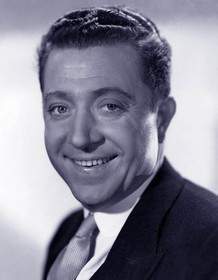
Lambert T. Hunkins (Frank McHugh)
Played by Frank McHugh
Lambert is a meek linoleum company employee who buys a statue at auction out of affection for Iris Mabby. He refuses to sell it for a fortune when Senator Mabby tries to buy it, drawing media attention. His quick plan to outsmart the thieves shows his growing resolve. In the end, he wins Iris's affection and regains his job.
- 💼 meek
- 🧭 integrity
- 🗝️ cunning
- IM
Iris Mabby (Diana Lewis)
Played by Diana Lewis
Iris is Senator Mabby's daughter, a socialite who isn't swayed by money or status. She recognizes Lambert's quiet integrity and urges him to stand firm against her father's campaign. She helps drive the romance and challenges Lambert to act decisively. Her loyalty culminates in a shared future with Lambert.
- 🎭 society
- 💖 romance
- 💡 catalyst
-
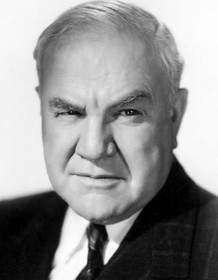
Senator Mabby (Berton Churchill)
Played by Berton Churchill
Senator Mabby is a public figure campaigning against nudity, trying to shield his family from scandal. He tries to buy the statue to prevent embarrassment, then discovers his tactics backfire in the face of Iris's indifference. His obsession with image shows the clash between politics and personal life. The episode exposes the limits of public virtue when confronted with art and desire.
- 🏛️ politics
- 🗣️ public-image
- 🎭 drama
- VC
Violet Coney (Jane Wyman)
Played by Jane Wyman
Violet Coney is Lambert's girlfriend; her mother insists they marry now that he gets a raise. She resents the idea of waiting and is upset by Lambert's refusal to marry quickly. Her plans contrast with Iris's bold independence. Her feelings are secondary to the plot's romantic turn.
- 💍 engagements
- 🎭 social-pressure
- JB
Julia Becker, the Sculptor (Rita Gould)
Played by Rita Gould
Julia Becker is the sculptor who created the statue and visits Lambert. She plans to send two companion statues and is practical about art's value. Her role bridges the world of art and the personal tension around the statue. Her involvement helps move the story toward a resolution.
- 🎨 artist
- 🗿 sculpture
- HA
Hymie Atlas (Raymond Hatton)
Played by Raymond Hatton
Hymie Atlas is a small-time crook who decides the statue will fetch a fortune. He and his thugs Dimples and Slug drive into Lambert's life, forcing a price of 150,000. He underestimates Lambert's ingenuity and ends up in custody after the scheme collapses. His greed exposes the danger of manipulating art for money.
- 💰 greed
- 🕵️ crime
- S(
Slug (William Haade)
Played by William Haade
Slug is a burly thug who helps guard the plan to steal the statue. He participates in the bid and later is captured. He demonstrates the bluster of criminals who misread Lambert's resolve.
- 👊 thug
- 💼 crime
- D(
Dimples (Tom Kennedy)
Played by Tom Kennedy
Dimples is a second thug who hides in Lambert's apartment. He is knocked out when Lambert uses quick thinking to shift the balance of power. He becomes a tool in Hymie Atlas's plan, but the scheme fails. He is captured.
- 🕶️ henchman
- 👊 thug
- OO
Oxnard O. Parsons (Ferris Taylor)
Played by Ferris Taylor
Oxnard O. Parsons is the linoleum company boss who gives Lambert a raise and later rehires him after Lambert stands up to the thieves. He embodies practical business oversight and a reward for integrity. He recognizes Lambert's initiative and supports the moral victory with a job back.
- 💼 boss
- 🤝 opportunity
- MC
Mrs. Coney (Cora Witherspoon)
Played by Cora Witherspoon
Mrs. Coney is Violet's mother who pushes marriage as a social safeguard. She represents conventional expectations and fears scandal from the statue episode. Her objections heighten the pressure on Lambert and underline the social stakes of his choice.
- 👩👧 mother
- 💬 family-pressure
Where and When Is He Couldn’t Say No Set?
He Couldn’t Say No is set in Lambert's apartment, Auction house, Iris Mabby's residence and Iowa museum. Here is why the place matters to the story.
Where
Lambert's apartment, Auction house, Iris Mabby's residence, Iowa museum
The story shifts through a busy urban setting—from Lambert's modest apartment to the lively auction room and the art circles surrounding Iris Mabby. The auction house is where the statue is purchased and contested, while the sculpture's world connects the characters through Iris and Julia Becker. The plot moves between intimate interiors and public spaces, highlighting how space influences the conflict between money, art, and love.
- 🗺️ Urban
- 🏛️ Auction
- 🖼️ Art world
What Are the Themes of He Couldn’t Say No?
3 ideas the story keeps returning to, among them Media Frenzy, Money Power and Romance Choice.
-
01
Media Frenzy
A humble office worker's refusal to sell a statue becomes a media sensation. The press frames Lambert as a moral stand-in, amplifying the personal stakes for his loved ones. Senator Mabby's public image campaign hinges on appearances, showing how appearances drive politics. Iris uses the spotlight to challenge political theater and defend Lambert's integrity.
-
02
Money Power
The statue's price attracts crooks and drives the plot's thrills. Lambert's hesitation to cash in exposes his inner strength when faced with greed. The $5,000 museum bid and the criminals' plan reveal how money can corrupt or empower, depending on the holder's integrity. Money becomes a tool to secure a future with genuine affection when used honestly.
-
03
Romance Choice
Lambert grows from meek to decisive as he chooses Iris over Violet, catalyzed by Iris's faith in him. The romance unfolds amid social pressure from Mrs. Coney and Senator Mabby who fear scandal. The art object becomes a test of character, not a prize to be won. Love is earned through honesty and courage.
What Kind of Film Is He Couldn’t Say No?
Light in tone, with steady pacing and a straightforward story, going by the plot summary.
- Tone
- Light
- Pacing
- Steady
- Story
- Straightforward
- Intensity
- Medium
- Ending
- Happy
A charming and lightly comic film following a timid clerk's whimsical adventure, where a bold purchase leads to unexpected danger and romance, resulting in an uplifting and rewarding transformation.
- whimsical
- comic
- uplifting
- romantic
- underdog
- resourceful
- romantic rivalry
- ordinary man's adventure
- art and obsession
- standing up for oneself
Quiz
How well do you remember He Couldn’t Say No? Test yourself on the story.