
What Is Good News About?
The premise of Good News in 345 words, with nothing given away. The full story follows below.
In the glittering summer of 1927, Tait College buzzes with the roar of football crowds and the sparkle of impending Christmas lights. The campus feels like a stage, its hallways echoing with marching bands, jazzy rehearsals, and the promise of a holiday celebration that could melt even the toughest rivalries. Every corner of the school seems ready to burst into song, turning ordinary study sessions into impromptu musical numbers that capture the optimism of a generation on the brink of something brighter.
At the heart of the swirl is Tommy Marlowe, the charismatic quarterback whose natural confidence makes him the object of many flirtations. He navigates the delicate dance of attraction with a playful swagger, yet beneath the surface lies a yearning to be seen for more than his on‑field fame. Across the quad, Connie Lane balances her duties as a part‑time librarian with a pragmatic outlook shaped by a modest upbringing; her grounded demeanor offers a quiet counterpoint to the campus’s flamboyant energy. Adding a touch of aristocratic ambition, Pat McClellan arrives with a sharp eye for status, while Beef and Babe Doolittle weave their own threads of youthful desire and uncertainty through the dormitory corridors.
The story unfolds as these vibrant students chase personal ambitions, grapple with the complexities of affection, and discover that the true rhythm of college life is set not just by the marching drums but by the beating hearts of its community. Music and dance become the language through which they express longing, rivalry, and camaraderie, each number hinting at deeper connections waiting to be formed. The looming holiday season lends a warm, festive backdrop that encourages introspection and generosity, turning ordinary campus rituals into moments of shared wonder.
Through lively choreography, buoyant melodies, and a palette of bright‑colored costumes, the film captures the exuberant spirit of youth tempered by the gentle pull of Christmas. It invites the audience to feel the pulse of a generation eager to prove themselves while learning that the greatest victories often come from the simple joy of belonging to a supportive, melodious community.
What Happens in Good News?
The complete story of Good News, from the first scene to the last, in 480 words (about 2 minutes). Spoilers throughout. Names in the text link to 7 cast member pages.
Spoilers ahead
In 1927 at the fictional Tait College, football fever dominates the campus, with the era’s mood reflected in catchy numbers like the Tait Song and Good News. Tommy Marlowe, the team’s shining star, becomes the object of every flirtation, and he openly declares that the trick to attracting girls is to act uninterested. At a lively sorority party, the snobbish new student Pat McClellan puts him in his place, while Pat’s sights quickly shift toward wealthier company, namely Peter Van Dyne III. The social stakes feel high as loyalties and ambitions collide, setting the stage for romance, rivalry, and campus-wide bets on who will win the attention they crave.
Tommy’s charm experiment leads him to enlist Connie Lane Connie Lane, a practical and capable part-time librarian who comes from a poorer background. She isn’t impressed by superficial showmanship, yet her warmth and resilience gradually draw Tommy closer. As Connie discovers a genuine connection with him, she remains wary of the social games that seem to govern his world. Meanwhile, Connie’s roommate Babe Doolittle Babe Doolittle contemplates leaving her rocky relationship with the jealous football player Beef Beef to pursue Bobby Turner, a sentiment that adds complexity to the dormitory dynamics and the freshman-year romance catalog.
The plot thickens as social and athletic pressures collide just before the big game. Tommy’s renewed flirtation with Pat is helped along by a tangle of assumptions and promises, while Pat enjoys the attention as part of a larger scheme to secure a wealthy match with Peter Van Dyne III. The soda shop scene becomes a turning point: Tommy’s halting French lessons fail to impress Pat, who remains tuned to the lure of affluence, and Connie’s heart starts to fracture under the weight of being valued for her background rather than her character. When Tommy asks Connie to the big dance, she is thrilled, but he wavers at the last moment after Pat reenters the picture, entangled by notions of fortune. Connie’s disappointment is palpable, and the ache of unreciprocated affection lingers as she wonders if she’ll ever be chosen for who she truly is, not for where she comes from.
As the season reaches its crescendo, Tommy redoubles his resolve to prove himself, with Professor Kennyon quietly deciding to let him pass his French exam so he can still take the field. Connie, torn between pride and fear, fears Pat’s hold could still steal him away, but she also recognizes the sincerity of his growing feelings. When the curtain falls on the big game, Tait’s victory confirms the promise of new beginnings, and the social equation begins to settle: [Tommy Marlowe] with Connie Lane, Beef with Pat McClellan, Babe Doolittle with Bobby Turner. The campus celebration erupts in song as everyone finds a pairing that fits their heart, and the finale production number, Varsity Drag, brings the story to a bright and musical close.
Good News Timeline: Every Key Event in Order
13 key events in the order they happen, from “Setting and football fever at Tait College” to “Finale: Varsity Drag”. 13 events name a place, across 11 locations.
- 1
Setting and football fever at Tait College
The film opens in 1927 at Tait College, where football dominates campus life and the crowd roars for the big games. The school buzzes with pep songs and social pressure around athletics. The stage is set for romance and rivalry to unfold among students.
When:1927 Where:Tait College
- 2
Tommy reveals the trick to attracting girls
Tommy Marlowe tells his friend Bobby Turner that the key is to show no interest, a strategy he believes will make him irresistible. He revels in the idea of being a 'Ladies' Man' as they discuss at the campus. The plan foreshadows the social maneuvering that drives the plot.
When:Early season Where:Tait College
- 3
Sorority party and Pat resists
At a sorority party, Pat McClellan resists Tommy's overconfident advances and cuts him down with wit. Her snub highlights the rivalry between appearance, wealth, and romance on campus. The party sets Pat as a foil to Tommy's charm.
When:Evening Where:Sorority party
- 4
Pat eyeing Peter Van Dyne III
Pat soon shifts her eye to wealthy Peter Van Dyne III instead of Tommy, signaling that status matters as much as flirtation. Her pursuit of prestige over romance deepens the love-triangle dynamics. Tommy's stumbling social standing becomes a catalyst for later actions.
When:Evening Where:Sorority party
- 5
Tommy seeks Connie for a French lesson
Pat insults Tommy in French, prompting him to enlist Connie Lane, the part-time school librarian, to tutor him in the language. Connie agrees, despite her own reservations about social class. The tutoring becomes the seed of a budding romance.
When:The French Lesson Where:Tait College library
- 6
Tommy falls for Connie; Connie's background
Tommy gradually falls for Connie, who comes from a poorer background yet carries herself with warmth and grace. Connie’s aspirations clash with Tommy’s flirtations and social failures. The relationship slowly moves beyond the initial tutor dynamic.
When:Shortly after The French Lesson Where:Campus / library
- 7
Babe and Bobby; Beef's jealousy
Connie's roommate Babe Doolittle wants to leave her relationship with jealous Beef to pursue Bobby Turner. Bobby admits attraction but fears Beef, creating tension behind the scenes. The subplots intertwine with the main romance and the football fever.
When:Mid-season Where:Dorms, campus
- 8
Soda shop humiliation: Tommy's failed French
At the local soda shop, Tommy's newly learned French fails to impress Pat, who is with Peter. He leaves the scene dejected, realizing his on-field confidence may not translate to social success. The moment heightens Pat’s allure and Tommy’s determination to change the game.
When:Afternoon Where:Soda shop
- 9
Babe inflates Tommy's wealth to Pat
Babe, sensing Tommy's instability, tells Pat that Tommy comes from a wealthy family to revive her interest. Pat’s attraction rekindles as social status becomes a key driver. The deception accelerates the upcoming big dance and decision moment.
When:Prematch Where:Campus social scene
- 10
The big dance: Tommy asks Connie, then wavers
Tommy asks Connie to the big dance and she is thrilled, but he reneges at the last minute when Pat shows interest again. Connie is heartbroken as social priorities override true affection. The incident crystallizes the conflict between appearances and genuine feeling.
When:Dance night Where:Big dance venue
Show the other 3 events of Good News Hide the last 3 events
- 11
French exam ploy and secret blessing
Desperate to win, Tommy deliberately fails his French exam with answers meant to expose his true love for Connie. Professor Kennyon privately tells Connie he will let Tommy pass so he can play in the big game. Connie worries Pat will end up with him but is drawn to Tommy regardless.
When:Exam day Where:Classroom; Professor Kennyon's office
- 12
After the game: jealousy and final pairing
After the big game, Connie's social fears ease as Tommy's deception is revealed to be a misguided ploy to win. He pairs off with Connie, Beef pairs with Pat, and Babe with Bobby Turner. The group exits into festivities as the final production number approaches.
When:End of game Where:After-game dance / final stage
- 13
Finale: Varsity Drag
Everyone bursts into song in the final production number, Varsity Drag, celebrating the couples and the team's victory. The romance and friendships are sealed as the campus sings together. The film closes on a high note of community and collegiate spirit.
When:Finale Where:Campus / stage
Who Are the Main Characters in Good News?
7 characters, among them Tommy Marlowe (Tom Dugan), Connie Lane (June Allyson) and Pat McClellan (Patricia Marshall): who each one is and the part they play in the story. 6 of them link to the actor’s page.
-

Tommy Marlowe (Tom Dugan)
Played by Tom Dugan
A star football player at Tait College who relies on charm and swagger to attract attention. He begins with a self-centered pursuit of Pat but gradually reveals a capacity for genuine feeling, especially for Connie. His arc centers on learning that popularity and wealth aren’t substitutes for real connection and loyalty.
- 🏈 Star player
- 💬 Charmer
- 💘 Love interest
- CL
Connie Lane (June Allyson)
Played by June Allyson
A part-time librarian from a poorer background who is intelligent, kind, and quietly determined. She becomes involved with Tommy, offering him a different path than flashy bravado. Her growth hinges on balancing affection with self-respect and recognizing true worth beyond social status.
- 📚 Bookish
- 💪 Independent
- ❤️ Compassionate
- PM
Pat McClellan (Patricia Marshall)
Played by Patricia Marshall
A snobby, fashion-conscious newcomer who pursues wealth and social standing. She dismisses Tommy at first but later shows strategic ambition in her relationships and choices. Her actions drive much of the love-triangle drama and class tension on campus.
- 💎 Social climber
- 🎭 Calculated
- 🗣️ Manipulative
-
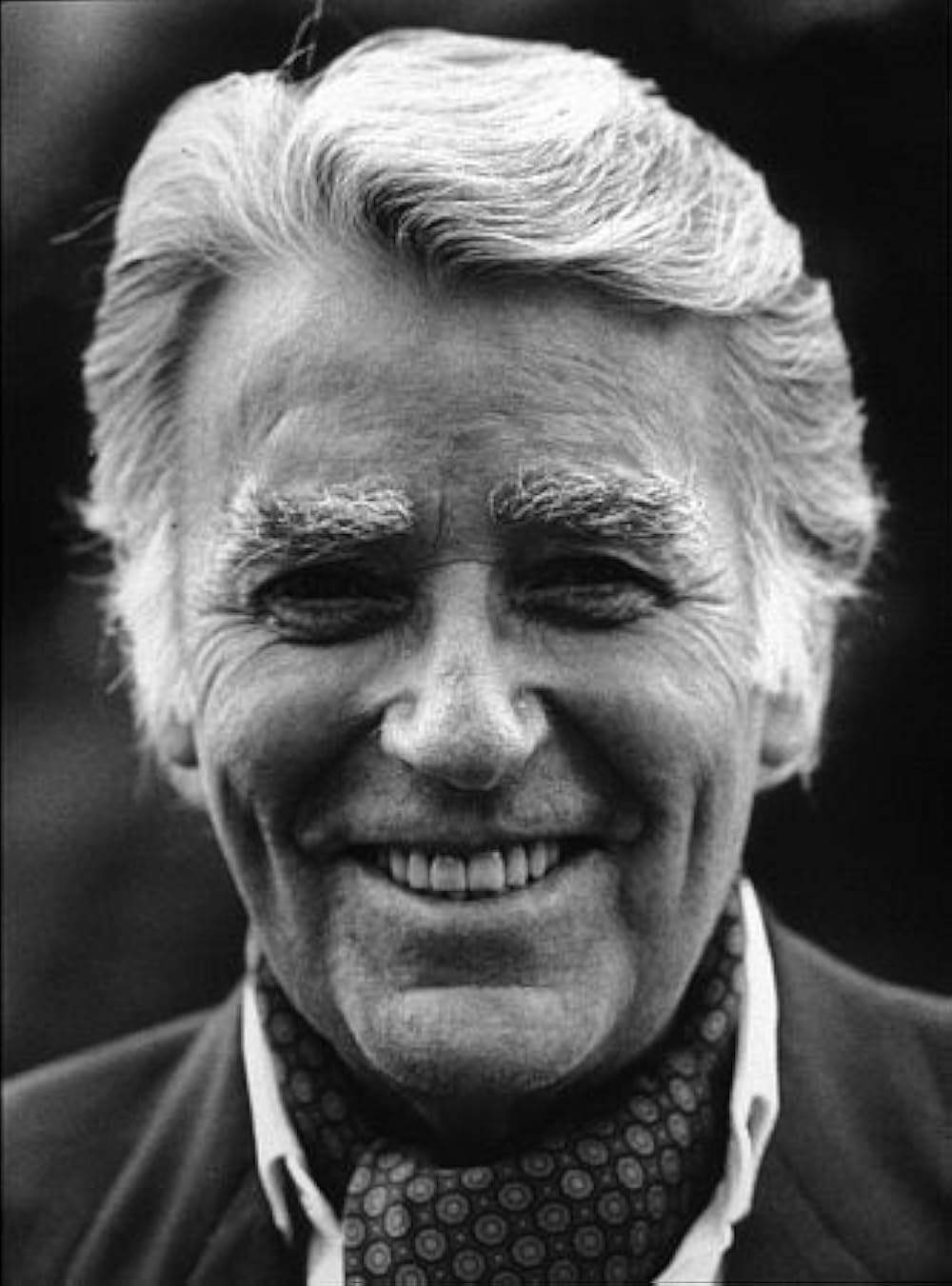
Peter Van Dyne III (Peter Lawford)
Played by Peter Lawford
A wealthy young man who embodies aristocratic allure and represents the lure of money. He becomes a potential match for Pat, highlighting the era’s emphasis on wealth as a social currency. His presence amplifies the tension between love and economic advantage.
- 💰 Wealthy
- 🎩 Aristocratic
- BD
Babe Doolittle (Joan McCracken)
Played by Joan McCracken
Connie's roommate, witty and independent, who wants to break from a restrained relationship with Beef to pursue Bobby Turner. She adds humor and a foil to the romantic plots while navigating campus romances.
- 🎀 Free-spirited
- 🤝 Loyal
- B
Beef
Played by Mel Tormé
A jealous football player who complicates the love dynamics with his possessiveness. His actions contribute to the humor and tension around the dating scene on campus.
- 😡 Jealous
- 🔥 Hot-headed
- BT
Bobby Turner
A non-playing teammate who becomes the object of Babe's interest. He embodies the more reserved and earnest side of campus romance, contrasting with the more flamboyant players.
- 💬 Reserved
- 🤝 Loyal
Where and When Is Good News Set?
Good News is set in Tait College (fictional) and Local soda shop (1927). Here is why the time and place matter to the story.
When
1927
The story unfolds in 1927, placing it in the Jazz Age when college life blended athletic showmanship with musical numbers and lighthearted romance. Campus events, dances, and big games drive the narrative and social dynamics. Wealth, aspiration, and romance mingle amid fashionable era manners and the era's carefree energy.
Where
Tait College (fictional), Local soda shop
The film is set on the fictional Tait College campus, where football dominates campus life and social events. The local soda shop serves as a key social hub for students between games and dances. The overall campus atmosphere reflects a 1920s college culture full of charm, competition, and social maneuvering.
- 🎓 College setting
- 🏈 Football culture
- 🎶 Jazz Age social scene
What Are the Themes of Good News?
3 ideas the story keeps returning to, among them Love vs. Wealth, Football & Social Status and Identity & Deception.
-
01
Love vs. Wealth
Connie's humble background clashes with Tommy's fame and allure, highlighting the pull between genuine affection and social advantage. Pat's pursuit of wealth and status complicates the romance and fuels jealousy. The story suggests that true connection triumphs over appearances, as Tommy ultimately chooses Connie over social climbing. The resolution reinforces that love can transcend class barriers.
-
02
Football & Social Status
Football is the campus heartbeat, shaping reputations and dating prospects. The big game becomes a narrative catalyst that tests relationships and personal priorities. Characters maneuver around the sport to secure social standing and attention. Victory on the field translates into social payoff and stronger pairings off the field.
-
03
Identity & Deception
Tommy hides his true priorities behind charm, using a facade of wealth to attract Pat. Connie helps him bridge his performance with honesty, leading to a personal awakening. The plot places deception against the desire for authentic love, culminating in a shift from appearances to genuine feelings. The musical numbers underscore the tension between who characters pretend to be and who they truly are.
What Kind of Film Is Good News?
Light in tone, with steady pacing and a straightforward story, going by the plot summary.
- Tone
- Light
- Pacing
- Steady
- Story
- Straightforward
- Intensity
- Low
- Ending
- Happy
A bright and energetic musical that delivers a nostalgic, feel-good experience with playful romantic entanglements, culminating in a joyous and uplifting celebration of college spirit.
- upbeat
- romantic
- nostalgic
- joyful
- optimistic
- playful
- college life
- romantic rivalry
- football
- social class