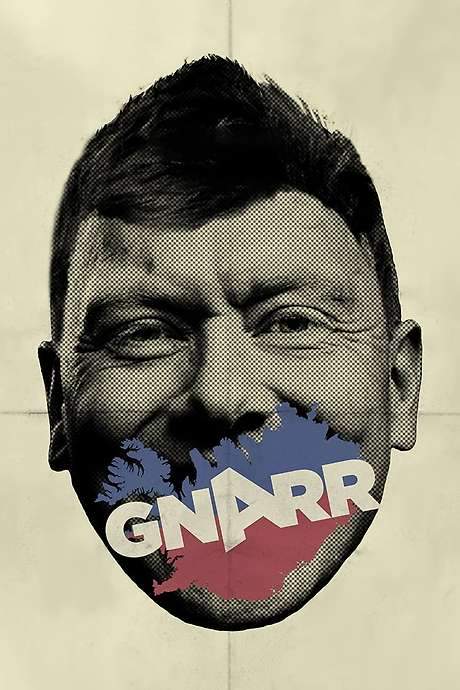
Gnarr 2010

Directed by

Gaukur Úlfarsson
Made by

Enjoy
Gnarr Plot Summary
Read the complete plot summary and ending explained for Gnarr (2010). From turning points to emotional moments, uncover what really happened and why it matters.
A few years ago, during a period when the developed world experienced an economic boom, financial elites like bankers and stockbrokers believed that the gravy train would never come to an end. They operated under the illusion that their wealth and influence would last forever, and this whole mindset seemed to reflect an arrogance and complacency that many in society found infuriating yet hard to challenge. However, as history has shown time and again, prosperity can be fleeting. The inevitable collapse came eventually, ushering in banking crises, false wars, and economic recessions across the globe.
Among the countries that experienced this dramatic rise and fall, Iceland stood out as a striking example of hubris. Not long ago, Iceland saw itself as an economic supernova, a tiny nation that believed itself too wealthy to fail. It prided itself on being transparent, relatively free of corruption, and politically stable—an ideal success story that the rest of the world admired, envied, and sought to emulate. Icelanders watched as their economy boomed, with many living carefree lives centered around consumerism, boasting about big cars and lavish lifestyles.
But the illusion shattered overnight. In just a matter of weeks, Iceland went from being the spoiled child of Scandinavia—a land of prosperity and confidence—to a bankrupt nation battling economic collapse. The financial wizards who once ruled as gods, overseeing the country’s economic Eden, were rapidly disgraced and all ended up in jail. This collapse was compounded by natural disasters: the earth beneath Iceland began to tremble and erupt, spewing volcanic ash that disrupted air travel essential to the nation’s economy and affecting global flights. The nation was effectively brought to its knees, overwhelmed by both economic and natural crises.
Amidst this chaos, Iceland’s political landscape was thrown into upheaval. As things deteriorated, new leaders emerged amidst the chaos, but in a climate of disillusionment and frustration, something entirely unexpected happened. Born from the frustrations of an angry, disillusioned populace was the idea of The Best Party.
This movement started as a joke, conceived within the mind of Jón Gnarr, the country’s most controversial and cynical comedian. The party was a parody of the traditional political establishment that had failed so spectacularly; it skewered both left and right parties and their pretenses of moral superiority. The platform was deliberately outrageous: Jón Gnarr envisioned securing a secure, highly paid government job for himself, with the power to appoint his close friends to influential positions. Their campaign promised a clean, drug-free parliament by 2020, and in a tongue-in-cheek move, Gnarr declared he would refuse to speak with any other parties unless they had watched the entire five seasons of the critically acclaimed series The Wire.
As the election campaign kicked into gear with Tina Turner’s iconic 80s anthem Simply the Best setting the tone, the movement gained enormous momentum. The people of Reykjavik, feeling disenfranchised and let down by traditional politicians, found hope and humor in the chaos. Jón Gnarr started to resonate with those who longed for real change, and surprisingly, his party began to top polls. The message was simple yet powerful: even in dire circumstances, laughter can be a form of resilience.
By Election Day, the unexpected was happening—The Best Party was poised to take power. Against all odds, Jon Gnarr [/actor/jn-gnarr], the satirist and comedian, became the mayor of Reykjavik. His victory was a symbol of hope and a testament to the power of humor and outsider politics in a time of crisis. His friends secured government jobs, and the opposition watched nervously as the new mayor’s campaign themes, including the bizarre but compelling precondition of watching The Wire, gained traction.
The story concludes on a uplifting note, reminiscent of the classic movie Mr. Smith Goes to Washington: it shows that heroes can come from the most unexpected places—sometimes from the depths of disaster, laughter becomes a powerful tool for change. The message is clear and optimistic: no matter how bleak things may seem, facing adversity with humor and courage can lead to surprising new beginnings. Overall, the film delivers a heartfelt reminder that in times of turmoil, we often find strength and hope in the most unlikely of places.
Gnarr Timeline
Follow the complete movie timeline of Gnarr (2010) with every major event in chronological order. Great for understanding complex plots and story progression.
Economic Boom and Collapse
The developed world experienced a period of economic prosperity, leading bankers and stockbrokers to believe it would never end. However, this illusion was shattered as Iceland, showcasing its rise to prosperity, rapidly fell into bankruptcy following the global financial crisis. The country’s financial sector, once held in high regard, was suddenly exposed as corrupt, leading to arrests of the country's financial leaders.
Volcanic Eruption Disrupts Life
Amidst the economic turmoil, Iceland's volcanic activity intensified, causing earthquakes and massive ash clouds that halted air traffic worldwide. This natural disaster worsened the country's already dire situation, symbolizing Iceland's descent from stability to chaos. The volcano's eruption became a stark metaphor for the country's upheaval.
Political Instability and New Elections
With the country on its knees from financial collapse and natural disasters, Iceland's political landscape became unstable. A new election was called as the populace sought fresh leadership to recover from the chaos. Amid this turmoil, the foundation for a satirical political movement was laid.
Birth of The Best Party
Jon Gnarr, Iceland's most cynical comedian, conceived The Best Party as a parody of the establishment, mocking political arrogance and false morality. Initially a joke, the party's simple and outrageous agenda aimed to fill key government positions with his friends and promote an incorruptible, drug-free parliament by 2020. The party embodied humor as a tool to challenge political corruption.
Campaigning Begins
The Best Party launched its election campaign, riding the wave of public disillusionment. The campaign received a lot of attention, with Gnarr promising a high-paying job and absolute power, claiming the election was a joke with a serious message. His unconventional style resonated with a populace desperate for change.
Rising Popularity of The Best Party
Despite its origins as satire, The Best Party gained significant support, coming out on top in polls and becoming a symbol of disenfranchised citizens demanding change. Jon Gnarr's humorous yet bold promises struck a chord with voters tired of traditional politics. The movement's momentum became unstoppable as election day approached.
Election Day Victory
On September 18, 2010, Jon Gnarr's The Best Party won the election, defying all expectations. Gnarr became the Mayor of Reykjavik, symbolizing a shift toward outsider politics and humorous resistance to the establishment. The victory was a surprising yet uplifting response to Iceland’s political and economic chaos.
Gnarr’s Leadership and Impact
Following his electoral victory, Jon Gnarr implemented his unconventional approach to leadership, filling government roles with close friends. His victory brought a message of hope and humor, illustrating that even in times of disaster, heroes can emerge from unlikely places. The people embraced a new and unconventional voice in politics.
Cultural and Political Change
Gnarr’s presidency challenged traditional notions of leadership, emphasizing honesty, humor, and anti-corruption. The campaign's success demonstrated the power of satire and public disenchantment with established politics. His commitment to watching 'The Wire' became a symbol of his unconventional approach and outsider status.
Hope and Resilience in Adversity
The film ends on an uplifting note, illustrating that even in a crisis, laughter and satire can foster hope. Iceland’s unexpected political shift highlights how extraordinary heroes can emerge from disasters. The story promotes resilience, humor, and the idea that tough times can lead to positive change.
Gnarr Characters
Explore all characters from Gnarr (2010). Get detailed profiles with their roles, arcs, and key relationships explained.
Jon Gnarr
Jon Gnarr is a comedian turned politician who uses humor to challenge political norms. His candidacy and leadership symbolize the power of satire to influence real-world politics, embodying the persona of an outsider with a genuine desire for change.
Gnarr Settings
Learn where and when Gnarr (2010) takes place. Explore the film’s settings, era, and how they shape the narrative.
Time period
2010
The movie takes place around the year 2010, a period marked by Iceland's severe financial crisis following the global recession. During this time, Iceland faced economic collapse, volcanic eruptions, and political upheaval, leading to significant social and political changes.
Location
Iceland, Reykjavík
Iceland is an island nation in the North Atlantic, known for its stunning volcanic landscapes, geysers, and geothermal activity. Reykjavík is the capital city and the political, cultural, and economic center of the country. The nation's dramatic natural environment has shaped its unique culture and resilience.
Gnarr Themes
Discover the main themes in Gnarr (2010). Analyze the deeper meanings, emotional layers, and social commentary behind the film.
🎭
Political Satire
The film explores the satire of political systems and the absurdity of established parties. Through humor and parody, it criticizes corruption, arrogance, and the disconnect between politicians and citizens, highlighting how satire can be a tool for change.
🌋
Resilience
Against the backdrop of economic and natural disasters, the movie underscores the resilience of Icelanders. It demonstrates how humor and unconventional leadership can inspire hope and bring communities together during times of crisis.

Coming soon on iOS and Android
The Plot Explained Mobile App
From blockbusters to hidden gems — dive into movie stories anytime, anywhere. Save your favorites, discover plots faster, and never miss a twist again.
Sign up to be the first to know when we launch. Your email stays private — always.
Explore the mobile appGnarr Spoiler-Free Summary
Discover the spoiler-free summary of Gnarr (2010). Get a concise overview without any spoilers.
In the wake of Iceland’s 2008 banking collapse, the nation’s streets hum with a mixture of resignation and restless energy. The glitter of a once‑booming economy has faded, leaving behind a landscape where financial ruin, volcanic unrest, and a shared sense of disillusionment color everyday conversation. Reykjavik’s cafés and public squares become informal forums, where citizens exchange weary jokes and bitter truths, underscoring a climate that is simultaneously bleak and oddly hopeful—hope that perhaps something absurd might break the monotony of failed politics.
Enter Jon Gnarr, a sharp‑tongued comedian whose reputation for biting satire has made him both a beloved provocateur and a thorn in the side of the establishment. Frustrated by the empty rhetoric of traditional parties, he channels his wit into a bold, tongue‑in‑cheek experiment: a political movement that masquerades as a parody yet feels oddly sincere. The Best Party, with its deliberately outrageous platform, is born out of a desire to lampoon the arrogance of left‑right divisions while offering a fresh, irreverent voice to an electorate hungry for authenticity.
The film’s tone balances sardonic humor with a palpable undercurrent of earnest yearning. As the campaign gains momentum, Gnarr’s charismatic yet mischievous demeanor clashes delightfully with the seriousness of ordinary voters, creating a dynamic where jokes become a form of protest and laughter a subtle weapon against cynicism. The party’s colorful promises and playful antics—such as demanding that rival politicians binge‑watch a cult TV series—highlight a world where political theater is both a mirror and a mockery of real life.
Against this backdrop, the approaching election day hangs like an open invitation, a moment pregnant with possibility. The city watches with a mixture of skepticism and excitement, aware that the line between satire and genuine change is thinner than ever. The story invites viewers to wonder whether humor alone can reshape a nation’s destiny, leaving the outcome tantalizingly out of reach.
Featured on this page

What's After the Movie?
Not sure whether to stay after the credits? Find out!
Check out our other apps:

SAT Sphere
Build confidence for the Digital SAT.

Mori Atlas
Discover wild places worth protecting.

Luntero
Search smarter for a home in Amsterdam.

Plot Explained
Unravel movie endings and hidden clues.

Pokechamp
Dive into Pokémon data and battle logic.

Driving Theory
Get ready for your European theory test.

Movie Dust
Plan your next cinema trip with ease.

Musemap
Find art and culture as you travel.

Selkobase
Compare credentials before committing.

Local Manual
Turn an unfamiliar country into practical next steps.

Lernavi
Compare school systems before your next move.

GymRoam
Find a workout stop wherever your plans take you.
Explore Our Movie Platform
New Movie Releases (2026)
Famous Movie Actors
Top Film Production Studios
Movie Plot Summaries & Endings
Major Movie Awards & Winners
Best Concert Films & Music Documentaries
Movie Collections and Curated Lists
© 2026 What's After the Movie. All rights reserved.
Privacy Policy