Gnarr 2010

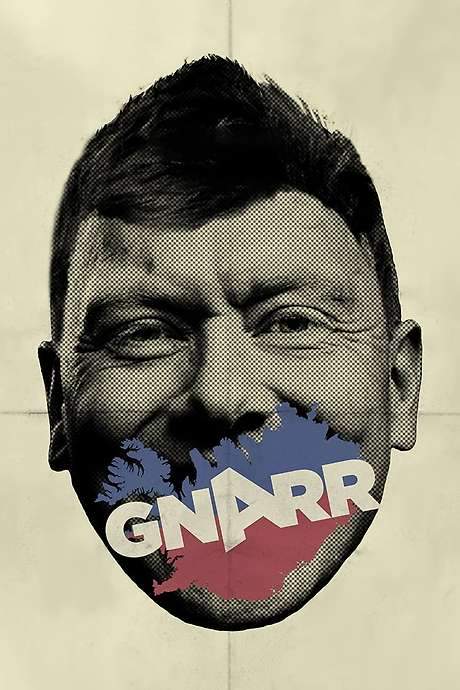
Against the backdrop of Iceland’s 2008 banking collapse, recession and disillusionment, comedian Jon Gnarr created The Best Party as a satirical protest against failed politics. What began as a joke turned into a real campaign, parodying left‑right arrogance and offering Icelanders a new, irreverent alternative on election day.


Does Gnarr have end credit scenes?
No!
Gnarr does not have end credit scenes. You can leave when the credits roll.
Meet the Full Cast and Actors of Gnarr
Explore the complete cast of Gnarr, including both lead and supporting actors. Learn who plays each character, discover their past roles and achievements, and find out what makes this ensemble cast stand out in the world of film and television.

External Links and Streaming Options
Discover where to watch Gnarr online, including streaming platforms, rental options, and official sources. Compare reviews, ratings, and in-depth movie information across sites like IMDb, TMDb, Wikipedia or Rotten Tomatoes.







Take the Ultimate Gnarr Movie Quiz
Challenge your knowledge of Gnarr with this fun and interactive movie quiz. Test yourself on key plot points, iconic characters, hidden details, and memorable moments to see how well you really know the film.
Gnarr (2010): A documentary that follows Icelandic comedian Jón Gnarr as he forms the satirical Best Party and unexpectedly becomes mayor of Reykjavík during the country's financial crisis.
Who is the central figure and comedian featured in the film?
Full Plot Summary and Ending Explained for Gnarr
Read the complete plot summary of Gnarr, including all major events, twists, and the full ending explained in detail. Explore key characters, themes, hidden meanings, and everything you need to understand the story from beginning to end.
A few years ago, during a period when the developed world experienced an economic boom, financial elites like bankers and stockbrokers believed that the gravy train would never come to an end. They operated under the illusion that their wealth and influence would last forever, and this whole mindset seemed to reflect an arrogance and complacency that many in society found infuriating yet hard to challenge. However, as history has shown time and again, prosperity can be fleeting. The inevitable collapse came eventually, ushering in banking crises, false wars, and economic recessions across the globe.
Among the countries that experienced this dramatic rise and fall, Iceland stood out as a striking example of hubris. Not long ago, Iceland saw itself as an economic supernova, a tiny nation that believed itself too wealthy to fail. It prided itself on being transparent, relatively free of corruption, and politically stable—an ideal success story that the rest of the world admired, envied, and sought to emulate. Icelanders watched as their economy boomed, with many living carefree lives centered around consumerism, boasting about big cars and lavish lifestyles.
But the illusion shattered overnight. In just a matter of weeks, Iceland went from being the spoiled child of Scandinavia—a land of prosperity and confidence—to a bankrupt nation battling economic collapse. The financial wizards who once ruled as gods, overseeing the country’s economic Eden, were rapidly disgraced and all ended up in jail. This collapse was compounded by natural disasters: the earth beneath Iceland began to tremble and erupt, spewing volcanic ash that disrupted air travel essential to the nation’s economy and affecting global flights. The nation was effectively brought to its knees, overwhelmed by both economic and natural crises.
Amidst this chaos, Iceland’s political landscape was thrown into upheaval. As things deteriorated, new leaders emerged amidst the chaos, but in a climate of disillusionment and frustration, something entirely unexpected happened. Born from the frustrations of an angry, disillusioned populace was the idea of The Best Party.
This movement started as a joke, conceived within the mind of Jón Gnarr, the country’s most controversial and cynical comedian. The party was a parody of the traditional political establishment that had failed so spectacularly; it skewered both left and right parties and their pretenses of moral superiority. The platform was deliberately outrageous: Jón Gnarr envisioned securing a secure, highly paid government job for himself, with the power to appoint his close friends to influential positions. Their campaign promised a clean, drug-free parliament by 2020, and in a tongue-in-cheek move, Gnarr declared he would refuse to speak with any other parties unless they had watched the entire five seasons of the critically acclaimed series The Wire.
As the election campaign kicked into gear with Tina Turner’s iconic 80s anthem Simply the Best setting the tone, the movement gained enormous momentum. The people of Reykjavik, feeling disenfranchised and let down by traditional politicians, found hope and humor in the chaos. Jón Gnarr started to resonate with those who longed for real change, and surprisingly, his party began to top polls. The message was simple yet powerful: even in dire circumstances, laughter can be a form of resilience.
By Election Day, the unexpected was happening—The Best Party was poised to take power. Against all odds, Jon Gnarr [/actor/jn-gnarr], the satirist and comedian, became the mayor of Reykjavik. His victory was a symbol of hope and a testament to the power of humor and outsider politics in a time of crisis. His friends secured government jobs, and the opposition watched nervously as the new mayor’s campaign themes, including the bizarre but compelling precondition of watching The Wire, gained traction.
The story concludes on a uplifting note, reminiscent of the classic movie Mr. Smith Goes to Washington: it shows that heroes can come from the most unexpected places—sometimes from the depths of disaster, laughter becomes a powerful tool for change. The message is clear and optimistic: no matter how bleak things may seem, facing adversity with humor and courage can lead to surprising new beginnings. Overall, the film delivers a heartfelt reminder that in times of turmoil, we often find strength and hope in the most unlikely of places.

Coming soon on iOS and Android
The Plot Explained Mobile App
From blockbusters to hidden gems — dive into movie stories anytime, anywhere. Save your favorites, discover plots faster, and never miss a twist again.
Sign up to be the first to know when we launch. Your email stays private — always.
Explore the mobile appWatch Trailers, Clips & Behind-the-Scenes for Gnarr
Watch official trailers, exclusive clips, cast interviews, and behind-the-scenes footage from Gnarr. Dive deeper into the making of the film, its standout moments, and key production insights.

Unlock the World of Movies with Our Comprehensive Wiki
Dive into our Movie Wiki for in-depth film encyclopedia entries, including cast biographies, production trivia, plot synopses, behind-the-scenes facts, and thematic analyses. Whether you’re researching iconic directors, exploring genre histories, or discovering hidden easter eggs, our expertly curated movie database has everything you need to fuel your cinematic passion.

Quick Links: Summary, Cast, Ratings, More

What's After the Movie?
Not sure whether to stay after the credits? Find out!
Check out our other apps:

SAT Sphere
Build confidence for the Digital SAT.

Mori Atlas
Discover wild places worth protecting.

Luntero
Search smarter for a home in Amsterdam.

Plot Explained
Unravel movie endings and hidden clues.

Pokechamp
Dive into Pokémon data and battle logic.

Driving Theory
Get ready for your European theory test.

Movie Dust
Plan your next cinema trip with ease.

Musemap
Find art and culture as you travel.

Selkobase
Compare credentials before committing.

Local Manual
Turn an unfamiliar country into practical next steps.

Lernavi
Compare school systems before your next move.

GymRoam
Find a workout stop wherever your plans take you.
Explore Our Movie Platform
New Movie Releases (2026)
Famous Movie Actors
Top Film Production Studios
Movie Plot Summaries & Endings
Major Movie Awards & Winners
Best Concert Films & Music Documentaries
Movie Collections and Curated Lists
© 2026 What's After the Movie. All rights reserved.
Privacy Policy