What Is Game for Vultures About?
The premise of Game for Vultures in 253 words, with nothing given away. The full story follows below.
In the waning years of the 1970s, Rhodesia burns under a relentless bush war that pits a beleaguered government against a mounting guerrilla movement. International sanctions have turned the region into a shadow market where every shipment, every whisper of supply, carries the weight of geopolitics. The landscape is a patchwork of dusty airstrips, rugged countryside, and a tense atmosphere that crackles with the uncertainty of a conflict that refuses to be contained by borders.
Amid this turmoil, David Swansey operates as a charismatic but pragmatic South African businessman whose fortunes are tied to the flow of military hardware. He navigates the gray zones between legality and profit, arranging the movement of aircraft that could tip the balance of power. His demeanor reflects a cold efficiency, yet there is an undercurrent of personal ambition that keeps him moving forward even as the world around him teeters on the brink.
Opposite him stands Gideon Marunga, a determined guerrilla commander whose sense of duty to his people drives him to confront the very mechanisms that sustain the war. He sees the influx of foreign weapons as a direct threat to the hopes of a liberated future and vows to halt the trade at any cost. The film watches these two figures move through the same fraught environment, their paths destined to intersect in a quiet, tension‑laden exchange that speaks louder than words. With a restrained, observant style, the story paints a portrait of loyalty, consequence, and the heavy price exacted when profit and patriotism collide.
What Happens in Game for Vultures?
The complete story of Game for Vultures, from the first scene to the last, in 380 words (about 2 minutes). Spoilers throughout. Names in the text link to 2 cast member pages.
Spoilers ahead
Set against the late 1970s Rhodesian Bush War, David Swansey, Richard Harris, is a sanctions-busting arms dealer who keeps the Rhodesian Security Forces supplied through a shadowy web of black-market purchases despite a broad international embargo. His latest mission centers on securing a clandestine purchase of military helicopters, specifically surplus Bell UH-1s being auctioned off from a United States Air Force base in West Germany. The operation is intricate and high-stakes, wrapped in diplomatic pressure and political maneuvering as word of the deal leaks to a Zimbabwean office within ZANU, which wastes no time applying heavy political force to derail the transaction. Faced with the mounting scrutiny, the plan begins to fray, revealing how brittle the line is between profit, power, and geopolitical fallout.
As the helicopters spiral toward uncertainty, the threads of the story pull in a second direction through Gideon Marunga, Richard Roundtree, a guerrilla fighter in ZANLA. He learns that South African authorities are ready to permit a staged raid on the airfield to haul the aircraft onto Douglas C-47 Dakotas bound for Rhodesia. The tension rises as the raid day arrives: Marunga arrives at the airfield and methodically stalls the Rhodesian troops, while his comrades manage to destroy a substantial portion of the helicopter fleet. The clash is hard-edged and pragmatic, marked by a rare moment where Marunga and Swansey meet face to face and exchange a quiet, mutual acknowledgment of the stalemate that has frozen both sides in a tight, dangerous stalemate before they part ways again.
The consequences radiate outward, dragging international opinion and policy into sharper focus. The exposure of Swansey’s illicit activities forces him to rethink his operations beyond Rhodesia, and for a time he contemplates a settled, ordinary life there. Yet the machinery of the regime has other plans: he is conscripted into the security forces, thrusting him back into the very system he once dodged. The closing act returns to the battlefield, where Marunga and Swansey confront each other once more, their destinies converging through the barrels of their rifles and the high stakes of a conflict that refuses to stay neatly within the lines of friend or foe. The film sustains a restrained, observant tone while weaving together themes of loyalty, consequence, and the heavy costs of international meddling.
Game for Vultures Timeline: Every Key Event in Order
12 key events in the order they happen, from “Swansey's sanctions-busting operation sets the stakes” to “The war’s continuing stakes cast a shadow over the final standoff”. 11 events name a place, across 10 locations.
- 1
Swansey's sanctions-busting operation sets the stakes
In the late 1970s, arms dealer David Swansey is portrayed as a skilled trader who keeps the Rhodesian Security Forces supplied through black-market channels despite an international embargo. His activities are framed as high-risk, lucrative work that operates on the edge of legality. The film lays out the dangerous game he plays within the Rhodesian Bush War context.
When:late 1970s
- 2
Illicit helicopter purchase arranged from a US Air Force base in West Germany
Swansey's latest assignment targets surplus Bell UH-1 helicopters. He secures the purchase through an auction at a United States Air Force base in West Germany, moving the deal through covert channels. The procurement marks the turning point toward a major arms shipment for Rhodesia.
When:late 1970s Where:West Germany (USAF base)
- 3
Leak reaches ZANU foreign office; political pressure to block the deal
Word of the transaction leaks to a foreign office of ZANU. The disclosure triggers strong political pressure aimed at killing the deal in its cradle. Swansey faces escalating political risk as the embargo becomes a battlefield of diplomacy.
When:shortly after procurement Where:Zimbabwe (ZANU foreign office)
- 4
Helicopters barred from Rhodesia and rerouted to South West Africa
Following the political pressure, the helicopters are barred from entering Rhodesia. They are diverted to South West Africa, then under South African administration, changing the shipment’s strategic value. The detour shifts the operation from a Rhodesian mission to a regional flashpoint.
When:after leak Where:South West Africa (Namibia)
- 5
Gideon Marunga and ZANLA anticipate a mock raid on the airfield
Gideon Marunga, a ZANLA guerrilla fighter, learns that South African authorities will permit Swansey and the Rhodesian SAS to stage a mock raid on the airfield storing the helicopters. The plan is to load the helicopters onto Dakota aircraft bound for Rhodesia in a staged operation. Marunga's insight foreshadows a real confrontation.
When:planning stage Where:airfield storing helicopters
- 6
Marunga stalls Rhodesian troops on the day of the raid
Marunga arrives at the airfield and uses his presence to stall the Rhodesian troops while his accomplices move to execute the plan. The delay buys time and complicates the raid for the Rhodesians. The atmosphere is tense as the impending helicopter transfer looms over the field.
When:raid day Where:airfield
- 7
Accomplices destroy half of the helicopters during the battle
During the ensuing clash, Marunga’s team successfully sabotages and destroys half of the helicopters. The destruction severely undermines the mission’s objective and intensifies the standoff between the guerrillas and the mercenaries. The loss also underscores the costs of the clandestine operation.
When:raid day Where:airfield
- 8
Marunga and Swansey confront each other after the clash
In a weary moment following the skirmish, Marunga and Swansey meet face-to-face. They exchange wary reflections on the stalemate that has developed between them and acknowledge the futility of their respective positions. The encounter is tense but devoid of immediate resolution.
When:raid aftermath Where:airfield/battle site
- 9
International fallout exposes Swansey’s illegal activities
News and diplomatic pressure spread as the helicopter affair draws international attention. Swansey finds himself unable to operate freely outside Rhodesia, facing legal and political consequences. The global reaction forces him to reassess his future prospects.
When:post-raid aftermath Where:international arena
- 10
Swansey resolves to settle in Rhodesia but is conscripted
Choosing to remain in Rhodesia, Swansey hopes for a normal life. His plans are abruptly interrupted when he is conscripted into the security forces, pulling him deeper into the country’s war machine. The decision marks a drastic turn from a private mercenary life to an official role in the conflict.
When:immediately after decision to stay Where:Rhodesia
- 11
Closing battlefield confrontation between Marunga and Swansey
The film closes with Marunga and Swansey facing each other again on the battlefield, this time through the sights of their rifles. The standoff is charged with history, risk, and unresolved tension. It leaves the central conflict hovering at the edge of reconciliation or ruin.
When:final scene Where:battlefield
- 12
The war’s continuing stakes cast a shadow over the final standoff
Although the specific confrontation ends with no clear resolution, the narrative underlines that the Rhodesian Bush War and illicit arms trade persist beyond the screen's end. The protagonists remain defined by their choices and the impossible stalemate between their sides. The film closes on a note of unresolved tension.
When:end of film Where:Rhodesia/battle area
Who Are the Main Characters in Game for Vultures?
2 characters, among them David Swansey (Richard Harris) and Gideon Marunga (Richard Roundtree): who each one is and the part they play in the story. Every profile links to the actor’s page.
-
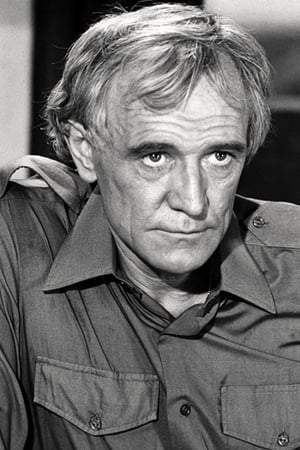
David Swansey (Richard Harris)
Played by Richard Harris
An unscrupulous sanctions-busting arms broker who thrives on exploiting embargo loopholes to supply Rhodesia's Security Forces. The deal-driven trader rationalizes his actions as necessary for survival, even as the stakes grow higher. As events spiral, he chooses to settle permanently in Rhodesia, only to be conscripted into the security forces.
- 🛠️ Arms dealer
- 💰 Illicit trade
- ⚖️ Ethics vs survival
-
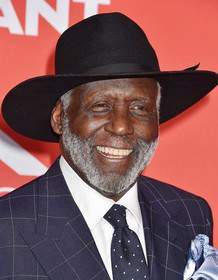
Gideon Marunga (Richard Roundtree)
Played by Richard Roundtree
A ZANLA guerrilla fighter who stalls the airfield raid, helps destroy part of the helicopter fleet, and embodies the region's deadly stalemate. His calm strategic approach contrasts with the mercantile mindset of the broker, highlighting the human cost of war. The climactic meeting with Swansey underscores the mutual recognition of a deadlock that cannot be easily resolved.
- 🪖 Guerrilla
- 🌍 Zimbabwe
- ⚔️ War
Where and When Is Game for Vultures Set?
Game for Vultures is set in Rhodesia, West Germany and South West Africa (Late 1970s). Here is why the time and place matter to the story.
When
Late 1970s
Set in the late 1970s, the story sits in a world ruled by sanctions and shifting alliances. The Rhodesian Bush War intensifies as embargoed arms deals cross borders and ignite political maneuvering. The international pressure and clandestine networks drive decisions that can alter the course of the conflict.
Where
Rhodesia, West Germany, South West Africa
The film unfolds across multiple fronts: the bush country of Rhodesia during the war, a U.S. Air Force base in West Germany where helicopters are auctioned, and the border regions of South West Africa. These settings anchor a clandestine arms operation shaped by embargoes and political pressure. Each locale shows how war economies function beyond official fronts, dragging in international players and local combatants alike.
- 🌍 Rhodesia
- 🪖 West Germany
- 🏜️ South West Africa
What Are the Themes of Game for Vultures?
3 ideas the story keeps returning to, among them Conflict, Illicit Trade and Stalemate.
-
01
Conflict
Two sides collide in a border war where power is measured in helicopters and profits. Violence is framed as a tool of political leverage as much as personal danger. Characters navigate loyalties, duty, and survival amid a broader conflict. The film exposes how war profiteering blurs lines between legality and crime.
-
02
Illicit Trade
Swansey's work reveals the mechanisms of the international arms black market under embargoes. Money and influence drive decisions, often eclipsing ideological concerns. Deals are portrayed as routine business, with international politics shaping, and sometimes restraining, every transaction. The consequence of these exchanges ripples outward to affect soldiers, civilians, and states.
-
03
Stalemate
Marunga and Swansey share a weary moment of reflection, recognizing the deadlock that sustains them. Both men are trapped by circumstance, forced to weigh loyalty, risk, and future fates. Their confrontations reveal a moral grey area where there are no clean wins, only hard choices. The film ends with a sense of mutual recognition rather than resolution.
What Kind of Film Is Game for Vultures?
Tense in tone, with steady pacing and a moderate story, going by the plot summary.
- Tone
- Tense
- Pacing
- Steady
- Story
- Moderate
- Intensity
- High
- Ending
- Ambiguous
A tense and observant political thriller that methodically builds suspense around the high-stakes world of arms dealing, creating a grim and pragmatic atmosphere where personal destinies are crushed by geopolitical machinery.
- tense
- political
- pragmatic
- suspenseful
- observant
- grim
- arms dealing
- political conflict
- war profiteering
- guerrilla warfare
Content notes: war violence, murder, political kidnapping, child endangerment.
Quiz
How well do you remember Game for Vultures? Test yourself on the story.